
When it comes to industrial applications, choosing the right materials can make a significant difference in performance, safety, and longevity. One material that stands out in many industries is PTFE liner tubing. But what exactly is PTFE, and why should you consider it for your applications? In this article, we’ll delve into the benefits of using PTFE liner tubing and why it’s a preferred choice for many industrial uses.

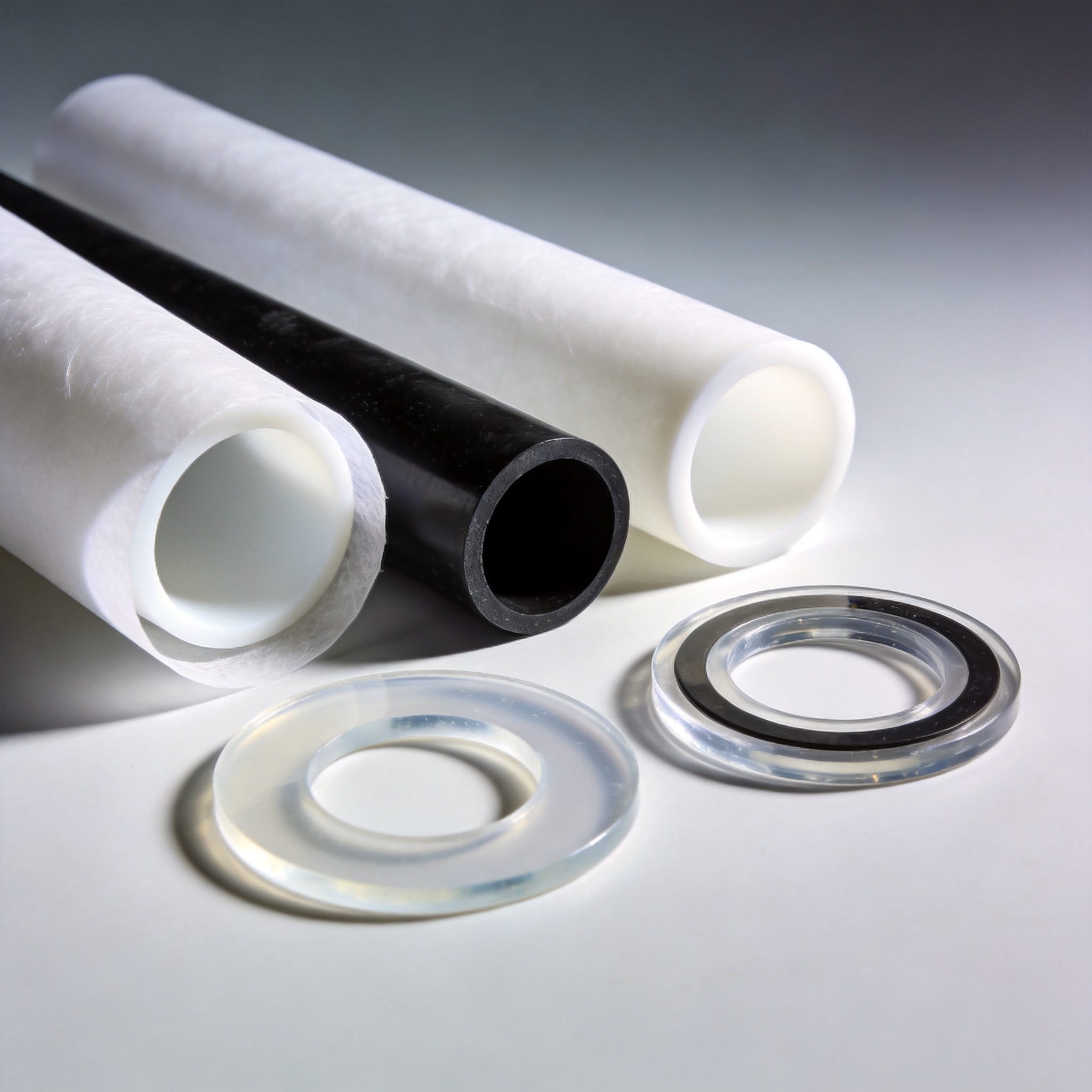
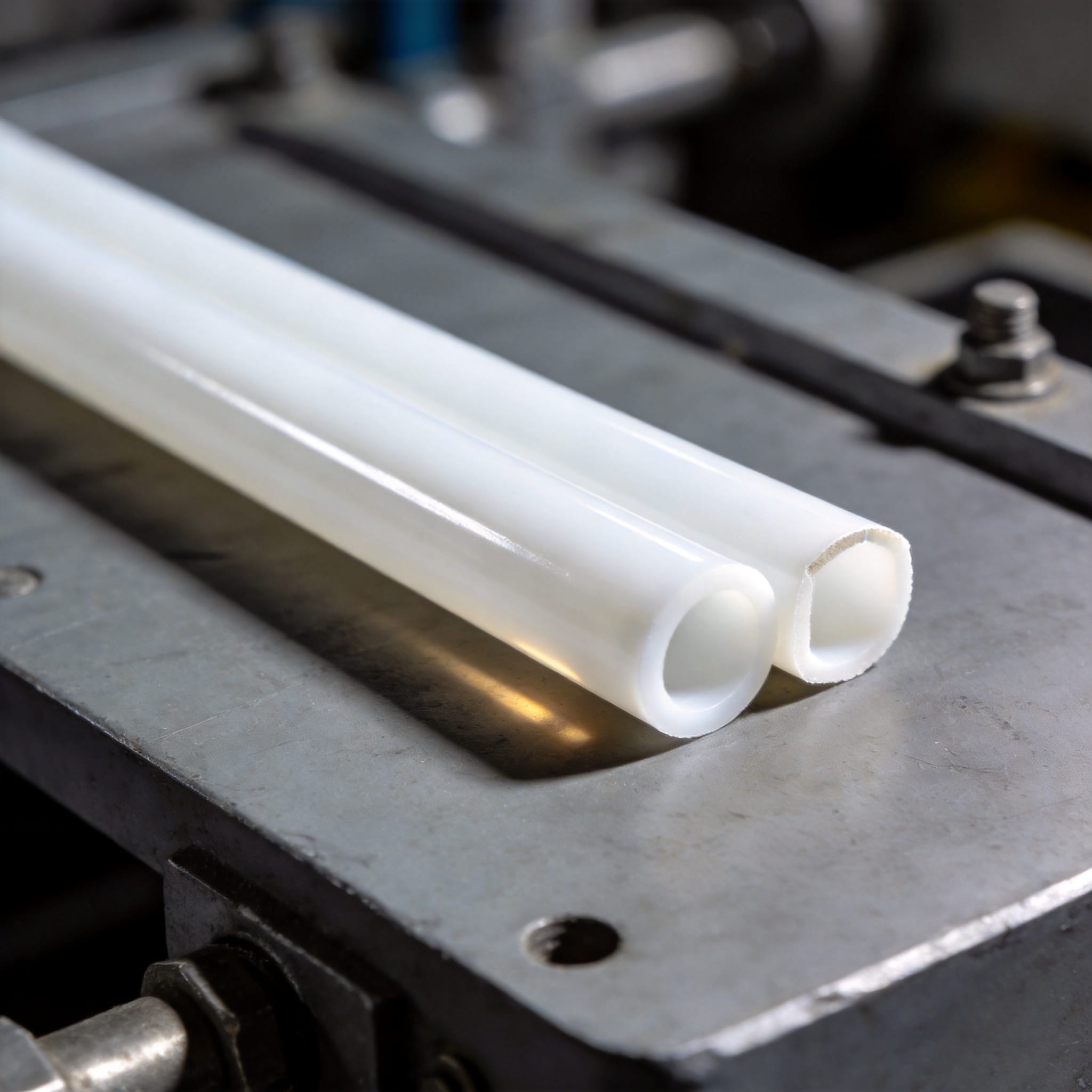
PTFE, or Polytetrafluoroethylene, is a synthetic fluoropolymer of tetrafluoroethylene. Known by the brand name Teflon, PTFE is renowned for its non-reactive properties and high-temperature resistance. PTFE liner tubing is essentially a tube made from this material, often used to line hoses, pipes, and other conduits to enhance their performance.
Key Characteristics of PTFE
- Chemical Resistance: PTFE is highly resistant to a wide range of chemicals, making it ideal for transporting corrosive substances.
- Temperature Tolerance: It can withstand extreme temperatures, both high and low, without losing its properties.
- Low Friction: Known for its slippery surface, PTFE reduces friction, which can prevent wear and tear in mechanical systems.
- Non-Stick Surface: Its non-stick nature makes it easy to clean and maintain.
Advantages of PTFE Liner Tubing
Химическая стойкость

One of the standout features of PTFE liner tubing is its exceptional chemical resistance. This makes it suitable for industries that deal with aggressive chemicals. Whether it’s in a chemical processing plant or a laboratory setting, PTFE’s resilience ensures that it doesn’t degrade or react, thus maintaining the integrity of the materials it transports.
Temperature Resistance
PTFE liner tubing is designed to withstand extreme temperatures, ranging from -328°F to 500°F (-200°C to 260°C). This makes it ideal for applications that involve high-temperature processes or cryogenic conditions. Industries such as aerospace and automotive often rely on high-temperature PTFE tubing for their critical operations.
Прочность и долговечность
PTFE is known for its toughness and long-lasting performance. It doesn’t easily wear out, which means systems that incorporate PTFE lined tubing have a longer lifespan and require less frequent maintenance. This durability translates into cost savings over time, as there’s less need for replacement and repair.
Гибкость

Flexibility is another key advantage of PTFE liner tubing. Its ability to bend without breaking makes it easy to install in complex systems where rigid pipes might not fit. Flexible PTFE liner tubing is especially useful in applications where movement or vibration is a factor, such as in machinery or vehicles.
Non-Stick and Low Friction
The non-stick nature of PTFE prevents materials from adhering to the tubing’s interior, which is particularly beneficial in food processing and pharmaceutical industries. Additionally, its low friction coefficient minimizes resistance, which can improve the efficiency of fluid flow and reduce the energy required for transport.
Универсальность в применении
PTFE liner tubing is not only used in chemical processing but also in a wide array of industries, including:
- Automotive: For fuel lines and brake systems.
- Aerospace: In hydraulic systems and fuel transfer.
- Pharmaceutical: For transporting sensitive fluids.
- Food and Beverage: In processing lines where hygiene is critical.
Types of PTFE Liner Tubing
There are various forms of PTFE tubing available, each tailored to specific needs. Some of the common types include:
- PTFE Lined Hose Tubing: Used primarily in flexible hose assemblies.
- PTFE Inner Liner Tube: Often used as a lining for metal pipes.
- Industrial PTFE Liner Tubing: Designed for heavy-duty applications in harsh environments.
Параметры настройки
Manufacturers offer customization options to meet specific requirements, such as varying wall thicknesses, diameters, and the inclusion of special fittings or reinforcements. This adaptability makes PTFE liner tubing suitable for bespoke applications where standard tubing might not suffice.
Экологические соображения
PTFE’s durability and resistance to degradation make it an environmentally friendly choice in the long run. Less frequent replacement means less waste, and its inert nature ensures that it doesn’t release harmful substances into the environment. However, it’s important to consider the environmental impact of its production and ensure proper disposal at the end of its life cycle.
Монтаж и техническое обслуживание
Installing PTFE liner tubing is straightforward, but it requires careful handling to avoid kinks or damage. Regular inspections are recommended to ensure optimal performance and to address any issues promptly. Due to its non-stick properties, maintenance typically involves simple cleaning procedures, making it a hassle-free component in many systems.
Заключение
PTFE liner tubing offers numerous benefits that make it a valuable asset in various industrial applications. Its chemical and temperature resistance, durability, and flexibility make it a versatile choice for many industries. Whether you’re in the chemical, automotive, or food processing industry, considering PTFE liner tubing could enhance the efficiency and longevity of your systems.
As industries continue to evolve and demand higher performance standards, the role of reliable materials like PTFE liner tubing becomes increasingly crucial. Understanding its benefits and applications can help you make informed decisions for your specific needs.
Explore the possibilities with PTFE liner tubing and experience the difference it can make in your operations.

 English
 Russian
 French
 Spanish