
Imagine a world where every pipeline, from your home’s plumbing to the intricate systems within industrial machines, operates seamlessly without leaks or failures. In this idyllic scenario, the unsung hero standing guard is the humble PTFE thread seal tape. More than just a tool for plumbers, this versatile material has revolutionized how we secure and maintain fluid-tight seals in a variety of settings. Yet, many remain unaware of the full spectrum of benefits that this seemingly simple tape can offer.
As we peel back the layers on PTFE thread seal tape, you’ll discover why it’s a staple in the toolkit of professionals and DIY enthusiasts alike. From its remarkable resistance to extreme temperatures and chemicals to its ability to lubricate and enhance joint performance, PTFE thread seal tape is engineered for excellence. This guide aims to present you with all the information necessary to harness its full potential, ensuring you achieve optimal results in any sealing task. Let’s dive into the details, exploring the practical applications and advantages that make PTFE thread seal tape an indispensable component in both everyday repairs and advanced engineering projects.

Understanding PTFE Thread Seal Tape Composition
PTFE thread seal tape, often referred to simply as “Teflon tape,” is composed of polytetrafluoroethylene (PTFE), a synthetic polymer known for its remarkable chemical inertness and low friction. In its native form, PTFE consists of carbon atoms bonded in a long-chain backbone, each carbon atom fully surrounded by fluorine atoms. This strong carbon–fluorine bond is one of the strongest in organic chemistry, making PTFE highly resistant to attack by acids, bases, solvents, and even the harshest industrial chemicals.
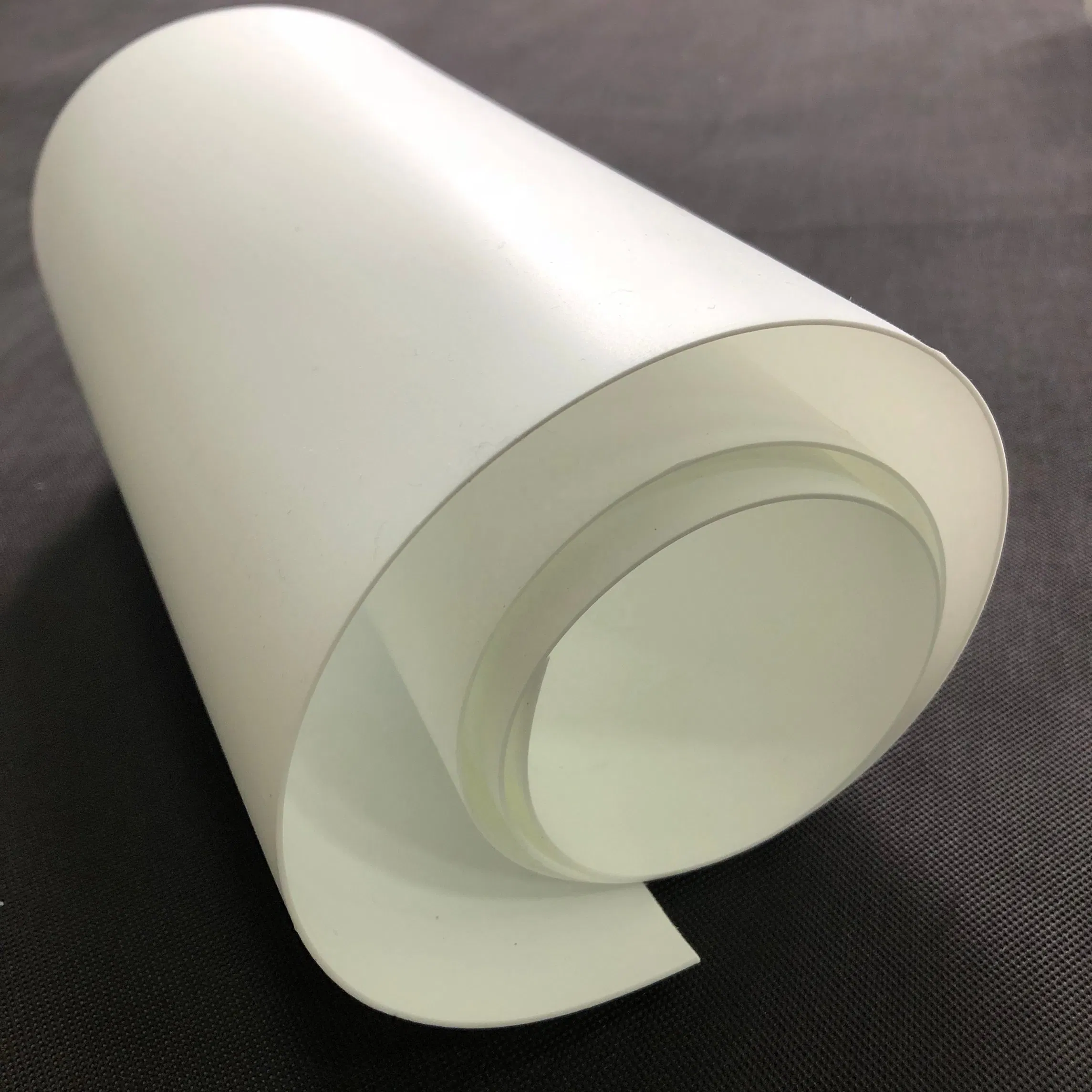
Manufacturers take pure PTFE resin and process it into an ultra-thin film. Through an extrusion or calendaring process, sheets of PTFE are stretched and thinned until they reach typical thicknesses of 0.075 mm to 0.2 mm, depending on the grade and intended application. The resulting tape is cut to standard widths—commonly ½ inch, ¾ inch, or 1 inch—allowing users to select the right size for pipe threads ranging from small valves to large-diameter fittings. Some specialty tapes may incorporate fillers like glass fiber, stainless steel, or carbon to improve wear resistance or dielectric strength, but most plumbing-grade seal tapes are 100% pure PTFE to maintain the highest level of chemical purity and seal performance.
The composition of PTFE thread seal tape directly underpins its unique benefits. Its nonstick surface prevents galling and thread binding, while its chemically inert matrix ensures it does not degrade over time or contaminate the fluid being sealed. The inherently hydrophobic nature of PTFE also prevents water absorption, helping to maintain a consistent seal even in high-moisture environments. Understanding this molecular and manufacturing background helps explain why PTFE thread seal tape has become the go-to choice for leak-proof connections in myriad applications.
Temperature Tolerance: How PTFE Thread Seal Tape Stands the Heat
One of the standout advantages of ptfe thread seal tape is its exceptional temperature tolerance. Unlike many polymer-based tapes that soften or deteriorate when exposed to heat, pure PTFE remains dimensionally stable from as low as –200 °C (–328 °F) up to +260 °C (+500 °F). This broad operating window allows the tape to function reliably in cryogenic systems as well as in high-temperature steam, oil, or chemical lines.
In practical terms, this means that whether you’re sealing a propane fitting on an outdoor grill in the dead of winter or working on boiler lines that routinely see superheated steam, PTFE thread seal tape will neither harden into a brittle mass nor flow away under pressure. Its fluorinated backbone retains structural integrity across multiple heating and cooling cycles, preventing the formation of microchannels that could lead to leaks. Additionally, PTFE’s negligible coefficient of thermal expansion ensures that the tape does not shrink or expand significantly with fluctuating temperatures, preserving a stable, consistent seal.
By comparison, other sealing materials—such as hemp or silicone-based compounds—can degrade at elevated temperatures, losing flexibility and sealing capacity. In safety-critical environments, particularly in industrial or chemical processing plants, ptfe thread seal tape’s thermal resilience offers an extra layer of assurance that joints will remain leak-free under the most demanding thermal conditions.
Enhanced Lubrication Properties for Easy Installation
Beyond its chemical and thermal strengths, PTFE thread seal tape delivers excellent lubrication properties that simplify the assembly of threaded components. When wrapped onto pipe threads, the tape’s slippery surface reduces friction between mating metal parts, allowing fittings to be tightened more evenly and with less torque. This lubrication effect minimizes the risk of thread galling or stripping—problems commonly encountered when working with stainless steel or brass fittings under high torque.
During installation, the tape acts as a microscopic film that fills surface imperfections between thread peaks and valleys. This not only promotes a more uniform compression of the sealing interface but also helps installer achieve a proper torque specification without fighting binding threads. As a result, connections can be secured accurately, reducing the likelihood of over-tightening that can crack fittings or deform sealing surfaces. Whether you’re a professional plumber or a home DIYer, the ease of installation afforded by ptfe thread seal tape can save time and effort, while delivering a reliable, leak-free joint.
Sealing Applications in Plumbing Systems
In residential and commercial plumbing, ptfe thread seal tape has become the standard for sealing National Pipe Thread (NPT) fittings used in water, gas, and wastewater lines. Its chemical inertness ensures it will not contaminate drinking water or interact with common household chemicals. Approved for potable water service by standards organizations like NSF, PTFE thread seal tape is safe for pipes delivering potable water to faucets, showers, and appliances.
Applying the tape is straightforward: wrap the male threads in a clockwise direction—typically three to five full turns—ensuring the tape covers all threads without overlapping excessively into the pipe bore. This method creates a tight, conforming barrier that prevents leaks under normal residential water pressures. Beyond household plumbing, it can also be used to seal gas lines, fuel connectors, and irrigation systems, provided the tape grade matches the media being handled. Its non-stick properties also allow for easy disassembly of fittings for maintenance or repairs, making ptfe thread seal tape a versatile and reusable sealing solution for virtually any plumbing application.
Industrial Use Cases for PTFE Thread Seal Tape
In industrial environments, where pipes and valves transport aggressive chemicals, corrosive gases, or high-pressure steam, ptfe thread seal tape is a critical component for ensuring safety and uptime. Chemical processing plants rely on PTFE tape’s compatibility with acids, bases, solvents, and petrochemicals to prevent leaks that could cause equipment damage or environmental hazards. Its inert nature ensures that process fluids remain uncontaminated, preserving product purity in pharmaceutical, food, and beverage manufacturing lines.
Oil and gas refineries also benefit from PTFE thread seal tape’s ability to withstand extreme pressures and temperatures, as well as its resistance to hydrogen sulfide and other corrosive constituents found in crude oil. In compressed air and pneumatic systems, the tape’s low friction reduces wear on regulators and valves, extending equipment life and improving efficiency. Even in aerospace and marine applications—where weight, reliability, and resistance to harsh environments are paramount—PTFE thread seal tape continues to be the sealing material of choice, demonstrating its unmatched versatility across the industrial spectrum.
Conclusion: Harnessing the Full Potential of PTFE Thread Seal Tape
From its unique molecular composition to its ability to perform under extreme temperatures and aggressive chemicals, PTFE thread seal tape stands out as an essential sealing solution across residential, commercial, and industrial settings. Its low-friction lubrication properties simplify installation, while its chemical inertness and thermal stability provide durable, leak-free joints.
Whether you’re a professional engineer, seasoned plumber, or weekend DIY enthusiast, understanding how to choose and apply the right grade of ptfe thread seal tape can make all the difference in securing reliable connections. By leveraging its remarkable properties, you’ll ensure tighter seals, safer operations, and easier maintenance for all your piping projects.


 English
 Russian
 French
 Spanish