
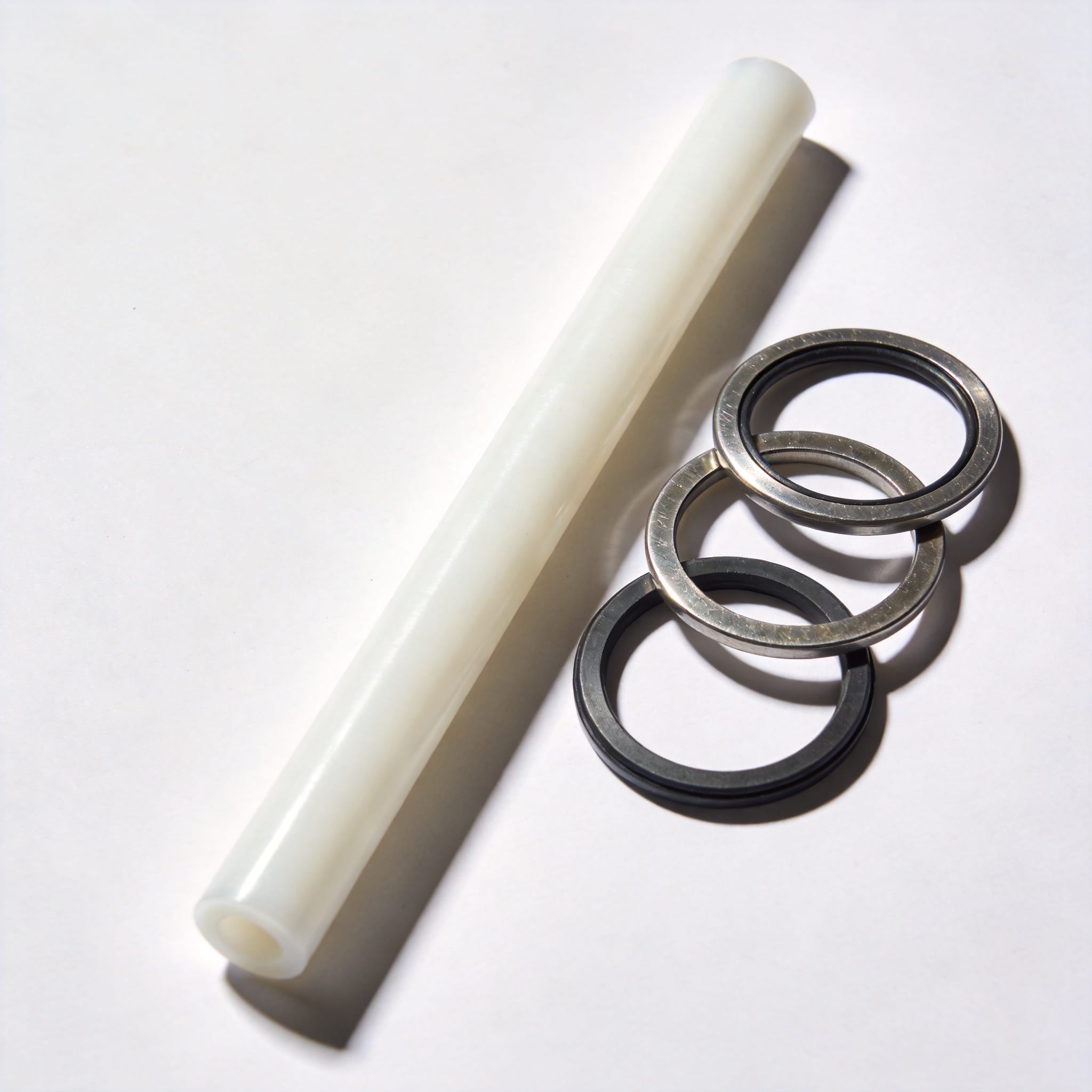
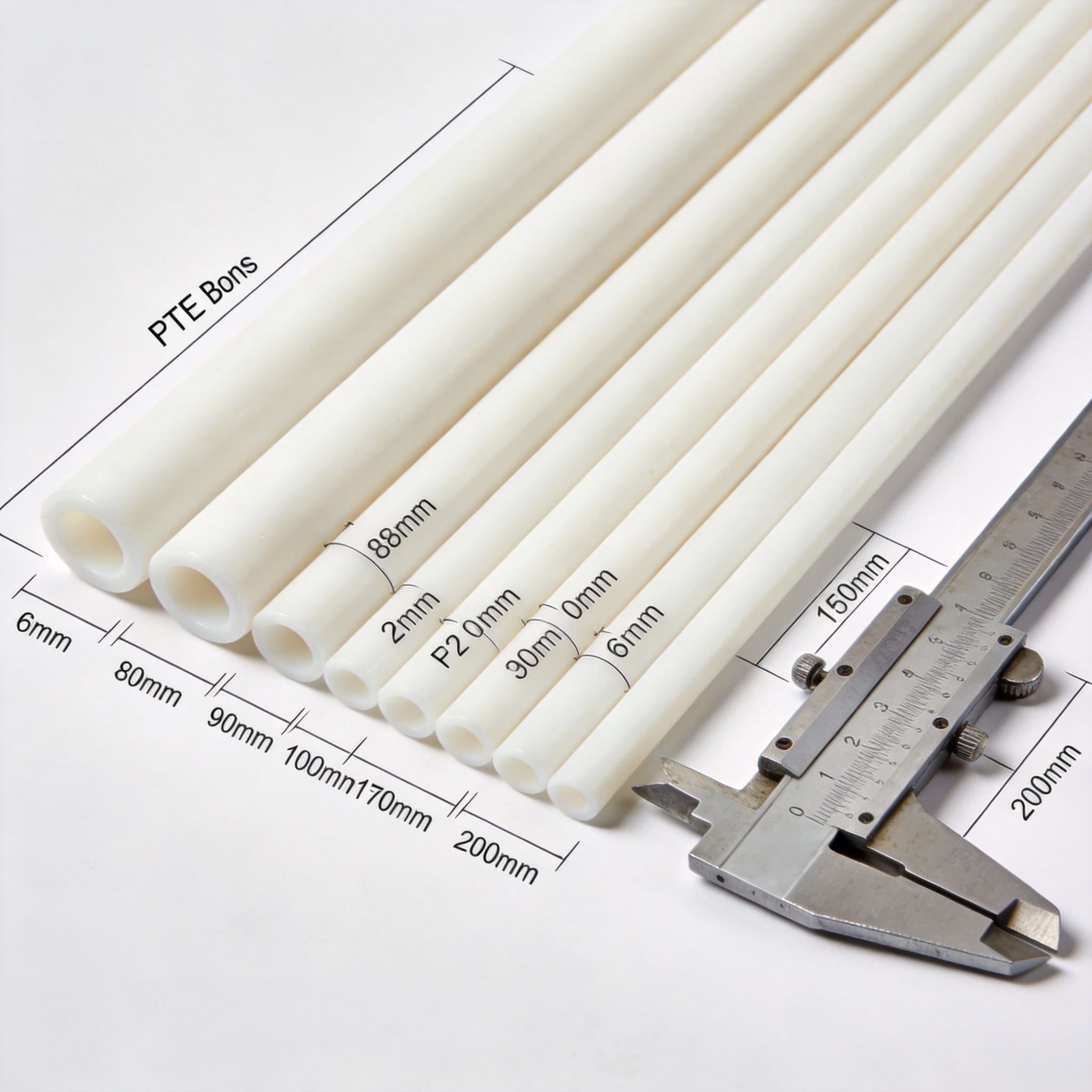
PTFE tubing (Polytetrafluoroethylene tubing) is a high-performance material widely used in industries such as medical, aerospace, chemical processing, and electronics. Known for its non-stick surface, chemical resistance, and high temperature tolerance, this fluoropolymer solution offers a strong balance between flexibility and durability.
A common question is whether this type of tubing is flexible enough for complex applications. The answer depends on factors such as wall thickness, diameter, and design. In most cases, it provides a reliable combination of bendability and structural integrity, making it suitable for both dynamic and fixed systems.

What Makes This Fluoropolymer Tubing Unique
As part of the fluoropolymer family, this material stands out due to its advanced performance characteristics. Compared with standard plastic or rubber tubing, it offers:
- Excellent chemical resistance for aggressive environments
- Wide temperature tolerance up to 260°C (500°F)
- Low friction and non-stick properties
- Strong electrical insulation capability
These features make it a preferred option for applications requiring durable, high-temperature tubing and corrosion-resistant fluid transfer solutions.
Flexible vs. Rigid Options
Flexible Design
Flexible variants are engineered for applications requiring movement, bending, and easy installation. Their adaptability makes them suitable for:
- Medical device systems
- Laboratory fluid handling
- Tight or complex routing environments
- Equipment exposed to vibration
Rigid Structure
Rigid alternatives provide enhanced strength and shape retention. They are typically used in:
- Industrial piping systems
- Fixed-position fluid transport
- Chemical processing lines
Selecting the right type depends on whether your project prioritizes flexibility or structural stability.
Mechanical Properties and Performance
The flexibility of PTFE tubing is closely related to its physical properties. Key characteristics include:
- Lower tensile strength in flexible versions, allowing easy bending
- Higher rigidity in thick-walled or reinforced designs
- Resistance to wear, aging, and environmental stress
These properties ensure reliable performance in both precision applications and heavy-duty industrial environments.
Understanding Bend Radius

Он bend radius is a critical parameter when evaluating flexibility. It defines the smallest curve the tube can achieve without kinking.
- Flexible designs allow a tighter bend radius, ideal for compact systems
- Rigid types require larger bending space
This factor is especially important in industries like medical equipment and electronics, where space is limited and precision is essential.
Key Factors Affecting Flexibility
Several elements influence how easily this material can bend and adapt:
- Wall thickness: Thinner walls increase flexibility
- Diameter: Smaller sizes bend more easily
- Material grade: modified formulations can improve softness
- Temperature: higher temperatures may enhance flexibility
Understanding these variables helps in selecting the most suitable fluoropolymer tube solution for specific needs.
Comparison with Other Tubing Materials
Compared to PVC, silicone, or rubber tubing, this material offers a unique combination of advantages:
- Superior химическая стойкость
- Higher temperature tolerance
- Lower friction for smoother fluid flow
- Longer service life in harsh conditions
While some materials may be softer, they often lack the durability and stability required in demanding environments.
Common Applications Across Industries
PTFE tubing is widely used in various sectors due to its versatility:
- Medical field: fluid transfer, catheters, and lab equipment
- Aerospace and automotive: fuel and fluid systems
- Chemical industry: corrosive fluid handling
- Food processing: hygienic and non-stick transfer
- Электроника: insulation and protection
Its ability to perform reliably under extreme conditions makes it a top choice for engineers and manufacturers.
FAQ: Common Questions About PTFE Tubing
1. Is PTFE tubing more flexible than other materials?
Yes, it offers a good balance between flexibility and strength. While silicone may be softer, this material provides better durability and chemical resistance.
2. What affects the flexibility of PTFE tubing?
Flexibility depends on wall thickness, diameter, and material formulation. Thinner and smaller tubes are generally more flexible.
3. What is the typical bend radius?
The bend radius varies by size and type, but flexible versions can achieve tighter bends without kinking compared to rigid alternatives.
4. Can PTFE tubing handle high temperatures?
Yes, it can withstand temperatures up to approximately 260°C (500°F), making it suitable for high-heat environments.
5. Is PTFE tubing suitable for medical use?
Yes, due to its chemical stability and non-reactive nature, it is commonly used in medical and laboratory applications.
Заключение
This advanced fluoropolymer tubing solution combines flexibility, chemical resistance, and high temperature performance, making it highly versatile across industries. By understanding factors such as bend radius and material properties, users can select the most appropriate option for their specific applications.
Whether used in medical systems, industrial processing, or high-performance engineering, this material continues to deliver reliability, efficiency, and long-term value.

 English
 Russian
 French
 Spanish