
In the ever-evolving world of industrial applications, precision and reliability are paramount. Imagine a component that can withstand extreme temperatures, aggressive chemicals, and relentless wear and tear, all while maintaining its integrity and performance. Enter the PTFE rubber seal—a marvel of modern engineering that has redefined durability and efficiency across numerous industries. From aerospace to pharmaceuticals, these versatile seals play a critical role yet often go unnoticed. Understanding their applications and benefits is pivotal for anyone seeking superior performance and longevity in industrial systems.
But what makes PTFE rubber seals stand out in a world brimming with sealing solutions? Their unique composition combines the remarkable properties of Polytetrafluoroethylene (PTFE) and the flexibility of rubber, creating a seal that is both robust and adaptable. This blend not only enhances performance under pressure but also extends the life of machinery by minimizing maintenance needs. As we delve into this ultimate guide, you’ll uncover how PTFE rubber seals can transform your operations, offering unparalleled reliability in even the most demanding environments. Whether you’re an engineer, maintenance professional, or industry enthusiast, this comprehensive exploration promises to elevate your understanding and appreciation of these unsung heroes of industrial efficiency.

The Fundamentals of PTFE Rubber Seals
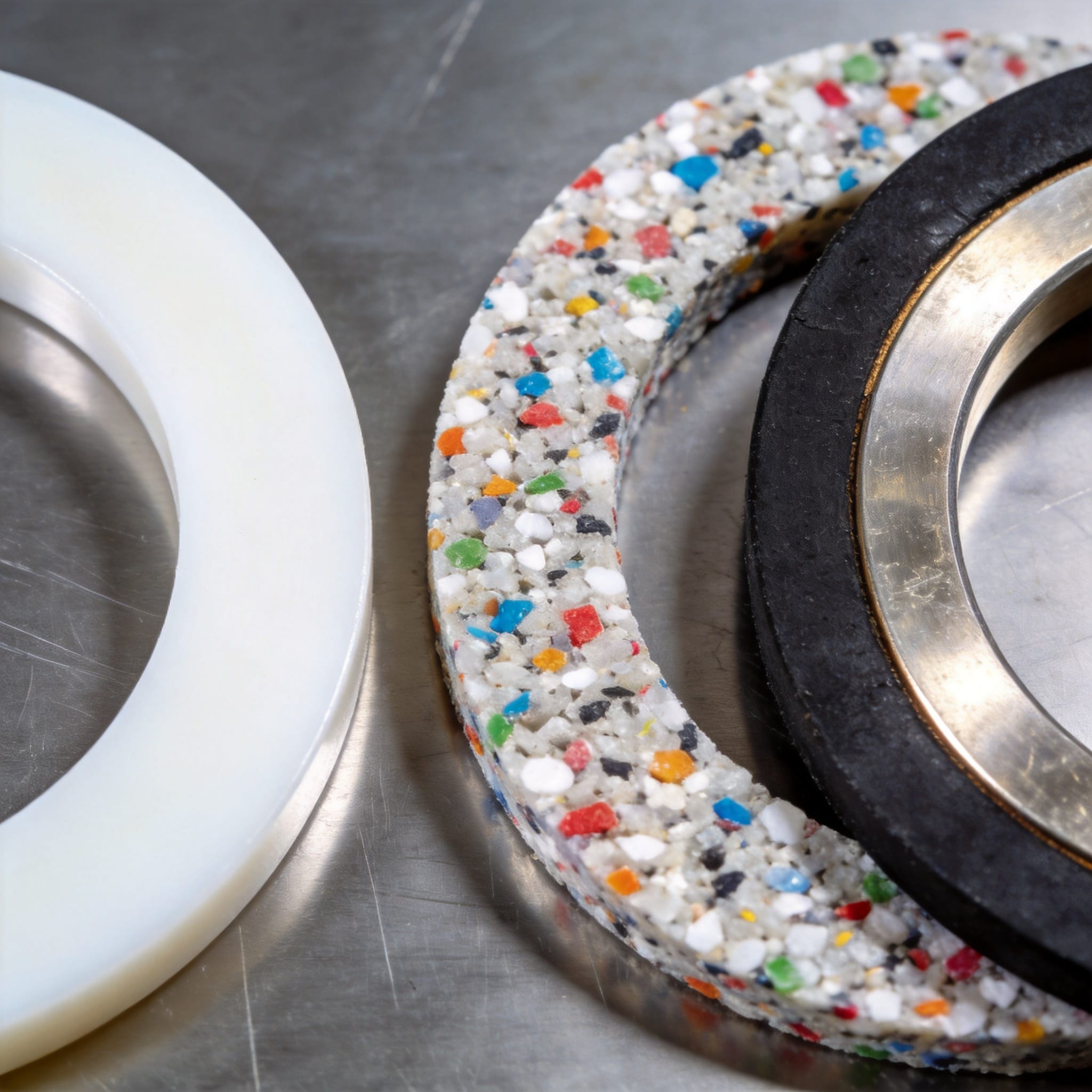
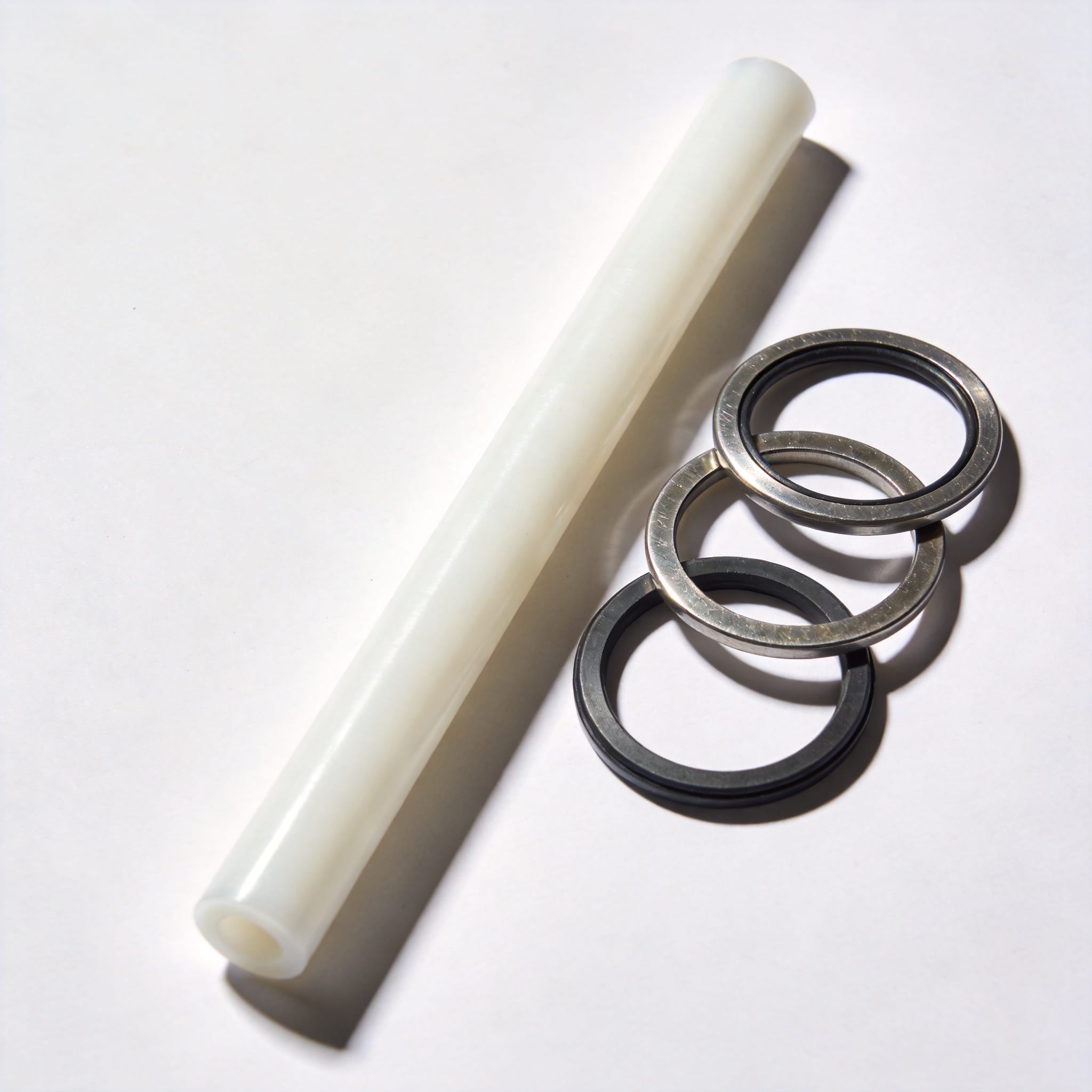
At the heart of every high-performance sealing solution lies the unique synergy between Polytetrafluoroethylene (PTFE) and elastomeric materials. A PTFE rubber seal typically features a PTFE lining or jacket bonded to an inner rubber core—often constructed from EPDM, NBR, or FKM—combining the chemical inertness and low friction of PTFE with the elasticity and resilience of rubber. This hybrid construction imparts the seal with exceptional mechanical strength, the ability to conform to varying flange faces, and the capacity to maintain sealing integrity under fluctuating pressures and temperatures.
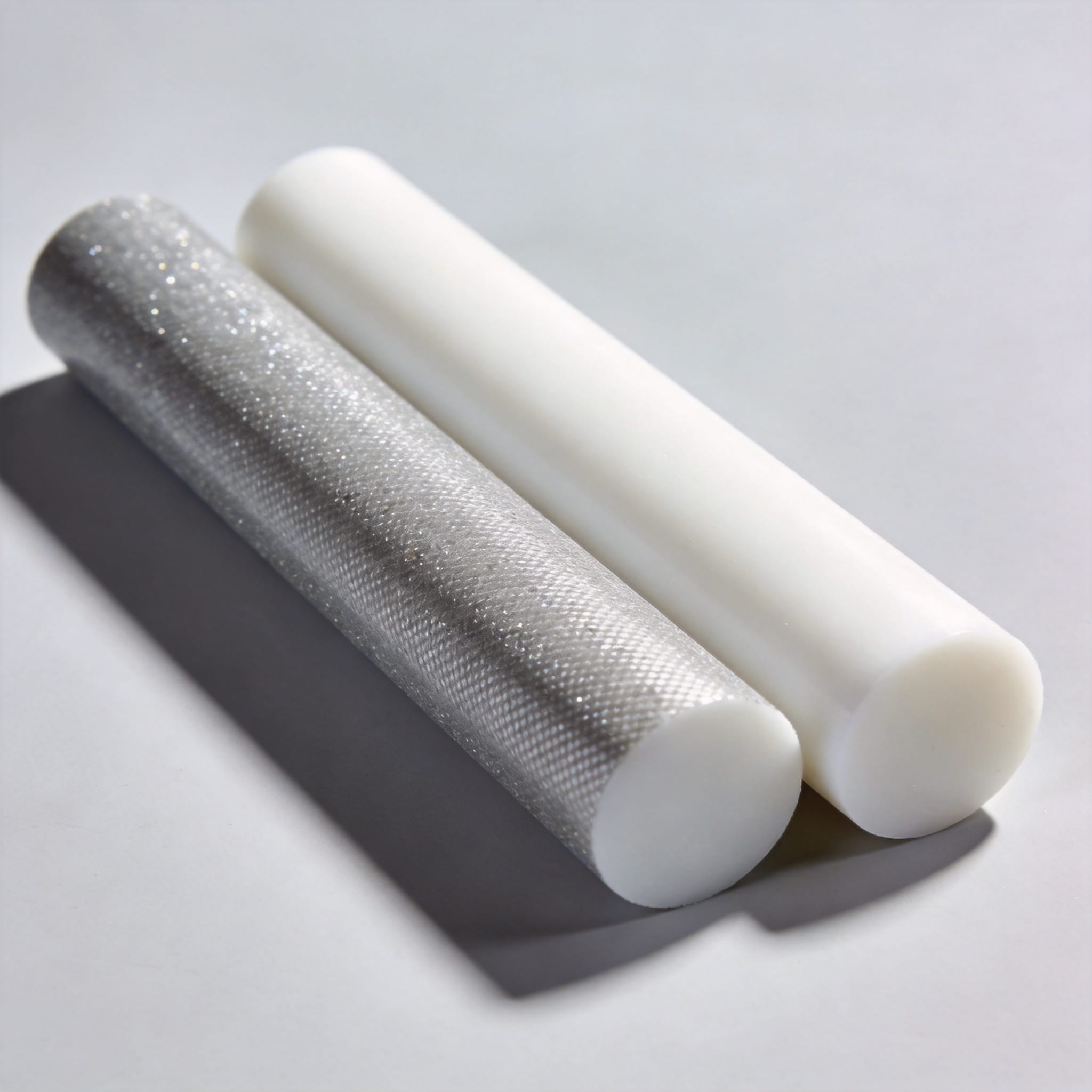
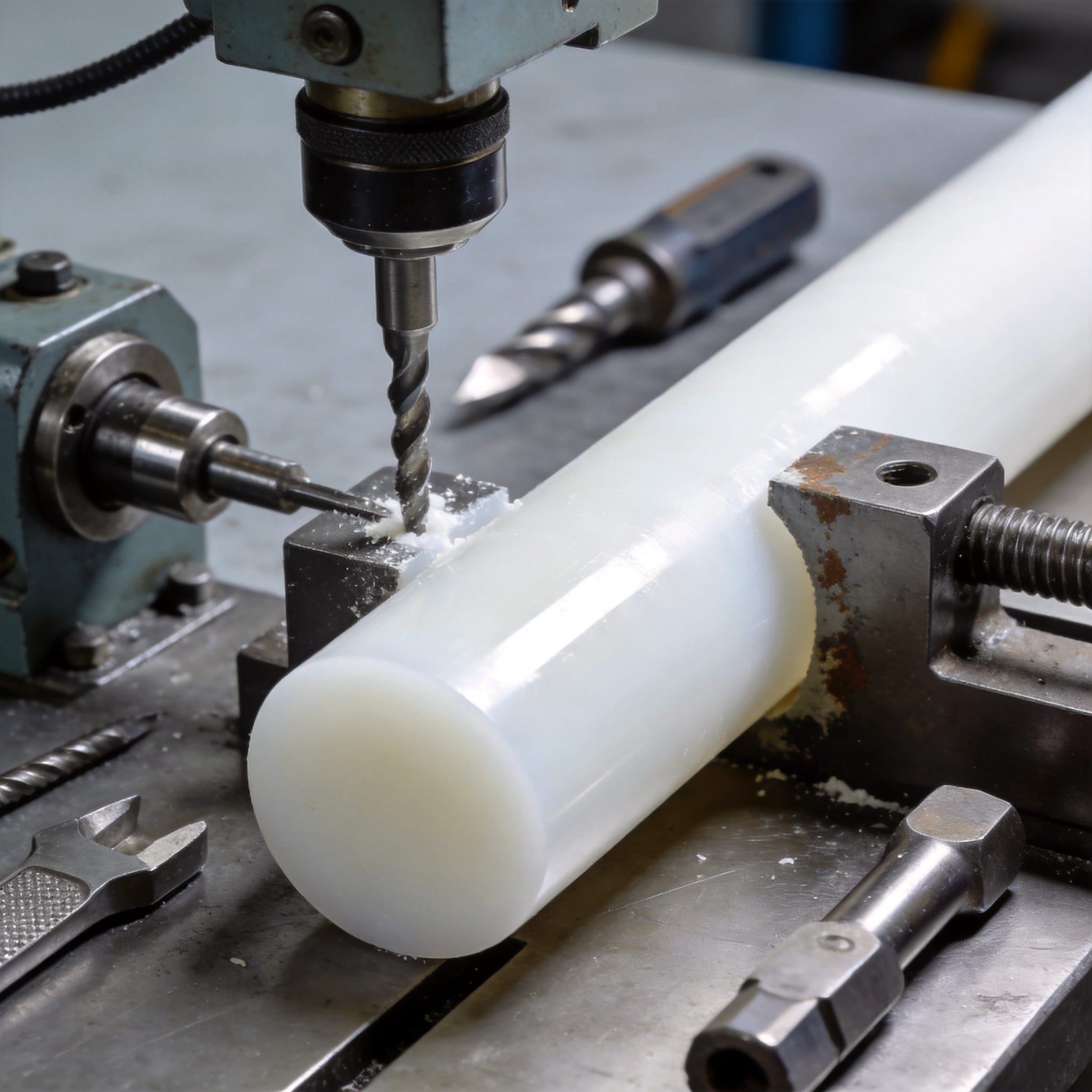
Manufacturing methods for PTFE rubber seals include compression molding, over-molding, and co-extrusion, each optimized for specific seal geometries and application requirements. During compression molding, a rubber element is placed into a heated mold cavity and pressed against Листы из ПТФЭ or preformed liners, achieving a robust bond without adhesives. Over-molding techniques allow direct injection of rubber onto PTFE inserts, ensuring consistent sealing performance even in complex profiles. Co-extruded seals, on the other hand, are produced by simultaneous extrusion of PTFE and rubber layers, ideal for continuous lengths used in dynamic sealing applications. The result is a versatile ptfe rubber seal that marries chemical resistance with flexibility, delivering superior leak prevention across a broad spectrum of industrial environments.
Benefits in Pharmaceutical Manufacturing
Pharmaceutical production demands uncompromising cleanliness, traceability, and compliance with stringent regulatory standards. A ptfe rubber seal is exceptionally well-suited to this environment due to its chemical inertness, biocompatibility, and resistance to steam sterilization and aggressive cleaning agents. Unlike traditional elastomer seals that may swell, degrade, or shed particles when exposed to harsh sanitizing protocols, PTFE-lined seals maintain dimensional stability and prevent contamination, safeguarding product purity and patient safety.
In tablet presses, reactor vessels, and piping systems, sealing failures can lead to costly downtime, batch spoilage, or regulatory non-conformance. PTFE rubber seals offer reliable leak-tight performance over extended service intervals, reducing maintenance frequency and associated downtime. Their smooth, non-stick PTFE surface also inhibits biofilm formation, simplifying cleaning-in-place (CIP) and sterilization-in-place (SIP) cycles. Furthermore, documented traceability of seal materials and batch numbers supports Good Manufacturing Practices (GMP) audits, ensuring that compliance and quality assurance remain front and center in pharmaceutical facilities.
Enhancing Food Processing with PTFE Seals
Food safety regulations mandate that all contact surfaces in processing equipment be non-toxic, non-contaminating, and easy to sanitize. A PTFE rubber seal excels in this domain by offering FDA- and USDA-compliant materials, combined with the non-absorbent, non-porous qualities of PTFE. This prevents microbial ingress and cross-contamination between batches of dairy, beverages, sauces, and other consumables, preserving product integrity and consumer safety.
Durability is another critical factor in high-throughput processing lines. Conventional seals may harden or crack under repeated thermal cycling or exposure to acidic and alkaline cleaners. PTFE rubber seals, however, withstand temperatures from –200 °C to +260 °C, resist aggressive cleaning chemicals, and maintain elasticity over thousands of cycles. Their low friction coefficient reduces torque requirements on rotating valves and pumps, lowering energy consumption and wear on drive components. The combined benefits of sanitation compliance, mechanical resilience, and operational efficiency make PTFE seals indispensable in modern food processing plants.
Environmental Impact and Sustainability
As industries strive to minimize environmental footprints, the longevity and chemical resistance of PTFE rubber seals contribute to sustainable operations. Extended service life means fewer replacements, reduced material consumption, and decreased waste generation. Moreover, the low friction and tight sealing performance of PTFE-lined seals help prevent leaks of process fluids and gases, mitigating emissions and safeguarding workplace safety.
While PTFE is not biodegradable, advances in recycling and waste management are improving end-of-life handling. Some manufacturers now offer take-back programs for spent seals, enabling chemical recycling or energy recovery. Additionally, by integrating PTFE rubber seals that support higher operating efficiencies—such as reduced energy loss in steam systems and lower lubricant consumption in dynamic applications—plants can achieve measurable reductions in CO2 emissions and operational costs. Embracing these seals aligns with corporate sustainability goals and environmental regulations, demonstrating a commitment to responsible resource stewardship.
Conclusion: Maximizing Performance with PTFE Rubber Seals
PTFE rubber seals represent a pivotal advancement in sealing technology, merging the best qualities of PTFE and elastomers to deliver unmatched reliability and longevity. Their versatility across industries—from pharmaceuticals and food processing to chemical and energy sectors—underscores their value in critical applications where failure is not an option.
By choosing PTFE rubber seals, organizations can reduce maintenance downtime, ensure regulatory compliance, and enhance overall system efficiency. Investing in these high-performance seals ultimately translates to lower total operating costs, improved product quality, and a smaller environmental footprint—solidifying their status as essential components in modern industrial systems.

 English
 Russian
 French
 Spanish