
Imagine a world where industrial solutions are no longer hindered by corrosion, contamination, or costliness. In the vast and varied landscape of industrial manufacturing, the materials we choose can profoundly impact efficiency and longevity. Enter Teflon lined piping—a revolutionary technology that has transformed how industries handle aggressive chemicals and complex processes. As industries evolve, the demand for reliable, efficient, and resilient solutions becomes paramount, making Teflon lined piping not just an option but an essential innovation in safeguarding industrial operations.
The evolution of piping materials over the years has mirrored the changing needs of industries—from simple metal pipes to sophisticated composites. Traditional materials often struggled to meet the rigorous demands of modern applications. That’s where Teflon lined piping comes into play, offering a unique combination of chemical resistance, temperature endurance, and low maintenance. This guide will explore how integrating Teflon lined solutions can significantly enhance the sustainability and efficiency of your industrial processes, ensuring operations run smoothly and safely. Stay with us as we delve into the specifics of this game-changing technology and uncover the potential it holds for your business.

Understanding the Composition of Teflon Lined Piping
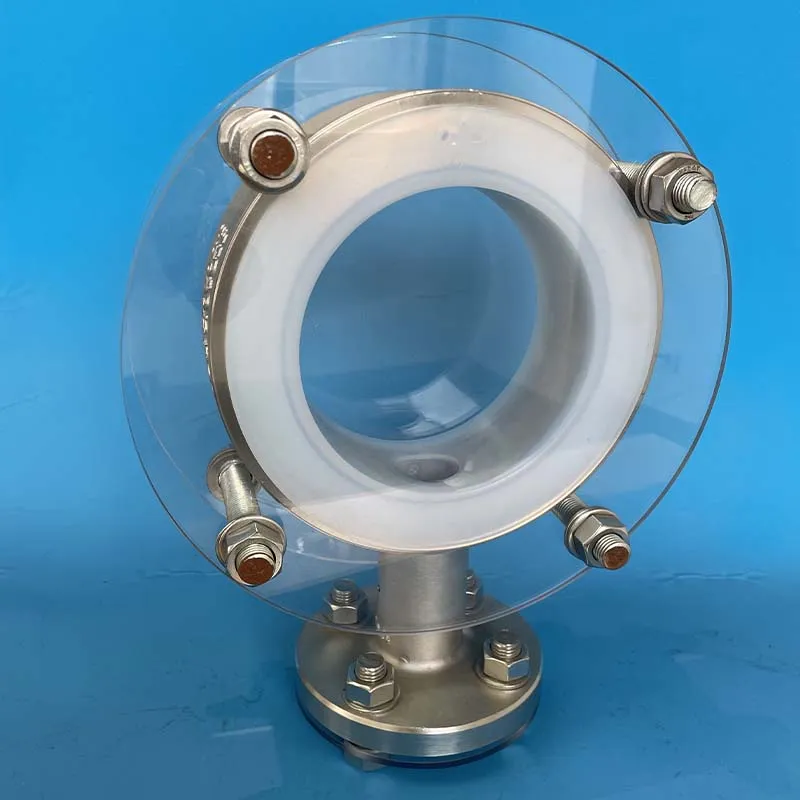
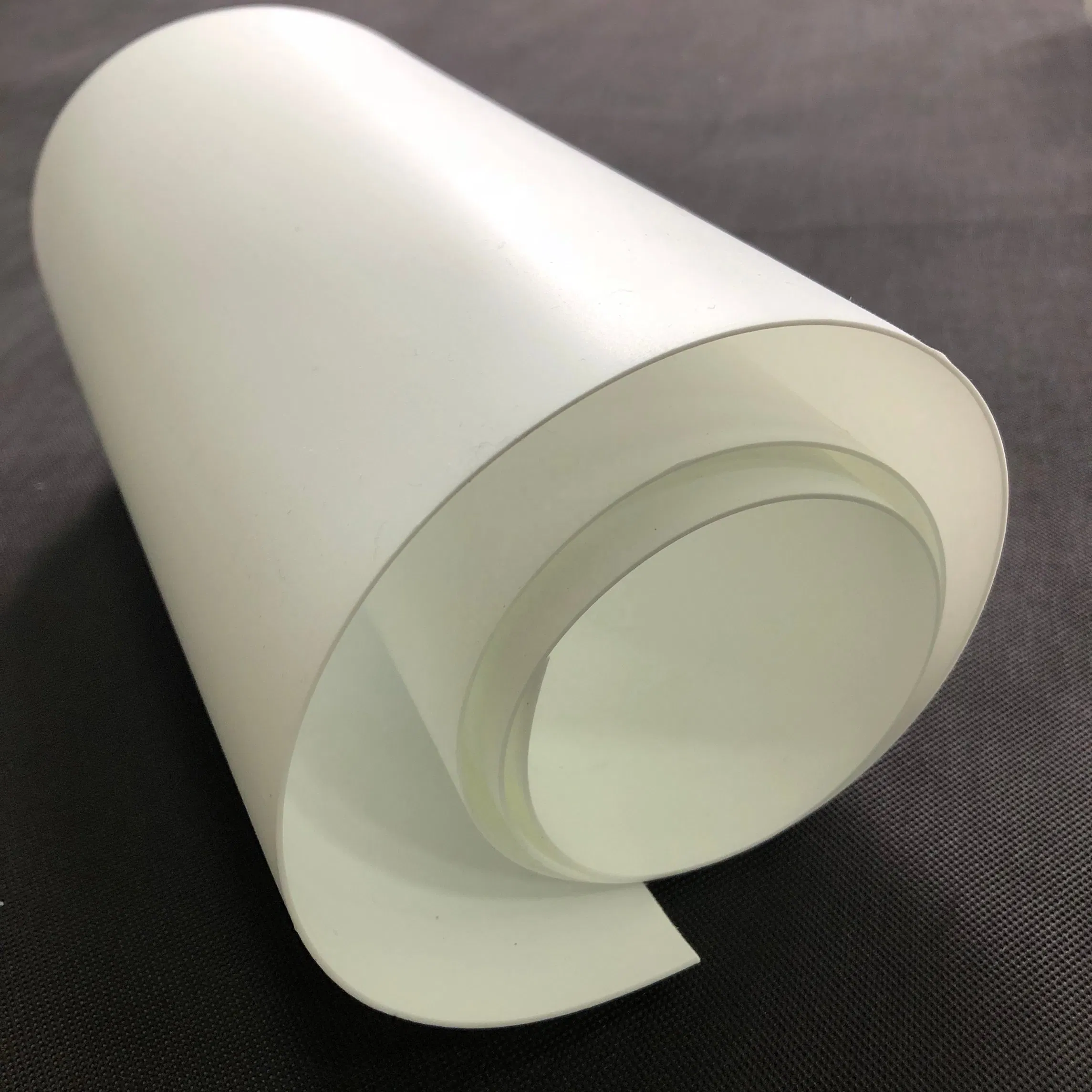
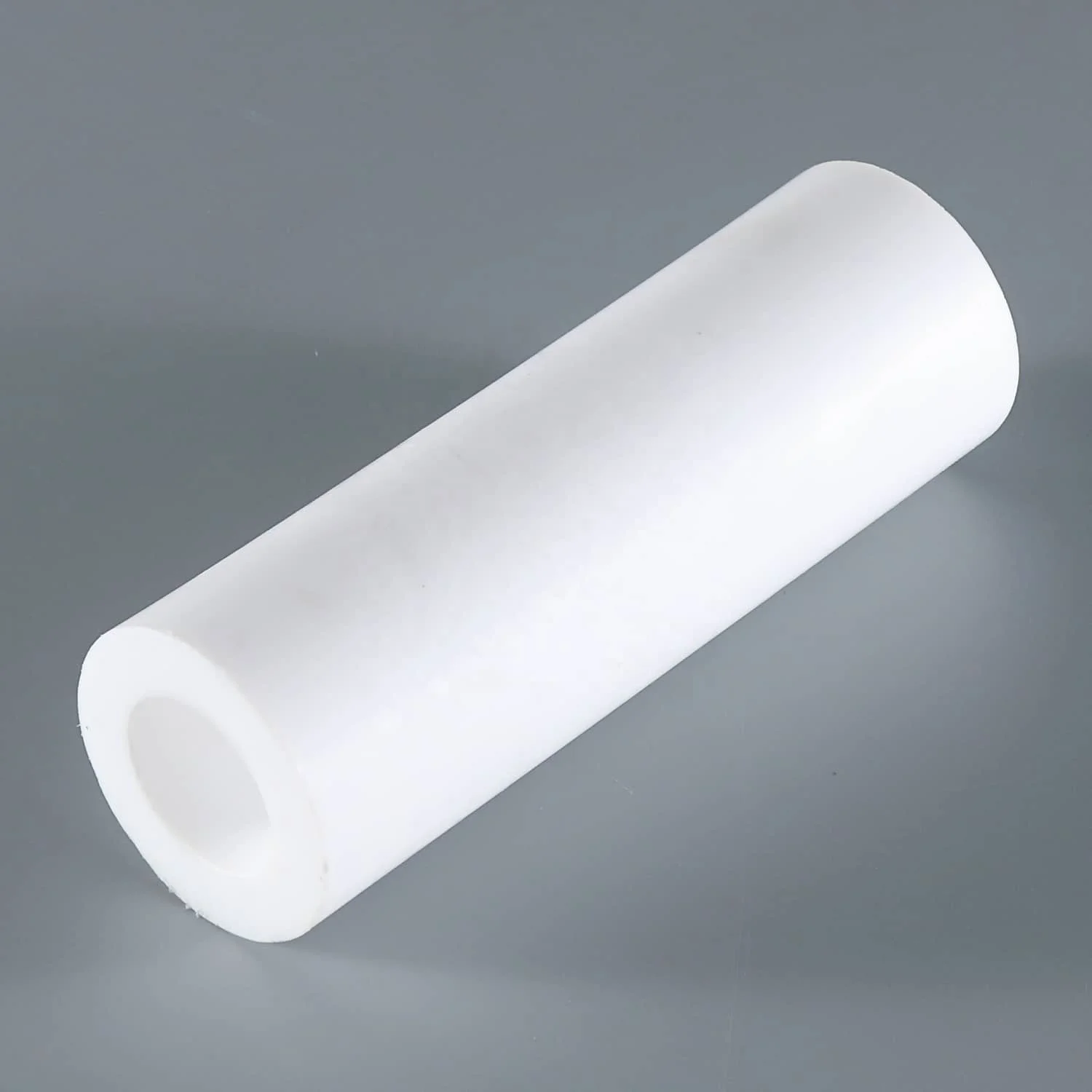
At its core, Teflon lined piping consists of a robust metal backbone—often carbon steel or stainless steel—coated internally with a seamless layer of polytetrafluoroethylene (PTFE), commonly known as Teflon. The base metal provides the structural strength and pressure-bearing capacity needed in heavy-duty applications, while the PTFE lining imparts exceptional chemical inertness and smooth surface properties. This combination ensures that the piping can withstand mechanical stresses and extreme temperatures without compromising on corrosion resistance. The Teflon layer is typically applied through an intricate process of skiving, wrapping, and sintering, resulting in a uniform, non-porous barrier that adheres strongly to the pipe’s interior walls.
Moreover, modern manufacturing techniques allow for precise control over lining thickness—usually ranging between 0.5 and 3.0 millimeters—optimizing performance based on the specific requirements of each application. Thicker linings may be chosen for highly abrasive or corrosive fluids, while thinner coatings can suffice for milder service conditions, reducing material cost and weight. The PTFE’s crystalline structure gives it a low coefficient of friction, which not only minimizes pressure drop but also prevents product buildup and blockages. When combined with the metal shell’s mechanical durability, this unique composition makes Teflon lined piping an indispensable asset for industries where purity and longevity are non-negotiable.
Applications of Teflon Lined Piping Across Industries
Teflon lined piping has found widespread adoption across a range of sectors due to its unparalleled resistance to aggressive chemicals and high-purity handling. In the chemical processing industry, it transports acids, solvents, and catalysts without fear of corrosion, ensuring process integrity and product quality. Petrochemical refineries rely on these pipes to convey sulfuric and hydrochloric acids, while pharmaceutical manufacturers use them for ultrapure water lines and high-purity solvents. Food and beverage plants also benefit from Teflon’s inertness, employing the piping for flavorings, concentrates, and cleaning agents, thereby eliminating contamination risks.
Moreover, Teflon lined piping is critical in semiconductor fabrication, where ultra-clean gas and liquid delivery systems demand zero particulates and zero chemical interactions. Power generation plants use it in flue gas desulfurization systems and cooling water circuits that handle high-temperature, corrosive environments. In waste treatment facilities, it carries sludge, acids, and alkalis with minimal maintenance downtime. Even the mining industry has embraced Teflon lined piping for slurry transport and tailings management, where abrasion resistance complements its chemical endurance. This versatility across industries highlights how teflon lined piping elevates operational reliability and safety at every turn.
Comparing Teflon Lined Piping with Traditional Piping Materials
Traditional piping materials—such as carbon steel, stainless steel, PVC, and glass-lined steel—have long served various industrial needs, but each comes with limitations when faced with harsh chemicals, extreme temperatures, or hygiene-critical processes. Carbon steel excels in mechanical strength but falls short in corrosion resistance. Stainless steel offers better chemical tolerance, yet many corrosive media still attack specific grades over time. PVC provides excellent corrosion resistance at low cost, but can’t withstand high temperatures or pressures. Glass-lined pipes are inert but brittle and prone to lining failures under thermal cycling.
By contrast, teflon lined piping brings together the best attributes of multiple materials. Its PTFE lining is impervious to over 95% of known chemicals, from strong acids to caustic alkalis, while withstanding continuous temperatures up to 260°C. The underlying metal structure ensures pressure ratings comparable to standard steel pipes. The smooth, non-stick surface reduces frictional losses and virtually eliminates scaling, leading to consistent flow rates and lower energy consumption. When evaluating the total cost of ownership—factoring in reduced maintenance, fewer shutdowns, and extended service life—teflon lined piping often delivers superior long-term value compared to traditional alternatives.
Maintenance Best Practices for Teflon Lined Piping
While teflon lined piping significantly reduces the maintenance burden compared to unlined piping, adhering to best practices is essential for maximizing lifespan and performance. First and foremost, regular inspections should be conducted to monitor for mechanical damage. Although the PTFE lining itself is highly resistant to chemical attack, situations such as excessive vibration, impact, or improper installation can compromise its integrity. Inspectors should look for signs of lining wear, delamination, or pitting at flanged joints and bends.
Secondly, maintaining appropriate operating conditions is crucial. Operating pressures and temperatures should remain within the manufacturer’s specified limits to prevent stress on both the metal shell and the PTFE layer. Abrasive or particulate-laden fluids may benefit from periodic flushing with a compatible solvent or mild detergent to prevent build-up. If blockages occur, avoid mechanical cleaning tools that could scratch or damage the lining; instead, rely on low-pressure chemical cleaning agents that are known to be safe for PTFE. Finally, training maintenance personnel on the unique properties of teflon lined piping will ensure that any interventions—whether repair, replacement of gaskets, or valve servicing—are performed without jeopardizing the lining. Consistent record-keeping of service intervals, inspections, and corrective actions further enhances reliability and predictive maintenance efforts.
Embracing the Future: Innovations in Teflon Lined Piping Technology
As industries push the boundaries of chemical processing, energy production, and semiconductor fabrication, the demand for next-generation piping solutions continues to grow. Recent innovations in teflon lined piping focus on improving installation efficiency, lining adhesion, and performance monitoring. Advances in robotic lining application allow for uniform coatings in complex geometries, minimizing human error and reducing turnaround times. New hybrid alloys for the metal shell combine lighter-weight construction with enhanced pressure ratings, lowering overall system weight without sacrificing strength.
Smart technologies are also making their way into teflon lined piping systems. Integrated sensors embedded within the lining can monitor temperature, pressure, and chemical exposure in real time, transmitting data to centralized control platforms. This level of transparency enables predictive maintenance, early detection of anomalies, and optimized process control. Moreover, research into expanded PTFE composites aims to boost thermal conductivity, addressing heat transfer limitations inherent to pure PTFE. As these developments mature, industrial operators can look forward to piping systems that not only resist the harshest chemicals but also deliver actionable insights, operational agility, and even greater sustainability.
Заключение
In an era where operational efficiency and reliability are paramount, teflon lined piping stands out as a transformative solution for managing corrosive and high-purity fluids. Its unique combination of chemical inertness, temperature resilience, and low maintenance delivers unmatched performance across a wide range of industries. By understanding its composition, applications, and maintenance protocols, businesses can make informed decisions that drive productivity and cost savings.
Looking ahead, technological innovations—from robotic lining processes to smart monitoring—promise to elevate teflon lined piping to new heights of efficiency and intelligence. Embrace this game-changing technology today, and revolutionize your industrial solutions for tomorrow.


 English
 Russian
 French
 Spanish