
Picture a world where materials are not just the backbone of technology but also the catalyst for innovation that propels industries into the future. Enter the PTFE virgin sheet, an unsung hero in the realm of material science. While it may not have the immediate allure of a smartphone or a cutting-edge AI system, the PTFE virgin sheet holds the power to revolutionize a myriad of applications due to its unique properties. From creating non-stick cookware surfaces to ensuring the reliability of crucial aerospace components, this versatile material is quietly transforming industries by offering unmatched resistance to heat and chemical reactions.
Consider the breakthroughs in medical devices, electronics, and even the automotive industry, all propelled by the remarkable characteristics of PTFE virgin sheets. Imagine equipment that withstands extreme conditions without breaking down, or surgical tools that glide seamlessly without contamination concerns—this is the potential of PTFE fully realized. In this blog post, we will delve into how this seemingly modest material is rewriting the rules in material science, exploring both its technical prowess and the vast opportunities it unlocks for future innovations. Join us as we uncover the true power of the PTFE virgin sheet and its role in shaping tomorrow’s technological landscape.
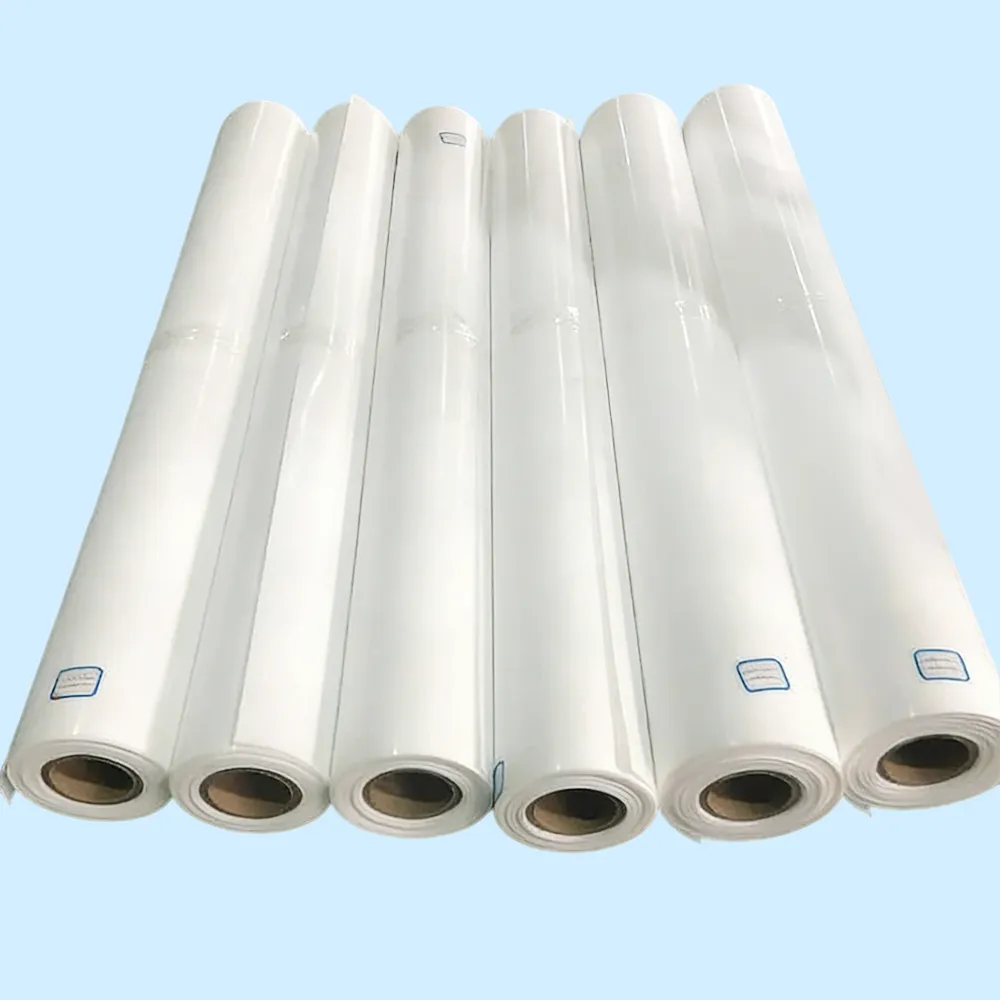
Understanding the Composition of PTFE Virgin Sheet
At its core, the PTFE virgin sheet is composed of polytetrafluoroethylene, a high–molecular‐weight polymer synthesized through the polymerization of tetrafluoroethylene monomers. Each repeating monomer unit consists of two carbon atoms, each bonded to two fluorine atoms, forming an exceptionally strong carbon–fluorine bond. This chemical backbone imparts PTFE with its celebrated chemical inertness and thermal stability. Unlike filled or modified PTFE products, virgin sheets contain no additives or reinforcements—resulting in a material that exhibits maximum purity and consistency in its properties.
Manufacturing of the PTFE virgin sheet typically involves either paste extrusion or ram extrusion processes. In paste extrusion, fine PTFE powder is compounded with a minimal amount of liquid lubricant to form a malleable paste, which is then extruded and sintered at high temperatures to remove the lubricant and fuse the polymer particles. Ram extrusion bypasses the lubricant stage but requires extremely high pressures to shape the polymer. After extrusion, sheets are calendared or milled to precise thicknesses, then sintered in controlled ovens to achieve the final microstructure. The result is a smooth, uniform PTFE virgin sheet available in a range of thicknesses from a fraction of a millimeter to several centimeters.
The intrinsic properties of the PTFE virgin sheet—high crystallinity, low coefficient of friction, excellent dielectric strength, and outstanding thermal resistance—stem directly from its chemical composition and processing. The random coiled polymer chains, held together by Van der Waals forces, allow for slight segmental motion while preventing chain slippage under load. Combined with near-zero moisture absorption and resistance to virtually all chemicals, the PTFE virgin sheet stands apart as a baseline material for demanding applications where uncompromised performance is essential.
Chemical Inertness: How PTFE Virgin Sheet Revolutionizes Industries
The hallmark of a PTFE virgin sheet lies in its extraordinary chemical inertness. Thanks to the robust carbon–fluorine bonds and shielding effect of fluorine atoms, PTFE exhibits near-zero chemical reactivity with acids, bases, solvents, and oxidizing agents. This inertness prevents material degradation, contamination, or catalytic side reactions—making PTFE virgin sheets ideal as liners, gaskets, seals, and protective barriers in aggressive chemical environments.
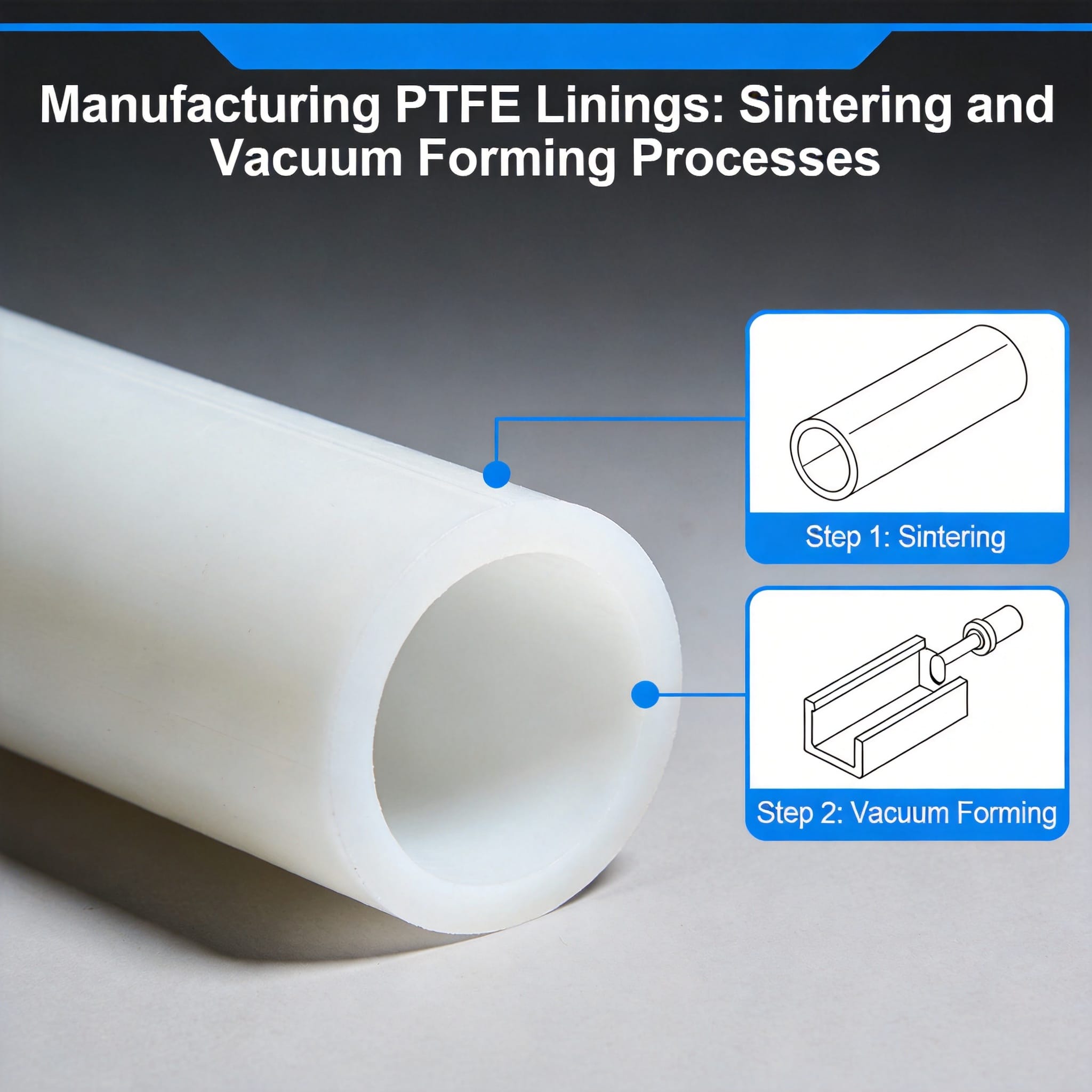
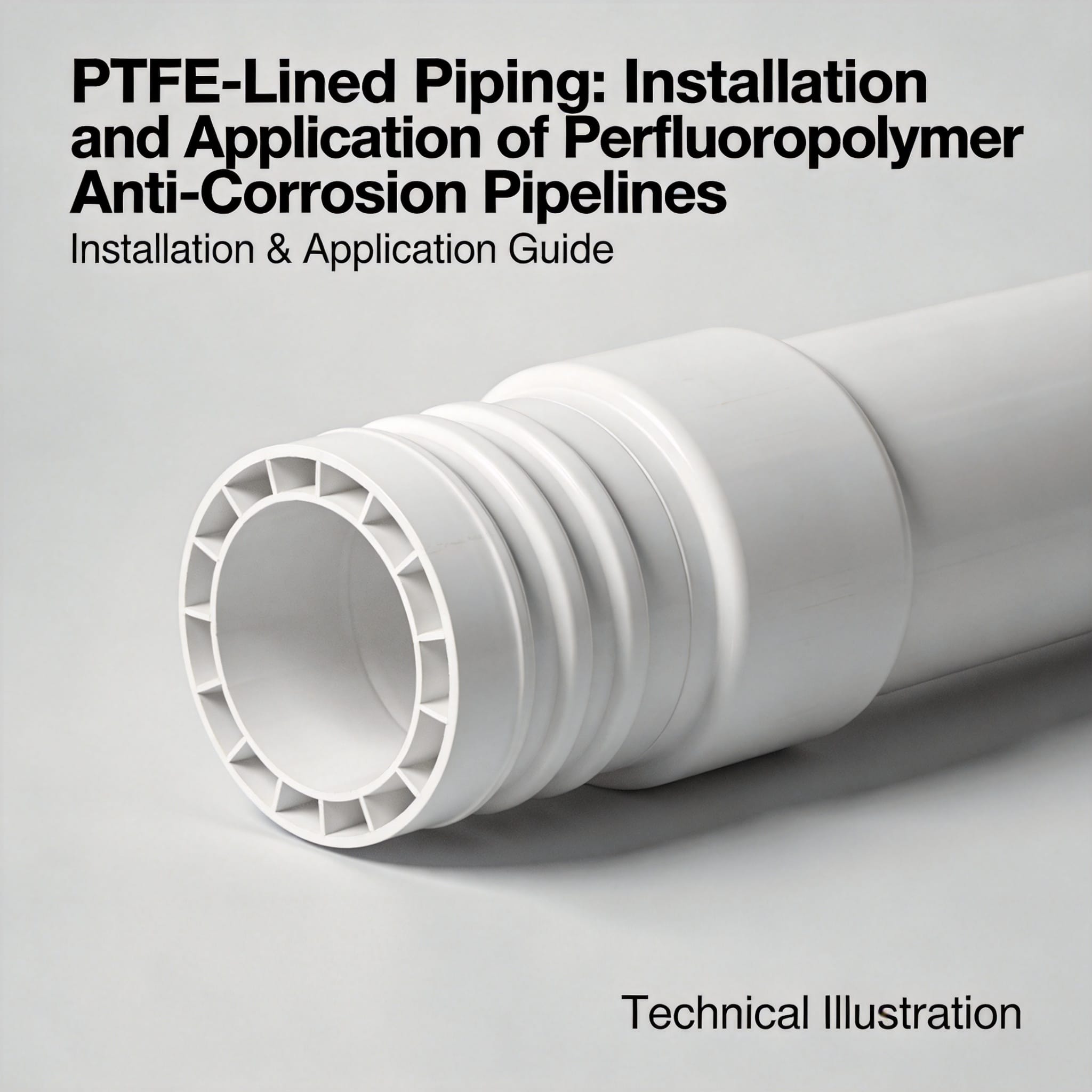
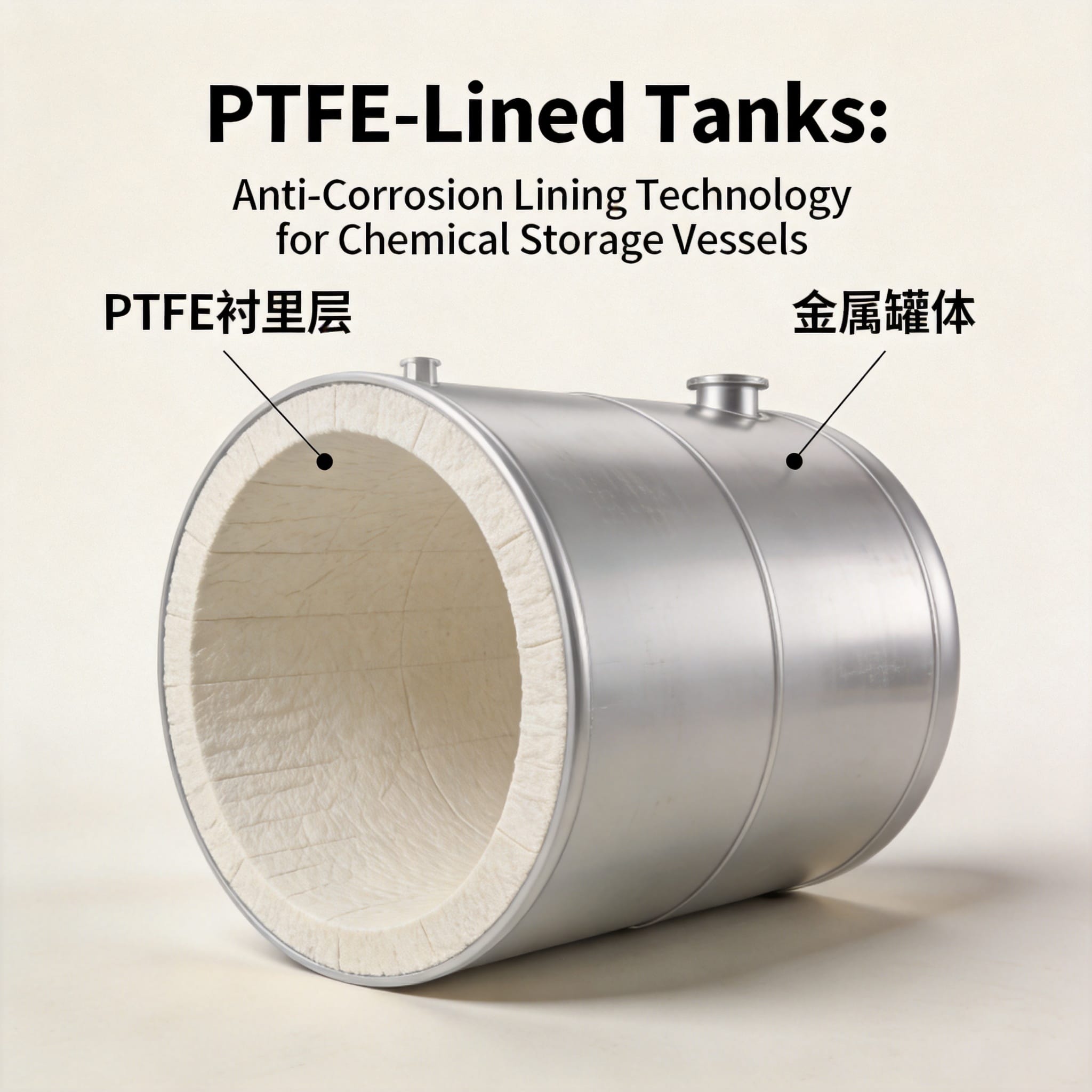
In the chemical processing industry, PTFE virgin sheets line reactors, tanks, and piping systems—ensuring long service life even when handling concentrated acids or corrosive solvents. Food and beverage manufacturers rely on PTFE virgin sheet liners in tanks and hoppers to avoid flavor contamination and facilitate clean-in-place procedures. Similarly, pharmaceutical production lines utilize PTFE sheets to maintain sterile, inert pathways for sensitive compounds, safeguarding product purity and patient safety.
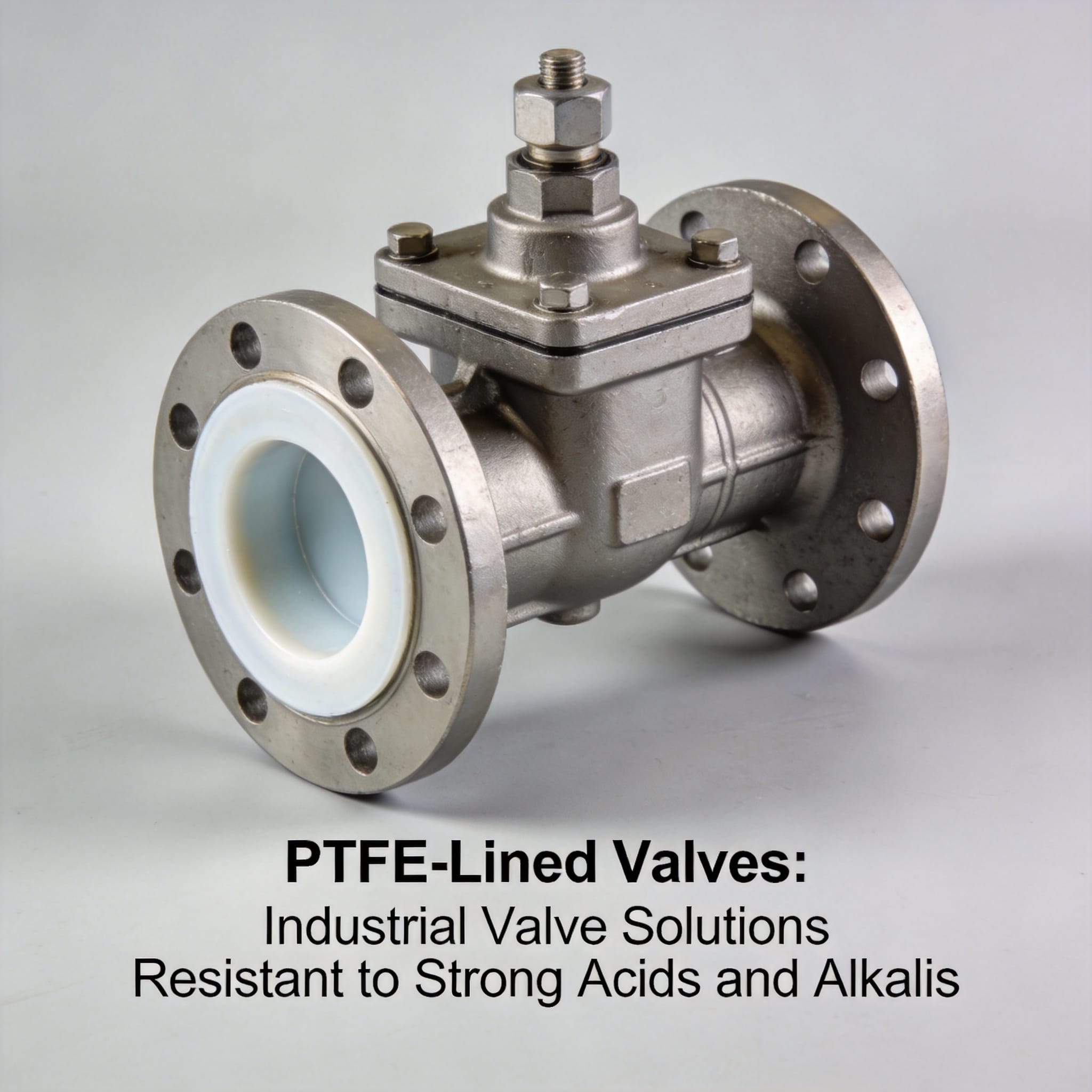
Beyond process industries, PTFE virgin sheets are also employed for industrial flooring and protective covers in laboratories, where spills of harsh chemicals are routine. Their non-stick nature simplifies cleanup, while resistance to staining and fouling preserves surface integrity over time. In mining and oil & gas, PTFE virgin sheets serve as reliable liners for valves and pumps, reducing maintenance frequency and preventing leakages. Across sectors, the unmatched chemical inertness of PTFE virgin sheet is catalyzing operational efficiencies, cost savings, and enhanced safety profiles.
Aerospace Applications: Enhancing Reliability with PTFE Virgin Sheet
In aerospace engineering, reliability under extreme conditions is paramount. The PTFE virgin sheet provides unmatched thermal stability, with a continuous service temperature range from -200 °C to +260 °C, making it suitable for cryogenic plumbing, engine components, and thermal insulation layers. Its low outgassing characteristics also align with stringent spacecraft requirements, ensuring minimal release of volatile compounds in vacuum environments.
PTFE virgin sheets are extensively utilized in sealing solutions—gaskets, O-rings, and flange packings—where they maintain leak-tight integrity despite rapid temperature cycling and exposure to aviation fuels, hydraulic fluids, and de-icing chemicals. The material’s low friction coefficient enhances the performance of actuators and moving assemblies, reducing wear and ensuring smooth operation over extended missions. In composite structures, PTFE sheets serve as release films during lay-up processes, enabling defect-free demolding and preserving surface finish.
Wire and cable insulation made from PTFE virgin sheets supports high-frequency signal transmission and withstands jet engine vibrations. Additionally, the material’s radiation resistance makes it suitable for satellite components subjected to cosmic radiation. With strict weight, performance, and safety demands, aerospace designers are increasingly embracing PTFE virgin sheet to optimize component longevity, reduce maintenance cycles, and push the boundaries of flight and space exploration.
Electronics Industry: PTFE Virgin Sheet’s Contribution to Advancements
The electronics industry has benefited immensely from the dielectric properties of the PTFE virgin sheet. With a low dielectric constant (~2.0) and minimal dissipation factor, PTFE provides superior insulation for high-frequency and high-speed signal applications. Circuit boards, microstrip lines, and RF substrates leverage PTFE sheets to achieve low-loss signal propagation, critical for 5G, satellite communications, and radar systems.
Beyond RF applications, PTFE virgin sheets serve as dielectric barriers in multilayer capacitor assemblies, supporting stable capacitance under varying temperature and humidity. Flexible printed circuits often incorporate thin PTFE sheets to enhance bend reliability and chemical resistance during manufacturing and end-use. In connector assemblies, PTFE liners prevent corrosion and maintain contact integrity even under harsh environmental exposure.
Semiconductor fabrication also benefits from PTFE virgin sheets in handling and transport fixtures. The material’s non-stick surface minimizes particle adherence, while its resistance to etchants and cleaning solvents ensures a contamination-free environment. PTFE liners in wafer carriers help maintain yield and reduce defect rates. As the demand for faster, smaller, and more reliable electronic devices escalates, the unique combination of electrical insulation, thermal endurance, and chemical stability offered by PTFE virgin sheet continues to drive innovation and performance gains throughout the sector.
Conclusion: Embracing the Future with PTFE Virgin Sheet
As industries evolve, the demanding requirements for materials that can withstand extreme temperatures, corrosive chemicals, and high-frequency electrical environments only intensify. The PTFE virgin sheet, with its unparalleled combination of chemical inertness, thermal stability, and dielectric strength, emerges as a foundational component in the next wave of technological breakthroughs. From aerospace to electronics and beyond, its role in enhancing reliability, safety, and performance is undeniable.
By understanding and leveraging the unique properties of PTFE virgin sheet, engineers and designers can unlock new possibilities—pushing the boundaries of what’s achievable in material science. As we look to the future, this remarkable polymer sheet will continue to underpin innovations that shape our world and drive progress across every sector.

 English
 Russian
 French
 Spanish