
In the bustling world of industrial applications, where reliability and durability are paramount, the PTFE ball valve emerges as a true game-changer. Imagine the cacophony of a busy manufacturing floor, where precision is key, and any failure can lead to costly downtime. Here, the PTFE ball valve stands out, shedding light on why it’s the preferred choice for engineers and technicians who refuse to compromise on quality and performance. Its astonishing resistance to chemicals and temperature extremes makes it an indispensable component, ensuring smooth operations in even the harshest environments.
Let’s take a deeper dive into this engineering marvel. Did you know that PTFE, commonly known as Teflon, provides unmatched non-stick properties and resilience? This enables PTFE ball valves to operate seamlessly across various industrial sectors, from chemical processing to oil and gas. With its ability to handle both corrosive and non-corrosive fluids, the PTFE ball valve has transformed industrial workflows, enhancing efficiency while minimizing risk. Join us as we unravel the superiority of PTFE ball valves, exploring their robust attributes and unyielding reliability that keep industries running smoothly and safely.

The Fundamentals of PTFE Ball Valves
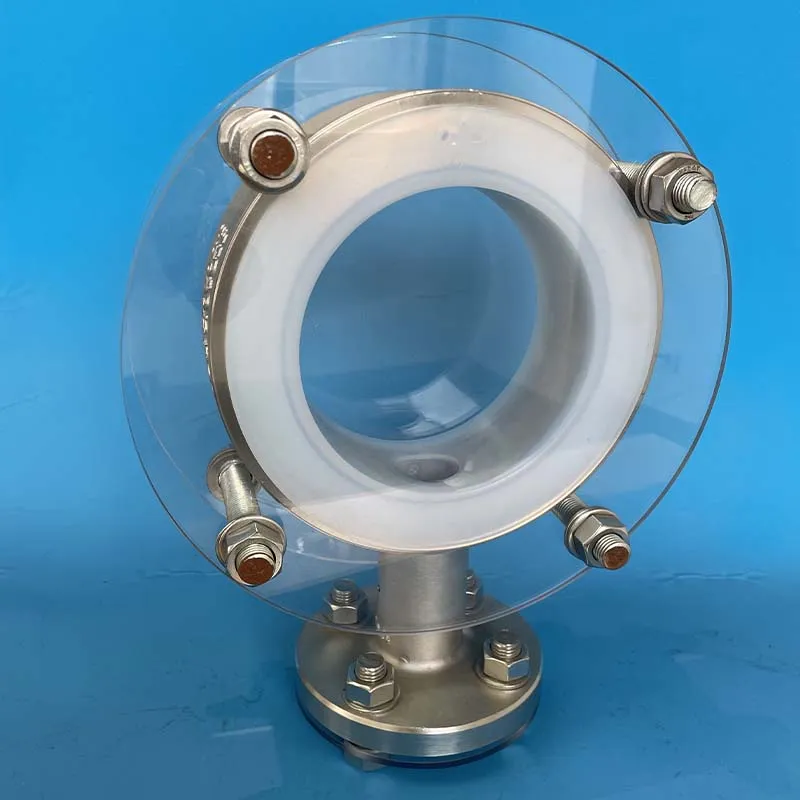
The core principle behind a PTFE ball valve lies in its simple yet highly effective design. At its heart is a spherical closure member—the ball—coated or seated with PTFE (polytetrafluoroethylene). This low-friction material not only ensures smooth operation but also offers superior chemical inertness, making the ptfe ball valve virtually immune to corrosion by aggressive media. Typically, the valve body is manufactured from stainless steel, carbon steel, or exotic alloys, depending on the application’s pressure, temperature, and chemical requirements. End connections vary from threaded and socket-weld to flanged designs, providing seamless integration into piping systems of any scale.
Unlike standard metal-to-metal seated ball valves, the PTFE ball valve features PTFE seats that conform tightly around the ball, creating a bubble-tight shutoff even under extreme conditions. The non-stick nature of PTFE reduces torque requirements, enabling actuation via manual handles, gear operators, or pneumatic and electric actuators with minimal power. Many manufacturers also offer fire-safe designs, whereby secondary seals ensure leak-proof performance in case of primary seat failure. Overall, the fundamental attributes—chemical compatibility, low friction, and reliable sealing—make the ptfe ball valve a staple across industries demanding high performance and longevity.
Temperature Extremes: How PTFE Ball Valves Excel
One of the most celebrated advantages of the PTFE ball valve is its exceptional temperature tolerance. Thanks to PTFE’s unique polymer structure, these valves maintain structural integrity and sealing performance from cryogenic lows of –200 °C up to continuous service temperatures of around 260 °C. This wide temperature range covers applications as diverse as liquefied natural gas (LNG) processing and high-temperature steam distribution. Even under thermal cycling, the non-adhesive nature of PTFE prevents freezing or galling of the ball and seats, ensuring uninterrupted operation.
In cryogenic services, for example, PTFE’s flexibility at extremely low temperatures safeguards against seat embrittlement—a common failure mode in all-metal valves. Conversely, at elevated temperatures, PTFE’s dimensional stability and resistance to thermal degradation preserve the tight seal essential for high-pressure steam and hot oil circuits. By combining robust materials and precise engineering tolerances, the PTFE ball valve offers unmatched reliability, cutting maintenance intervals, and reducing unplanned downtime in temperature-critical installations.
Applications Across Diverse Industrial Sectors
The adaptability of the PTFE ball valve makes it a top choice across a broad spectrum of industries. In chemical processing plants, these valves handle corrosive acids, alkalis, and solvents with ease, thanks to PTFE’s excellent chemical inertness. The pharmaceutical sector benefits from the valve’s non-contaminating properties, where purity is critical, and any leaching must be avoided. Food and beverage manufacturers rely on PTFE’s non-sticky surface to prevent product buildup, ensuring sanitary operations and easy cleaning in compliance with strict hygiene standards.
Water and wastewater treatment facilities also harness the PTFE ball valve for precise flow control of treated effluents, slurries, and polymer dosing systems. Even in semiconductor fabs—where ultrapure water and aggressive cleaning agents are routine—the valve’s leak-proof performance guarantees contamination-free processes. From paint and coating lines to pulp and paper mills, the PTFE ball valve’s combination of chemical resistance, low torque, and tight shutoff makes it indispensable wherever reliability and safety are non-negotiable.
PTFE Ball Valves in the Oil and Gas Industry
In the oil and gas sector, stringent regulations and harsh operating environments demand valves that can withstand sour gases, high pressures, and wide temperature fluctuations. The PTFE ball valve excels in upstream applications—such as wellhead control and sampling skids—where hydrogen sulfide and corrosive fluids pose serious challenges. PTFE seating ensures tight shutoff in critical modules, reducing the risk of leaks that could lead to safety incidents or environmental harm.
Midstream pipelines and compressor stations also leverage PTFE ball valves for isolation duties, pig launchers, and meters. The valves’ low-friction operation minimizes actuator sizing and energy consumption, while their fire-safe variants address emergency scenarios. Downstream refineries and petrochemical plants depend on these valves for handling hydrocarbon streams, LPG, and heavy oils. Overall, the PTFE ball valve’s robust design, chemical resilience, and temperature tolerance make it an integral component in every phase of hydrocarbon exploration, transport, and processing.
Conclusion: The Indispensable Role of PTFE Ball Valves
From foundational design principles to harsh temperature extremes and diverse industry applications, the PTFE ball valve stands out as an engineering marvel. Its chemical inertness, low-friction operation, and robust sealing performance translate into reduced maintenance costs and improved safety across countless industrial environments.
Whether safeguarding critical processes in chemical plants, ensuring purity in pharmaceuticals, or managing extreme conditions in oil and gas, PTFE ball valves deliver unparalleled reliability. Their versatility cements them as indispensable assets that keep modern industries running smoothly and efficiently.


 English
 Russian
 French
 Spanish