
Imagine constructing a complex machine, one that needs every part to perform flawlessly for optimal efficiency. Now, picture the seemingly small but mighty PTFE gasket, a crucial component that holds everything together by ensuring airtight seals and preventing leaks. While often overlooked, the specifications of a PTFE gasket can make the difference between a smoothly functioning system and a costly, malfunctioning nightmare. Understanding these specifications is not merely an exercise in technical knowledge—it’s a proactive approach to enhancing performance and averting potential issues.
This comprehensive guide demystifies the world of PTFE gasket specification, providing you with all the essential information to make informed decisions. Whether you’re a seasoned engineer or a curious beginner, understanding the nuances of PTFE gaskets will empower you to choose the right fit for your projects. From material composition to temperature resistance, delve into the specifics and enhance your grasp on this vital aspect of engineering. Get ready to uncover the secrets behind the PTFE gasket’s remarkable versatility and reliability.
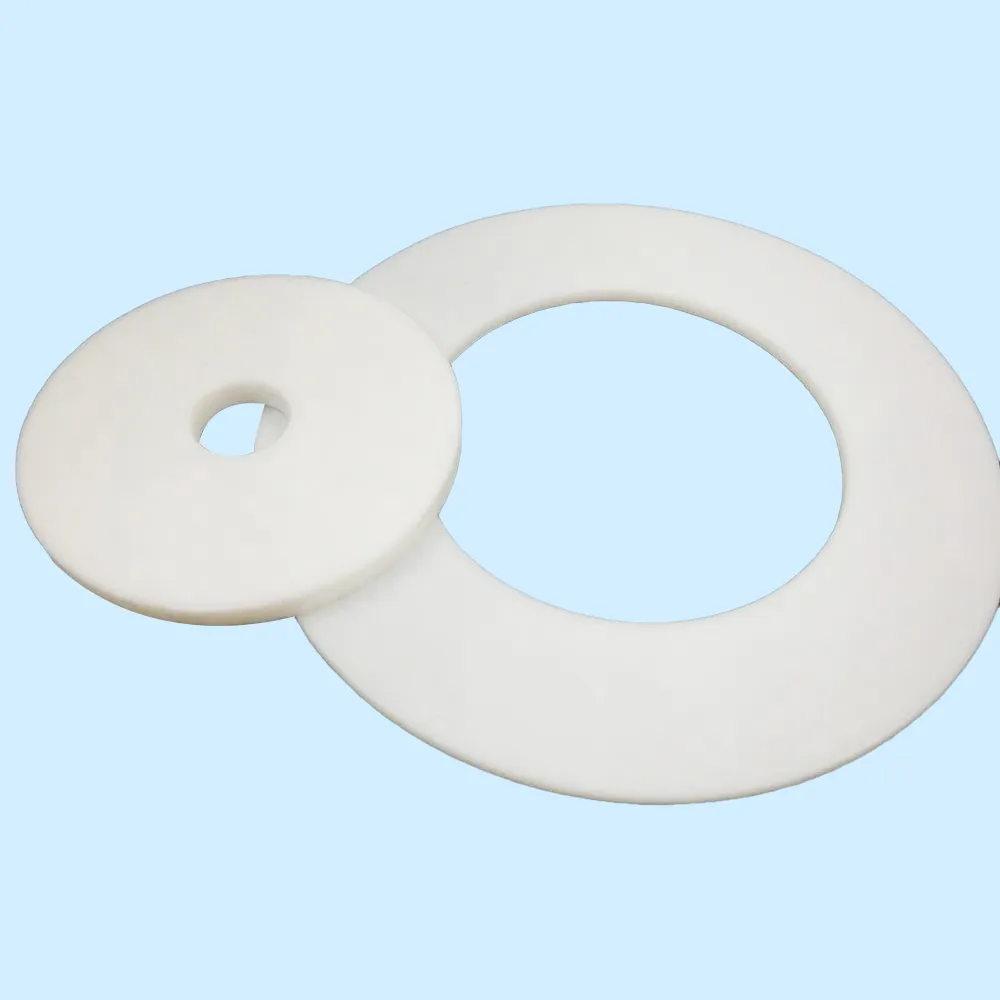
Importance of PTFE Gaskets in Machinery
PTFE gaskets play a pivotal role in modern machinery by providing reliable sealing under a wide range of operating conditions. Their unique molecular structure grants them exceptional chemical inertness, making them resistant to corrosive media such as acids, bases, and solvents. This resistance ensures minimal material degradation over time, which translates to fewer maintenance shutdowns and lower operational costs. When you specify a PTFE gasket for your equipment, you are choosing a component designed to maintain structural integrity in demanding environments.
Beyond chemical resistance, the excellent thermal stability of PTFE enables these gaskets to perform effectively in applications from cryogenic temperatures up to around 260°C (500°F). This broad temperature window helps engineers and maintenance teams avoid the pitfalls associated with thermal cycling—warping, hardening, or softening of sealing materials—which can lead to leakage and contamination. In industries like chemical processing, pharmaceuticals, and food & beverage, where purity and leak prevention are non-negotiable, the correct PTFE gasket specification can mean the difference between compliance and costly downtime.
Moreover, PTFE’s low coefficient of friction reduces the risk of galling and seizing between bolted flanges, which is particularly valuable in rotating equipment or assemblies subjected to vibration. This property also enhances ease of installation and removal, saving time during maintenance procedures. By understanding and applying the correct PTFE gasket specification, companies can maximize uptime, extend equipment life, and ensure safer operation across diverse industrial scenarios.
Виды прокладок из ПТФЭ
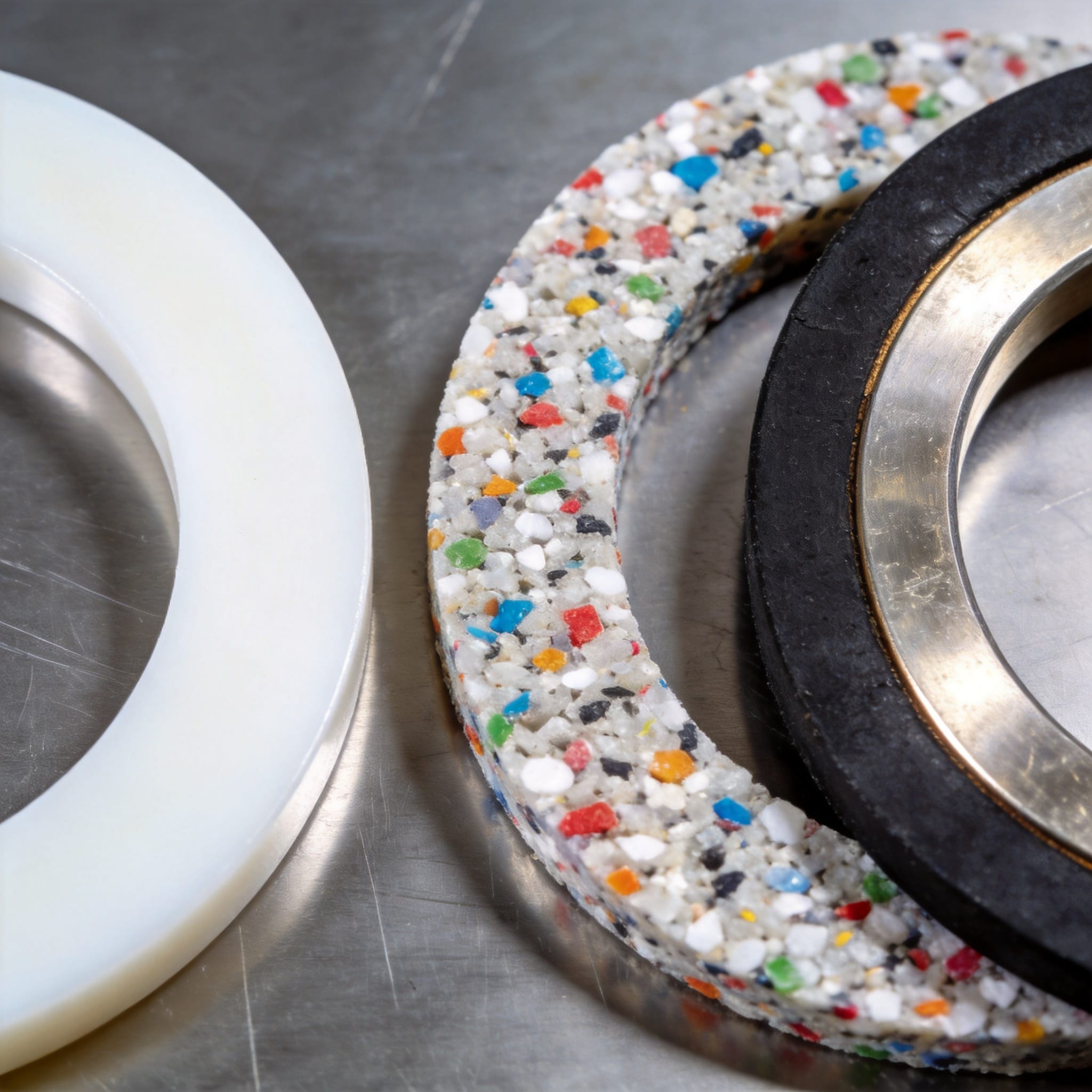
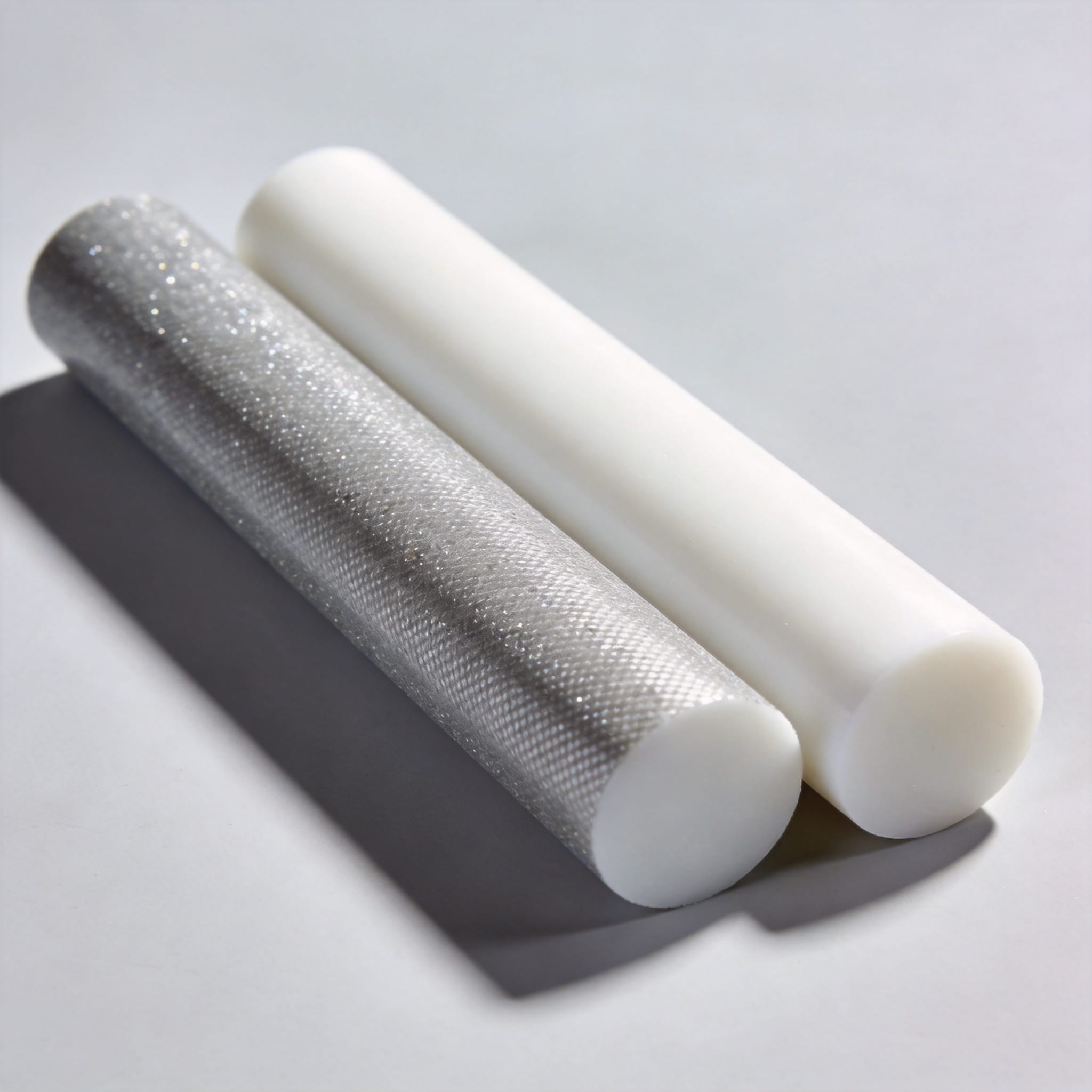
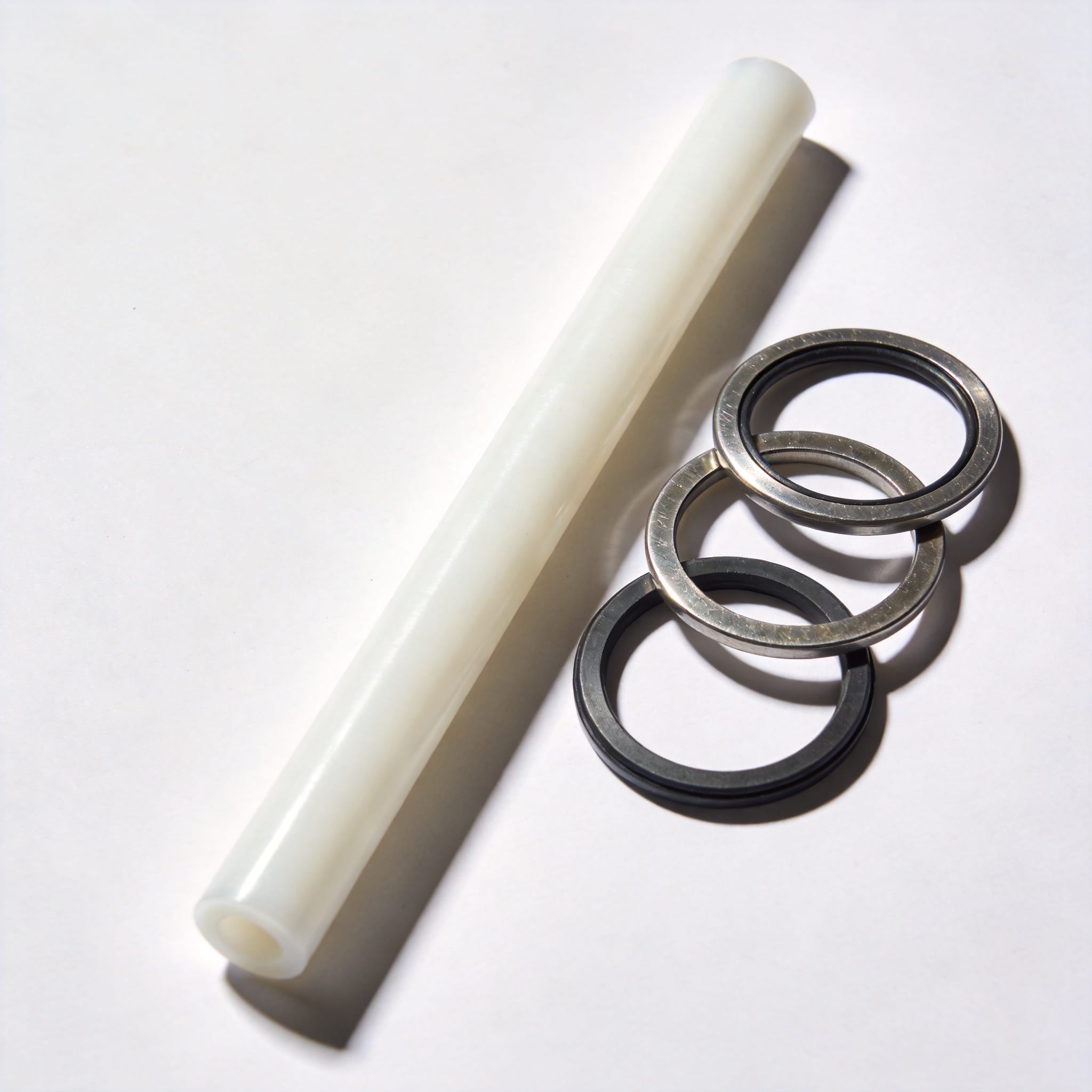
PTFE gaskets come in several variations, each engineered to address different performance criteria. Differences in construction, filler materials, and porosity influence characteristics like compressibility, strength, and chemical compatibility. A thorough grasp of these types ensures you select the best seal for your system’s unique demands.
Choosing between solid, filled, or expanded PTFE variants hinges on factors such as required tightness, flange surface finish, and operating environment. Below, we explore the most common types to help you pinpoint the ideal PTFE gasket specification for your machinery.
Temperature Resistance and Application Suitability
One of the standout attributes of PTFE is its extraordinary thermal stability, which spans from -200°C up to approximately 260°C. Such a broad range enables PTFE gaskets to seal effectively in both cryogenic and high-temperature processes. This level of heat resistance prevents gasket embrittlement or distortion, maintaining a tight seal under temperature fluctuations.
Selecting a PTFE gasket specification for a specific application requires assessing the peak and ambient operating temperatures, as well as potential thermal cycling conditions. Whether used in steam systems, chemical reactors, or refrigeration units, the chosen PTFE material and thickness must align with the thermal demands to optimize longevity and performance without compromising safety or efficiency.
Size and Thickness Specifications
Proper sizing and thickness are critical to achieving an effective seal and ensuring gasket longevity. Undersized gaskets may lead to incomplete sealing surfaces, while oversized gaskets can extrude under pressure, damaging both the gasket and the flange faces. Standard PTFE gasket thicknesses range from 1.5 mm to over 5 mm, with each increment affecting compressibility and bolt load requirements.
When determining PTFE gasket specification for your application, consider flange dimensions, surface finish, and operating pressure. Flanges with rough surfaces may require thicker gaskets to fill imperfections, whereas smoother flanges can use thinner variants to minimize bolt tension. Additionally, match gasket outer and inner diameters to flange I.D. and O.D. tolerances to prevent material overhang or channeling of process media.
Consult industry standards such as ASME B16.20 and DIN 2690 for guidance on dimensional tolerances and recommended flange classes. By adhering to these specifications and collaborating with gasket manufacturers, you can fine-tune the thickness and diameter to balance compressibility, torque requirements, and resilience under load, ensuring a consistently reliable seal.
Conclusion: Optimizing Performance with Proper PTFE Gasket Specification
Choosing the right PTFE gasket specification is essential for machinery reliability and safety. From chemical resistance to thermal stability and precise sizing, each factor plays a vital role in sealing performance and equipment longevity.
By understanding the various types, temperature capabilities, and dimensional requirements, engineers can make informed decisions that minimize downtime and enhance operational efficiency. Invest in accurate specifications today to secure leak-proof performance tomorrow.

 English
 Russian
 French
 Spanish