
PTFE Tube Temperature Range at a Glance
Standard PTFE tubing typically supports continuous operating temperatures up to 260°C (500°F), while the actual temperature rating depends on the tube grade, wall thickness, pressure, diameter, and application conditions.
For high-temperature applications, PTFE tubing is widely selected because it combines excellent thermal resistance with outstanding chemical resistance and low friction. Some PTFE tubing products can operate across a very broad range, from cryogenic temperatures to approximately 260°C (500°F).
Need PTFE tubing for a specific temperature, pressure, or size? Contact Chunhuan for a customized recommendation and quotation.
PTFE (Polytetrafluoroethylene) tubing is the most common tubing used in the high temperature applications. Its characteristics of high temperature stability and chemical resistance have made it an essential material in a wide range of applications across the globe. We have listed down some of the top grade PTFE tubes used for the high temperature applications along with their features, benefits and reasons for choosing them for your requirements.
Recommended PTFE Tube Temperature Range
| Parameter | Typical PTFE Tubing Performance |
|---|---|
| Maximum continuous temperature | 260°C / 500°F |
| Minimum operating temperature | Approximately -200°C or lower, depending on grade |
| High-temperature capability | Up to 260°C / 500°F |
| Chemical resistance | Excellent |
| Friction | Very low |
| Electrical insulation | Excellent |
| Pressure rating | Depends on ID, OD, wall thickness and temperature |
| Material options | Virgin PTFE, filled PTFE, modified PTFE |
PTFE (Teflon) is a synthetic fluoropolymer of tetrafluoroethylene. It has several unique properties that have led to a wide range of applications in high temperature conditions:
Heat Resistance PTFE has a temperature resistance level of up to 260°C (500°F). PTFE is often used in applications that experience prolonged heat exposure.
- Chemical Inertness PTFE has high resistance to most chemicals, including acids and bases.
- Low Friction: The coefficient of friction of PTFE is one of the lowest for any solid.
- PTFE has non-stick surface and that is the reason that it is used in the form of non-stick coating for cookware.

Key Specifications of High-Temperature PTFE Tubing
When choosing PTFE tubing for high-temperature applications, several specifications must be considered:
PTFE Heat Resistance
PTFE tubing has a high temperature range, but you should refer to the temperature limits of the tubing itself. The thermal limit of standard PTFE tubing is approximately 260°C (500°F), which is higher than most other plastics. High-temp PTFE tubing is recommended for applications where the tubing must withstand extreme heat.
PTFE Maximum Temperature
If you are looking for industrial PTFE tubes, you might like to know the PTFE maximum temperature. PTFE materials have a broad range of applicability in terms of temperature and are often considered to be thermal stable.
PTFE Heat Tolerance
When choosing materials for a tube, it is also important to look at the PTFE heat tolerance. Heat tolerance is a measure of the range of temperatures over which a material will remain intact and functional. Many materials have relatively low heat tolerance and this should be taken into account when choosing materials. However, PTFE has a high heat tolerance, and is a popular choice for PTFE tubes for many applications.
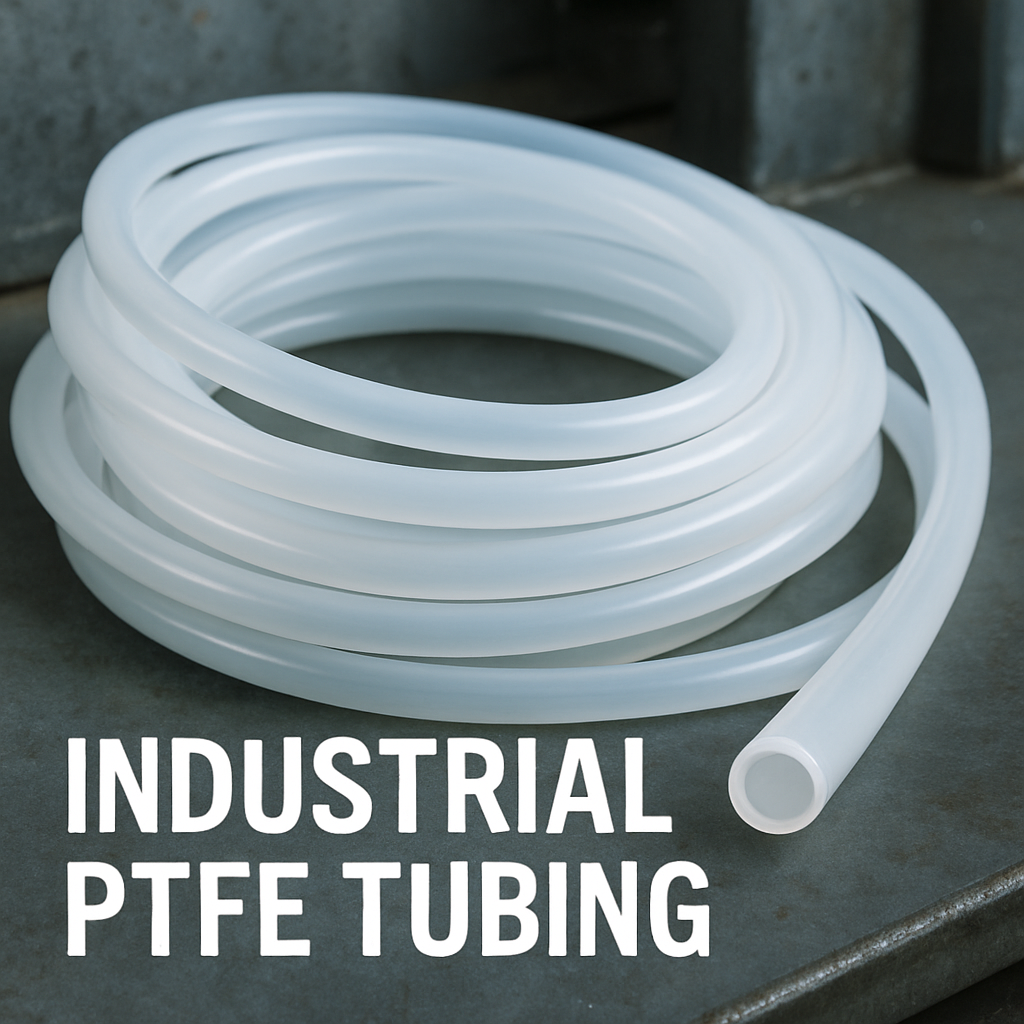
What Is the Maximum Temperature of PTFE Tubing?
The commonly referenced maximum continuous operating temperature for standard PTFE tubing is approximately 260°C (500°F). However, this does not mean every PTFE tube can safely operate at 260°C under every pressure condition.
The actual working temperature depends on tube dimensions, wall thickness, pressure, material grade, and application environment.
For example, manufacturer specifications for PTFE tubing commonly list maximum recommended operating temperatures around 260°C (500°F).
Best PTFE Tubing for High-Temperature Applications
We have a variety of PTFE tube products available for high temperature applications. Have a look at these products.
1. Teflon PTFE Tubing
Teflon PTFE tubing is one of the most popular tubing materials. It has a variety of advantages, such as a good mechanical property and high temperature resistance. PTFE tubing is widely used in the field of electrical insulation, chemical processing and other severe service applications.
2. Flexible PTFE Tubing
Flexible PTFE tubing is used in applications where flexibility of the tubing is required. Dynamic applications where the product is in constant motion are ideal for using flexible PTFE tubing. Flexible PTFE tubing retains all of the high temperature and chemical resistance properties of solid Rigid PTFE, but now offers flexibility.
3. Heavy-Duty PTFE Tubing
Heavy-duty PTFE tubing is used when a heavier wall is required for higher pressure or higher temperature. Often used in industrial applications where reliability is of the upmost importance.
4. Microbore PTFE Tubing
Excellent product for a wide range of applications requiring high precision. Examples include medical and electronics applications. Our microbore PTFE tubing is commonly used at high temperatures and is available in smaller diameters to accommodate the most precise applications.
Why Choose PTFE for High-Temperature Applications?
When considering tubing products that will withstand very high temperatures PTFE tubing is a good option to consider. Here are a few key reasons.
Versatility
PTFE tubing is a very versatile product and is used across a wide range of applications and markets. From Aerospace to Food Processing and many points in between. We can supply PTFE tubing in a wide range of sizes, wall thicknesses and lengths.
Safety
Non-reactive PTFE does not release harmful substances, even at high temperatures.
Long Lifespan
PTFE tubing is often a longer lasting material and for good reason. It is highly resistant to chemicals and very durable.
Tips for Selecting the Right PTFE Tubing
When selecting PTFE tubing for your application, consider the following tips:
Understand Your Temperature Requirements
Ensure that the temperature rating of the PTFE tubing is rated higher than the maximum temperature of the application.
Consider Chemical Compatibility
Check the compatibility of the PTFE tube with any potential chemicals that it may be in contact with.
Evaluate Flexibility Needs
Choose flexible PTFE tubing if your application involves movement or bending.
Assess Pressure Requirements
High pressure applications demand high pressure PTFE tubing, which is heavier gauge than what is required for lower
PTFE vs FEP vs PFA: Which Tube Is Better for High Temperature?
| Property | PTFE | FEP | PFA |
|---|---|---|---|
| High-temperature capability | Excellent | Excellent | Excellent |
| Chemical resistance | Excellent | Excellent | Excellent |
| Flexibility | Good | Very good | Good |
| Transparency | Limited | Excellent | Excellent |
| Typical max continuous temp | ~260°C | ~200°C | ~260°C |
| High-purity applications | Excellent | Good | Excellent |
PTFE Tube Temperature FAQ
1. What is the temperature range of PTFE tubing?
PTFE tubing typically operates from -200°C to 260°C (-328°F to 500°F), depending on the grade and application.
2. What is the maximum temperature of PTFE tubing?
The typical maximum continuous temperature for PTFE tubing is 260°C (500°F). Actual performance depends on pressure, tube size, and material grade.
3. Can PTFE tubing withstand 260°C?
Yes. PTFE tubing can withstand continuous temperatures up to 260°C (500°F) under suitable operating conditions.
4. What is the temperature rating of PTFE tubing?
The typical PTFE tubing temperature rating is -200°C to 260°C. Check the manufacturer’s specifications for your specific application.
5. Is PTFE tubing suitable for high temperatures?
Yes. High-temperature PTFE tubing offers excellent heat and chemical resistance, making it suitable for industrial, chemical, laboratory, and electrical applications.
6. What is the difference between PTFE and Teflon?
PTFE is the generic name for polytetrafluoroethylene, while Teflon is a trademarked brand name for certain fluoropolymer products.
Conclusion
PTFE tubing is a common material used in many high temperature applications. PTFE tubing is used extensively in industry, for chemical processing, and other high temperature applications. It is very important to understand the properties and applications of PTFE tubing so you can determine whether it is a suitable material for your needs.
Incorrectly specified PTFE tube can significantly reduce a system’s performance, safety, and lifespan. PTFE tubing is an excellent material choice for many high temperature applications.


 English
 Russian
 French
 Spanish