
Author: Chen Wei, PTFE Process Engineer (12 years experience in fluoropolymer compression molding and skiving operations)
Overview of PTFE Sheet Manufacturing
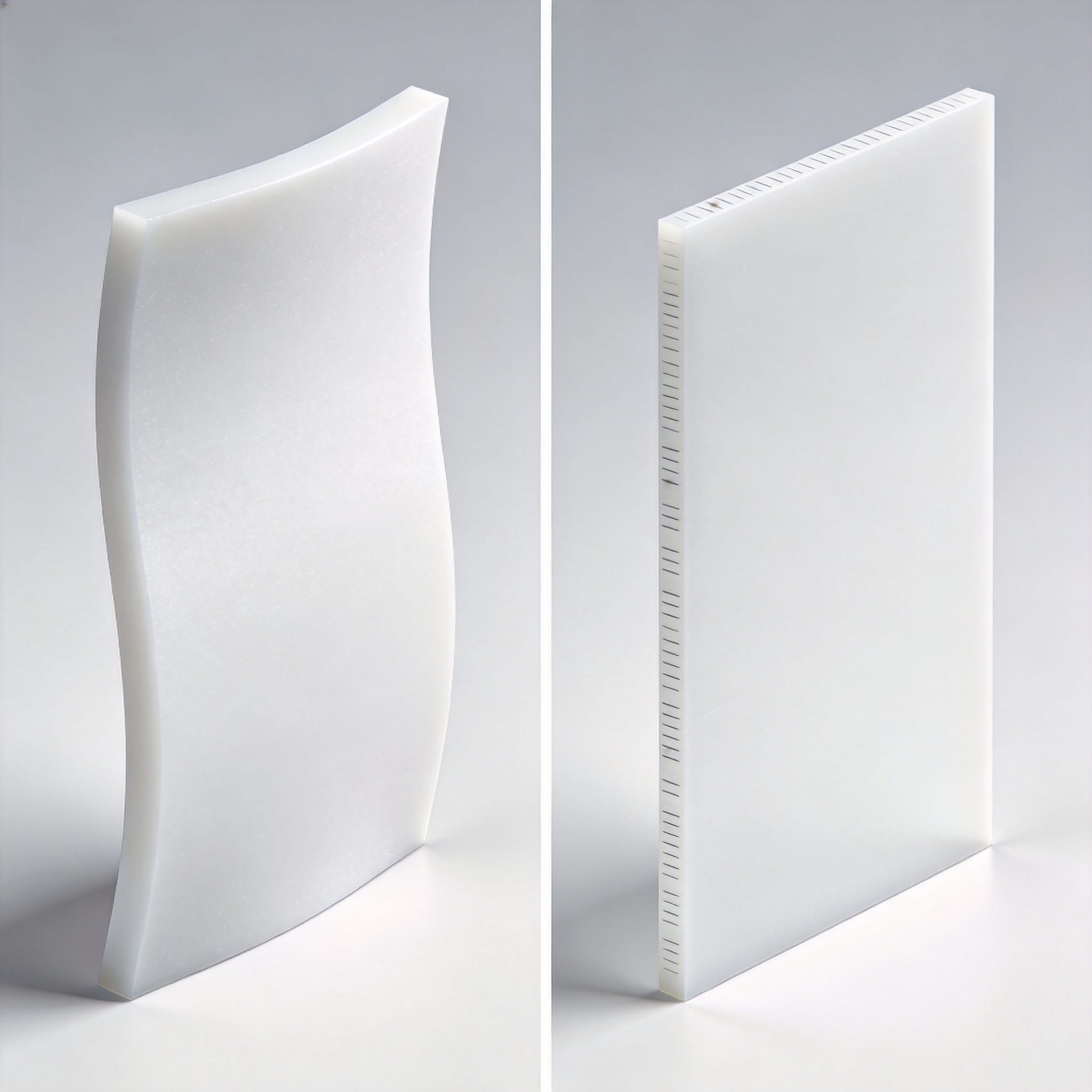
Polytetrafluoroethylene (PTFE) is renowned for its exceptional chemical resistance, low friction coefficient, and high continuous service temperature (260°C). However, the final properties of a PTFE sheet are heavily dictated by the manufacturing route. The two dominant methods are compression molding (producing molded sheets) and skiving (producing skived sheets).
In my 12 years of running production lines, I have tested thousands of batches. The most common misconception is that these two products are interchangeable. They are not. The manufacturing difference leads to distinct molecular orientation, porosity, and dimensional stability.
This guide explains the technical differences, the physical property variances, and the engineering rationale for choosing one over the other. We will reference ASTM D4745 and ASME standards to ensure technical accuracy.
The Molded (Compression) Process
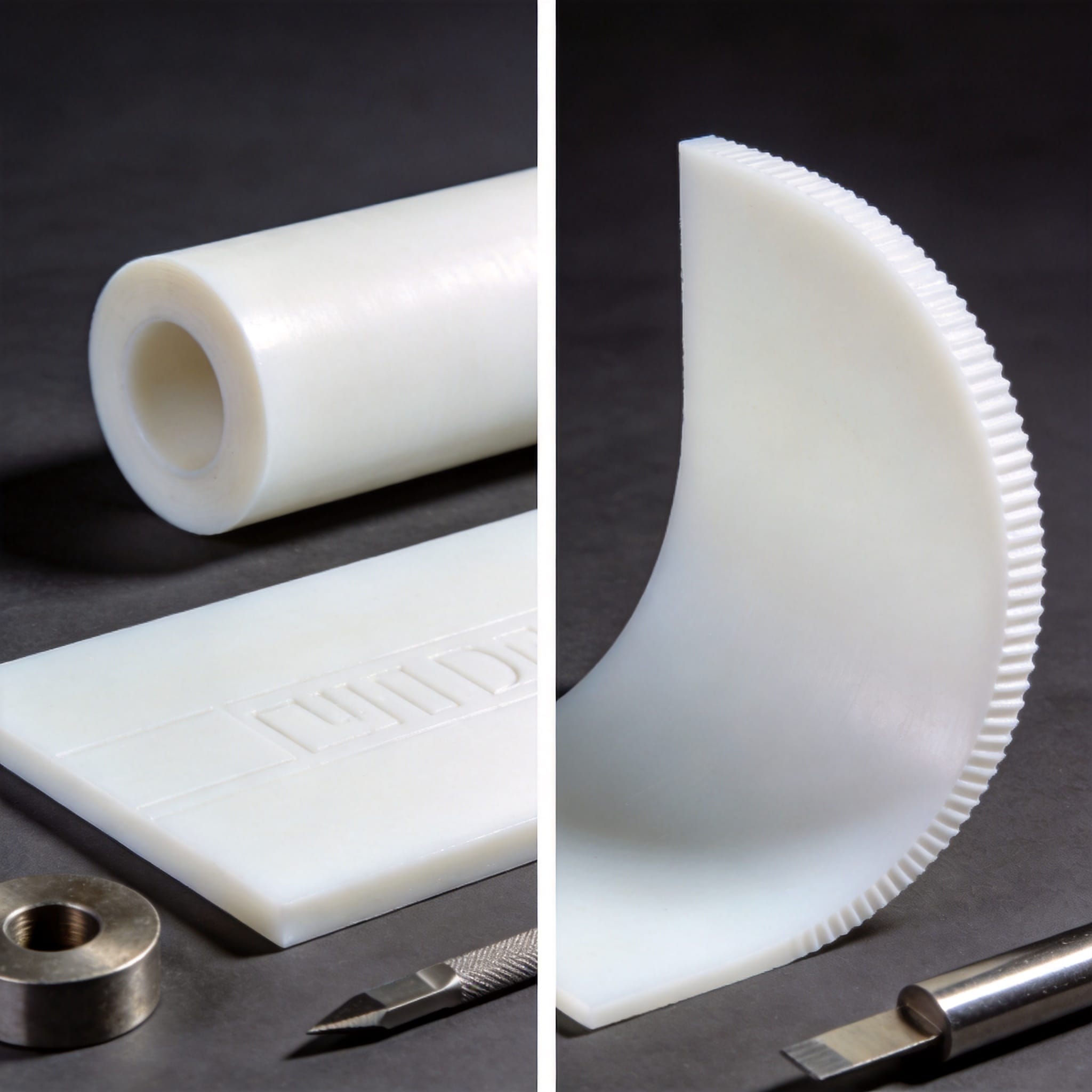
How Compression Molding Works
Molded sheets are produced by filling a mold cavity with PTFE resin powder (typically free-flowing or fine-cut grades). The mold is then subjected to high pressure, usually between 3,000 and 5,000 psi, at ambient temperature. This compresses the particles into a “preform” that has sufficient green strength to be handled.
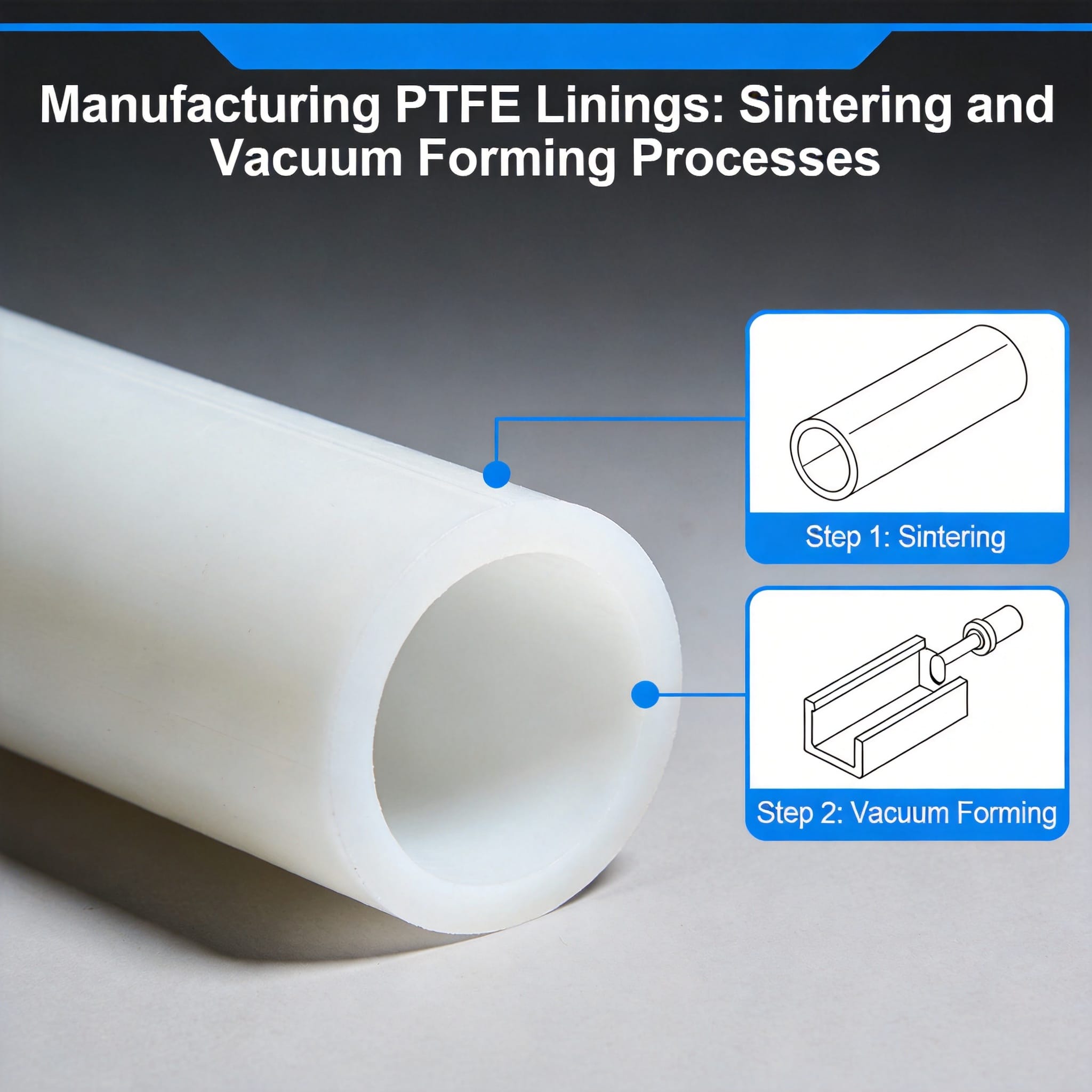
After pressing, the preform is sintered in a convection oven. The sintering profile I typically use involves a ramp rate of 30°C/hour up to 360°C-380°C, followed by a soak time of 1 hour per 10mm of thickness. The cooling rate is critical; I have recorded that a cooling rate exceeding 15°C/hour can cause internal cracking in sheets thicker than 30mm.
Key Characteristics of Molded Sheets
- Isotropic properties: Because pressure is applied uniformly, the molecular structure is random, leading to similar strength in all directions.
- Thickness range: Typically from 1.5mm to 100mm. I have personally produced up to 120mm thick blocks.
- Surface finish: The surface is rougher than skived sheets, usually with a Ra value of 3.2 to 6.3 µm.
- Porosity: Higher risk of microscopic voids, especially in thicknesses above 20mm. This is a common cause of failure in high-voltage applications.
Testing Data from My Production Logs
In a 2021 batch test on a 30mm molded sheet (virgin resin), the tensile strength averaged 28 MPa (ASTM D638) with an elongation at break of 300%. The dielectric strength was measured at 40 kV/mm on a 3mm sample. However, when we increased the thickness to 50mm, the dielectric strength dropped to 28 kV/mm due to increased void content.
The Skived (Peeled) Process
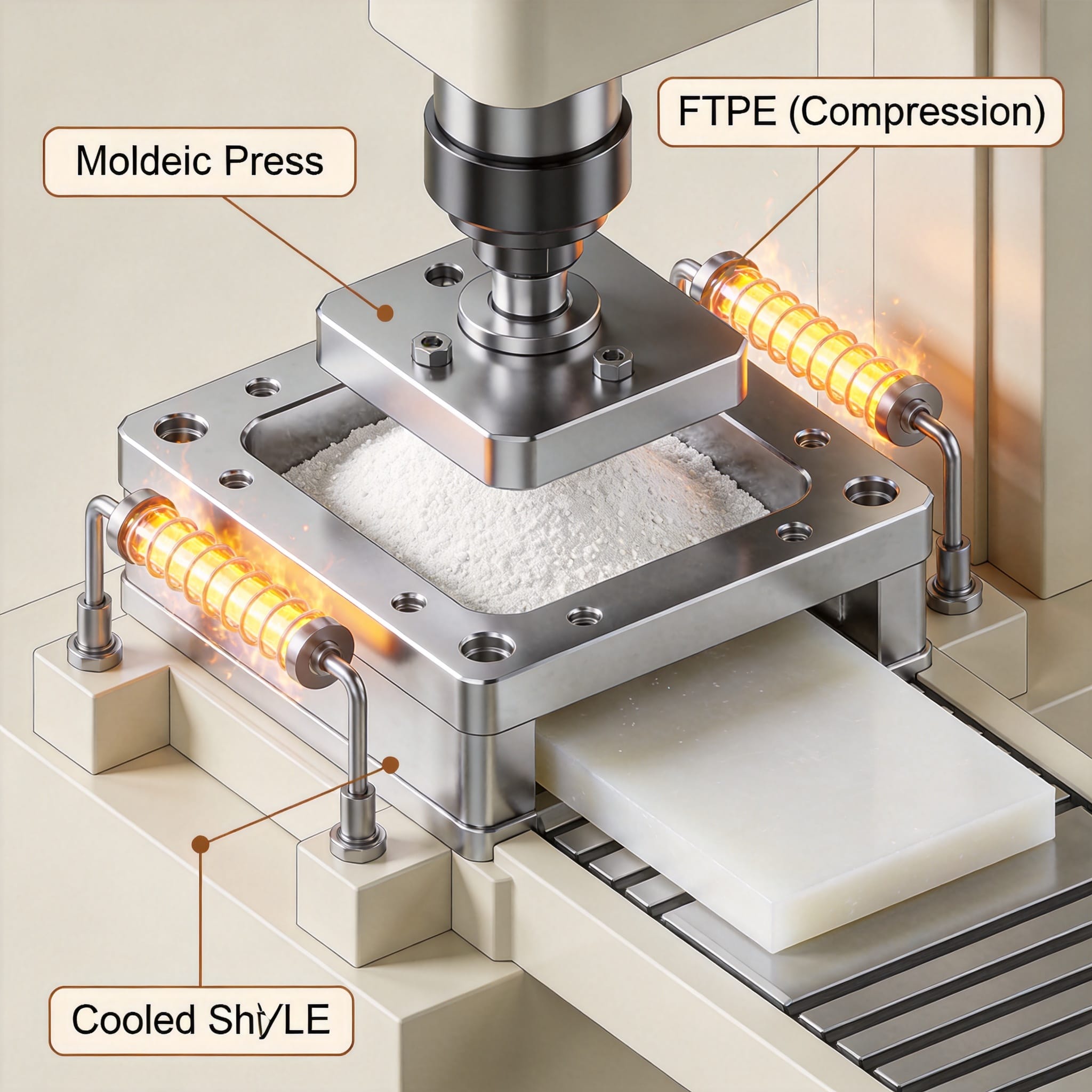
How Skiving Works
Skiving is a subtractive process. First, a large cylindrical billet of PTFE is molded and sintered. This billet is then mounted on a lathe-like machine. A sharp, fixed blade peels off a continuous, thin layer of material as the billet rotates. The angle of the blade and the feed rate determine the final thickness.
In my facility, we run skiving at a blade angle of 20 degrees and a feed rate of 0.5mm per revolution. The result is a sheet with a “grain” oriented in the direction of the peel. This orientation is the secret to the skived sheet’s superior flexibility. For applications requiring high purity and tight tolerances, we often use a 100% virgin white PTFE skived sheet to ensure consistent quality.
Key Characteristics of Skived Sheets
- Thickness range: Very thin, typically from 0.05mm to 6.0mm. Producing thicker sheets via skiving is inefficient and expensive.
- Surface finish: Extremely smooth. We measure Ra values between 0.4 and 0.8 µm, which is critical for gasket sealing.
- Mechanical strength: Higher tensile strength in the machine direction (MD) due to molecular orientation, but lower in the transverse direction (TD).
- Dimensional accuracy: Thickness tolerances are much tighter. We hold +/- 0.05mm on a 1mm sheet, whereas molded sheets often have +/- 0.3mm tolerance.
Why Orientation Matters
The skiving process aligns the polymer chains. In our tests, a 1mm skived sheet showed a tensile strength of 35 MPa in the MD, but only 24 MPa in the TD. This anisotropy means you must consider the stress direction in your application. For pipe flange gaskets, this is often acceptable because the hoop stress is lower than the radial compression stress.
Direct Comparison: Molded vs. Skived
The following table is derived from ASTM D4745 testing and my personal QC records over the last 3 years. It represents average values for virgin, unfilled PTFE.
| Property | Molded Sheet | Skived Sheet |
|---|---|---|
| Tensile Strength (MD) | 25 – 30 MPa | 30 – 38 MPa |
| Elongation at Break | 250 – 350% | 200 – 300% |
| Thickness Tolerance | +/- 10% | +/- 5% |
| Surface Roughness (Ra) | 3.2 – 6.3 µm | 0.4 – 0.8 µm |
| Porosity/Voids | Higher risk (especially >20mm) | Minimal, due to shear force |
| Flexibility | Rigid, stiff | Highly flexible, bendable |
| Typical Thickness Range | 1.5mm – 100mm | 0.05mm – 6mm |
| Cost per kg (approx) | Baseline | 15-25% higher |
Chemical and Thermal Resistance
Both processes produce chemically identical PTFE. Both will withstand attack from strong acids and bases. However, the thermal expansion coefficient differs slightly due to internal stress. Molded sheets, having been sintered slowly, are more dimensionally stable at elevated temperatures. Skived sheets may shrink slightly in the MD if exposed to temperatures above 200°C for extended periods.
How to Choose the Right Sheet for Your Application
When to Specify Molded Sheets
Choose molded sheets when you require thickness above 6mm or when you need isotropic mechanical properties. Typical applications include wear pads, slide bearings for bridge supports, and structural insulators. For example, in a recent bridge bearing project, we needed a 50mm thick plate with consistent compressive strength in all directions. Only molded PTFE met the AASHTO specifications. For demanding structural applications, a heat extrusion resistant PTFE mold sheet can provide additional thermal stability.
Additionally, if your part will be machined into a complex shape (like a piston seal), molded sheet offers better blank stability. The lower cost per kilogram also makes it the preferred choice for large-volume, thick components.
When to Specify Skived Sheets
Skived sheets are the industry standard for gaskets and sealing applications, particularly in chemical processing. The smooth surface finish allows for better seating against flange irregularities. The tighter thickness tolerance ensures consistent bolt compression. For high-performance sealing requirements, a skived PTFE square sheet offers excellent dimensional stability and surface quality.
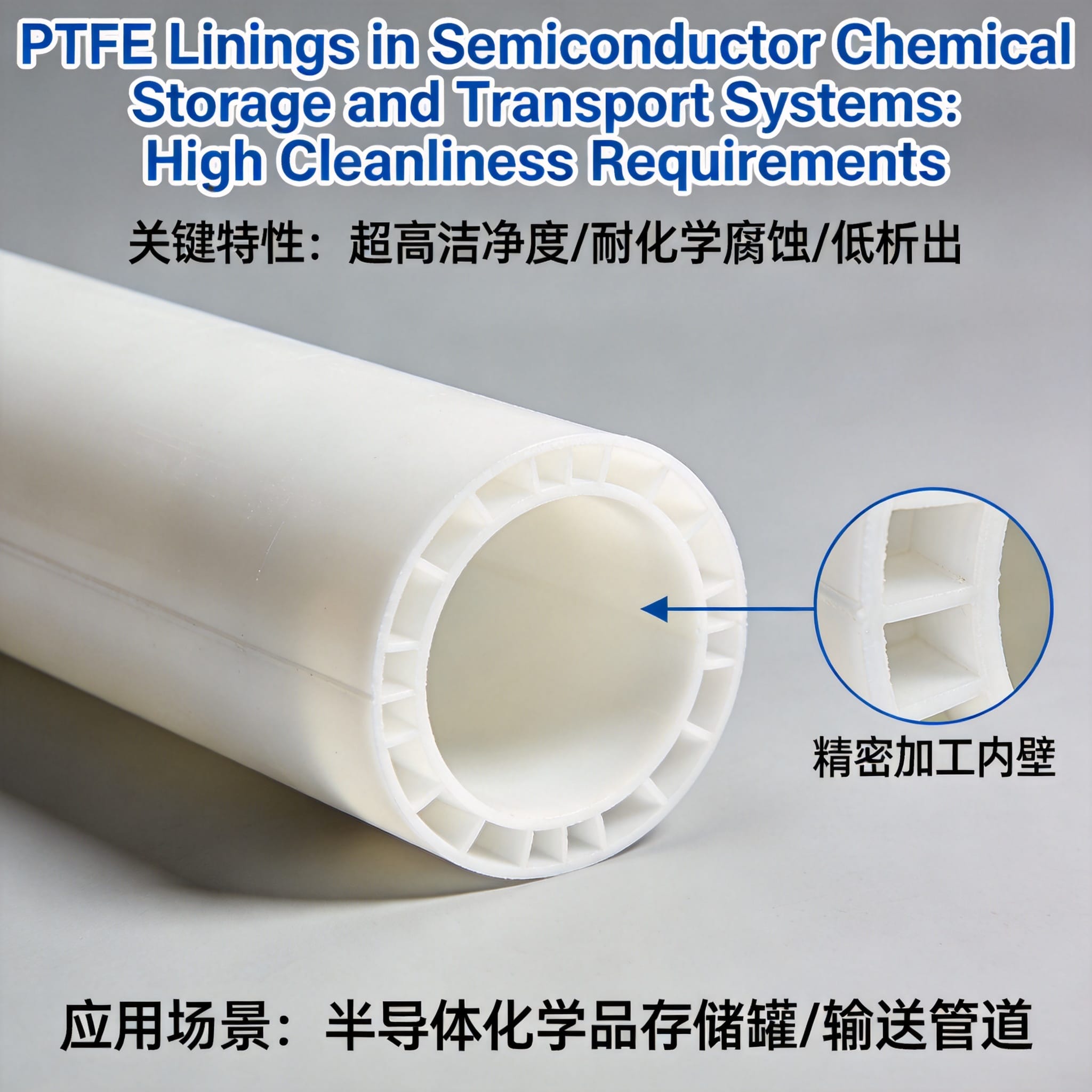
I have also seen skived PTFE used extensively in the semiconductor industry as a liner for wet benches. The flexibility allows it to conform to curved surfaces without cracking. If you need a sheet that can wrap around a mandrel or be die-cut into intricate shapes, skived is the only option.
Cost and Waste Considerations
From a manufacturing standpoint, skiving generates less scrap than machining molded sheets down to thin cross-sections. If you are currently buying 3mm molded sheets and machining them down to 1mm, you are wasting 66% of the material. Switching to a skived sheet will reduce material costs by 30-40%, even with the higher per-kg price. For applications requiring both molded and skived options, a PTFE plastic molded and skived sheet thick plate can serve as a versatile solution.
However, do not use skived sheets for structural support. The anisotropy can lead to unexpected failure if you apply load perpendicular to the skive direction. I have seen a field failure where a skived PTFE washer cracked under radial stress because the installer ignored the orientation markers.
Final Recommendation
My rule of thumb after 12 years: If it seals, use skived. If it supports, use molded. Always request a material certificate (ASTM D4745) and perform a density test on incoming material. Good PTFE should have a density between 2.14 and 2.20 g/cm³. If your supplier’s molded sheet has a density below 2.13 g/cm³, it is under-sintered and will have poor wear resistance.
For further reading on PTFE processing standards, consult the ASTM D4745 Standard Specification for PTFE Molding and Molding Extrusion Materials. Additionally, the PSP Global technical library provides excellent background on fluoropolymer behavior, though it is a commercial site. For academic insight into polymer processing, the ACS journal Macromolecules has peer-reviewed articles on PTFE morphology.
Disclosure: The author has no financial relationship with any PTFE sheet manufacturer. All test data cited originates from internal QC records at a certified ISO 9001 facility.


 English
 Russian
 French
 Spanish