
what is slick sheet ptfe thickness
When it comes to high-performance materials, PTFE, or Polytetrafluoroethylene, stands out due to its exceptional properties. Commonly known by the brand name Teflon, PTFE is renowned for its non-stick, heat-resistant, and low-friction characteristics. In this article, we will explore the concept of slick sheet PTFE thickness, its importance, and its various applications.

PTFE sheets are used in a variety of industries due to their unique properties. These sheets are versatile and can be used in applications ranging from industrial machinery to household kitchenware. But what exactly makes Láminas de PTFE so special?
Propiedades clave del PTFE
- Non-Stick Surface: PTFE is famous for its non-stick nature. This property makes it ideal for use in cookware and other applications where sticking is a concern.
- Resistencia química: PTFE is highly resistant to chemicals, making it suitable for environments where it may come into contact with aggressive substances.
- Resistencia a la temperatura: PTFE can withstand a wide range of temperatures, from very low to very high, without degrading.
- Low Friction: The low friction coefficient of PTFE makes it perfect for use in applications where smooth sliding is required.
- Electrical Insulation: PTFE is an excellent electrical insulator, making it useful in electronic applications.
The Importance of PTFE Sheet Thickness

When selecting a Lámina de PTFE for a specific application, thickness is a critical factor to consider. The thickness of a PTFE sheet can influence its performance, durability, and suitability for a particular use.
Factors Influenced by PTFE Sheet Thickness
- Durability and Strength: Thicker Láminas de PTFE generally offer more durability and strength. They are less likely to tear or wear out quickly, which is essential for applications that involve heavy use.
- Flexibility: Thinner sheets are more flexible and can conform to different shapes. This flexibility is beneficial in applications that require the material to wrap or fit into tight spaces.
- Weight: The thickness of the Lámina de PTFE can impact its weight. Thicker sheets will be heavier, which might be a consideration for applications where weight is a factor.
- Cost: Generally, thicker Láminas de PTFE are more expensive due to the additional material used. It’s important to balance the need for thickness with budget constraints.
Common PTFE Sheet Thicknesses
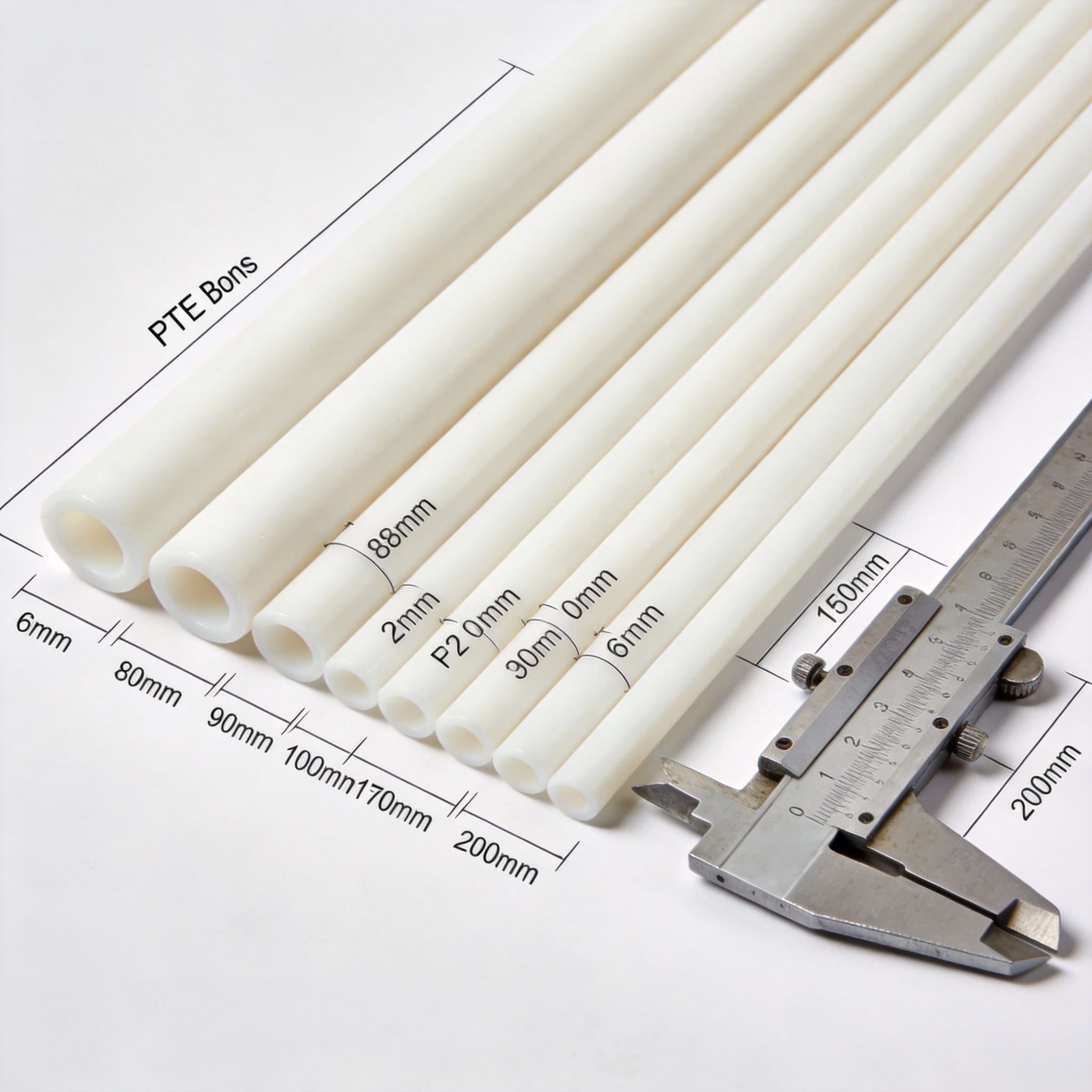
Láminas de PTFE come in various thicknesses to suit different needs. Here are some common thickness ranges:
Thin PTFE Sheets
Thin Láminas de PTFE, typically ranging from 0.05mm to 1mm, are highly flexible and lightweight. They are often used in applications where tight spaces or intricate shapes are involved. These sheets are perfect for wrapping, lining, or as gaskets and seals.
Medium Thickness PTFE Sheets
Medio thickness PTFE sheets, usually between 1mm and 3mm, offer a balance between flexibility and durability. They are used in applications requiring moderate strength and are suitable for industries like automotive and electronics.
Thick PTFE Sheets
Thick PTFE sheets, which are 3mm and above, provide maximum strength and durability. These sheets are ideal for heavy-duty applications, such as industrial machinery, where high wear resistance is necessary.
Applications of Slick Sheet PTFE

by Rubaitul Azad (https://unsplash.com/@rubaitulazad)
The unique properties of PTFE make it suitable for a wide range of applications across various industries. Here are some notable examples:
Aplicaciones industriales
In the industrial sector, PTFE sheets are used as liners and gaskets in chemical processing equipment due to their chemical resistance. They also serve as slide bearings and seals in machinery, benefiting from their low friction and wear resistance.
Aplicaciones eléctricas
PTFE’s excellent insulation properties make it ideal for use in electrical applications. It is used in cable insulation, connectors, and circuit boards to protect components from electrical interference.
Food Industry
In the food industry, PTFE sheets are used in conveyor belts and food processing equipment due to their non-stick and easy-to-clean nature. They ensure that food products do not stick to surfaces, maintaining hygiene and efficiency.
Medical Sector
PTFE is used in the medical field for its biocompatibility and non-reactive nature. It is found in medical implants, catheters, and other devices where body compatibility and minimal friction are required.
Choosing the Right PTFE Sheet Thickness
Selecting the appropriate Lámina de PTFE thickness depends on the specific requirements of your application. Consider the following factors:
- Application Requirements: Assess the conditions the Lámina de PTFE will be exposed to, such as temperature, pressure, and chemical exposure.
- Mechanical Stress: Determine the level of mechanical stress the sheet will experience and choose a thickness that can withstand it.
- Flexibility Needs: Consider whether the sheet needs to be flexible or rigid for the application.
- Budget Constraints: Balance the need for a specific thickness with budget limitations.
Conclusión
Understanding slick sheet PTFE thickness and its significance is crucial for selecting the right material for your needs. Whether you are in the industrial, electrical, food, or medical field, PTFE’s unique properties make it a valuable choice. By considering factors such as durability, flexibility, and cost, you can choose the perfect PTFE sheet thickness for your application, ensuring optimal performance and longevity.

 English
 Russian
 French
 Spanish