
Imagine investing in sophisticated machinery, only to watch it underperform due to a simple, overlooked component: the gasket. This small piece holds the key to preventing costly leaks, ensuring safety, and maintaining the integrity of your equipment. In the world of gaskets, the battle between PTFE vs silicone gaskets is ongoing, each offering unique benefits that cater to specific applications. But how do you determine which one is the right seal for your needs?
In this blog post, we delve into the nuanced differences between PTFE and silicone gaskets, shedding light on their distinct properties and performance metrics. Whether you’re dealing with extreme temperatures, corrosive materials, or require unmatched flexibility, understanding these materials can dramatically impact the longevity and reliability of your systems. Embrace the right seal, and you’ll not only enhance your equipment’s efficiency but also safeguard your investments from potential pitfalls. Let’s explore which gasket material is your best ally in achieving optimal performance.

Chemical Resistance and Compatibility
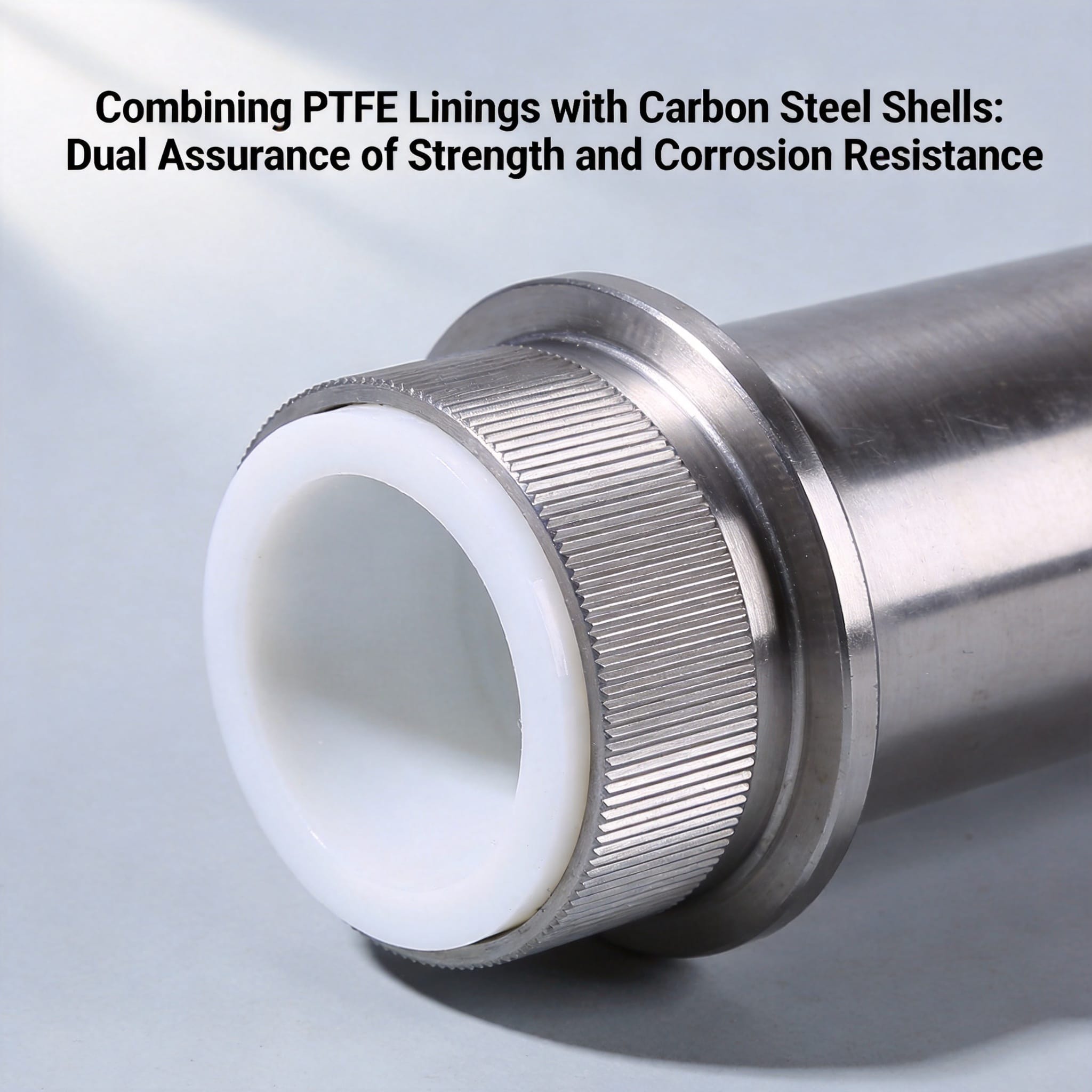
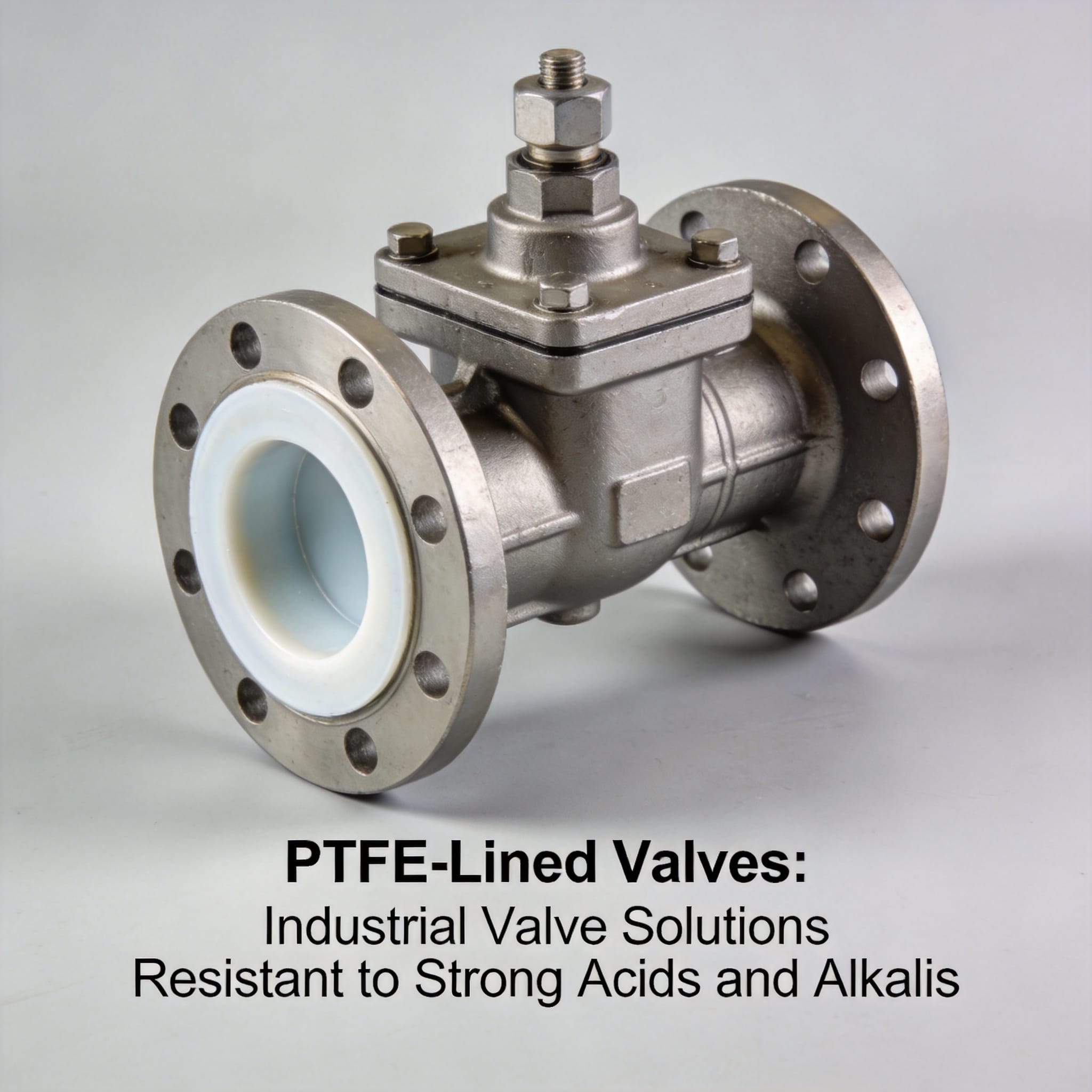
When choosing between a PTFE vs silicone gasket, chemical resistance is often the foremost consideration. PTFE (polytetrafluoroethylene) is renowned for its exceptional inertness—it resists virtually all acids, bases, and solvents. This makes PTFE gaskets ideal for chemical processing equipment, pharmaceutical reactors, and laboratory apparatus where aggressive media can degrade lesser materials. Its molecular stability ensures that even in the presence of harsh reagents like hydrofluoric acid or concentrated alkalis, PTFE maintains its integrity and does not swell or degrade over time.
Silicone gaskets, while offering admirable resistance to many common chemicals, generally fall short of PTFE’s broad-spectrum compatibility. They perform well with water-based solutions, mild acids, and alkalis, and even some hydrocarbons, but prolonged exposure to strong ketones or aromatic solvents can cause swelling or embrittlement. In food and beverage or medical applications where cleaning agents and sanitizers are regularly used, silicone’s compliance with FDA regulations is an advantage—but its chemical suitability must be validated against the specific fluids in question. Ultimately, matching gasket material to the process media is critical, and a careful assessment of chemical compatibility charts will guide you toward the right choice in the PTFE vs silicone gasket debate.
Temperature Tolerance and Stability
Temperature extremes challenge gasket materials to maintain sealing performance without hardening, softening, or losing resilience. In the PTFE vs silicone gasket comparison, PTFE boasts a remarkable operating range from –200°C up to about 260°C. This wide window allows PTFE gaskets to function reliably in cryogenic systems, steam pipelines, and high-temperature ovens. Its low coefficient of thermal expansion also means that dimensional changes are minimal under temperature swings, preserving gasket compression and preventing leaks.
Silicone gaskets exhibit excellent flexibility and resilience across a moderately wide span—typically from –60°C to around 200°C. They remain pliable at subzero conditions and retain their elastomeric properties under heat, making them popular in HVAC systems, automotive engine compartments, and cooking appliances. However, extended exposure above 180°C can lead to a gradual loss of elasticity and accelerated aging. In applications involving continuous high-heat cycling, PTFE’s superior thermal stability often gives it an edge. On the other hand, for moderate temperature ranges where superior flexibility and compression set resistance are paramount, silicone gaskets are often the material of choice.
Application Specifics: Industrial Use
Industrial settings demand gaskets that withstand harsh environments, high pressures, and dynamic loads. In chemical plants, petrochemical refineries, and power generation facilities, the choice between a PTFE vs silicone gasket often comes down to operating conditions and regulatory requirements. PTFE gaskets excel in situations involving corrosive fluids, steam, and elevated pressures. Their non-stick nature also reduces the risk of material build-up, simplifying maintenance and ensuring consistent seal integrity over long service intervals.
Silicone gaskets shine in applications where vibration damping, shock absorption, and compliance with food-grade or medical standards are needed. In pharmaceutical manufacturing, for instance, their biocompatibility and resistance to sterilization processes make silicone seals indispensable. Likewise, in water treatment and HVAC, silicone’s flexibility compensates for flange misalignments and thermal expansion, reducing bolt loads and simplifying installation. When selecting a gasket for your industrial machinery, factor in not only the fluid and temperature profiles but also mechanical stresses, maintenance cycles, and industry certifications to decide between PTFE vs silicone gasket materials.
Environmental Impact and Sustainability
As sustainability becomes a cornerstone of industrial decision-making, the environmental footprint of gasket materials deserves scrutiny. PTFE, derived from fluoropolymers, has raised concerns related to its production process and end-of-life disposal. While PTFE gaskets offer exceptional longevity—reducing the frequency of replacements and resource consumption—their recycling options are limited, and incineration can release harmful byproducts if not properly controlled.
Silicone, by contrast, often boasts a more favorable eco-profile. Its manufacturing process typically consumes less energy, and silicone rubber can be recycled into lower-grade applications or repurposed as filler materials. Additionally, silicone’s inherent stability reduces the need for frequent gasket changes, decreasing waste generation. For companies striving to meet green certifications or reduce carbon footprints, the trade-off between PTFE’s performance advantages and silicone’s more sustainable lifecycle is a key consideration when weighing ptfe vs silicone gasket options in an environmentally responsible strategy.
Conclusion: Choosing the Ideal Gasket for Your Machinery
Selecting between a PTFE vs silicone gasket ultimately hinges on balancing performance requirements, operating conditions, and sustainability goals. PTFE offers unparalleled chemical resistance and thermal stability, ideal for demanding industrial processes, while silicone delivers flexibility, compliance with food- and medical-grade standards, and a lighter environmental footprint.
By carefully evaluating your system’s specific needs—temperature range, media compatibility, mechanical stresses, and corporate sustainability targets—you can choose the gasket material that maximizes equipment reliability and minimizes lifecycle costs. In doing so, you’ll ensure your machinery runs smoothly, safely, and in harmony with environmental stewardship.

 English
 Russian
 French
 Spanish