
Short answer: Maintenance for PTFE lined equipment centers on four routines: periodic visual inspection of liners (especially at flanges and welds), torque checks on lined-pipe bolting after thermal cycles, spark testing of vessel linings at defined intervals, and disciplined re-torque/tightening practice that avoids overtightening — PTFE’s cold flow means gaskets and liners relax, not wear out.
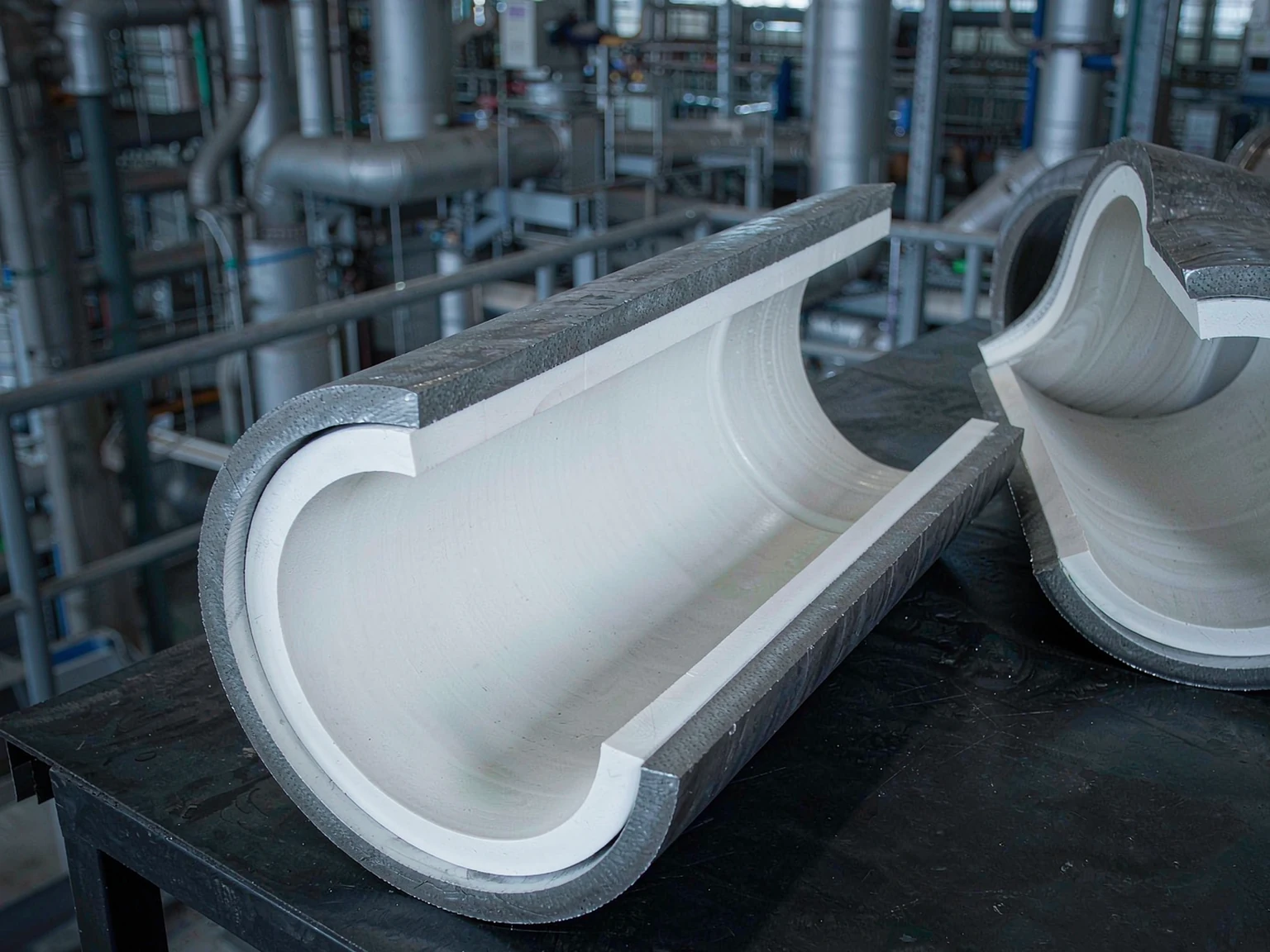
Lined equipment fails predictably: at seams, at flange faces, and at points where mechanical stress concentrated. A maintenance plan that targets those three locations catches 90% of issues before they become leaks.
Routine 1: Visual Inspection
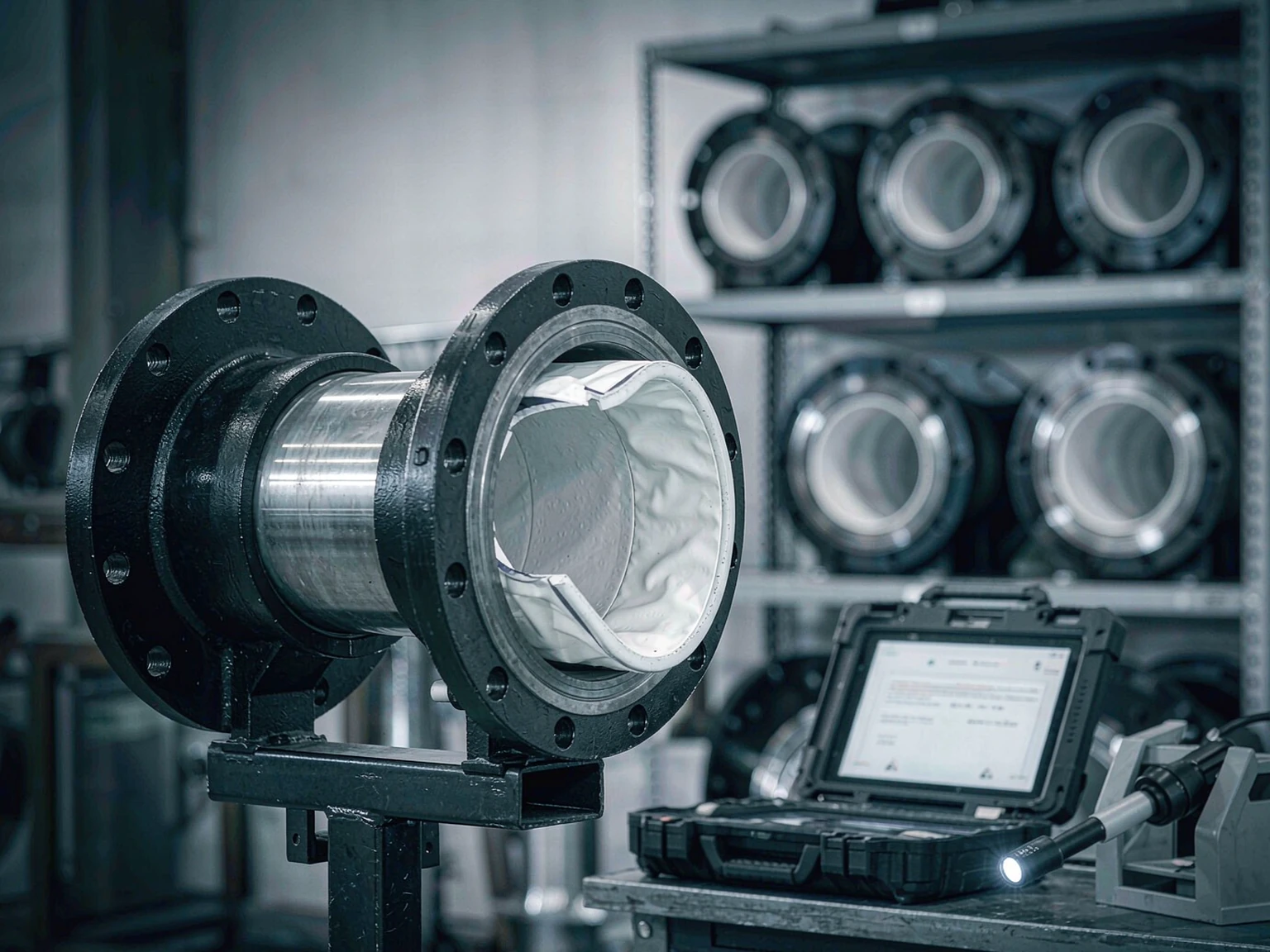
At every planned shutdown, inspect liner surfaces for blistering, discoloration (a permeation symptom), and deformation at anchors. Flange-face liners deserve the closest look — this is where mechanical damage during assembly shows up.
Routine 2: Bolting and Re-Torque
PTFE creeps under bolt load, so lined-pipe joints lose torque over the first thermal cycles. Best practice: torque to spec at installation, re-check after first heat-up/cool-down cycle, and re-check annually. Use a torque wrench and a written sequence — overtightening a PTFE gasket crushes it and shortens its life rather than sealing better.
Routine 3: Spark Testing for Vessels
For lined tanks and reactors, schedule spark testing at intervals set by your corrosion engineer — commonly annually or at every major overhaul. Keep records per vessel; a trend of rising leak current at a seam predicts failure before it happens.
Routine 4: Replacement Discipline
| Signal | Action |
|---|---|
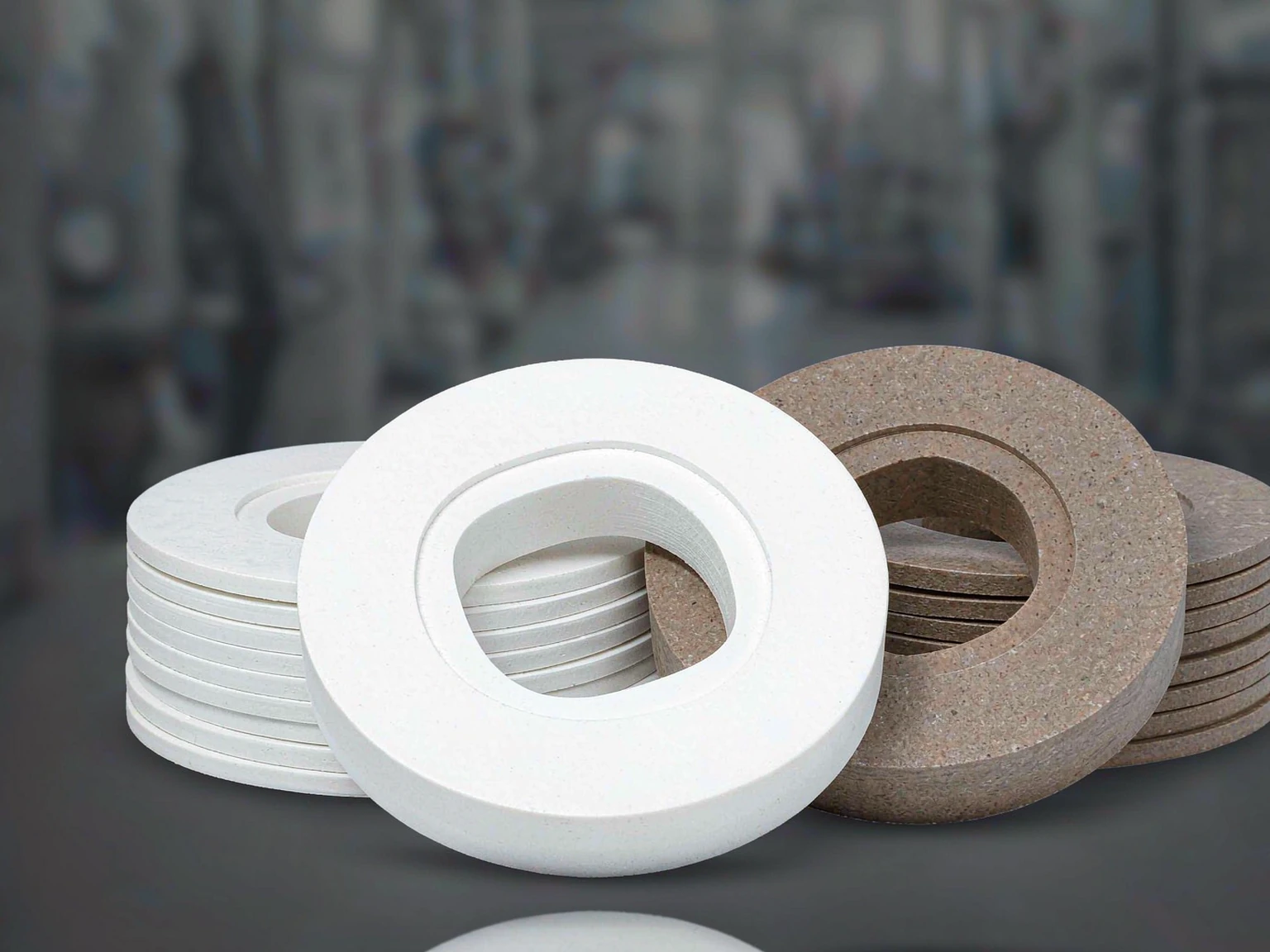
| Permanent set / flattened gasket | Replace — a relaxed gasket will not recover on re-torque |
| Blister or bulge in liner | Investigate media/temp excursions; test before re-use |
| Repeated leak at same joint | Check flange flatness, not just the gasket |
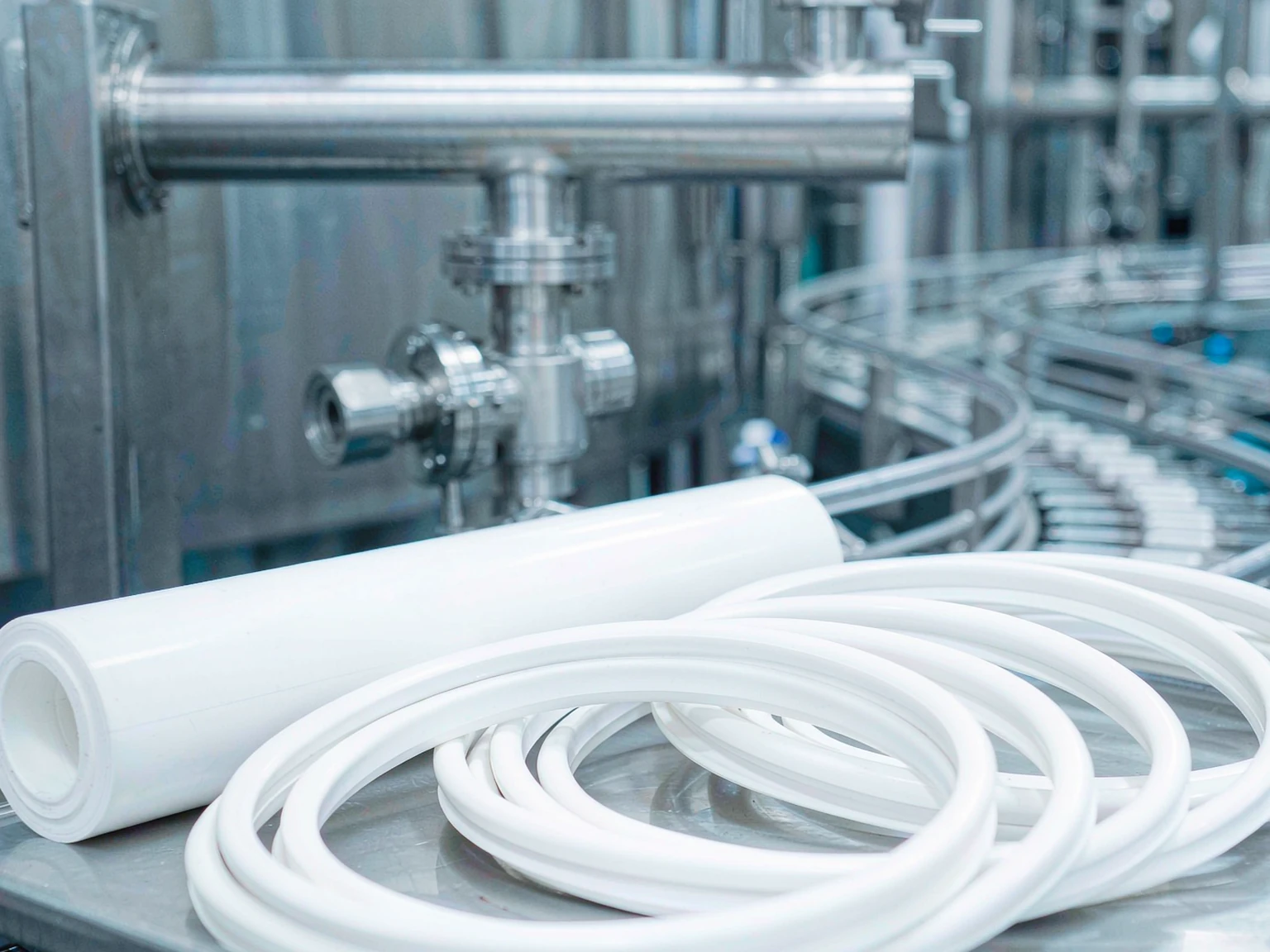
Chunhuan supplies replacement PTFE gaskets, liners and lined components against original dimensions with lot certificates, and can support failure analysis when a joint misbehaves repeatedly.
Frequently Asked Questions
How often should PTFE lined equipment be inspected?
Visually at every planned shutdown; spark testing of vessel linings typically annually or per your corrosion engineer’s schedule; bolting re-checked after the first thermal cycle and then yearly.
Why do PTFE lined pipe joints need re-torque?
PTFE creeps under sustained bolt load, so joints relax over the first thermal cycles. Re-check torque after first heat-up and annually thereafter.
Can an overtightened PTFE gasket be re-used?
No. A crushed or permanently set gasket will not recover its sealing profile on re-torque — replace it.
What does liner discoloration indicate?
Often permeation or a temperature/media excursion. Investigate the process history and spark-test before returning the equipment to service.

 English
 Russian
 French
 Spanish
