
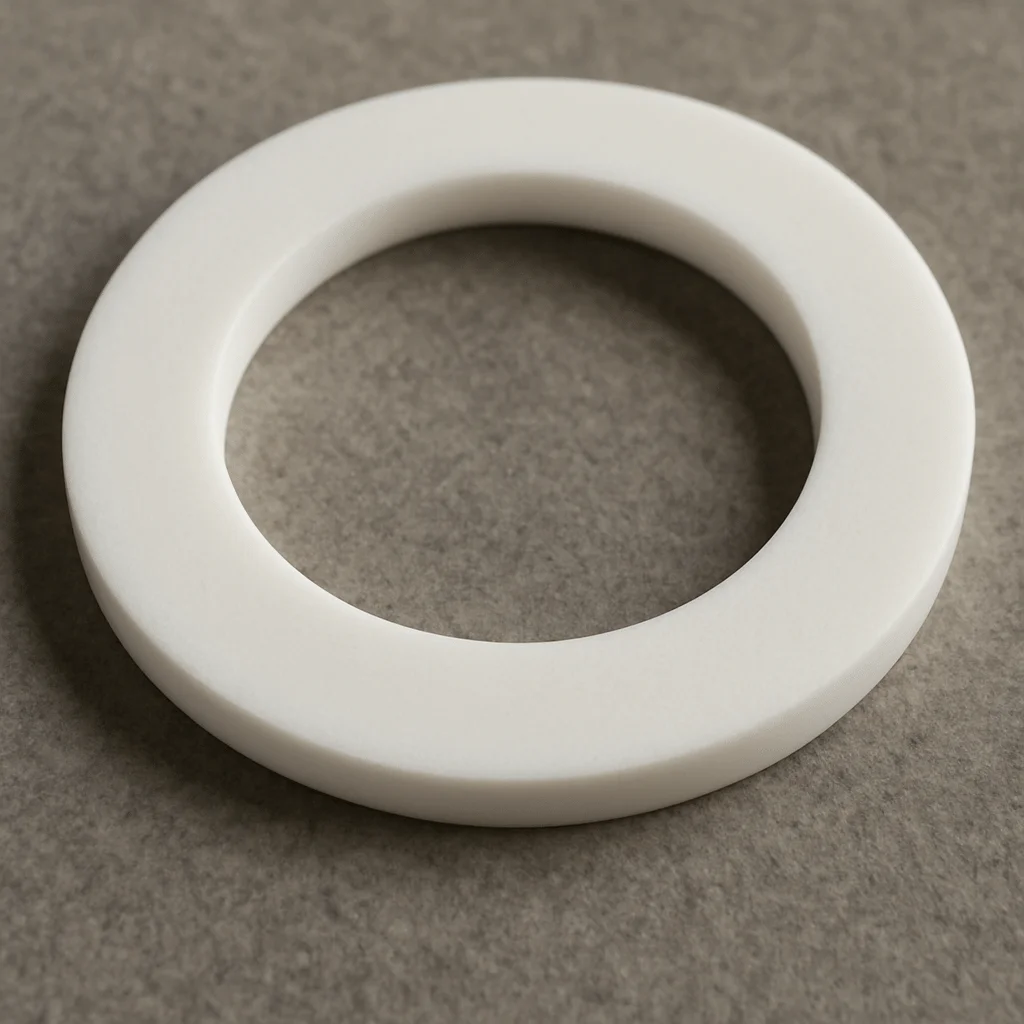
When it comes to industrial applications, the reliability of your equipment often hinges on the smallest components. Imagine the consequences of a failed seal in a high-pressure system; it could lead to costly downtime or even catastrophic failure. This is where the importance of a high-quality PTFE gasket becomes evident. Known for its exceptional durability and resistance to extreme temperatures and chemicals, a PTFE gasket is a vital component in ensuring the safety and efficiency of your machinery. However, with numerous suppliers flooding the market, choosing the best PTFE gasket supplier can feel like finding a needle in a haystack.
What sets a top-tier supplier apart isn’t just the quality of their gaskets but also their ability to understand and address your unique needs. It’s crucial to partner with a supplier that offers not only superior products but also expert guidance and customized solutions tailored to your specific applications. Navigating this complex landscape demands an informed approach, one that considers factors such as product certifications, supplier reputation, and after-sales support. As we explore the essentials of selecting a PTFE gasket supplier, you’ll gain insights that can empower you to make decisions that safeguard your operations and ensure unrivaled durability.

Assessing Product Quality and Certification Standards
Choosing a reliable PTFE gasket supplier starts with verifying product quality through recognized industry certifications. Leading suppliers will provide documentation such as ISO 9001 for quality management, ASTM standards for material performance, and FDA or USP Class VI approvals when gaskets interact with food, pharmaceutical, or biotech processes. These certificates not only confirm that the gasket materials meet stringent requirements for chemical resistance, temperature tolerance, and mechanical strength, but they also demonstrate the supplier’s commitment to consistent manufacturing practices.
Beyond certification, rigorous quality control measures are equally important. A reputable PTFE gasket supplier will undertake in-house testing including dimensional inspections, hardness measurements, and surface finish evaluations. They may also employ methods such as laser scanning or coordinate measuring machines (CMM) to ensure tight tolerances. In addition, batch traceability—tracking each gasket’s origin from raw material lot to final shipping—provides transparency and peace of mind, especially for critical services in oil & gas, power generation, or semiconductor processing. By assessing both the recognized certifications and the depth of testing protocols, you can be confident that the gaskets you receive will deliver unmatched durability and performance in demanding environments.
Evaluating Supplier Reputation and Experience
When selecting the right partner for sealing solutions, reputation and industry experience are vital metrics. A PTFE gasket supplier with a proven track record will showcase case studies, customer testimonials, and references from clients operating in industries like petrochemicals, pharmaceuticals, and aerospace. These real-world examples offer insights into how their gaskets perform under high pressure, extreme temperatures, or corrosive environments. Testimonials highlighting minimal leakage incidents, extended maintenance intervals, or successful shutdown prevention can serve as powerful indicators of a supplier’s reliability.
Long-standing suppliers often accumulate deep technical knowledge, enabling them to recommend the best gasket design and material grade for unique challenges. Veteran companies are also more adept at navigating regulatory changes, evolving industry standards, and emerging technologies. Additionally, look for suppliers who participate in technical conferences or publish white papers—this demonstrates thought leadership and a willingness to innovate. By evaluating a supplier’s history, customer feedback, and contributions to the field, you’ll gain confidence that you’re partnering with a seasoned PTFE gasket supplier committed to excellence and continuous improvement.
Examining Technical Support and After-Sales Services
Exceptional technical support begins long before purchase—it starts with expert consultation. A top PTFE gasket supplier will offer application engineers who analyze operating conditions (pressure, temperature cycles, chemical exposure) and recommend the optimal gasket type, whether it’s pure PTFE, filled variants, or a special composite. Early involvement ensures that seal design, installation clearances, and flange compatibility are thoroughly addressed, reducing the risk of field failures.
After-sales services are equally critical. Look for suppliers that provide on-site installation guidance, periodic inspections, and maintenance training for your team. Responsive customer service—available via phone, email, or digital portals—can help troubleshoot unexpected issues quickly. Warranty terms should cover material defects and offer replacement gaskets if performance falls short of specifications. Some suppliers even offer inventory management programs, stocking your most-used gasket sizes to ensure rapid delivery when unplanned shutdowns occur. By examining both pre-sale technical advice and post-sale support offerings, you ensure continuous operation and avoid excessive downtime costs.
Comparing Material Selection and Compatibility Options
Material selection is at the heart of gasket performance. Pure PTFE offers outstanding chemical resistance and a broad temperature range (-200°C to 260°C), making it ideal for aggressive media. However, applications requiring enhanced creep resistance or improved sealing at low pressures might benefit from filled PTFE variants containing glass fiber, graphite, or bronze. Each filler modifies properties like compressibility, thermal conductivity, or friction coefficient, so understanding your process conditions is key.
Compatibility also extends beyond chemical attack. Consider whether the gasket must withstand vacuum service, steam sterilization, or cyclic temperature swings. A knowledgeable PTFE gasket supplier will provide compatibility charts and perform compatibility tests with your specific fluids—acids, alkalis, solvents, or refrigerants—to confirm long-term stability. Custom compound development is another option for unique scenarios, such as conductive fillers for electrostatic discharge or FDA-compliant additives for food contact. By comparing material options side by side and testing them under real-world conditions, you can select the gasket that offers both durability and seamless integration into your system.
Conclusion: Making the Informed Choice for Sustainable Operations
Selecting the best PTFE gasket supplier involves balancing rigorous quality certifications, proven industry experience, and robust support services. By demanding transparent testing data and verifying compliance with standards like ISO and ASTM, you ensure the highest reliability in your seals.
Equally important is partnering with a supplier who offers expert guidance on material compatibility and provides responsive after-sales assistance. This holistic approach not only extends the life of your gaskets but also safeguards your operations against unexpected failures, contributing to sustainable, efficient performance over the long term.


 English
 Russian
 French
 Spanish