
PTFE, also known as Teflon, is a highly versatile industrial material used in a wide range of applications. For engineers, manufacturers, and anyone interested in advanced materials, understanding PTFE sheet specifications is essential. PTFE possesses several unique characteristics, including exceptional resistance to extreme temperatures and aggressive chemicals. Its low-friction surface also makes it suitable for numerous industrial applications.
But why are PTFE sheets used so extensively across different industries? One of the biggest challenges in manufacturing is finding a material that can withstand continuous operational stress while maintaining safety and performance. PTFE sheets meet these requirements, making them a preferred choice in industries such as aerospace, automotive, chemical processing, and food manufacturing.
The various PTFE sheet specifications are determined by important material properties such as thickness, tensile strength, dielectric strength, temperature resistance, and chemical resistance. This article explores these key specifications and explains how they influence performance across different applications.
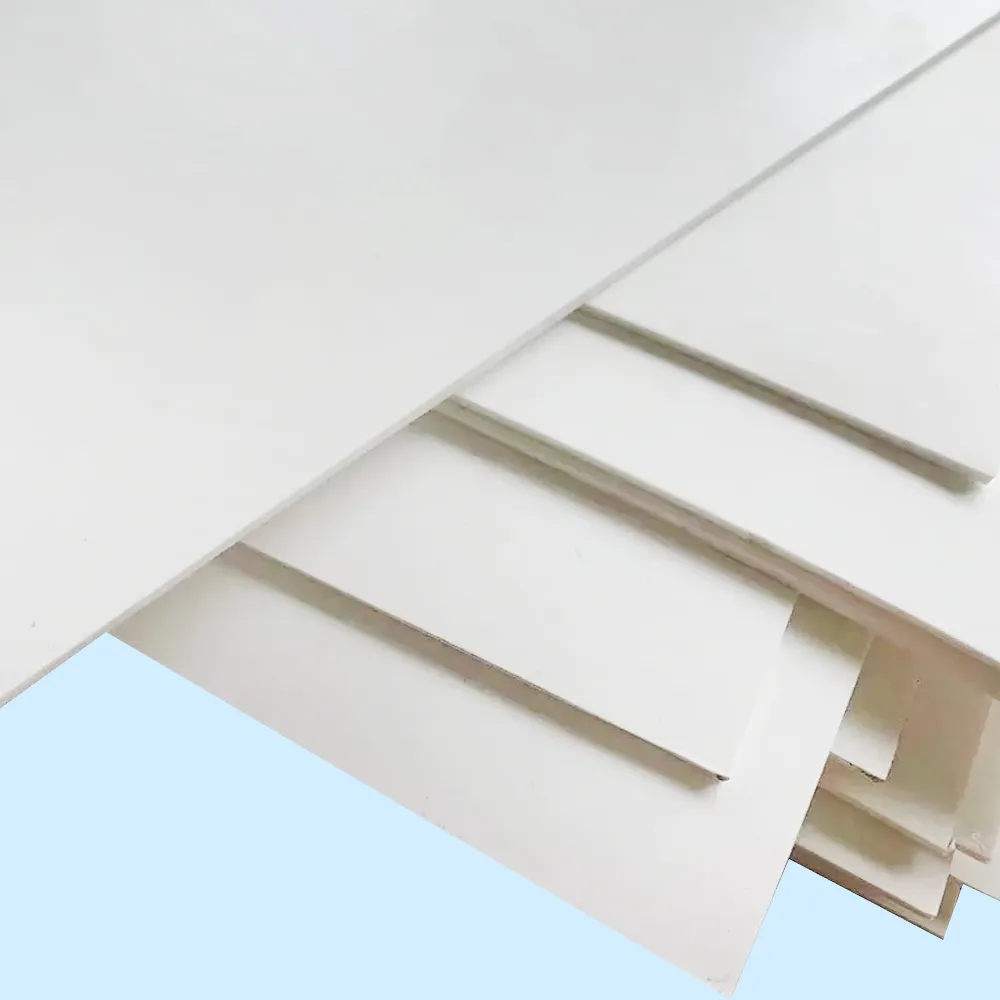
Overview of PTFE Sheets in Industrial Applications
In addition to its chemical resistance, Polytetrafluoroethylene (PTFE) offers outstanding physical properties that allow it to be manufactured into sheet form. Over the past several decades, PTFE has evolved from a laboratory material into an essential engineering material used across multiple industries.
Its combination of chemical inertness, thermal stability, and low friction enables PTFE sheets to be used in a wide variety of components, including:
- Gaskets
- Linings
- Bearings
- Sliding components
- Seals
The versatility of these applications is directly related to the wide range of available PTFE sheet specifications.
Chemical Processing Applications
Chemical processing environments often expose equipment to highly corrosive substances, including strong acids and aggressive chemicals. PTFE demonstrates exceptional resistance to these materials, making it an ideal choice for:
- Tank linings
- Pump components
- Reactor linings
- Chemical transfer systems
Food and Pharmaceutical Applications
PTFE is widely used in food and pharmaceutical processing because it is non-toxic and can comply with FDA requirements. Its non-stick surface helps prevent contamination and simplifies cleaning procedures.
Aerospace Applications
The aerospace industry relies on PTFE for applications requiring high-temperature resistance, chemical stability, and long-term reliability under demanding operating conditions.
Aplicaciones eléctricas y electrónicas
PTFE offers excellent dielectric properties and remains stable across a broad temperature range. As a result, it is commonly used in:
- RF components
- High-frequency PCB substrates
- Cable insulation
- Telecommunications equipment
- Automotive electronics
- Power distribution systems
Thickness: A Key Parameter in PTFE Sheet Specifications
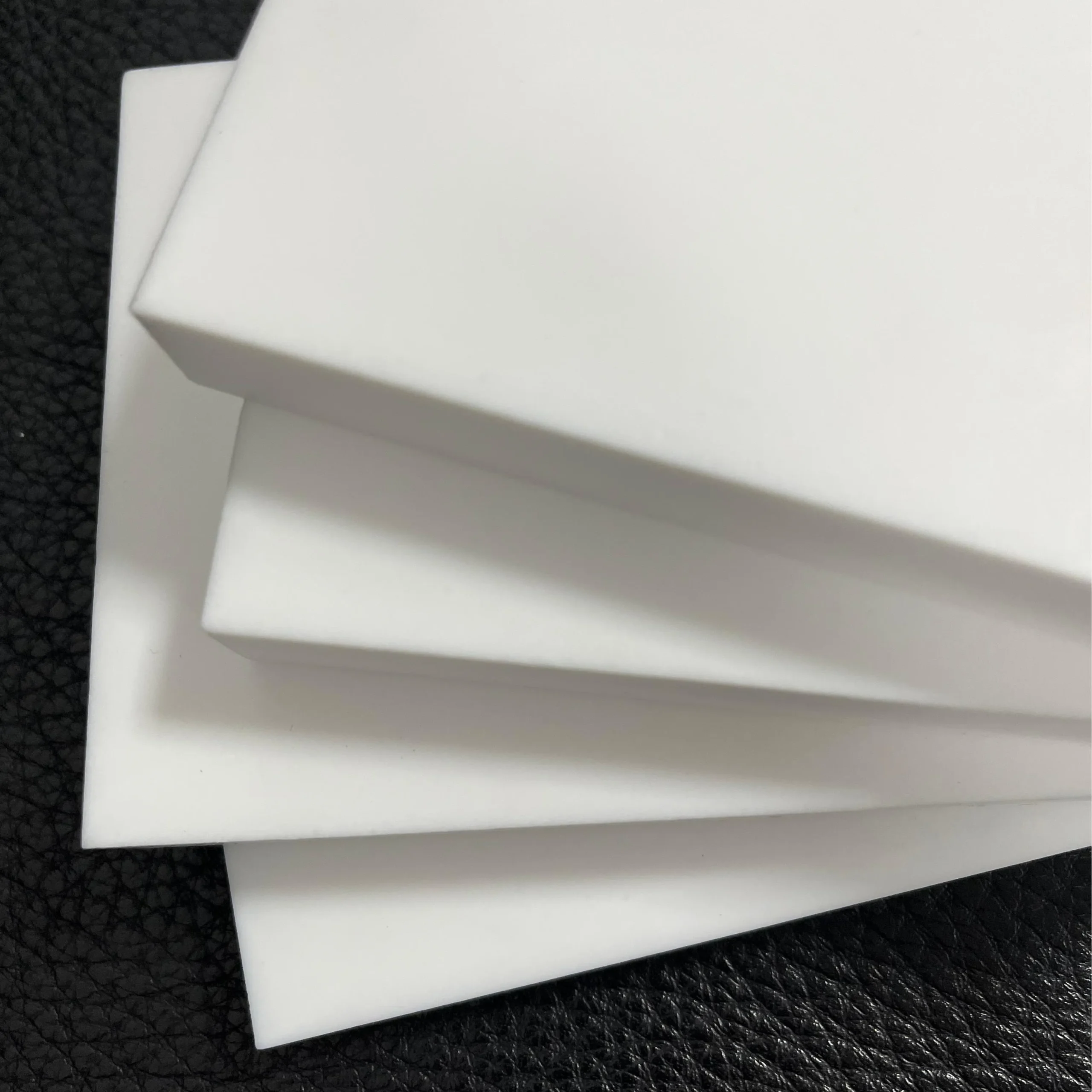
Among all PTFE sheet specifications, thickness is one of the most important factors.
PTFE sheets are commonly available in thicknesses ranging from 0.5 mm to 50 mm or more, allowing manufacturers to select the most appropriate material for their application.
Why Thickness Matters
El thickness of a PTFE sheet directly affects:
- Mechanical strength
- Flexibilidad
- Weight
- Load-bearing capacity
- Sealing performance
Thick PTFE Sheets
Thicker PTFE sheets offer greater dimensional stability and are often used in:
- Hydraulic seals
- Chemical reactor linings
- High-pressure applications
- Heavy-duty industrial equipment
Thin PTFE Sheets
Thinner PTFE sheets provide increased flexibility and are suitable for:
- Complex gasket designs
- Composite materials
- Lightweight sealing applications
When specifying PTFE sheets, thickness should always be evaluated alongside other material characteristics, including thermal expansion, compressive creep, and mechanical performance. Only a balanced combination of these properties can ensure long-term reliability.
Dielectric Properties: Enhancing Electrical Insulation
One of the most valuable PTFE sheet specifications is its exceptional electrical insulation capability.
Dielectric Performance
Typical dielectric properties of PTFE include:
- Dielectric constant: approximately 2.0–2.1
- Dielectric strength: greater than 20 kV/mm
- Extremely low dielectric loss tangent
These properties remain stable across a wide frequency range, making PTFE one of the most effective insulating materials available.
High-Frequency Applications
Because PTFE exhibits minimal signal loss, it is commonly used in:
- Radar systems
- RF communication equipment
- Microwave systems
- High-speed data transmission systems
Low Dielectric Loss Tangent
The dielectric loss tangent (tan δ) measures the amount of electrical energy lost as heat.
A low dielectric loss tangent provides several benefits:
- Efficient signal transmission
- Reduced energy loss
- Improved communication performance
- Enhanced system reliability
For these reasons, PTFE is widely used in advanced communication and electronic systems.
Common Electrical Uses of PTFE Sheets
PTFE sheets are frequently utilized as:
- High-voltage insulating spacers
- PCB substrates
- Cable jacketing
- Electrical insulation barriers
To maintain consistent dielectric performance, PTFE sheet specifications must ensure uniform thickness and material purity.
Surface Finish: Low Friction for Enhanced Performance
One of PTFE’s most well-known characteristics is its exceptionally low coefficient of friction.
In fact, PTFE has one of the lowest friction coefficients of any solid material.
Benefits of a Low-Friction Surface
The low-friction characteristics of PTFE provide several advantages:
- Reduced wear
- Smooth movement
- Lower maintenance requirements
- Improved equipment efficiency
Bearing and Sliding Applications
Because of its low friction, PTFE is widely used in:
- Bearings
- Sliding guides
- Conveyor components
- Wear strips
Polished and mirror-finished PTFE sheets further reduce friction and improve performance in demanding applications.
Non-Stick Performance
PTFE’s non-stick surface prevents material buildup and residue accumulation. This characteristic makes PTFE particularly valuable in:
- Equipos de procesamiento de alimentos
- Packaging machinery
- Pharmaceutical production systems
Manufacturing Methods and Surface Finish
The final surface characteristics of PTFE sheets depend on the manufacturing process, including:
- Extruded PTFE sheets
- Skived PTFE sheets
- Polished PTFE sheets
Each process provides different performance characteristics to suit specific applications.
Temperature Resistance: Extreme Heat and Cold Tolerance
Another critical PTFE sheet specification is temperature resistance.
PTFE can typically operate within an extremely wide temperature range:
- Cryogenic temperatures down to approximately -269°C
- Continuous operating temperatures up to approximately 260°C
Rendimiento a baja temperatura
PTFE remains flexible and functional under cryogenic conditions, making it suitable for:
- Liquid nitrogen systems
- Cryogenic storage equipment
- Low-temperature sealing applications
Rendimiento a altas temperaturas
At elevated temperatures, PTFE provides:
- Resistance to oxidation
- Resistance to thermal degradation
- Excellent dimensional stability
Common high-temperature applications include:
- Steam system gaskets
- Industrial oven components
- Heat exchanger parts
- High-temperature seals
Thermal Expansion Considerations
When designing PTFE components for temperature-critical environments, engineers must consider:
- Thermal conductivity
- Coefficient of thermal expansion
Like all materials, PTFE expands when heated and contracts when cooled. If these factors are not considered during design, warping or dimensional changes may occur.
Therefore, thermal behavior should always be evaluated alongside other PTFE sheet specifications when selecting materials for demanding environments.
Selecting the Right PTFE Sheet Specifications
Choosing the correct PTFE sheet requires evaluating several performance criteria simultaneously.
Key factors include:
- Espesor
- Tensile strength
- Dielectric strength
- Surface finish
- Temperature resistance
- Chemical resistance
- Mechanical stability
The optimal specification depends on the operating environment and performance requirements of the final application.
FAQ About PTFE Sheet Specifications
What is a PTFE sheet?
A PTFE sheet is a flat sheet made from Polytetrafluoroethylene (PTFE), a high-performance fluoropolymer known for its excellent chemical resistance, temperature resistance, and low-friction properties.
What are the standard thicknesses of PTFE sheets?
PTFE sheets are commonly available in thicknesses ranging from 0.5 mm to 50 mm or more, depending on application requirements and manufacturing capabilities.
What industries use PTFE sheets?
PTFE sheets are widely used in aerospace, chemical processing, food processing, pharmaceutical manufacturing, electronics, automotive, and power generation industries.
Why are PTFE sheets used for electrical insulation?
PTFE offers a low dielectric constant, high dielectric strength, and extremely low dielectric loss, making it ideal for high-frequency and high-voltage electrical applications.
Are PTFE sheets resistant to chemicals?
Yes. PTFE exhibits exceptional resistance to most acids, alkalis, solvents, and corrosive chemicals, making it one of the most chemically resistant engineering materials available.
Conclusion: The Enduring Significance of PTFE Sheet Specifications
The exceptional versatility of PTFE stems directly from its material specifications. By carefully selecting the appropriate PTFE sheet specifications, engineers can achieve outstanding performance, reliability, and service life across a wide range of applications.
From aerospace and chemical processing to food manufacturing and electronics, PTFE continues to support innovation in demanding industrial environments. Its unique combination of chemical resistance, thermal stability, dielectric performance, and low-friction characteristics makes it one of the most valuable engineering materials available today.
As industrial requirements continue to evolve, PTFE sheet specifications will remain the foundation for designing high-performance components capable of meeting the challenges of modern manufacturing.

 English
 Russian
 French
 Spanish