
Polytetrafluoroethylene, or PTFE, is a highly versatile and widely used material. Known for its exceptional non-stick properties and resistance to heat and chemicals, PTFE is commonly used in various applications, including as tubing. In this article, we will explore the melting point of PTFE tubes, their material properties, and why they are a popular choice in many industries.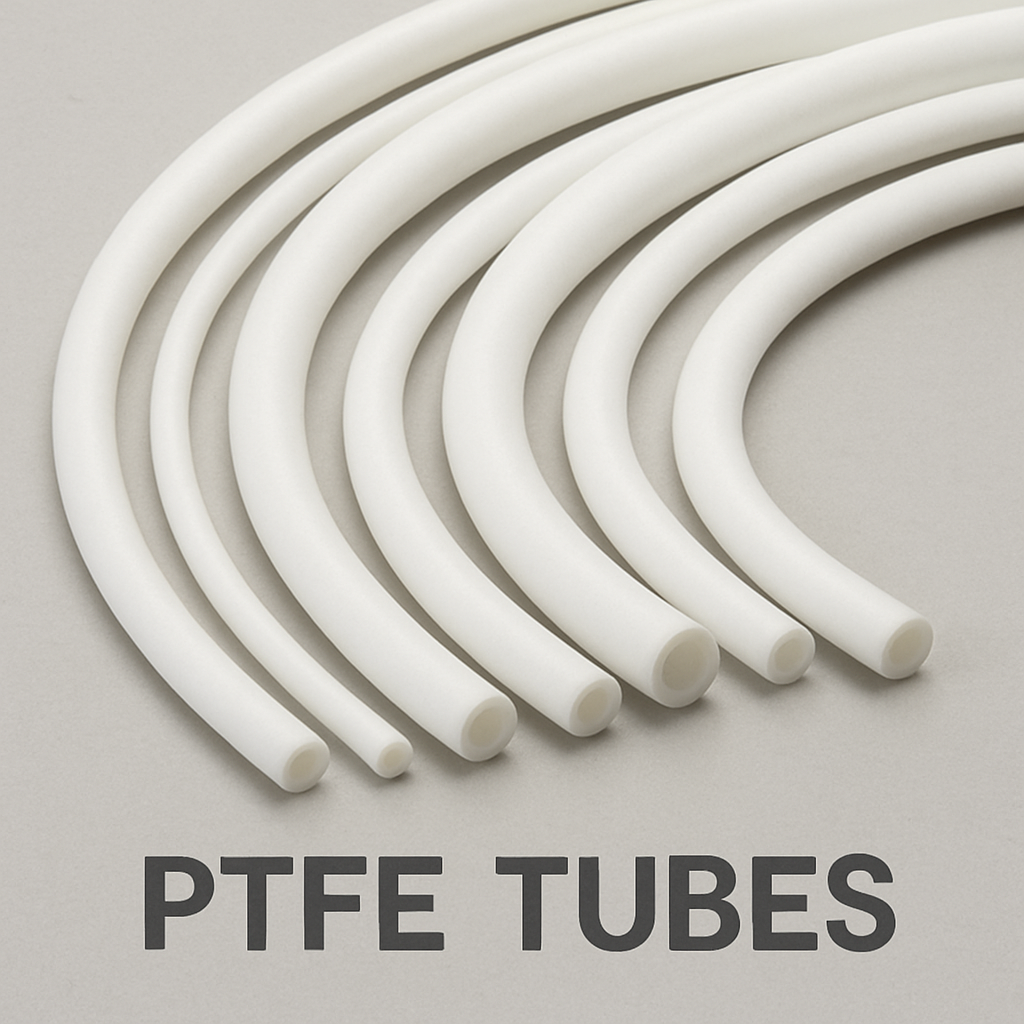
¿Qué es el PTFE?
PTFE is a synthetic fluoropolymer of tetrafluoroethylene. It is best known by its brand name, Teflon, which is often used in cookware for its non-stick properties. However, PTFE is more than just a non-stick surface. Its unique combination of properties makes it suitable for a wide range of aplicaciones industriales.
Propiedades clave del PTFE
Resistencia química
PTFE is renowned for its remarkable chemical resistance. It is impervious to nearly all industrial chemicals, which makes it ideal for use in environments where exposure to corrosive substances is a concern. This resistance ensures that PTFE tubes maintain their integrity even when transporting aggressive chemicals.
Thermal Properties

The thermal properties of PTFE are equally impressive. It can withstand high temperatures without degrading, which is crucial for applications that involve heat. PTFE’s heat tolerance is one of its standout features, as it can endure temperatures up to 260°C (500°F) without losing its properties.
Baja fricción
One of the reasons PTFE is so popular is its low friction coefficient. This property makes it an excellent material for applications where smooth movement is necessary, such as in bearings or sliding parts.
Aislamiento eléctrico
PTFE is also an excellent electrical insulator, making it suitable for electrical applications where insulation is required.
The Melting Point of PTFE Tubes
The melting point of PTFE is a critical factor to consider, especially in applications involving high temperatures. PTFE has a melting temperature of approximately 327°C (621°F). This high melting point allows PTFE tubes to retain their shape and properties in extreme heat conditions, which is why they are often used in high-temperature environments.
Comparing PTFE to Other Materials
When compared to other materials, PTFE’s high melting point is a significant advantage. Many plastics begin to degrade or lose their structural integrity at much lower temperatures. This makes PTFE a superior choice for applications requiring exposure to high heat.
Aplicaciones de los tubos de PTFE
Uso industrial
PTFE tubes are widely used in industries such as chemical processing, aerospace, and electronics. Their ability to handle high temperatures and resist chemical attack makes them indispensable in these fields.
Aplicaciones médicas
In the medical field, PTFE tubes are used for their biocompatibility and resistance to chemicals. They are often used in catheters and other medical devices that require a high degree of chemical resistance and purity.
Household Applications
Though less common, PTFE tubes can also be found in household applications, particularly in plumbing and as components in appliances that require heat resistance.
Advantages of Using PTFE Tubes
Durabilidad
One of the primary advantages of PTFE tubes is their durability. They can withstand a wide range of environmental conditions without degrading, ensuring long-term performance.
Versatilidad
The versatility of PTFE is another reason for its widespread use. It can be molded into various shapes and sizes, making it suitable for a wide range of applications.
Seguridad
PTFE is non-toxic and safe for use in many applications, including those that come into contact with food and beverages.
PTFE vs. Teflon: Are They the Same?
It’s essential to clarify that PTFE and Teflon are often used interchangeably, but Teflon is actually a brand name for a specific type of PTFE produced by Chemours (formerly DuPont). While all Teflon products are PTFE, not all PTFE products are branded as Teflon.


 English
 Russian
 French
 Spanish