
In today’s industrial landscape, the demand for materials that combine durability, chemical resistance, and high-temperature performance continues to grow. Among the many advanced materials available, PTFE square tubes have emerged as a reliable and versatile solution. Known for their outstanding properties, PTFE (polytetrafluoroethylene) square tubing is widely used across industries such as chemical processing, food manufacturing, electronics, and aerospace.
Below, we explore the key advantages, applications, and features of PTFE square tubes while incorporating essential industrial keywords for better understanding and search visibility.
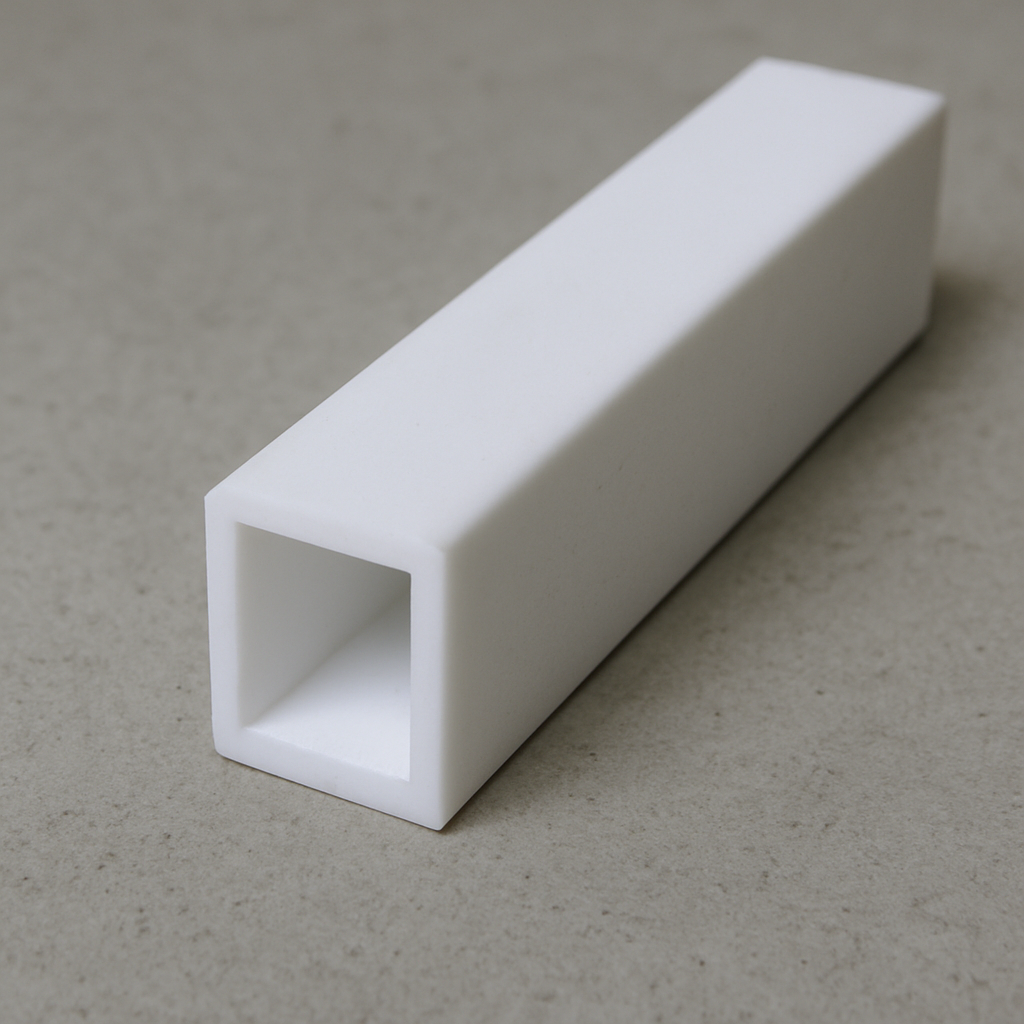
What is a PTFE Square Tube?
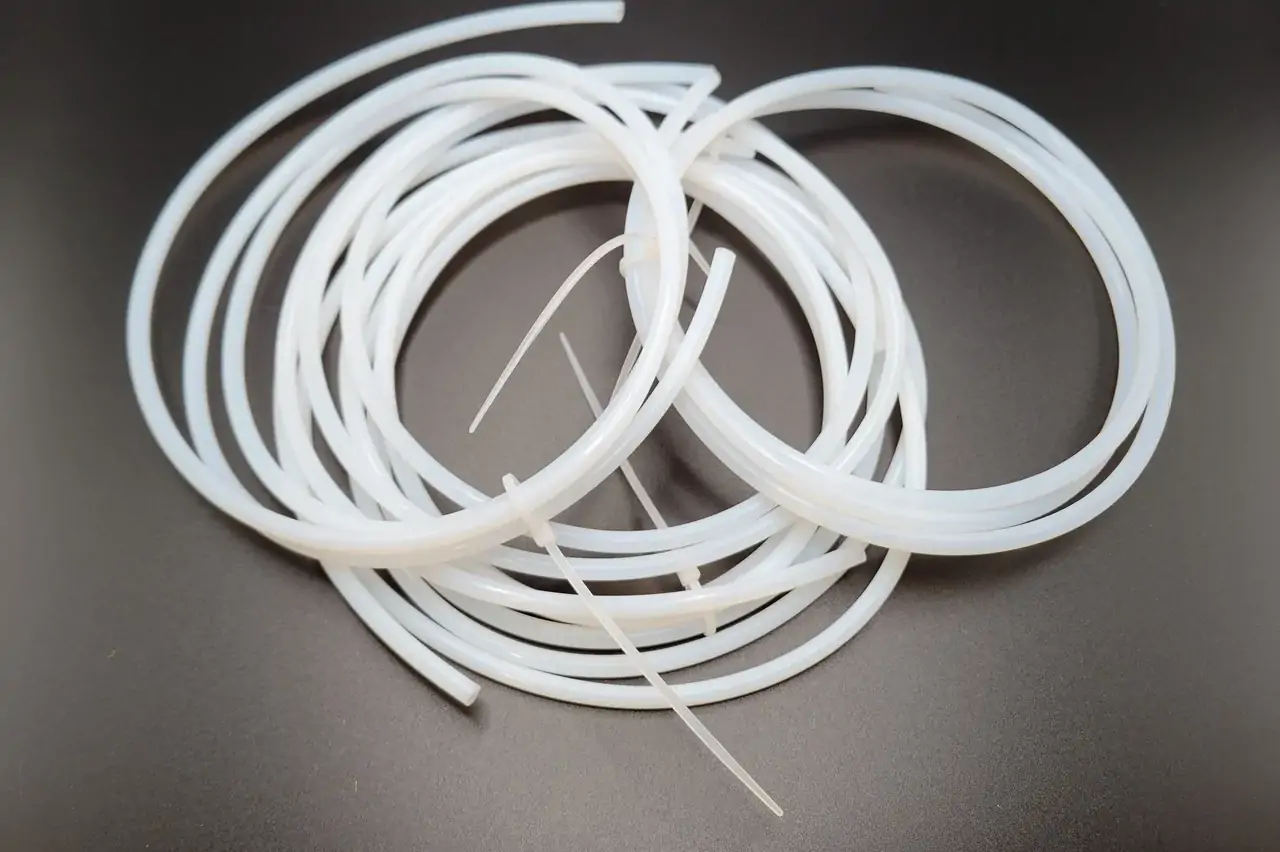
A PTFE square tube is a custom-shaped fluoropolymer tubing made from polytetrafluoroethylene, commonly known as Teflon. Unlike standard round tubing, square PTFE tubing provides enhanced structural stability and is often used in applications requiring precise alignment or support.
In addition, PTFE custom shape tubes can be manufactured in various sizes, wall thicknesses, and configurations, making them suitable for both standard and specialized industrial uses.
Key Advantages of PTFE Square Tubes
1. Exceptional Chemical Resistance
First and foremost, PTFE square tubing offers superior chemical resistance. It remains stable when exposed to strong acids, alkalis, and organic solvents. Therefore, it is widely used in chemical processing equipment, laboratory systems, and fluid transfer applications.
Moreover, this corrosion-resistant tubing helps extend equipment lifespan, reduce maintenance costs, and minimize downtime in harsh industrial environments.
2. High Temperature Resistance
Another major advantage is its ability to withstand extreme temperatures. PTFE high temperature tubes can operate continuously in a wide range from -200°C to +260°C.
As a result, PTFE structural tubes are ideal for industries such as:
- Oil and gas processing
- Aerospace engineering
- High-temperature manufacturing systems
Furthermore, their thermal stability ensures consistent performance without deformation or degradation.
3. Low Friction and Smooth Surface
In addition to thermal resistance, PTFE tubing features an extremely low coefficient of friction. Consequently, it allows smooth flow of liquids, gases, or granular materials.
This property is particularly beneficial for:
- Conveyor systems
- Fluid transport pipelines
- Powder handling equipment
At the same time, the reduced friction minimizes wear and tear on both the tubing and surrounding machinery, improving overall operational efficiency.
4. Non-Stick and Non-Reactive Properties
Equally important, PTFE square tubes are non-stick and chemically inert. This means substances do not adhere easily to the surface, and the material does not react with most chemicals.
Therefore, PTFE tubing is highly suitable for:
- Food processing equipment
- Pharmaceutical production lines
- Cleanroom and sterile environments
In these industries, maintaining purity and preventing contamination is critical, and PTFE excels in meeting these requirements.
5. Excellent Mechanical Strength and Durability
Despite being lightweight, PTFE industrial tubing offers excellent durability. It is resistant to abrasion, weathering, and environmental stress.
As a result, PTFE square tubes provide:
- Long service life
- Reduced replacement frequency
- Lower long-term operational costs
Additionally, their structural integrity makes them suitable for both indoor and outdoor industrial applications.
6. Customization and Versatility
Another key benefit is the flexibility in design. PTFE custom square tubes can be manufactured according to specific industrial needs, including:
- Custom dimensions and wall thickness
- Special shapes for unique applications
- Integration into complex systems
Because of this adaptability, PTFE tubing is widely used in engineering projects that require precision and customization.

Common Applications of PTFE Square Tubes
Due to their unique properties, PTFE square tubes are used in a wide range of industries. For example:
Chemical Industry: Corrosion-resistant piping and fluid transfer systems
Food Industry: Hygienic transport of liquids and powders
Pharmaceuticals: Clean and non-reactive processing environments
Electronics: Insulation and protection of sensitive components
Aerospace: High-performance components under extreme conditions
Furthermore, PTFE tubing is often used in laboratory setups where chemical compatibility and temperature resistance are essential.
Why Choose PTFE Square Tubing?
When compared to traditional materials like metal, PVC, or rubber, PTFE square tubes offer a combination of advantages that are difficult to match. Not only do they provide superior performance in extreme conditions, but they also contribute to operational efficiency and cost savings.
In addition, industries seeking long-lasting, low-maintenance, and high-performance tubing solutions increasingly prefer PTFE due to its reliability and versatility.
FAQ
1. What is a PTFE square tube used for?
PTFE square tubes are used in industries such as chemical processing, food production, pharmaceuticals, and electronics for fluid transfer, structural support, and insulation.
2. What temperature can PTFE tubing withstand?
PTFE tubing can typically operate in temperatures ranging from -200°C to +260°C, making it suitable for extreme environments.
3. Is PTFE resistant to chemicals?
Yes, PTFE offers excellent resistance to most acids, bases, and solvents, making it ideal for corrosive environments.
4. What are the benefits of square PTFE tubing over round tubing?
Square tubing provides better structural support, easier alignment, and improved stability in certain applications.
5. Is PTFE tubing safe for food and pharmaceutical use?
Yes, PTFE is non-toxic, non-reactive, and non-stick, making it suitable for hygienic and sterile environments.
6. Can PTFE square tubes be customized?
Yes, PTFE tubing can be manufactured in various sizes, shapes, and thicknesses to meet specific industrial requirements.
7. How long does PTFE tubing last?
Due to its high durability and resistance to wear, PTFE tubing has a long service life, even in harsh conditions.
Conclusion
Overall, PTFE square tubes represent a high-performance solution for modern industrial challenges. With their excellent chemical resistance, high temperature tolerance, low friction, and non-stick properties, they are suitable for a wide variety of demanding applications.
Moreover, their durability and customization capabilities make them a cost-effective investment for businesses aiming to improve efficiency and reduce maintenance costs. Whether used in chemical processing, food production, or advanced engineering systems, PTFE industrial tubing continues to prove its value across industries.

 English
 Russian
 French
 Spanish