
In industries where high temperatures and harsh chemicals are commonplace, the need for reliable sealing solutions is critical. PTFE envelope gaskets are a popular choice in such scenarios due to their exceptional chemical resistance and flexibility. This article breaks down the specifications of PTFE envelope gaskets in a straightforward manner to help you understand their design, dimensions, and properties.
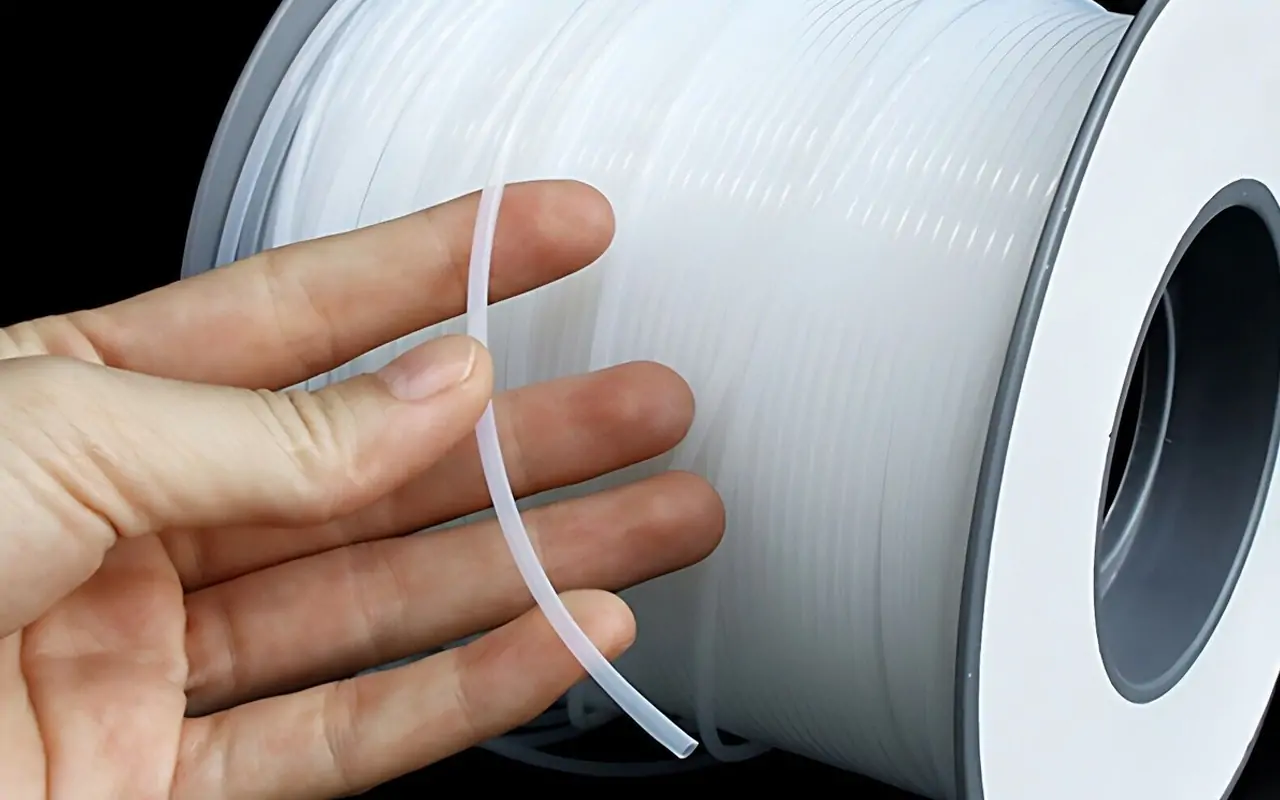
PTFE, or polytetrafluoroethylene, is a material renowned for its non-reactivity and heat resistance. PTFE envelope gaskets are designed by encasing a core material, such as rubber or compressed fibers, within a PTFE envelope. This design offers the gasket both flexibility and excellent sealing properties.
PTFE envelope gaskets can withstand temperatures ranging from -200°C to 260°C (-328°F to 500°F). This makes them suitable for a wide range of applications, from cryogenic to steam systems. The PTFE layer acts as a barrier, protecting the core from extreme temperatures and corrosive substances.

PTFE Envelope Gasket Thickness and Tolerance
The thickness of a PTFE envelope gasket usually varies between 1.5 mm to 6 mm, depending on the application’s requirement. The tolerances are typically minimal to ensure a snug fit and effective sealing. It’s crucial to consider the thickness as it impacts the gasket’s performance under pressure.
PTFE Envelope Gasket Dimensions
PTFE envelope gaskets are available in various dimensions to accommodate different flange sizes and shapes. Custom dimensions can be fabricated to fit specific needs. When specifying dimensions, consider the flange type and size to ensure compatibility and optimal performance.
Envelope Gasket Types
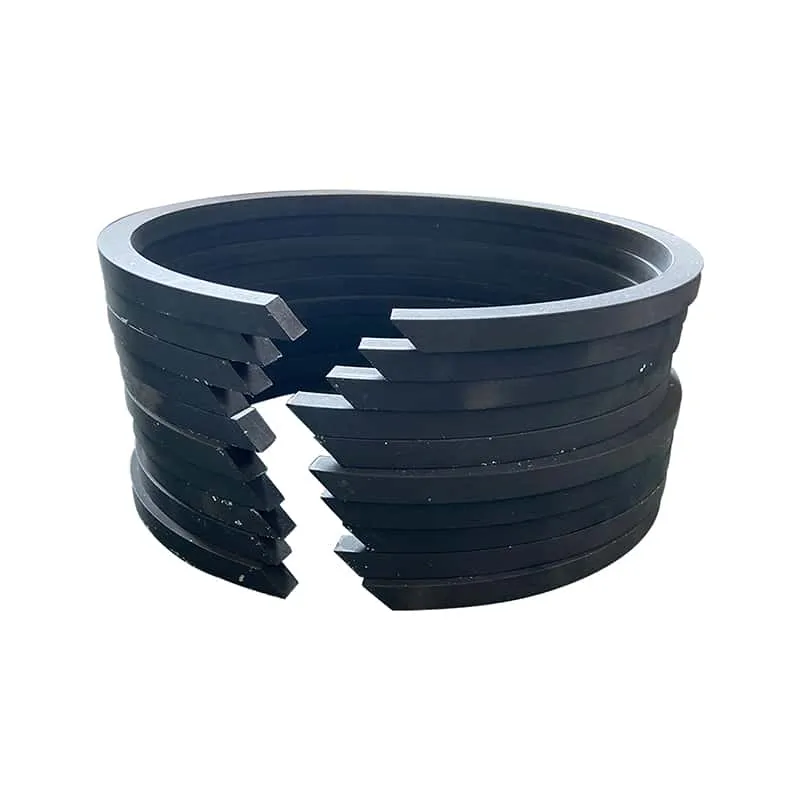
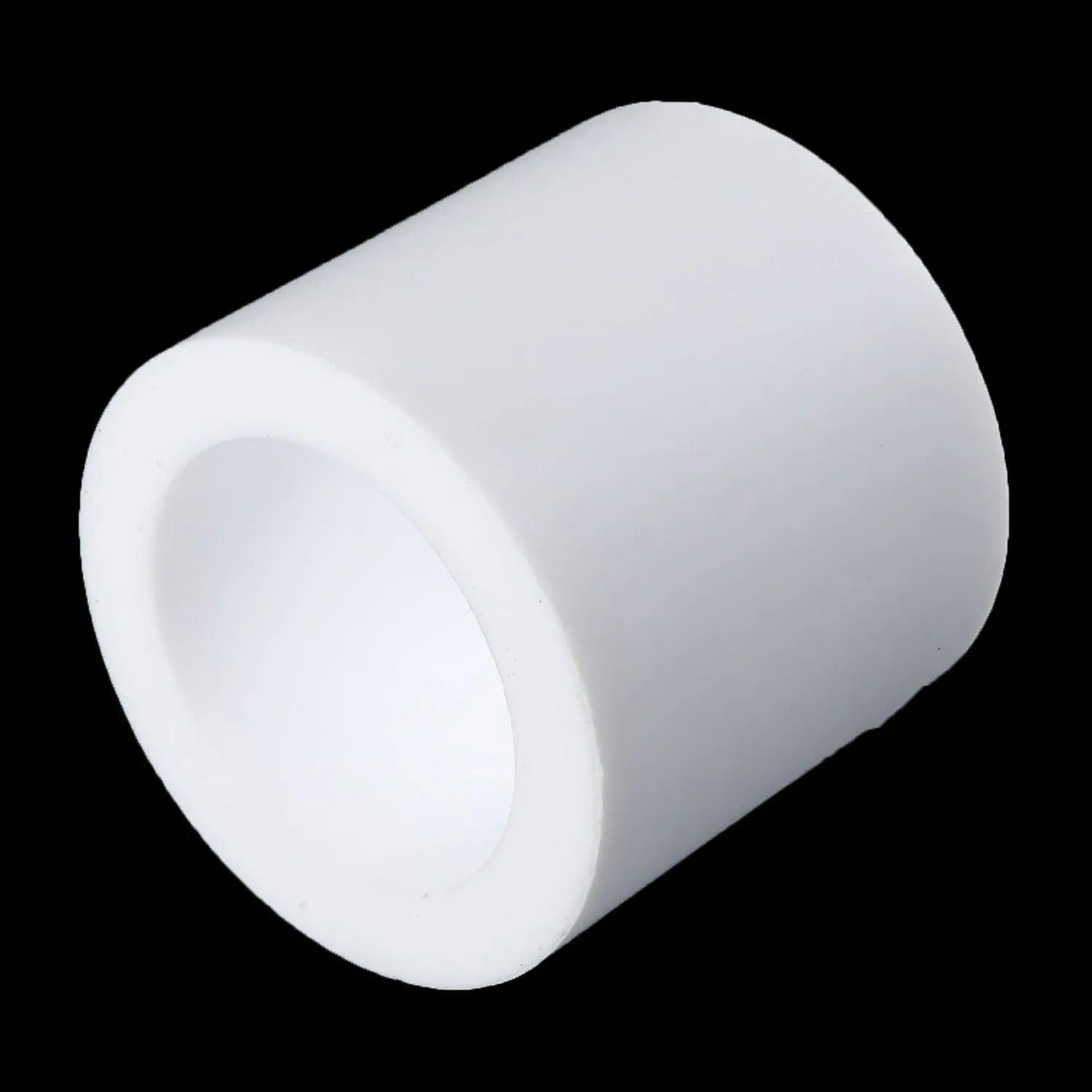
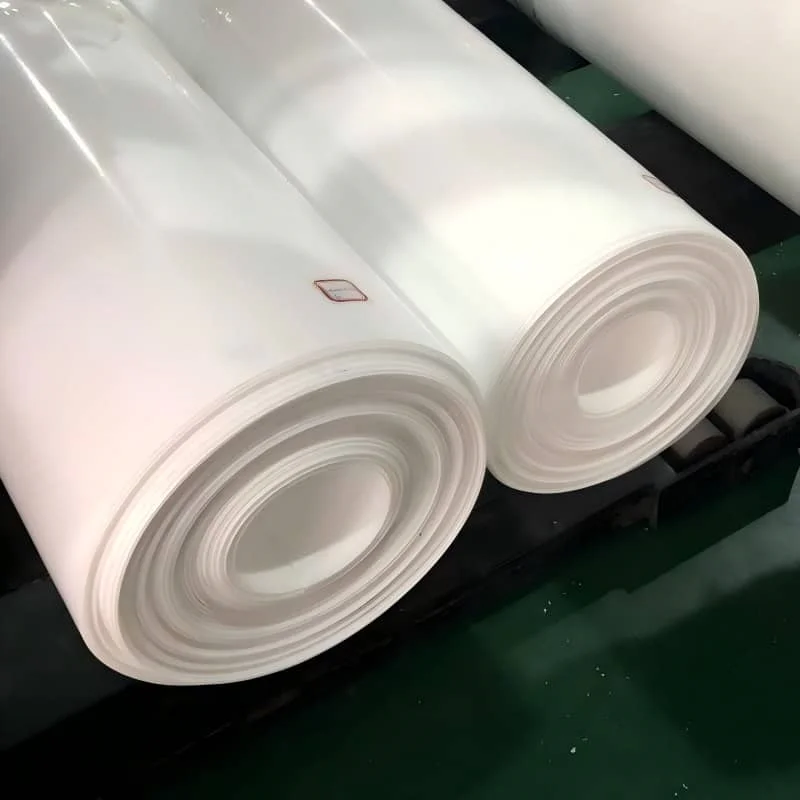
There are primarily two types of PTFE envelope gaskets: slit-type and machined-type. Slit-type gaskets involve cutting a PTFE sheet into the desired shape, while machined-type gaskets are carved from a PTFE block. Each type offers unique benefits and is chosen based on specific application requirements.

PTFE Envelope Seal Properties
One of the standout features of PTFE envelope gaskets is their chemical resistance. They are impervious to most industrial chemicals, making them ideal for sealing in environments with aggressive substances. Additionally, the non-stick nature of PTFE reduces friction, enhancing the gasket’s longevity.
Chemical Resistant PTFE Envelope Gasket
The chemical resistance of PTFE envelope gaskets ensures that they can handle a wide variety of substances without degrading. This property is particularly valuable in industries like pharmaceuticals, petrochemicals, and food processing, where exposure to corrosive substances is frequent.
In summary, PTFE envelope gaskets offer a robust sealing solution with their high-temperature tolerance, customizable dimensions, and excellent chemical resistance. Understanding these specifications helps in selecting the right gasket for your application, ensuring safety and efficiency in your operations.
If you have any questions or need further information about PTFE envelope gaskets, feel free to reach out or leave a comment below.“`


 English
 Russian
 French
 Spanish