
PTFE gasket specifications typically cover temperature ranges from -200°C to +260°C (-328°F to 500°F), working pressure up to 10 MPa, and standard thicknesses of 0.5mm to 6mm. Common standards include ASME B16.21, DIN 2690, and ASTM F104.
In the world of industrial sealing solutions, PTFE gaskets stand out for their exceptional properties and versatile applications. Whether you’re dealing with high temperatures, aggressive chemicals, or requiring a reliable sealing solution, understanding PTFE gasket specifications is crucial. This guide will walk you through everything you need to know about PTFE gaskets, from their specifications to their practical applications.
Polytetrafluoroethylene, commonly known as PTFE, is a synthetic fluoropolymer of tetrafluoroethylene. It’s renowned for its non-stick properties, high melting point, and chemical resistance. Due to these characteristics, PTFE is widely used in gaskets, providing reliable sealing solutions in various industries.

PTFE gaskets are well-known for their ability to withstand extreme temperatures. Typically, PTFE can endure temperatures ranging from -328°F to 500°F (-200°C to 260°C). This range makes PTFE gaskets suitable for applications involving both cryogenic and high-temperature environments. When selecting a PTFE gasket for high-temperature applications, ensure it meets the necessary temperature specifications to prevent material failure.
PTFE Envelope Gasket Specification
PTFE envelope gaskets combine the benefits of PTFE’s chemical resistance with the structural integrity of other materials. These gaskets feature a PTFE cover that shields the inner core from chemical exposure. The core can be made from materials like rubber or asbestos, providing flexibility and strength. PTFE envelope gaskets are ideal for applications where chemical resistance is crucial but additional support is required.
| PTFE Gasket Type | Temp. Range (°C) | Max Pressure | Tensile Strength | Common Applications |
| Virgin PTFE | -200°C to +260°C | 10 MPa | ≥ 20 MPa | Chemical processing, Pharma |
| Expanded PTFE (ePTFE) | -240°C to +260°C | 20 MPa | ≥ 30 MPa | Irregular flanges, Fragile pipework |
| Glass-Filled PTFE | -200°C to +260°C | 15 MPa | ≥ 15 MPa | High pressure, Reduced creep |
PTFE Gasket Dimensions and Tolerance

When it comes to PTFE gasket dimensions, precision is key. The dimensions can vary significantly based on the application, and it’s vital to adhere to specified tolerances to ensure a proper seal. The typical tolerance for PTFE gaskets ranges from ±0.5mm to ±1.5mm. Ensuring these tolerances are met will help maintain the integrity of the seal, preventing leaks and other issues.
PTFE Sheet Gasket Specifications
PTFE sheet gaskets are versatile and can be customized to fit various applications. These gaskets are available in different thicknesses, typically ranging from 0.5mm to 6mm. The thickness of the PTFE sheet gasket you choose will depend on the specific requirements of your application, such as pressure and temperature conditions.
Industrial PTFE Gasket Standards
PTFE gaskets must adhere to industrial standards to ensure their reliability and performance. These standards dictate the material composition, dimensions, and performance characteristics of PTFE gaskets. Some of the key standards include:
- ASTM F104: This standard covers the classification system for non-metallic gasket materials, including PTFE.
- DIN 2690: This standard specifies the dimensions and materials for flat gaskets used in flange connections.
- BS EN 1514-1: This European standard relates to flange dimensions and gasket types for pipework systems.
PTFE Gasket Properties
Chemical Resistance
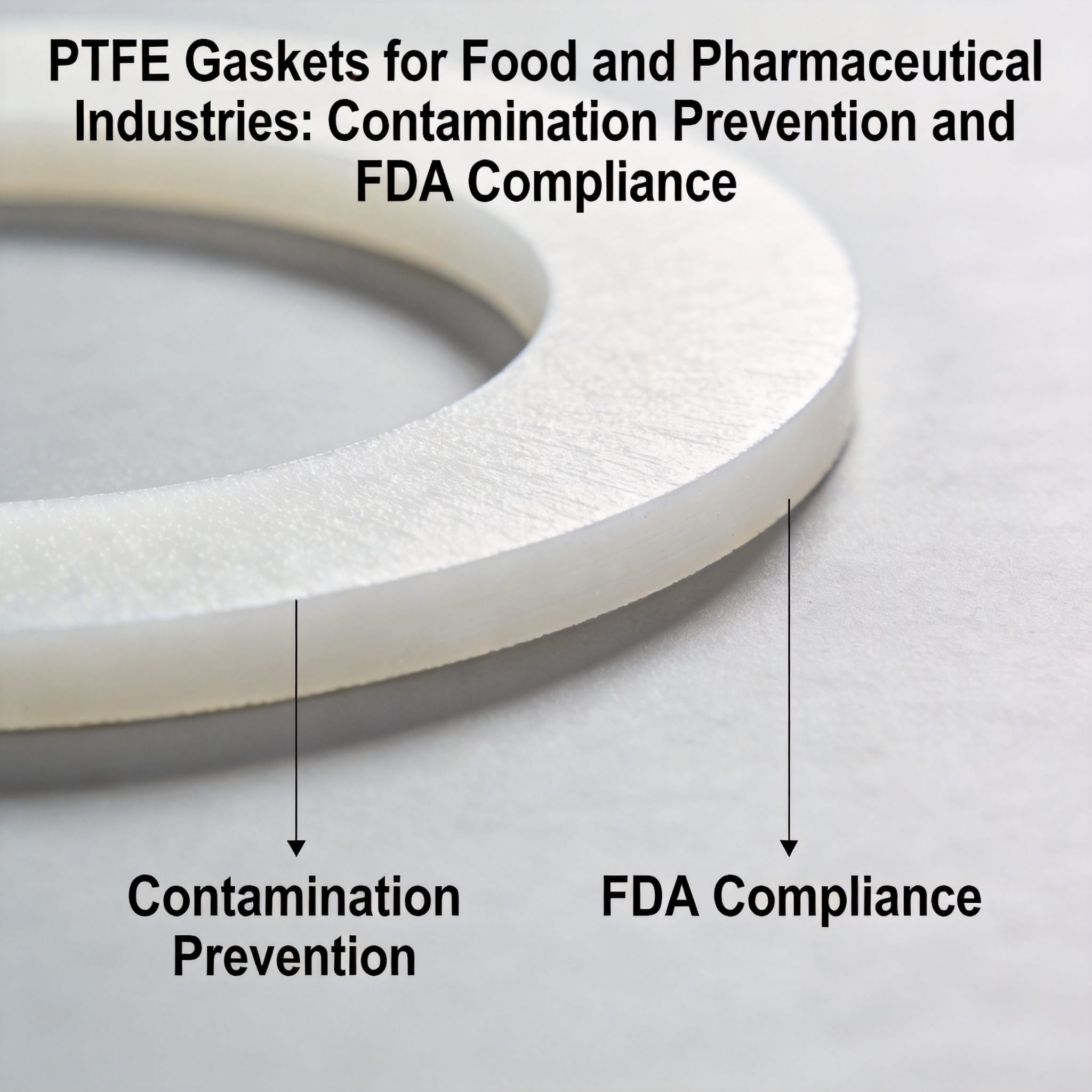
One of the standout features of PTFE gaskets is their chemical resistance. PTFE is virtually inert, meaning it doesn’t react with most chemicals. This property makes PTFE gaskets ideal for use in industries such as chemical processing, pharmaceuticals, and food and beverage, where exposure to aggressive chemicals is common.
PTFE Gasket Thickness and Hardness

The thickness and hardness of a PTFE gasket can significantly influence its performance. PTFE gaskets are available in various hardness levels, typically measured using the Shore D scale. The hardness you select will depend on the application’s specific requirements, such as the need for flexibility or rigidity.
PTFE Gasket Specification PDF
For detailed information, many manufacturers provide PTFE gasket specification PDFs. These documents typically include comprehensive data on the material properties, dimensions, tolerances, and performance characteristics of PTFE gaskets. Accessing these PDFs can provide valuable insights when selecting the right gasket for your application.
Applications of PTFE Gaskets
Due to their exceptional properties, PTFE gaskets are used in a wide range of applications, including:
- Chemical Processing: PTFE gaskets offer resistance to corrosive chemicals, making them ideal for chemical processing applications.
- Pharmaceuticals: In the pharmaceutical industry, PTFE gaskets provide reliable seals in environments where cleanliness and chemical resistance are crucial.
- Food and Beverage: PTFE’s non-reactive nature and ability to maintain integrity under varying temperatures make it suitable for food and beverage processing.
- Oil and Gas: PTFE gaskets are used in the oil and gas industry for their ability to withstand harsh environments and aggressive substances.
Conclusion
PTFE gaskets are an essential component in many industrial applications due to their unique properties, including high temperature tolerance, chemical resistance, and versatility in dimensions and specifications. By understanding the specific requirements of your application and selecting the appropriate PTFE gasket, you can ensure reliable and effective sealing solutions. Whether you need a high-temperature PTFE gasket or a chemical-resistant solution, PTFE gaskets provide the performance and reliability you need.
For further details, always refer to the PTFE gasket specification PDFs provided by manufacturers and consult with experts to make informed decisions tailored to your specific needs.
Frequently Asked Questions About PTFE Flange Gaskets
Q: What is the standard thickness for a PTFE flange gasket?
A: The most widely‑used standard thickness for industrial PTFE flange gaskets is 1.5 mm (1/16 inch) for ASME‑compliant steel flanges in general‑purpose piping systems. 0.8 mm (1/32 inch) is common for flat‑face, high‑precision flanges with minimal flange misalignment. 3.2 mm (1/8 inch) is selected for warped flanges, glass‑lined equipment or uneven sealing surfaces, though higher creep risk exists under high bolt load. Custom thicknesses are available for non‑standard flange requirements.
Q: What is the temperature limit for PTFE gaskets?
A: Standard PTFE gaskets operate reliably across a continuous temperature range of -200 °C to 260 °C (-328 °F to 500 °F). Short‑term peak excursions can reach approximately 315 °C, but sustained operation above 260 °C will accelerate material degradation and creep failure. Both virgin and filled‑PTFE grades follow this core thermal boundary; fillers mainly improve mechanical performance rather than drastically raising maximum service temperature.
Q: How does Virgin PTFE compare to Filled PTFE for gaskets?
A: Virgin PTFE is 100% pure PTFE resin. It delivers maximum chemical inertness and material purity, ideal for pharmaceutical, food‑grade and ultra‑corrosive media. Its main weakness is cold‑flow (creep) deformation under sustained bolt pressure, limiting its performance in high‑pressure services.
Filled PTFE adds glass, carbon or graphite fillers to reduce creep and improve compressive strength, wear resistance and pressure‑handling capacity. It performs better under high‑pressure flange conditions. The trade‑off is slightly reduced chemical compatibility for some aggressive media and lower material purity compared to virgin PTFE.


 English
 Russian
 French
 Spanish