
When it comes to sealing solutions, PTFE gasket sheets are a popular choice due to their outstanding properties. Whether you’re dealing with high temperatures, aggressive chemicals, or need a reliable seal, PTFE sheets have you covered. This guide explores everything you need to know about PTFE gasket sheets, from their properties to their specifications.
Polytetrafluoroethylene, or PTFE, is a synthetic fluoropolymer known for its exceptional chemical resistance and non-stick properties. PTFE gasket sheets are used in various industries for sealing applications due to their unique characteristics.

Key Properties of PTFE Sheets
PTFE sheets are renowned for several key properties, making them ideal for demanding applications:
- Chemical Resistance: PTFE is virtually inert, meaning it can withstand exposure to most chemicals without degrading. This makes PTFE sheets suitable for sealing applications involving acids, bases, and solvents.
- High Temperature Resistance: PTFE can endure temperatures ranging from -328°F to 500°F (-200°C to 260°C) without losing its structural integrity. This makes it perfect for both cryogenic and high-temperature applications.
- Non-Stick Surface: The non-stick nature of PTFE prevents materials from adhering to its surface, reducing the risk of build-up and contamination.
- Low Friction: PTFE exhibits one of the lowest coefficients of friction of any solid, reducing wear and extending the life of the gasket.
- Insulating Properties: PTFE is an excellent electrical insulator, which can be beneficial in applications where electrical conductivity is a concern.

PTFE Gasket Sheet Dimensions and Specifications
Understanding the dimensions and specifications of PTFE gasket sheets is crucial for selecting the right sheet for your application.
PTFE Sheet Thickness and Tolerance
PTFE sheets come in a variety of thicknesses, typically ranging from 0.5mm to 5mm. The thickness you choose will depend on the specific requirements of your sealing application. Thicker sheets provide more durability and strength, while thinner sheets offer flexibility.
Tolerance levels in PTFE sheets are generally tight, ensuring precision in applications. The typical tolerance for PTFE sheets can range from ±0.1mm to ±0.2mm, depending on the manufacturer and the thickness of the sheet.
Standard Dimensions
PTFE gasket sheets are available in a range of standard dimensions, usually in sheets of 1000mm x 1000mm or 1200mm x 1200mm. However, custom sizes can also be manufactured to meet specific needs.
PTFE Gasket Material Specifications
When selecting a PTFE gasket sheet, consider the following material specifications:
- Density: Standard density for PTFE is around 2.16g/cm³, but this can vary slightly based on the manufacturing process.
- Tensile Strength: PTFE sheets typically have a tensile strength of about 20-30 MPa, which ensures durability under pressure.
- Elongation: PTFE can elongate up to 300%, allowing it to maintain a seal even when subjected to movement or expansion.

Applications of PTFE Gasket Sheets
PTFE gasket sheets are used across numerous industries due to their versatility and reliability. Here are some common applications:
Chemical Industry
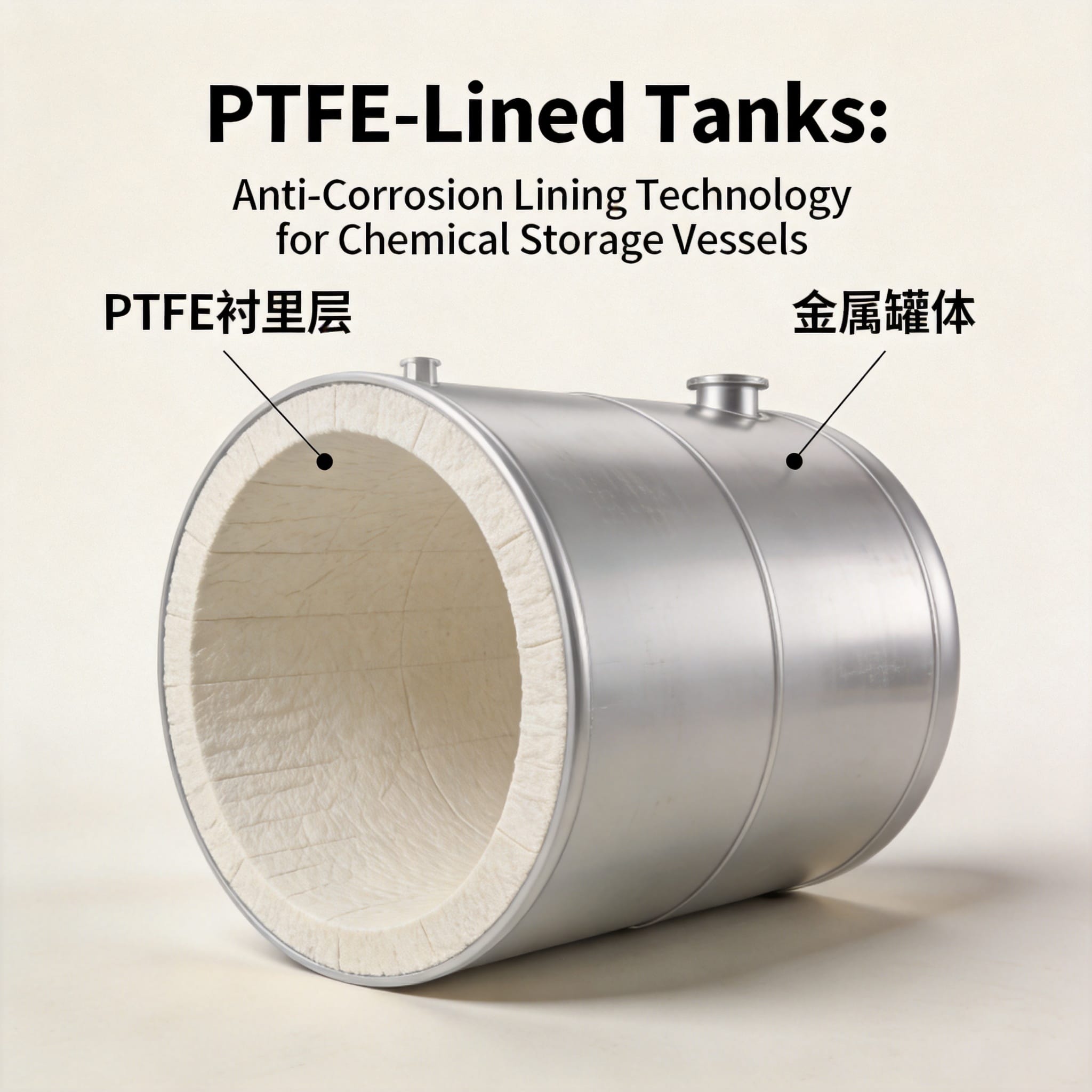
In the chemical industry, PTFE gasket sheets are used to seal pipes, tanks, and reactors. Their chemical resistance ensures that they can withstand harsh environments without degradation.
Food and Beverage Industry
PTFE’s non-stick and non-toxic properties make it ideal for use in the food and beverage industry. It’s used to seal equipment and machinery to prevent contamination.
Pharmaceutical Industry
In pharmaceuticals, PTFE gaskets are used in applications that require a high level of purity and resistance to aggressive cleaning agents.
Oil and Gas Industry
The oil and gas industry relies on PTFE sheets for their high-temperature resistance and ability to seal in harsh environmental conditions.
Choosing the Right PTFE Gasket Sheet
Selecting the right PTFE gasket sheet involves considering several factors:
Chemical Compatibility
Ensure that the PTFE sheet is compatible with the chemicals it will be exposed to. Despite PTFE’s broad chemical resistance, certain highly reactive chemicals may require specific grades of PTFE.
Temperature Range
Consider the operating temperature range of your application and ensure the PTFE sheet can handle these conditions without losing performance.
Pressure Requirements
Evaluate the pressure conditions the gasket will be subjected to. PTFE sheets can withstand high pressures, but it’s important to choose a thickness that provides the necessary support.
Environmental Conditions
Consider any environmental factors such as exposure to UV light or moisture, as these can impact the long-term performance of the PTFE gasket.
Conclusion
PTFE gasket sheets offer exceptional performance across a range of demanding applications due to their unique properties. By understanding their specifications and how to choose the right sheet for your needs, you can ensure reliable and efficient sealing solutions.
Whether you’re sealing in the chemical, food, pharmaceutical, or oil and gas industries, PTFE gasket sheets are a versatile and dependable option. With the right selection and application, PTFE sheets can significantly enhance the longevity and performance of your sealing solutions.

 English
 Russian
 French
 Spanish