
Imagine a world where industrial processes are not just efficient but remarkably seamless, where the operation of complex machinery feels almost effortless. This is not merely a vision of the future but a reality that can be unlocked with the right technological innovation. Enter the realm of PTFE lined butterfly valve technology—a game-changer in the field of fluid control systems. These valves offer unparalleled resistance to corrosion and high temperatures, ensuring longevity and reducing the need for frequent replacements.
In industries where precision and durability are paramount, the PTFE lined butterfly valve stands as a testament to modern engineering’s ability to address long-standing challenges. Whether you’re dealing with harsh chemicals or seeking to streamline operational efficiency, this technology could be the key to unlocking significant improvements. In this blog post, we delve into how this seemingly simple yet sophisticated solution can revolutionize your industrial processes, saving time, money, and resources while enhancing overall performance.
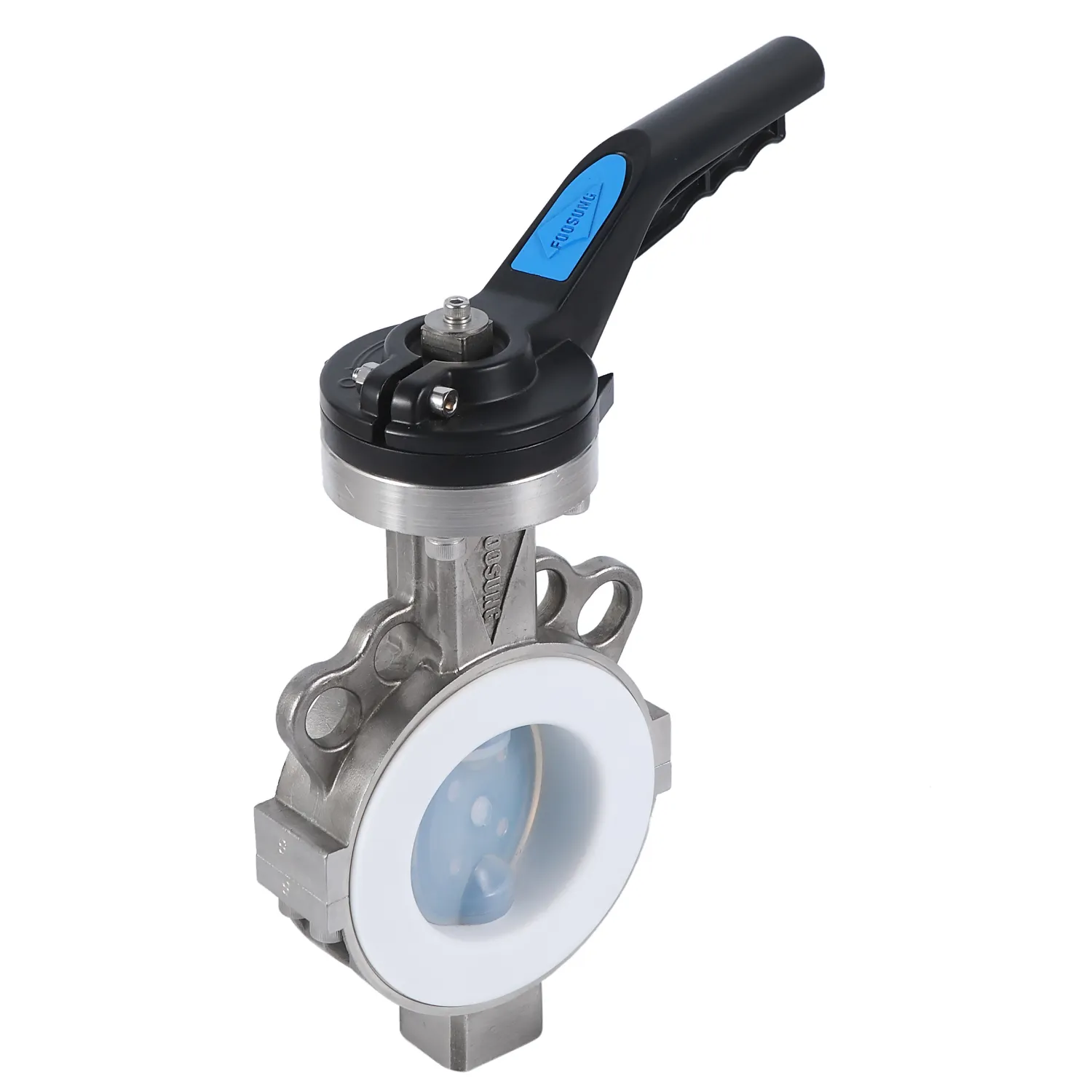
Understanding PTFE Lined Butterfly Valve Technology
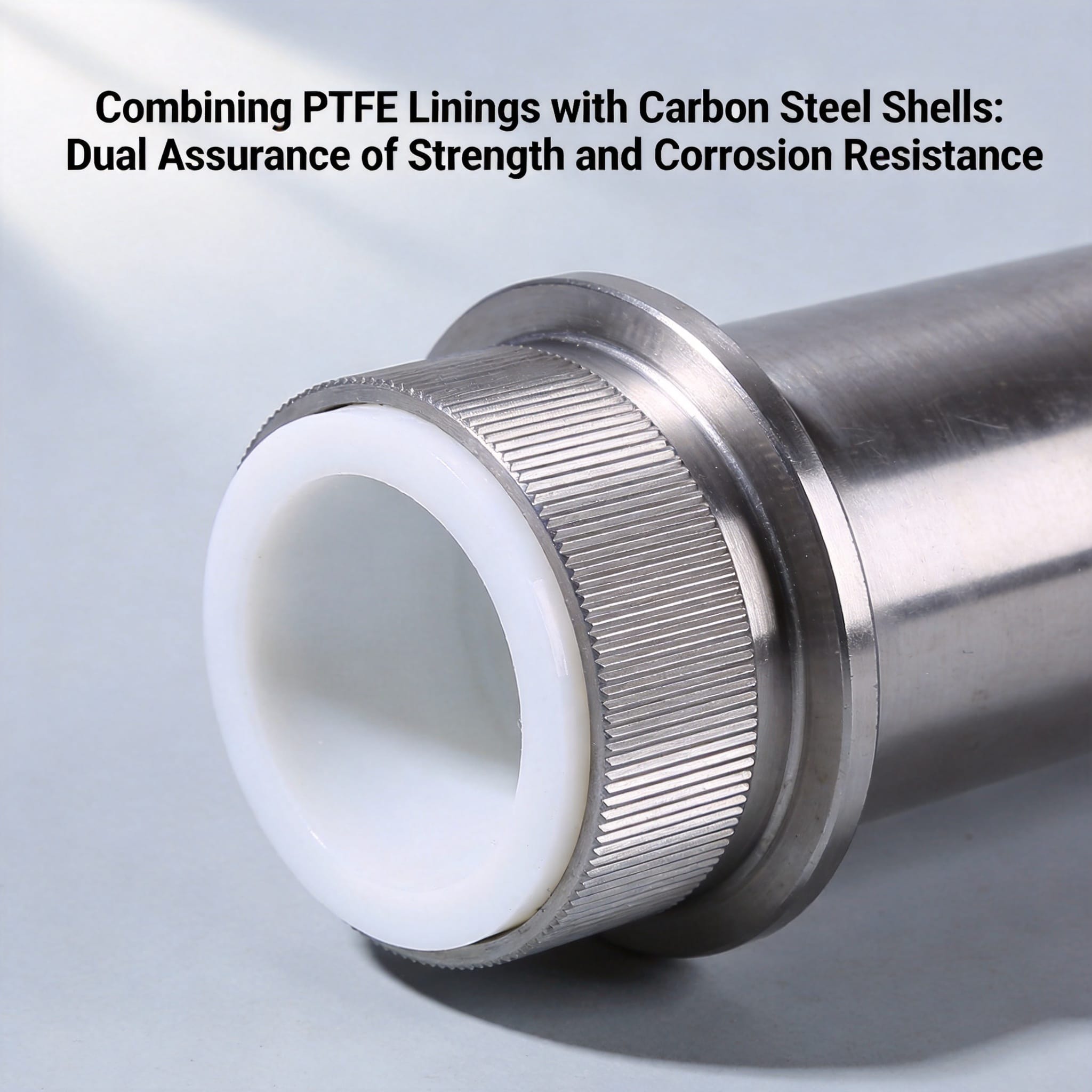
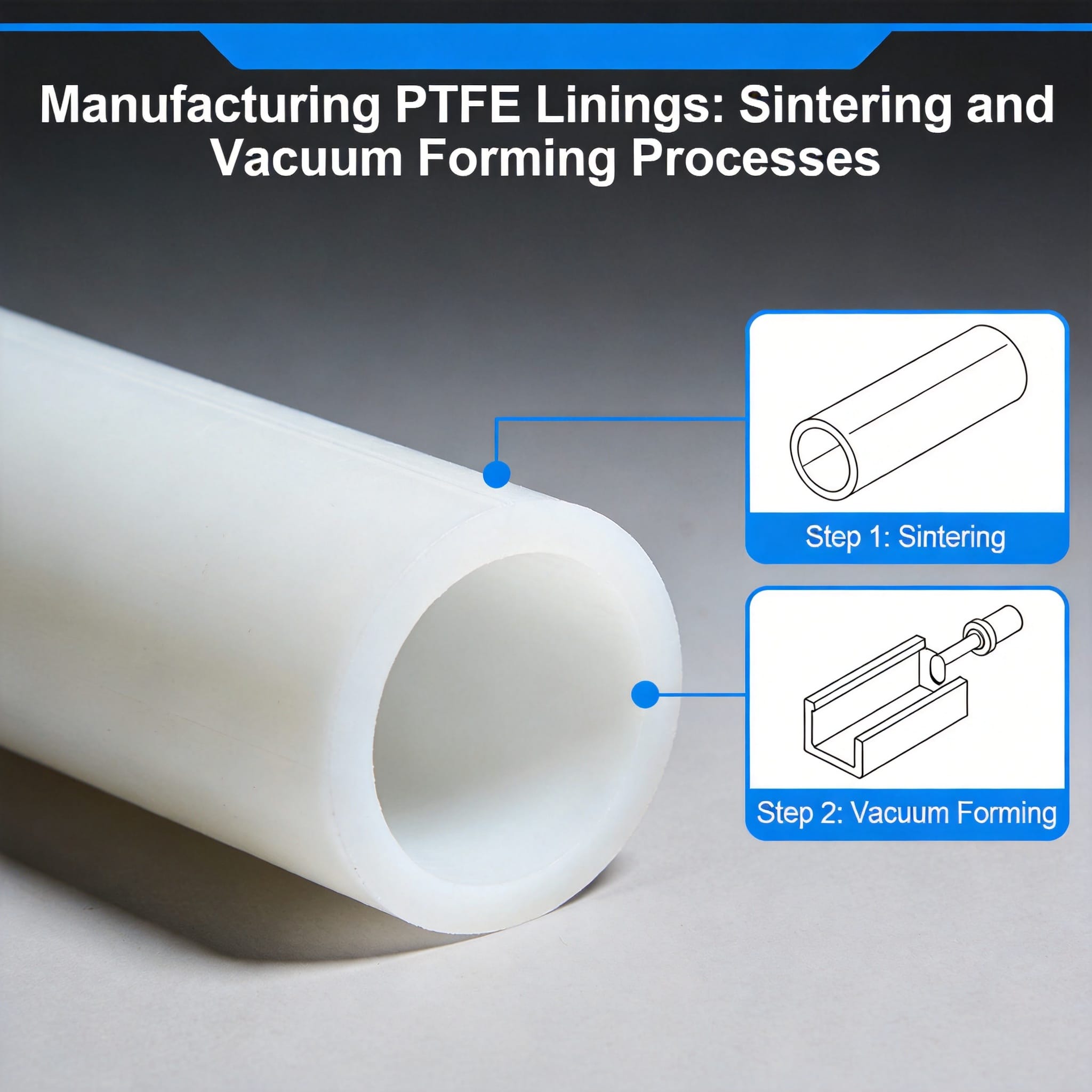
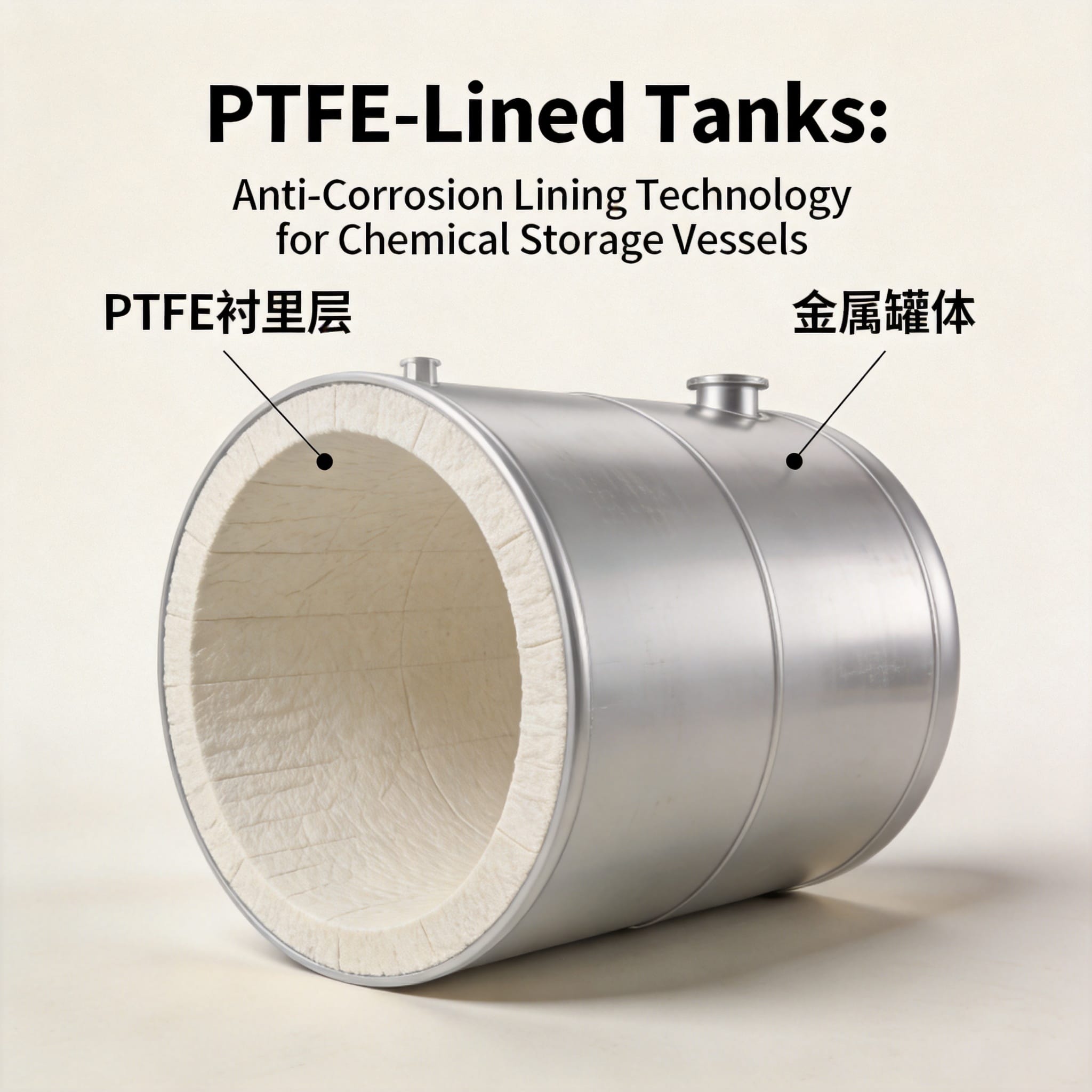
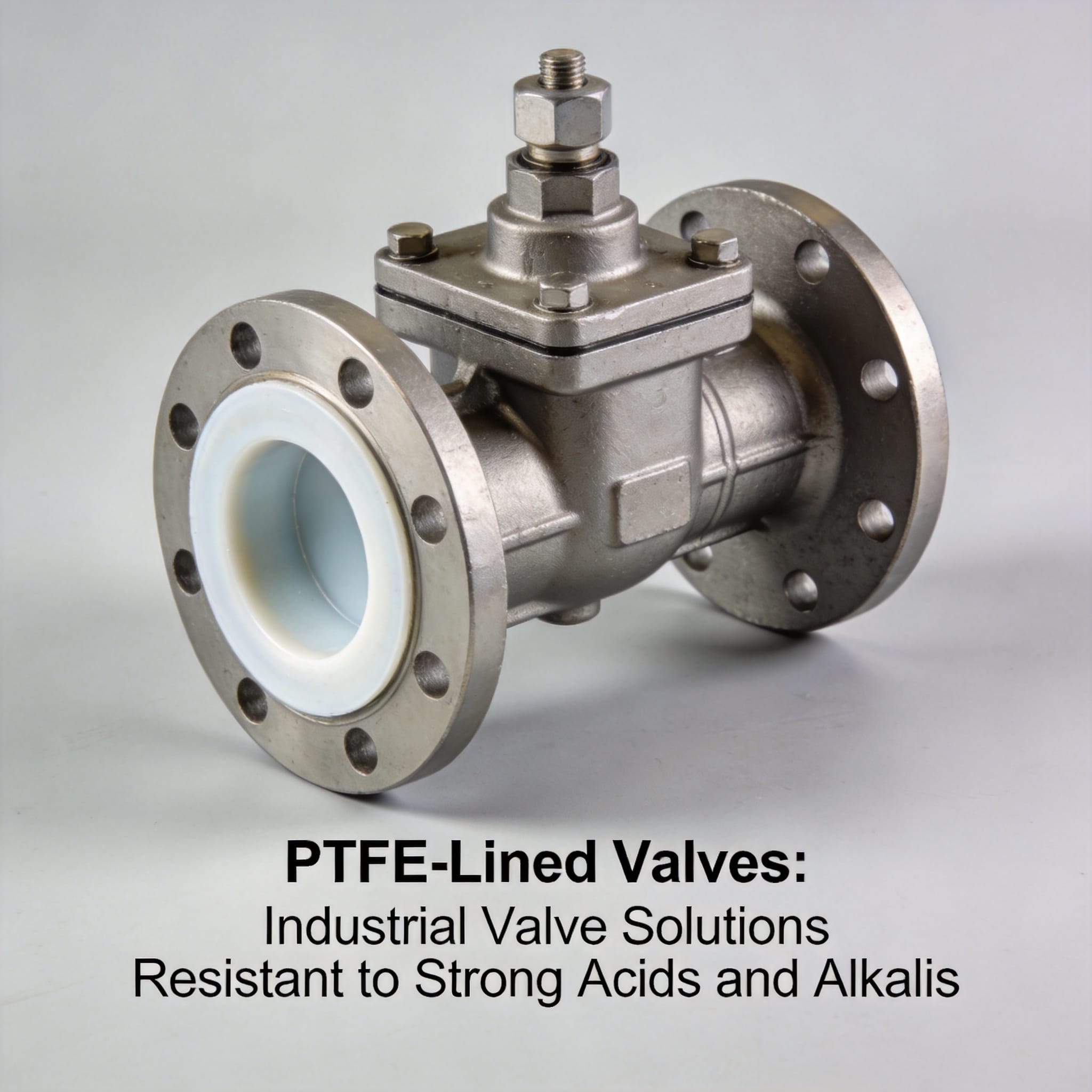
The ptfe lined butterfly valve combines the proven design of a quarter-turn butterfly valve with a polytetrafluoroethylene (PTFE) lining that protects internal components from corrosion and chemical attack. At its core, the butterfly valve features a circular disc mounted on a rotating shaft; when the shaft turns, the disc either blocks or allows flow within a pipe. The innovation lies in lining the valve body and disc surfaces with PTFE, a synthetic fluoropolymer known for its exceptional chemical inertness, low friction, and high-temperature tolerance. This lining creates a barrier between the process medium and the base metal, ensuring longevity and reliability even in the most aggressive environments.
PTFE’s unique molecular structure gives it non-stick properties that help prevent buildup, fouling, and wear—common issues in conventional valves. The lining also enhances sealing performance, often achieving bubble-tight shutoff that minimizes leakage. Designers may choose full or partial PTFE linings depending on pressure and temperature requirements, and variations such as glass-reinforced PTFE can further improve mechanical strength. Additionally, modern ptfe lined butterfly valves often incorporate elastomeric O-rings and backup rings for improved sealing integrity. The result is a highly versatile valve solution that balances performance, durability, and cost-effectiveness across a broad spectrum of industrial applications.
Applications in Harsh Chemical Environments
In chemical processing plants, exposure to aggressive acids, alkalis, solvents, and corrosive gases can quickly degrade standard valve materials. The ptfe lined butterfly valve provides a robust answer by offering chemical compatibility with most media, including sulfuric and hydrochloric acids, caustic soda, solvents, and chlorinated compounds. With its inert PTFE lining, the valve prevents process fluid from coming into contact with base metals, thus eliminating corrosion, embrittlement, and pitting that could lead to premature failure.
Pharmaceutical and biotech facilities often require sanitary designs with stringent cleaning protocols. The smooth, non-porous PTFE surface resists biofilm formation and simplifies CIP (Clean-In-Place) procedures, reducing downtime and contamination risks. Meanwhile, in wastewater treatment plants, these valves handle slurries, pH extremes, and abrasive particulates with minimal maintenance. Petrochemical refineries and offshore platforms also benefit from PTFE-lined valves, as the lining can withstand exposure to sour gas (H2S) and other challenging streams without compromising safety or performance. By choosing ptfe lined butterfly valves, engineers can maintain process integrity, extend maintenance intervals, and achieve reliable operation in some of the harshest chemical environments on the planet.
Comparing PTFE Lined Butterfly Valves with Traditional Valve Systems
Traditional valve systems, such as metal-seated ball valves or rubber-lined butterfly valves, have long been used for fluid control. However, each comes with limitations. Metal-seated ball valves offer high-pressure performance but can suffer from galling and corrosion when exposed to aggressive chemicals. Rubber-lined butterfly valves provide good chemical resistance but often lack the temperature tolerance and abrasion resistance required for certain applications. In contrast, the ptfe lined butterfly valve bridges these gaps by combining chemical inertness with a wide operating temperature range (up to 260 °C for pure PTFE) and excellent wear resistance.
When comparing installation and operational costs, ptfe lined butterfly valves generally weigh less and occupy less space compared to bulky metal-seated designs, translating to lower support structure requirements. Their simplified wafer or lug-style bodies allow for quick in-line replacement and reduced downtime. Maintenance teams also appreciate the ability to service seats and seals without removing the entire valve from the pipeline. In terms of flow control, the butterfly design offers rapid on/off operation and finer throttling capabilities than many knife gate or plug valves. Overall, the ptfe lined butterfly valve delivers a balanced solution, outperforming traditional systems in corrosive, high-temperature, and space-constrained scenarios.
Future Trends and Innovations in PTFE Lined Butterfly Valve Technology
As industrial demands evolve, manufacturers are pushing the boundaries of ptfe lined butterfly valve design with advanced materials and smart features. Modified PTFE composites, reinforced with glass or carbon fibers, enhance mechanical strength and reduce cold flow under high pressure. Novel fluoropolymer blends are also being explored to expand temperature limits and provide even greater chemical durability.
Digital transformation plays a significant role as well. Integration of position sensors, torque monitors, and IoT-enabled actuators allows real-time valve diagnostics, predictive maintenance, and remote control. These smart valves help prevent unplanned shutdowns by alerting operators to seat wear, leakage trends, or actuator performance issues before they escalate. Meanwhile, additive manufacturing (3D printing) is enabling customized valve geometries and rapid prototyping, reducing lead times for specialized PTFE-lined components. Looking ahead, expect to see further miniaturization for microfluidic applications and hybrid designs that combine PTFE lining with other high-performance coatings to tackle extreme process challenges. Together, these innovations will continue to push ptfe lined butterfly valves toward new levels of efficiency, reliability, and sustainability.
Conclusion: Transforming Industrial Processes with PTFE Lined Butterfly Valves
The ptfe lined butterfly valve represents a pivotal advancement in fluid control technology, offering unmatched corrosion resistance, durability, and operational flexibility. By lining critical valve surfaces with PTFE, industries can achieve longer service life and reduced maintenance, even under the harshest chemical and temperature conditions.
As future innovations bring smarter, stronger, and more customizable solutions, the role of PTFE-lined butterfly valves in streamlining industrial processes will only grow more significant. Embracing this technology means unlocking new levels of efficiency, safety, and cost savings in fluid handling applications across the globe.

 English
 Russian
 French
 Spanish