
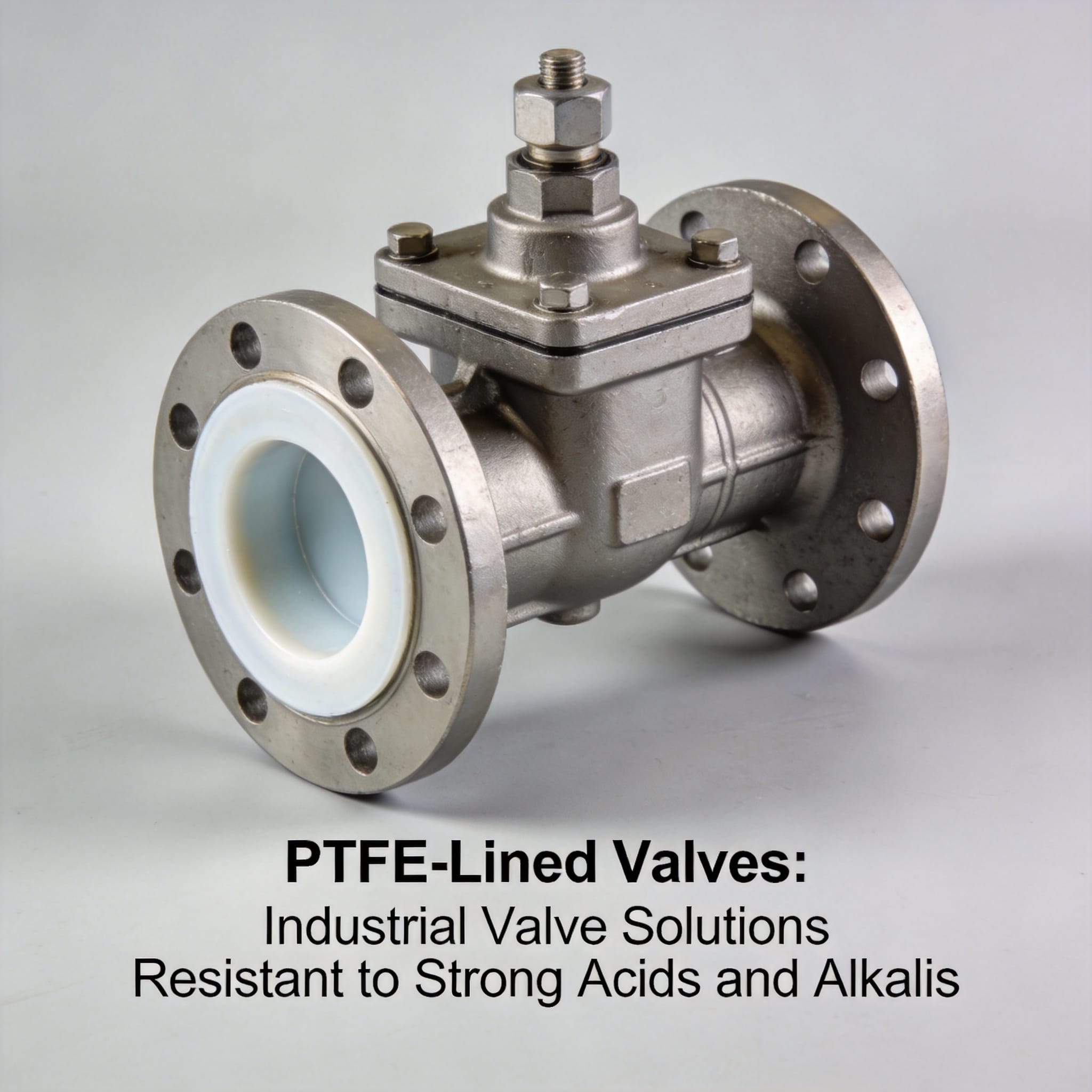
In an industry where precision and efficiency are paramount, the introduction of the PTFE-lined valve marks a transformative leap in flow control technology. But what makes these PTFE lined valves truly stand out is their unparalleled ability to handle corrosive substances with grace and resilience. Imagine a world where expensive equipment no longer succumbs to the erosive forces of harsh chemicals, where maintenance is reduced to an occasional check rather than a frantic scramble. This innovation not only promises enhanced longevity and reliability but also assures safety in environments that demand the utmost care.
Beyond their robust nature, PTFE lined valves are revered for their versatility across various applications—from chemical processing plants to pharmaceutical manufacturing. The secret to their success lies in their unique composition, which combines the superior corrosion resistance of PTFE with the structural strength of traditional valve materials. This fusion ensures that they meet the stringent demands of modern industries without compromise, setting a new benchmark for operational excellence. As we dive deeper into their benefits and applications, it becomes clear that PTFE lined valves are not just a component, but a cornerstone of industrial progression.

The Evolution of PTFE Lined Valves
The story of the PTFE lined valve begins in the mid-20th century with the development of polytetrafluoroethylene (PTFE) by DuPont. Initially celebrated for its nonstick properties in cookware, PTFE’s chemical inertness soon caught the attention of engineers seeking solutions to aggressive media handling. Early valve designs relied solely on metals, which, despite their strength, rapidly degraded in the presence of acids, bases, and solvents. Engineers responded by introducing polymeric linings to mitigate corrosion, but many early liners lacked the durability or purity required for rigorous industrial use.
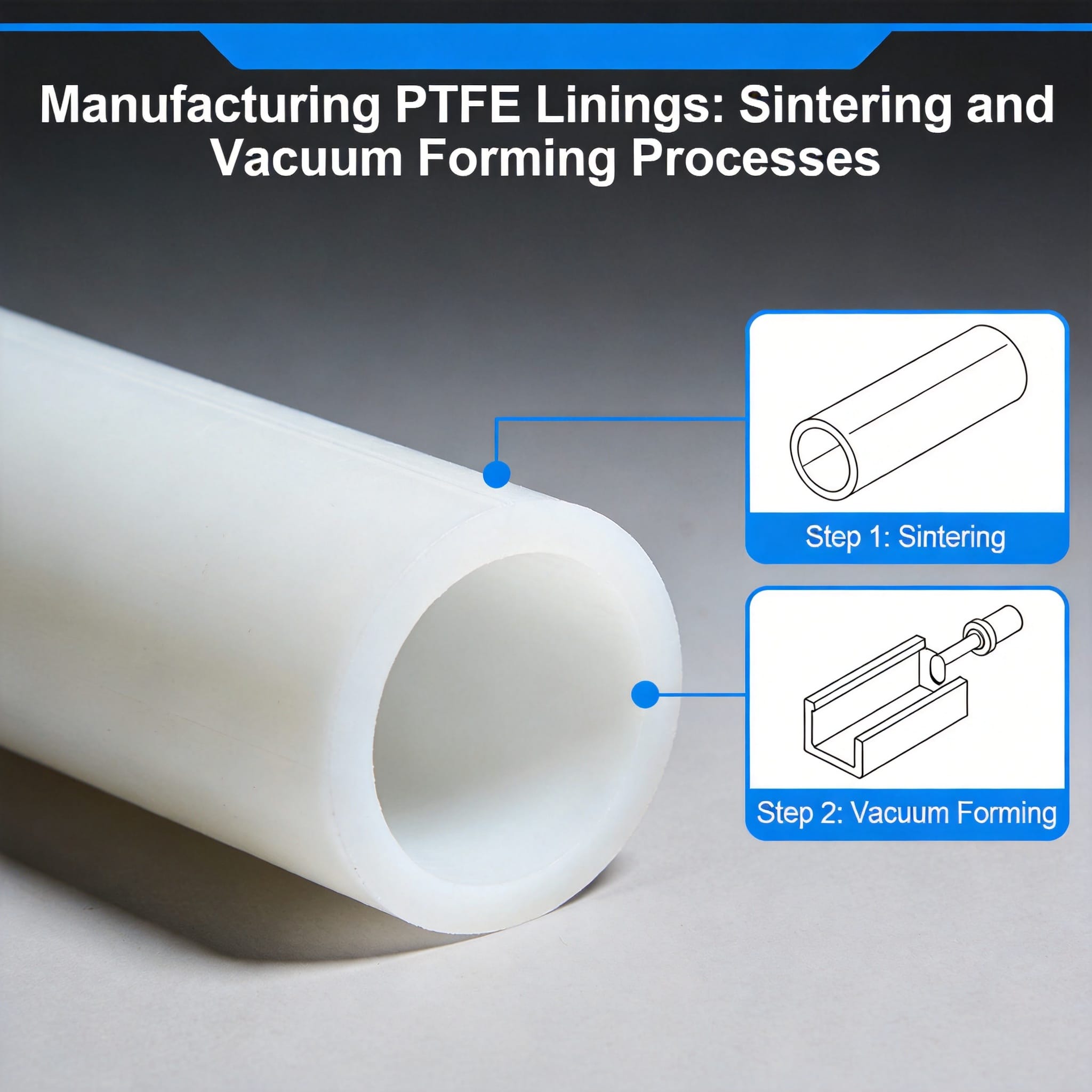
Through decades of material science advancement, PTFE emerged as the lining of choice, offering unmatched chemical resistance across a wide pH range and temperatures up to about 260°C. The integration of PTFE into valve interiors transformed process equipment by drastically reducing wear and contamination risks. Today’s PTFE lined valves combine precision-machined metal bodies with seamless, sintered PTFE coatings that bond securely to the substrate. This evolution has enabled industries previously hampered by corrosive flow media to operate with greater confidence and efficiency than ever before.
Structural Strength and Reliability
At the heart of the PTFE lined valve’s appeal is its structural integrity. A robust metal body—often forged carbon steel, stainless steel, or exotic alloys—provides the mechanical strength needed to handle high pressures and mechanical stresses. The PTFE liner acts as a corrosion shield, preserving the metal core from chemical attack. This combination ensures that operators gain both the durability of a traditional valve and the chemical protection of advanced polymers.
Reliable performance over extended service intervals is a hallmark of a quality ptfe lined valve. Advanced manufacturing methods, such as isostatic molding or compression lining, create a uniform PTFE thickness that prevents thinning or detachment under cyclic pressure changes. Additionally, precision-engineered sealing faces and gland designs maintain leak-tight operation, even in demanding process conditions. The result is a valve that delivers consistent performance, minimizes unplanned downtime, and upholds stringent safety standards in critical applications.
Enhanced Longevity and Reduced Maintenance
The exceptional chemical resistance of PTFE greatly extends valve service life, translating directly into lower lifecycle costs. By preventing pitting, erosion, and chemical degradation, the liner ensures that internal valve surfaces remain smooth and intact, eliminating common failure modes seen in unlined metal valves. This durability reduces the frequency of part replacements and on-stream maintenance, enabling facilities to schedule maintenance during planned shutdowns rather than react to emergency leaks or performance losses.
Maintenance routines for PTFE lined valves are notably simplified. The inert nature of PTFE resists fouling and contamination, facilitating easier cleaning procedures and minimizing the need for harsh cleaning chemicals. Technicians can often inspect liners visually or with simple non-destructive testing, avoiding complex repairs. Over time, these savings in labor, materials, and downtime add up, providing a compelling return on investment for industries where continuous operation and safety are paramount.
Safety Assurance in Hazardous Environments
In facilities handling toxic, flammable, or carcinogenic substances, safety is the highest priority. The PTFE lined valve plays a critical role in preventing leaks, spills, and cross-contamination. Its liner forms an impermeable barrier against aggressive chemicals, ensuring that hazardous media remain contained within the pipework at all times. This containment drastically reduces the risk of equipment corrosion leading to catastrophic failure.
Beyond chemical compatibility, PTFE lined valves support compliance with stringent environmental and occupational regulations. Their smooth, inert surfaces minimize product build-up, lowering the risk of gas pockets or blockages that can trigger pressure surges. Additionally, PTFE’s non-reactivity ensures that no harmful byproducts form during normal operation, preserving both product purity and operator health. For plants working with high-purity applications—such as semiconductor manufacturing or pharmaceutical production—the safety assurances offered by PTFE lined valves are indispensable.
Versatility Across Industries
The adaptability of PTFE lined valves makes them a go-to solution in sectors ranging from petrochemicals and refining to food and beverage processing. In the chemical industry, they handle aggressive acids, alkalis, and solvents without degradation, enabling continuous reaction and transfer processes. Pharmaceutical and biotech plants rely on them to maintain product purity, preventing contamination that could compromise yields or safety.
Water treatment facilities benefit from PTFE lined valves in dosing and chemical feed systems, where chlorine and other oxidants would rapidly corrode unprotected metals. In pulp and paper operations, they manage bleaching liquor and pulping chemicals under high temperatures and pressures. Even in cryogenic services, specialized PTFE grades retain flexibility and sealing performance at sub-zero temperatures. This cross-industry versatility underscores the PTFE lined valve’s role as a universal component in modern flow control technology.
Conclusion: The Future of Flow Control Technology
As industries demand ever higher performance, reliability, and safety, the role of the PTFE lined valve will only grow more significant. Emerging applications in renewable energy, advanced materials manufacturing, and clean technologies call for corrosion-resistant solutions that maintain integrity under extreme conditions.
With ongoing material innovations and manufacturing refinements, PTFE lined valves are poised to set new standards in flow control. By combining unmatched chemical resistance with mechanical robustness, they ensure that process engineers can focus on optimization rather than equipment limitations, driving the next wave of industrial excellence.

 English
 Russian
 French
 Spanish