
When you think about the marvels of modern medicine, you might picture advanced technology or groundbreaking medications. Yet, some of the most significant transformations stem from the integration of materials like PTFE in medical devices. This unassuming yet powerful polymer has quietly revolutionized healthcare, providing solutions that blend innovation with reliability. PTFE, or polytetrafluoroethylene, has become a cornerstone in applications ranging from precision medical tubing to life-saving cardiovascular devices.
The versatility of PTFE used in medical devices is nothing short of astonishing. Its non-reactive nature and biocompatibility make it ideal for creating safe and effective solutions such as PTFE catheters and surgical instruments. Imagine the delicate precision of a surgical procedure, where every instrument relies on the strength and flexibility of PTFE to ensure a successful outcome. In this post, we’ll delve into the world of PTFE, exploring its diverse applications and uncovering how this remarkable material continues to push the boundaries of what’s possible in healthcare. Whether it’s within implants or sutures, PTFE’s role in the medical field is undeniably transformative, silently weaving its magic to enhance patient care.

The Origins of PTFE in Medical Devices
PTFE, a versatile material with a low coefficient of friction and excellent chemical resistance, has revolutionized modern healthcare through its wide application in medical devices. Initially developed by DuPont in the 1940s, PTFE’s biocompatibility, durability, and non-stick properties make it ideal for catheters, guidewires, and other critical medical tools. Its widespread use in minimally invasive surgeries and implantable devices underscores PTFE’s significance in enhancing patient outcomes and improving overall healthcare practices, showcasing how innovative materials like PTFE continue to drive advancements in the medical field.
PTFE Catheters: A Key Application in Modern Medicine
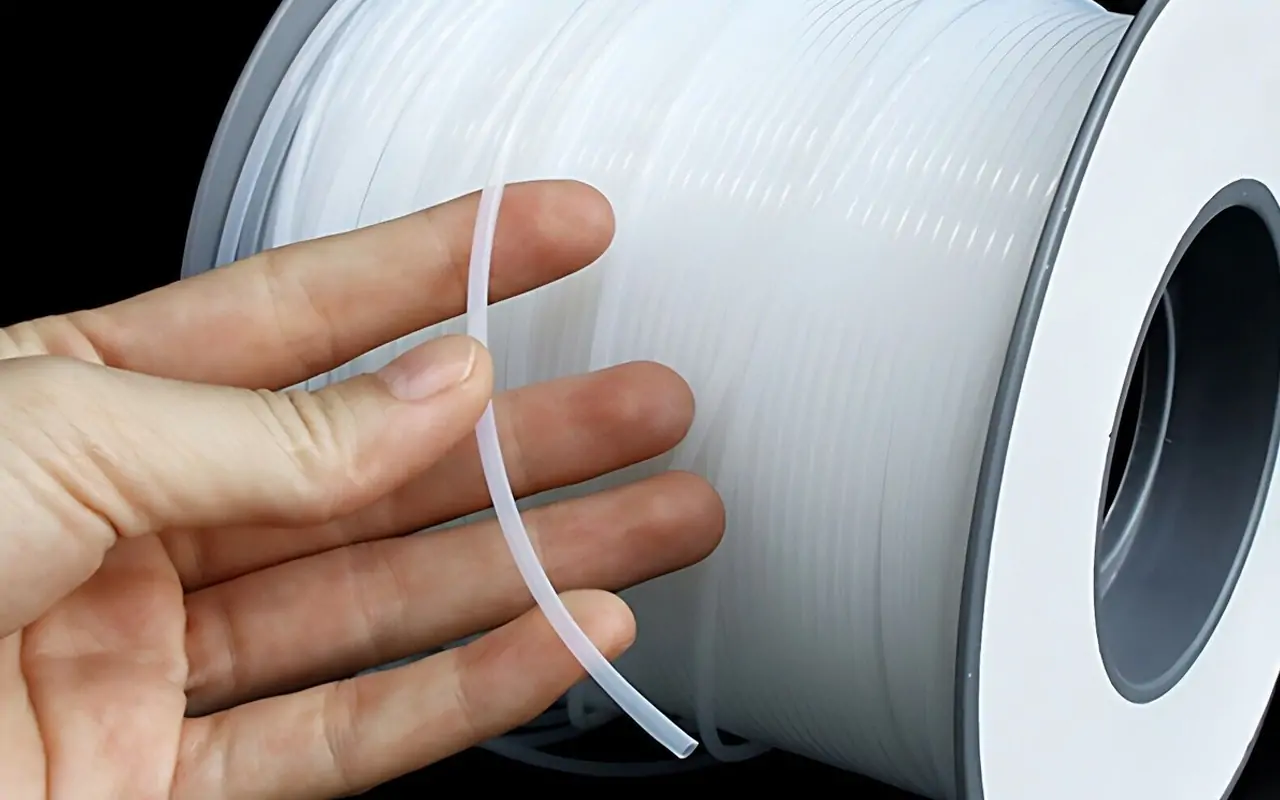
PTFE catheters play a crucial role in modern medicine, embodying innovation and precision. These catheters, crafted from PTFE, exhibit exceptional biocompatibility, flexibility, and durability, making them a cornerstone in various medical procedures. Their versatility enables safe navigation through blood vessels, ensuring accurate delivery of medications and treatments.
In the realm of medical devices, the utilization of PTFE is transformative, revolutionizing healthcare practices. Known for its non-stick and low-friction properties, PTFE enhances the performance and longevity of catheters, contributing to improved patient outcomes. With continuous advancements in material science, PTFE catheters stand out as a key application in modern medicine, underscoring the significance of innovation in enhancing healthcare delivery.
Surgical Instruments Enhanced by PTFE Technology
Surgical instruments have witnessed a remarkable enhancement with the integration of PTFE technology. The use of PTFE in medical devices has revolutionized modern healthcare practices. PTFE, known for its non-stick and heat-resistant properties, plays a crucial role in ensuring precision and efficiency during surgical procedures.
Medical professionals rely on instruments coated with PTFE to reduce friction, prevent tissue damage, and enhance overall performance. The incorporation of PTFE in surgical tools has significantly improved patient outcomes by enabling smoother and more accurate interventions.
The exceptional biocompatibility of PTFE makes it a preferred choice for medical device manufacturers. Its inert nature minimizes the risk of adverse reactions, making it safe for use in various surgical applications.
In conclusion, the utilization of PTFE in medical devices marks a significant advancement in the healthcare industry. By harnessing the benefits of this innovative technology, healthcare providers can deliver superior care with enhanced precision and safety.
Future Prospects: The Evolving Role of PTFE in Healthcare
PTFE, a versatile material known for its non-stick properties, is revolutionizing the healthcare industry by playing a crucial role in the manufacturing of medical devices. The exceptional biocompatibility of PTFE used in medical devices ensures minimal tissue irritation, making it a preferred material for implants and surgical tools. Its low friction coefficient allows for smooth movement within the body, reducing the risk of tissue damage during procedures.
Furthermore, the evolving role of PTFE in healthcare extends beyond its use in medical devices. From catheters to prosthetics, PTFE enhances patient outcomes by providing durability and reliability in various applications. As technology advances, the unique properties of PTFE continue to drive innovation in the medical field, promising a future where healthcare interventions are safer and more effective.
Conclusion: PTFE’s Ongoing Impact on Healthcare
PTFE used in medical devices continues to revolutionize modern healthcare by offering unparalleled biocompatibility and durability. From catheters to surgical implants, the impact of PTFE in enhancing patient outcomes and reducing the risk of infections cannot be overstated. Its non-stick properties make it ideal for medical applications, ensuring smoother procedures and easier device maintenance. With ongoing advancements in material science, PTFE is poised to play an even more significant role in shaping the future of healthcare technologies.



 English
 Russian
 French
 Spanish