
Short answer: Before replacing a failed PTFE gasket, ask five diagnostic questions: did it leak from the start or after a period (installation fault vs creep), where exactly is the leak path (face, edges, bolts), what changed recently (media, temperature, torque practice, supplier/batch), what does the failed gasket look like (crushed, extruded, blistered, cracked), and was bolt load verified at installation (torque wrench, sequence, re-torque)? Most “bad gasket” failures are joint-system failures wearing a gasket’s face.
Gasket replacement without diagnosis preserves the failure mode. Five minutes with the questions below usually separates material problems from joint problems.
Question 1: Leak Timeline
Immediate leaks point to installation: wrong size, damaged face, misalignment, insufficient torque. Delayed leaks (weeks–months) point to creep-driven bolt-load loss, thermal cycling, or media attack. The timeline is the cheapest diagnostic you own.
Question 2: Leak Path Location
| Location | Typical cause |
|---|---|
| Across the sealing face | Insufficient gasket stress or surface damage |
| At bolt holes / edges | Uneven loading, flange rotation, gap too large |
| Staining around several bolts | Progressive load loss — creep or relaxation |
Question 3: What Changed
New media concentration? New temperature band? New supplier or batch? New maintenance crew or torque practice? Gaskets are the joint’s most visible member but rarely its only variable.
Question 4: Post-Mortem of the Gasket
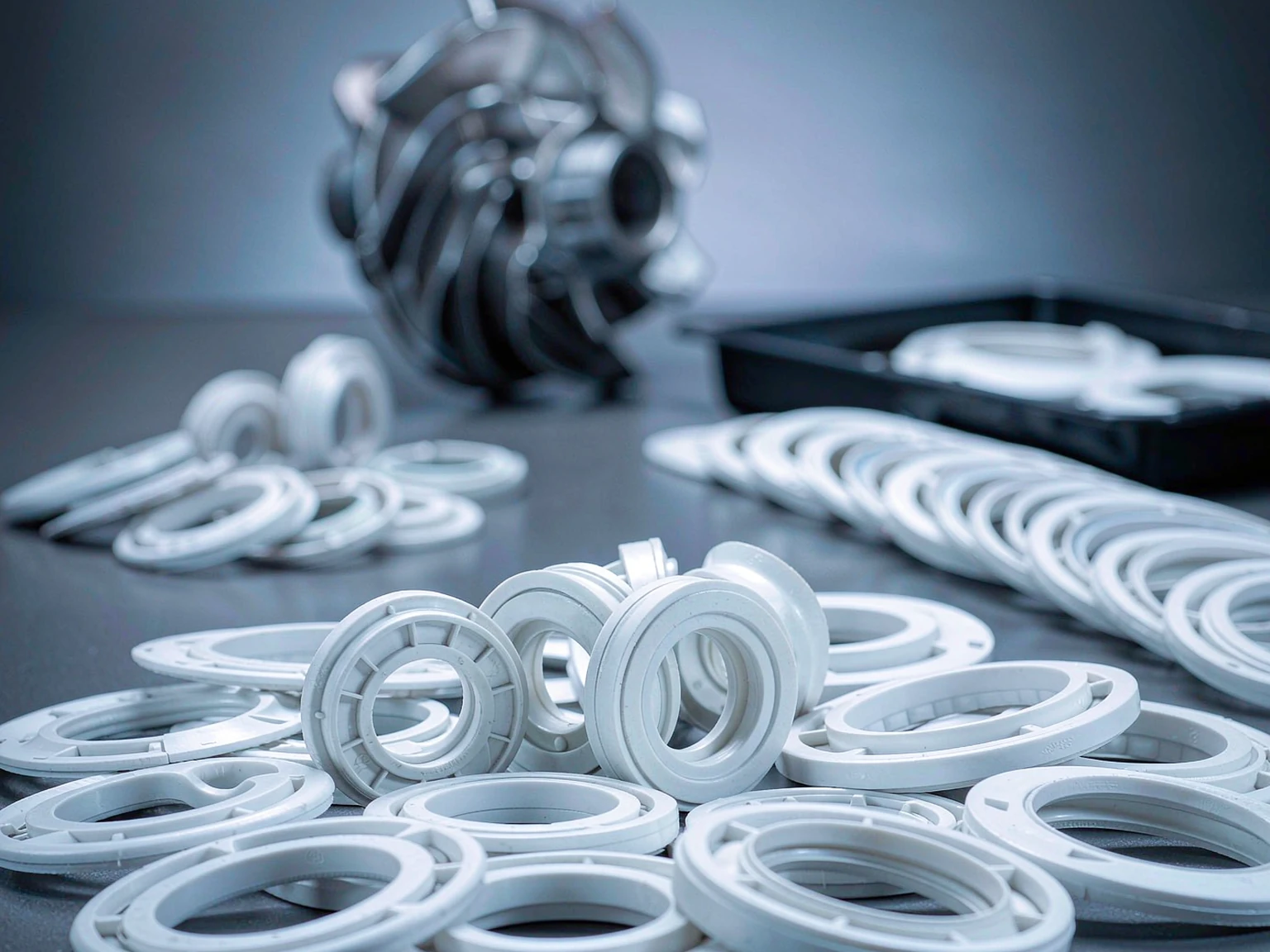
Crushed/thin: overtorque or stress beyond grade limits. Extruded into gaps: gap too large or grade too soft — thickness/filled-grade question. Blistered/discolored: permeation or thermal excursion. Clean and intact: the gasket didn’t fail — the joint did; look at flange flatness and bolting.
Question 5: Installation Practice
Torqued with a wrench in a sequence? Re-checked after first thermal cycle? If the honest answer is “tightened by feel,” fix that before blaming material. Chunhuan supports gasket failure analysis with material verification against lot records — distinguishing “wrong gasket” from “wrong joint” with data.
Frequently Asked Questions
How do I diagnose a leaking PTFE gasket joint?
Five questions: leak timeline (immediate vs delayed), leak path location, recent changes to process or practice, gasket post-mortem appearance, and installation torque practice.
What does a crushed PTFE gasket indicate?
Overtorquing or gasket stress beyond the grade’s limit — check bolt torque values and whether the thickness/grade suits the flange.
What does an intact but leaking gasket mean?
Usually a joint problem: flange flatness, insufficient bolt load, or misalignment. The gasket was the witness, not the culprit.
Why re-check torque after the first thermal cycle?
PTFE creep relaxes the joint during the first heat-up; early re-torque restores load before a leak path opens.

 English
 Russian
 French
 Spanish
