
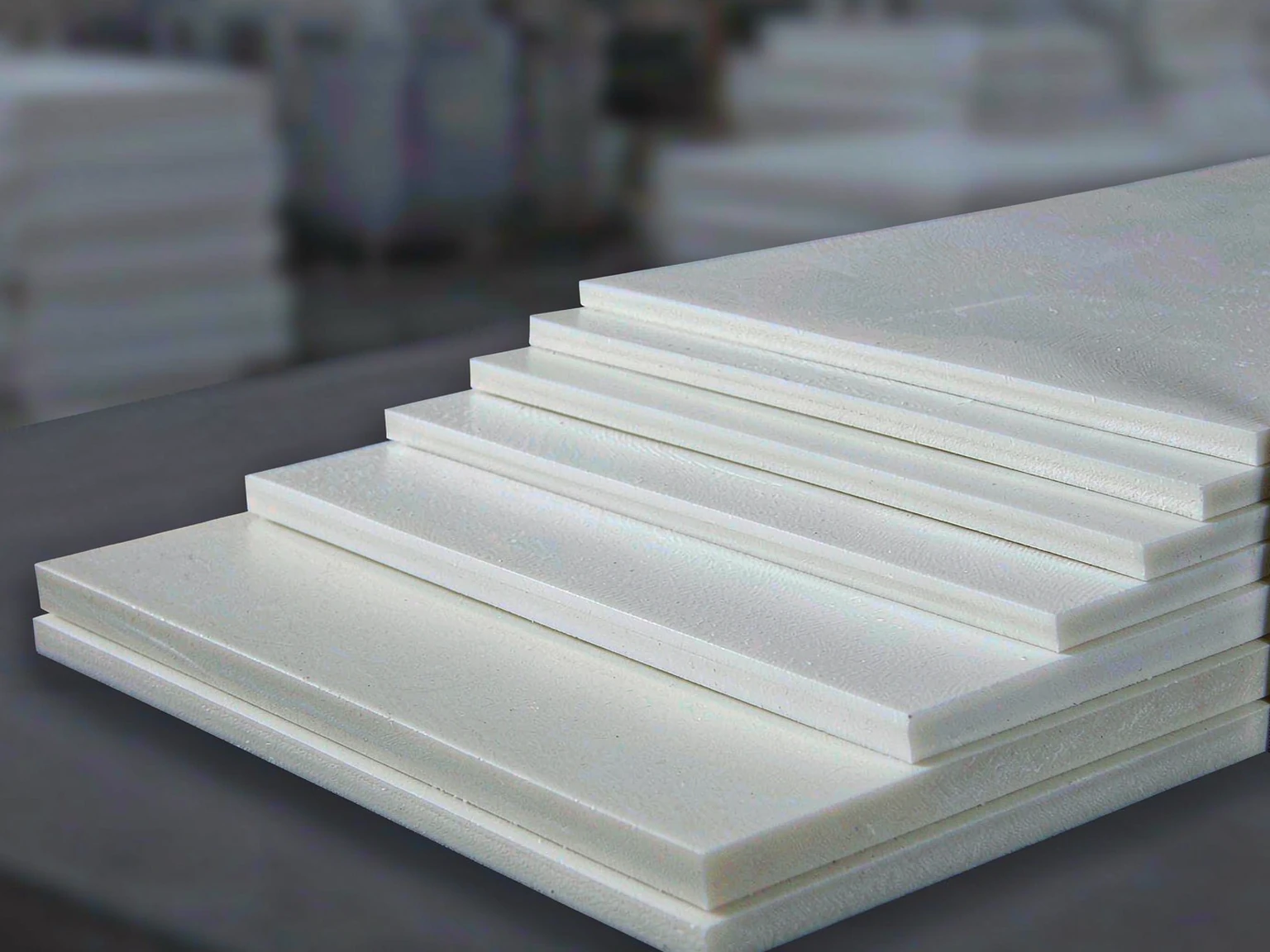
Short answer: a clear PTFE sheet RFQ states thickness with tolerance basis, sheet dimensions, grade (virgin or filler with percentage), sintering route if it matters to the application, quantity, and the certificates required. Add the end use — sheets for gasket cutting, lining and machining have different quality centers.
The RFQ fields that prevent re-quotes
- Thickness + basis: “3 mm ±10% (lot thickness report)” beats “3 mm”.
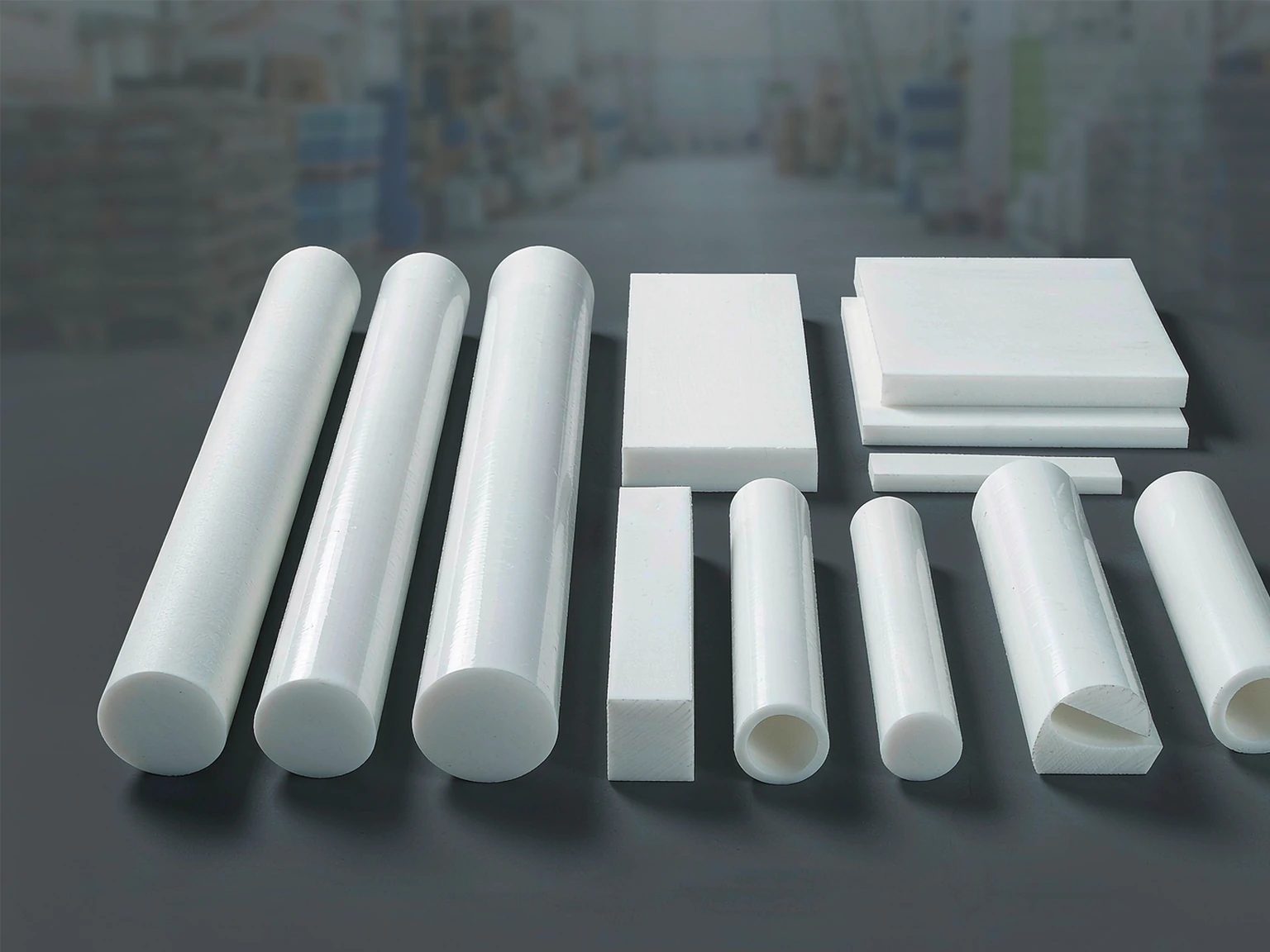
- Dimensions: standard 300–2000 mm squares or custom; note if cutting yield matters (nested parts).
- https://ptfesuppliers.com/product-category/rade: named filler and percentage — or “virgin, electrical grade” where dielectrics matter.
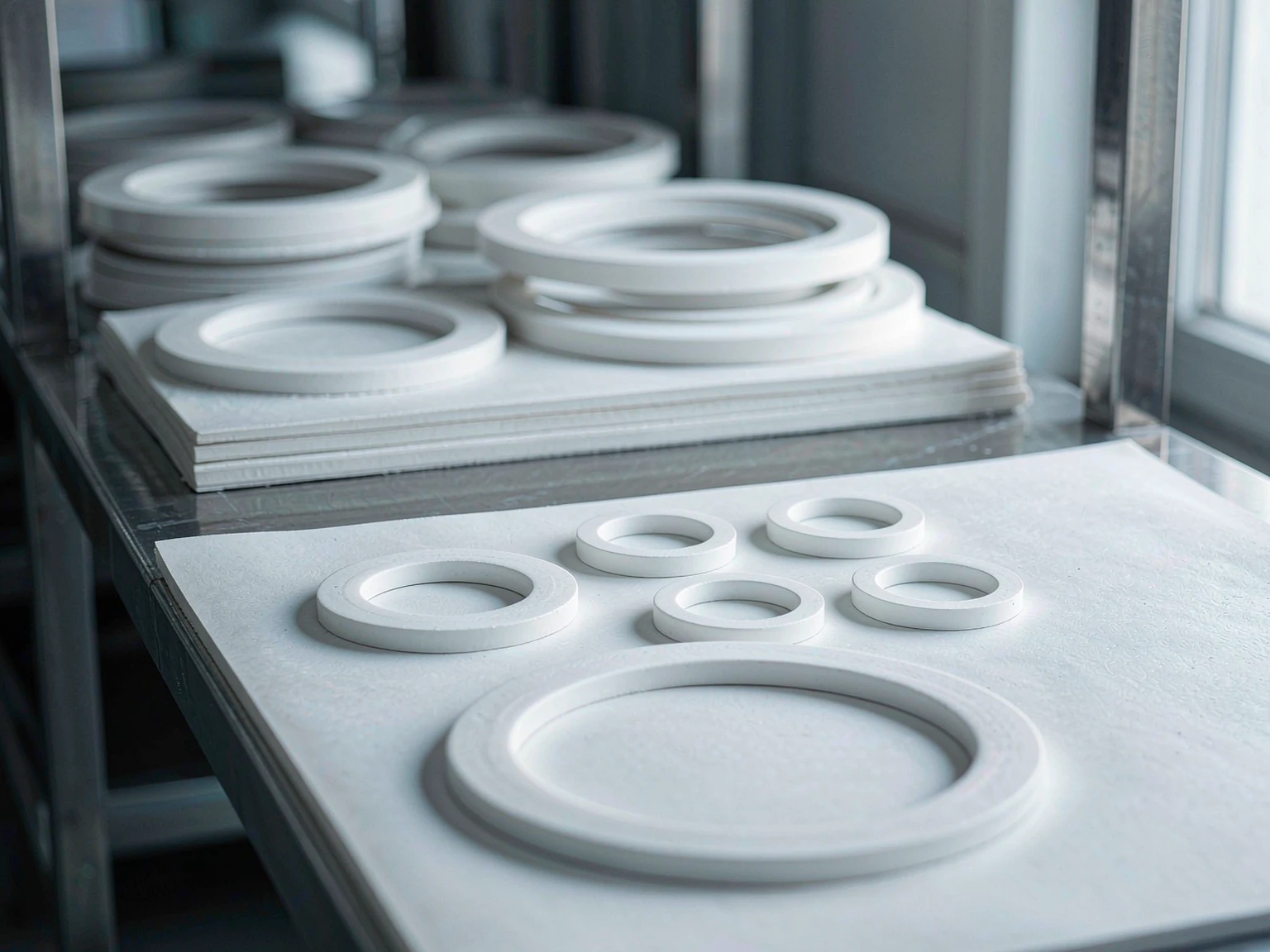
- End use: “gasket stock for die cutting” tells the supplier which properties to prioritize.
- Certificates: thickness report, material values, FDA/RoHS as applicable.
Chunhuan produces skived and molded sheet from 0.1 to 100 mm since 1985 with lot documentation. Send the fields above; a quote without a thickness basis is incomplete.
Frequently Asked Questions
What should a PTFE sheet RFQ include?
Thickness with tolerance basis, dimensions, named grade, end use, quantity and required certificates.
Why state the end use?
Gasket stock, lining and machining sheet have different quality centers — it tells the maker what to prioritize.
What thickness tolerance is standard?
About ±8-10% commercial; tighter by agreement, verified by lot thickness reports.



 English
 Russian
 French
 Spanish
