
Imagine a world where machinery operates seamlessly, where components fit together with precision and grace, free from the wear and tear of relentless friction. This isn’t just wishful thinking; it’s the reality that PTFE seals strive to create every day. Often unnoticed yet critically important, these small but mighty components serve as guardians of efficiency, ensuring systems run smoothly and effectively. But to truly appreciate their role, one must delve into the specifics—what exactly is a PTFE seal, and what makes it so indispensable in today’s industrial landscape?
Born from a revolutionary discovery in polymer technology, PTFE seals have transformed how we approach machinery maintenance and longevity. Known for their incredible resistance to chemicals and extreme temperatures, PTFE seals aren’t just a fleeting trend; they’re a cornerstone of modern engineering. Whether it’s keeping airplanes safe in the skies or ensuring our kitchen appliances function without fail, understanding what a PTFE seal is and its applications will enlighten you on why these seals play a pivotal role in our everyday lives, often going unnoticed yet never unappreciated by those who rely on them.

The Evolution of PTFE Seals in Engineering
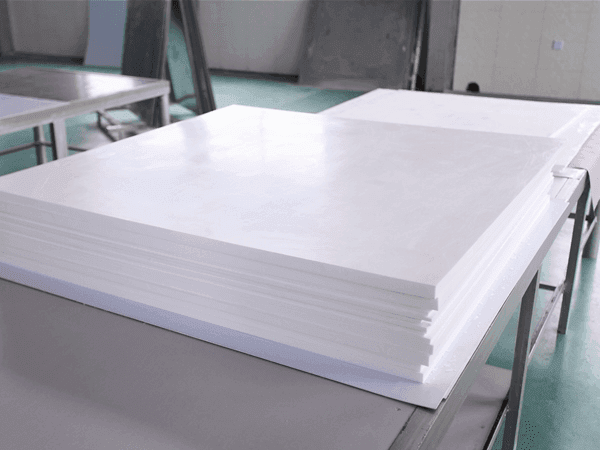
The story of PTFE seals began in the late 1930s when chemist Roy Plunkett accidentally discovered polytetrafluoroethylene while working for DuPont. Initially lauded for its remarkable nonstick properties—famously popularized in cookware—engineers soon recognized that PTFE’s low coefficient of friction and outstanding chemical resistance could revolutionize sealing technology. Early seals were simple rings and gaskets, but over the decades, advanced molding techniques and precision machining have allowed manufacturers to produce complex PTFE seal geometries tailored for specific applications.
As industries demanded greater reliability, the material’s evolution accelerated. In the 1950s and ’60s, PTFE seals replaced traditional rubber and metal counterparts in high-temperature and chemically aggressive environments. The development of filled PTFE compounds—reinforced with glass, carbon, or bronze—further enhanced performance, enabling seals to withstand higher pressures and improve wear resistance. Today, PTFE seal design benefits from computer-aided engineering (CAE), allowing simulation of real-world conditions before production. This iterative refinement underscores why many technicians ask “what is PTFE seal” when seeking the most durable, low-friction sealing solution available.
The Chemistry Behind PTFE: Why It’s Ideal for Sealing Applications
At the heart of every PTFE seal lies the unique structure of polytetrafluoroethylene—a polymer composed of a carbon backbone fully surrounded by fluorine atoms. This distinct configuration creates exceptionally strong carbon–fluorine bonds, giving PTFE its trademark chemical inertness and resistance to nearly all corrosive substances. Unlike many plastics, PTFE remains stable from cryogenic temperatures as low as –200 °C up to continuous use near 260 °C, making it an outstanding choice for both extreme cold and high-heat sealing applications.
Understanding what PTFE seal from a chemical standpoint means appreciating how the fluorine “shell” repels water, oils, acids, and bases alike. The low surface energy of PTFE also translates into a minimal coefficient of friction—often cited as one of the lowest among solid materials—ensuring surfaces slide against each other smoothly. This combination of thermal stability, chemical resistance, and low friction sets PTFE apart from other polymers and elastomers, cementing its reputation as the go-to material for critical sealing tasks in demanding environments.
Key Features and Properties of PTFE Seals
PTFE seals boast a variety of properties that make them essential in modern machinery. First and foremost is their exceptional chemical resistance—PTFE resists virtually all solvents, acids, and bases, safeguarding equipment exposed to aggressive media. Complementing this is a remarkably low coefficient of friction, which reduces wear on rotating or reciprocating shafts and extends the service life of seals and mating surfaces.
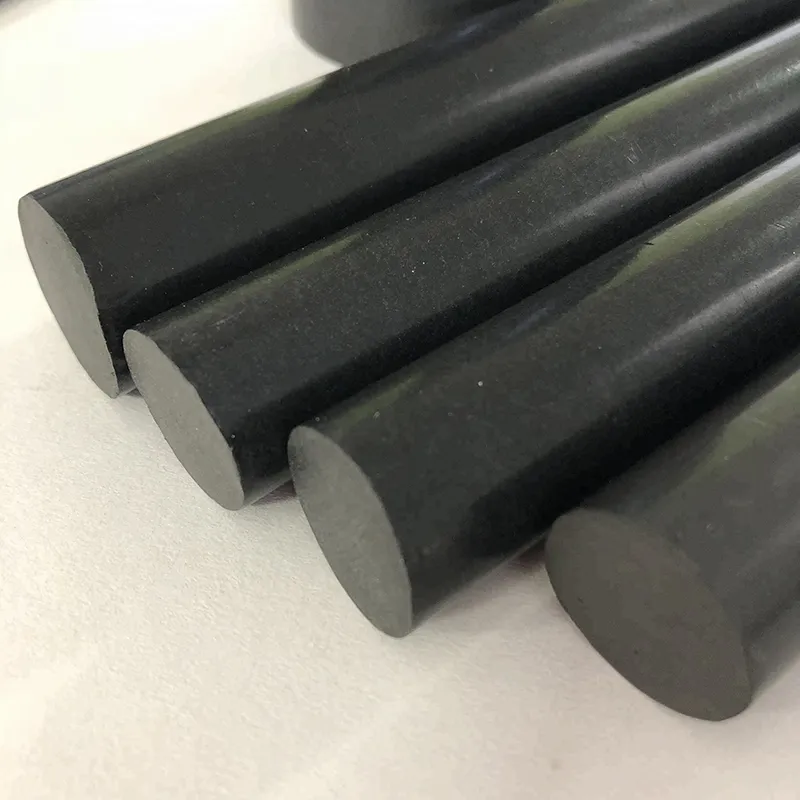
Beyond chemical and tribological advantages, PTFE exhibits excellent thermal stability, functioning reliably from deep freeze operations up to temperatures approaching 260 °C. The material’s inherent nonstick nature prevents fouling and buildup of particles, simplifying maintenance. Furthermore, modified PTFE compounds—infused with fillers like carbon or bronze—offer enhanced mechanical strength, improved conductivity, or reduced cold flow, giving engineers flexibility to tailor seals for specific pressure, speed, and load requirements.
Applications of PTFE Seals Across Industries
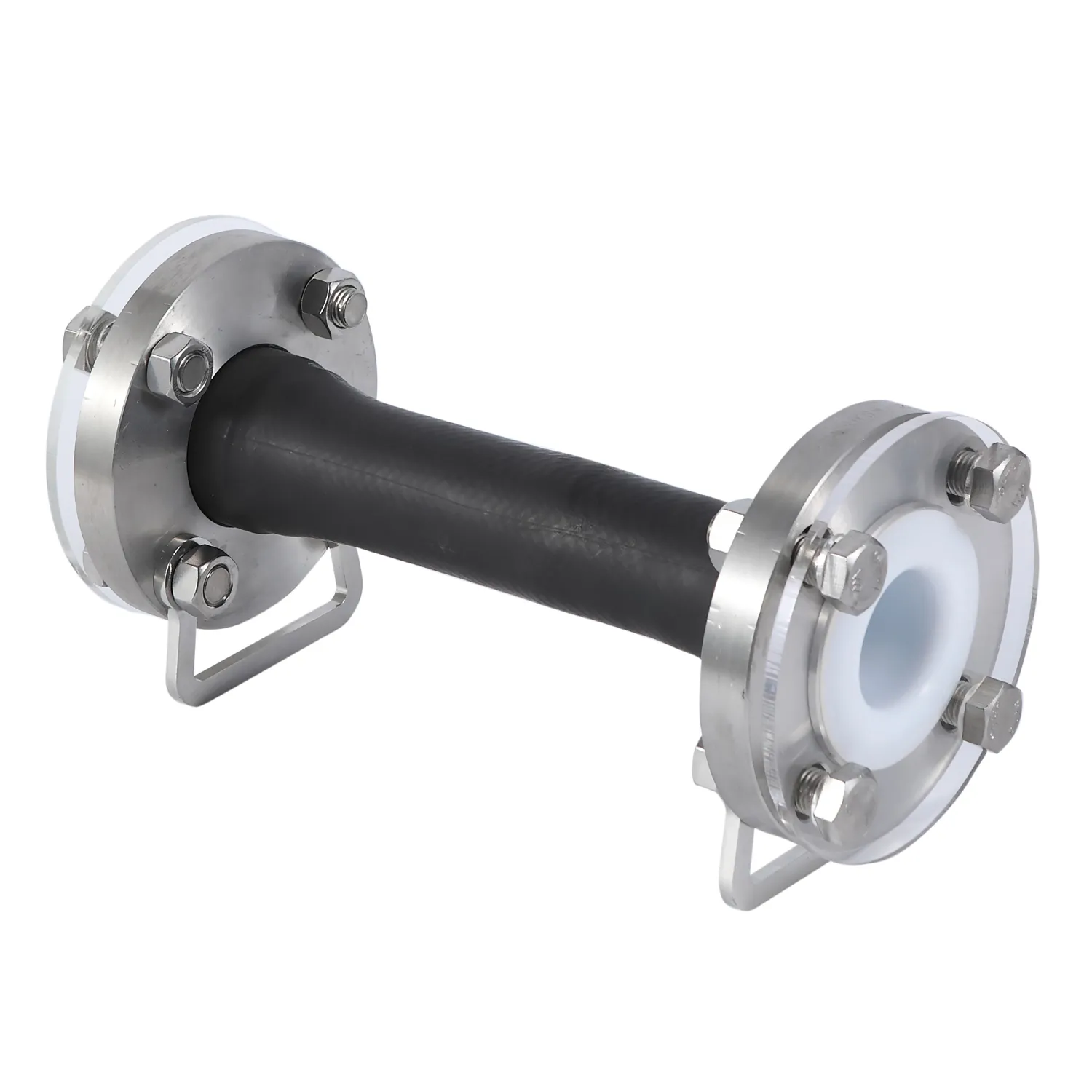
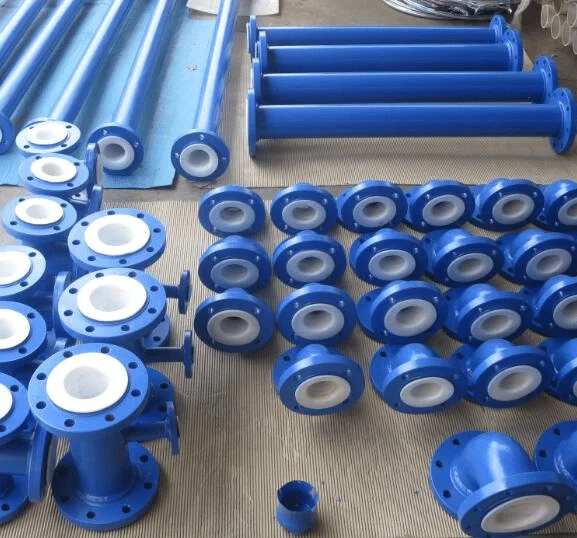
PTFE seals have found widespread use in sectors where reliability and performance are non-negotiable. In the oil and gas industry, they serve as packings and gaskets in pumps and valves exposed to corrosive fluids, maintaining leak-free operation under high pressures and temperatures. Chemical processing plants leverage PTFE’s inertness to seal reactors and piping systems carrying aggressive acids and solvents.
The food and beverage sector benefits from PTFE’s nonreactive, FDA-compliant grades, which ensure sanitary seals in mixing, filling, and packaging equipment. Aerospace applications demand lightweight parts with extreme temperature tolerance—qualities inherent to PTFE seals that help maintain hydraulic and fuel systems at high altitudes. Even in pharmaceuticals and biotechnology, PTFE seals provide contamination-free barriers in sterile environments, making them indispensable for critical manufacturing processes.
Factors to Consider When Choosing PTFE Seals
Selecting the right PTFE seal involves careful evaluation of service conditions. Temperature and pressure ratings must match or exceed operational demands to prevent seal deformation or leakage. Media compatibility is equally crucial—while unfilled PTFE resists most chemicals, filled variants may offer superior wear characteristics and stability under dynamic motion.
Dynamic applications, such as reciprocating pumps and rotating shafts, call for low-friction compounds or spring-energized PTFE seals that maintain contact under varying loads. Static seals—such as O-rings and gaskets—can often rely on pure PTFE, but designers must consider factors like cold flow and torque requirements. Additional considerations include industry standards and certifications (e.g., FDA, USP, ATEX), dimensional tolerances, installation methods, and cost-efficiency. Consulting with seal manufacturers or specialists can streamline the selection process, ensuring optimal performance and longevity.
Conclusion: The Enduring Impact of PTFE Seals on Industrial Efficiency
PTFE seals remain at the forefront of sealing technology, marrying unmatched chemical resistance, broad temperature tolerance, and minimal friction. From aerospace to pharmaceuticals, their versatility and reliability have made them indispensable in applications where failure is not an option.
By understanding what is ptfe seal and recognizing its core advantages, engineers and maintenance professionals can make informed decisions that boost operational efficiency, lower downtime, and extend equipment life. As industries continue to demand higher performance and sustainability, PTFE seals will undoubtedly endure as a foundational component in modern engineering.

 English
 Russian
 French
 Spanish