
1. What is a PTFE seal used for?
A PTFE seal is used to prevent leaks, reduce friction, and protect equipment in various industrial and mechanical systems.
2. Why are PTFE seals preferred over rubber seals?
PTFE seals offer superior chemical resistance, higher temperature tolerance, and lower friction compared to rubber seals.
3. Can PTFE seals handle extreme temperatures?
Yes, PTFE seals can operate effectively in temperatures ranging from approximately -200°C to 260°C.
4. Are PTFE seals suitable for food applications?
Yes, food-grade PTFE seals are safe and widely used in food processing equipment.
5. What industries use PTFE seals?
They are used in oil and gas, traitement chimique, food production, aerospace, automotive, and pharmaceutical industries.
What Is a PTFE Seal and Why It Matters
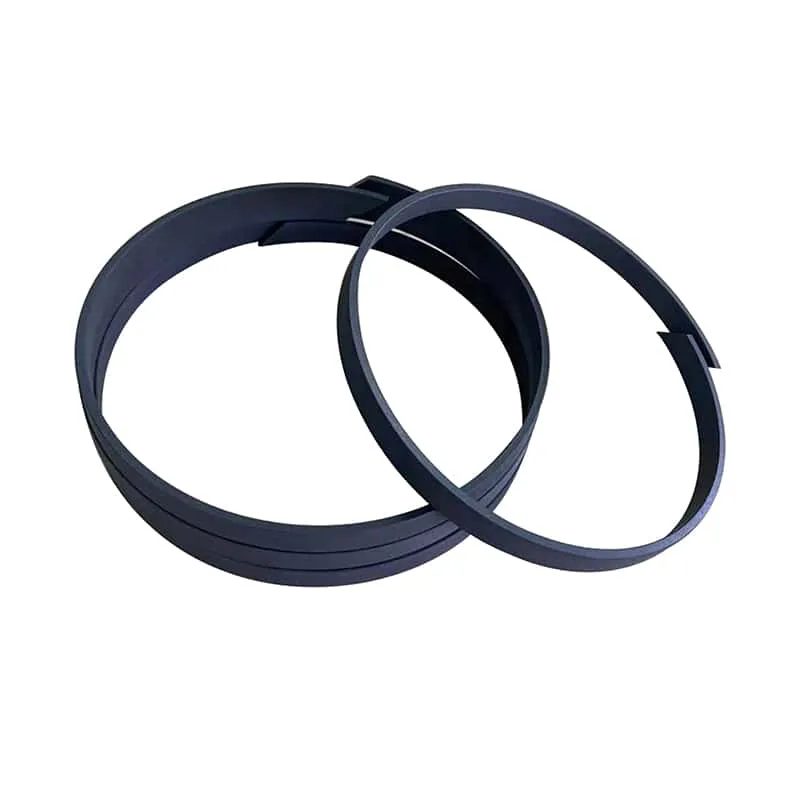
Imagine machinery operating smoothly with minimal wear, where components move with precision and efficiency. This is exactly what a PTFE seal is designed to achieve. Though small in size, PTFE seals play a vital role in reducing friction, preventing leaks, and ensuring long-term system reliability.
A PTFE seal, made from polytetrafluoroethylene, is widely used in modern engineering due to its exceptional performance in demanding environments. From industrial machinery to everyday appliances, it ensures consistent operation and durability.
The Evolution of PTFE Seals in Engineering
The development of PTFE sealing dates back to the late 1930s, when polytetrafluoroethylene was first discovered. Initially valued for its non-stick properties, engineers quickly realized its potential in sealing applications.
Over time, PTFE sealing solutions evolved from simple gaskets to advanced, precision-engineered components. The introduction of filled PTFE materials, reinforced with carbon, glass, or bronze, further improved wear resistance and mechanical strength.
Today, modern PTFE seal design uses advanced simulation and manufacturing technologies, ensuring optimal performance in even the most complex systems.
The Chemistry Behind PTFE Seals
Understanding what a PTFE seal is requires looking at its unique chemical structure. PTFE consists of a carbon backbone surrounded by fluorine atoms, forming extremely strong molecular bonds.
This structure provides:
- Outstanding chemical resistance to acids, bases, and solvents
- Stability across extreme temperatures (from -200°C to 260°C)
- Extremely low surface energy, resulting in minimal friction
These properties make PTFE an ideal material for high-performance sealing applications.
Key Features and Properties of PTFE Seal
Excellent Chemical Resistance
A chemical-resistant seal made from PTFE can withstand aggressive environments without degradation, making it suitable for harsh industrial conditions.
Low Friction Performance
PTFE seals offer one of the lowest coefficients of friction among solid materials. This reduces wear on components and improves system efficiency.
High Temperature Stability
En tant que high-temperature seal, PTFE performs reliably in both extreme heat and cold, maintaining its properties over a wide temperature range.
Surface antiadhésive
The non-stick nature of PTFE prevents the buildup of residues, reducing maintenance needs and ensuring smooth operation.
Customizable Performance
With various fillers and modifications, PTFE seals can be tailored for specific applications, including improved strength, conductivity, or wear resistance.
Applications of PTFE Seal Across Industries
Industrie pétrolière et gazière
PTFE seals are used in pumps, valves, and pipelines to handle corrosive fluids and high-pressure environments, ensuring leak-free performance.
Traitement chimique
In chemical plants, PTFE sealing components protect equipment from aggressive substances, maintaining system integrity and safety.
Industrie agroalimentaire
Food-grade PTFE seals are widely used due to their non-reactive properties, ensuring safe and hygienic processing conditions.
Aerospace and Automotive
In aerospace and automotive systems, PTFE seals provide reliable performance under extreme temperatures and mechanical stress.
Pharmaceutical and Biotechnology
PTFE seals are essential in sterile environments, offering contamination-free sealing solutions for sensitive production processes.
Factors to Consider When Choosing a PTFE Seal
Temperature and Pressure Requirements
Select a PTFE seal that can handle the operating conditions to avoid deformation or failure.
Media Compatibility
Ensure the seal material is compatible with the fluids or gases involved, especially in chemically aggressive environments.
Dynamic vs. Static Applications
- Dynamic systems require low-friction or spring-energized PTFE seals
- Static applications can use standard PTFE gaskets or sealing rings
Industry Standards and Certifications
Consider certifications such as FDA or other regulatory requirements depending on your application.
Cost and Performance Balance
Evaluate long-term value, as PTFE seals offer durability and reduced maintenance costs despite higher initial investment.
Conclusion
A PTFE seal is a cornerstone of modern sealing technology, offering unmatched performance in demanding environments. Its combination of low friction, chemical resistance, and thermal stability makes it an essential component across multiple industries.
By understanding what a PTFE seal is and how it functions, businesses and engineers can select the right sealing solution to improve efficiency, reduce downtime, and extend equipment life. As industrial demands continue to grow, PTFE seals will remain a reliable and indispensable part of advanced engineering systems.

 English
 Russian
 French
 Spanish