
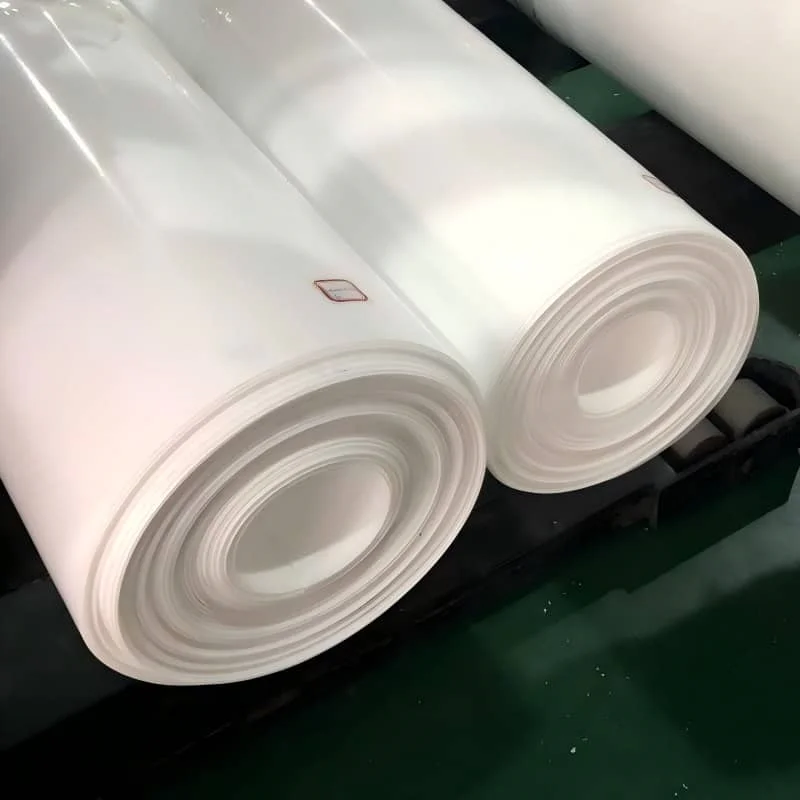
When you hear about a material that can withstand extreme temperatures, resist corrosive chemicals, and glide smoothly without anything sticking to it, it almost sounds like something from a science fiction novel. Yet, this isn’t fiction at all—it’s the remarkable world of PTFE sheeting. Known in the culinary world as Teflon and revered in industrial applications for its toughness and adaptability, PTFE sheeting is a marvel of modern engineering. Its unique properties open a universe of possibilities, making it indispensable across countless sectors, from aerospace to pharmaceuticals. But what exactly makes PTFE sheeting so special?

The Science Behind PTFE Sheets
Explore the remarkable properties of PTFE sheets, such as durability and flexibility, that make it indispensable in various industrial applications. The science behind PTFE lies in its molecular structure, where the carbon backbone is shielded by fluorine atoms, imparting unparalleled non-stick and chemical-resistant characteristics. This unique composition ensures that PTFE sheets can withstand extreme temperatures, harsh chemicals, and mechanical stress without compromising their integrity. From food processing to aerospace engineering, PTFE sheeting proves its versatility and reliability, making it a preferred choice for demanding industries worldwide.
Durability: A Closer Look at PTFE’s Resilience
When exploring the durability of PTFE sheeting, its resilience stands out as a key feature. PTFE, known for its exceptional strength, can withstand harsh conditions, making it a preferred choice in various industrial applications. Its ability to resist corrosion, high temperatures, and chemicals is unmatched, ensuring longevity and reliability in diverse environments.
Moreover, PTFE’s flexibility adds to its durability, allowing it to adapt to different settings without compromising its structural integrity. Industries such as manufacturing, food processing, and pharmaceuticals benefit from PTFE sheeting due to its robust nature and long-lasting performance. In conclusion, the resilience of PTFE sheeting makes it a valuable asset in demanding industrial settings where durability is essential.
Flexibility: Understanding PTFE’s Bendability and Adaptability
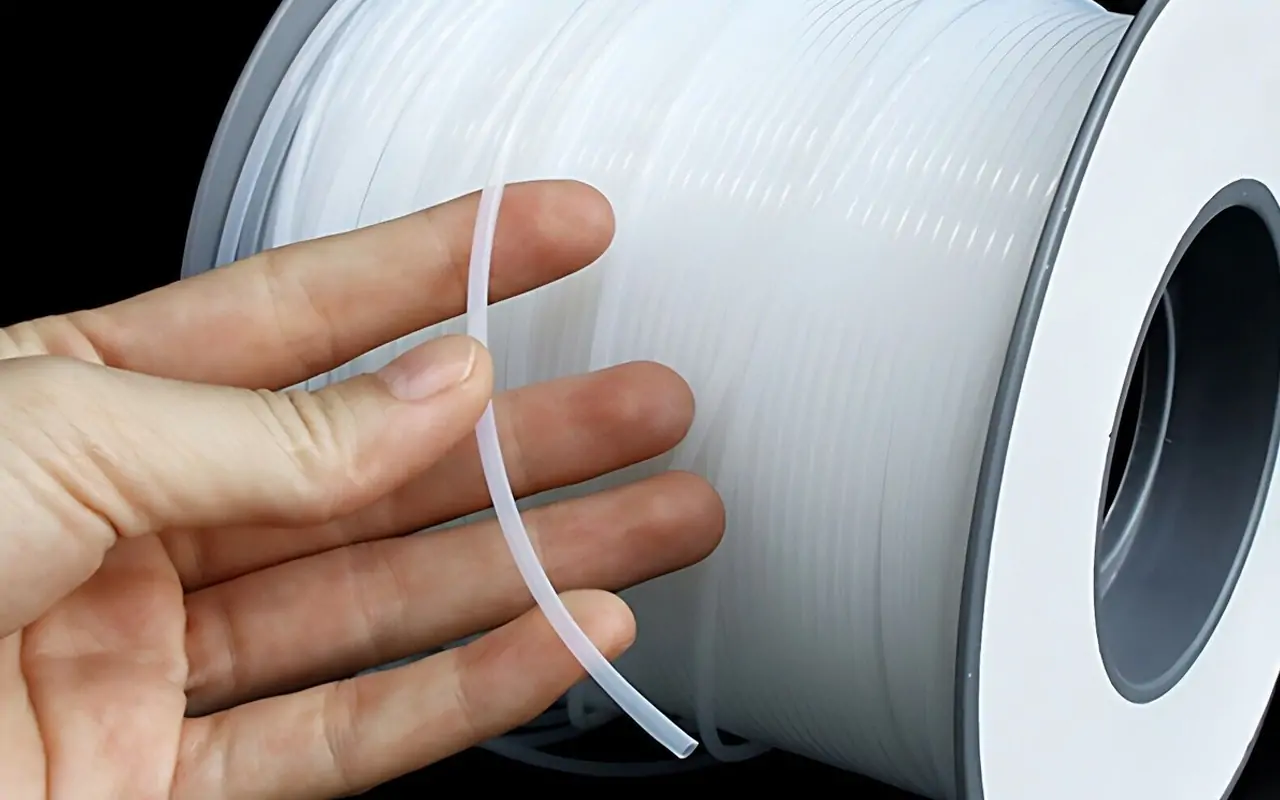
PTFE sheet, known for its exceptional characteristics, offers remarkable flexibility in various industrial applications. Its bendability allows it to conform to intricate shapes with ease, making it a popular choice for diverse industries. PTFE’s adaptability to extreme temperatures further enhances its usability, ensuring optimal performance in challenging environments.
Industries relying on PTFE sheets benefit from its unmatched durability, flexibility, and adaptability. With a focus on longevity and reliability, PTFE sheeting remains a top choice for applications requiring high-performance materials. Understanding PTFE’s unique properties is crucial for maximizing its potential across different industrial uses.
Industrial Applications of PTFE Sheets
PTFE sheeting, known for its durability and flexibility, finds extensive usage in various industrial applications. The chemical resistance of PTFE sheeting makes it a popular choice in industries requiring materials that can withstand harsh chemicals without degradation. Its non-stick properties are beneficial in industries like food processing, where preventing material buildup is essential for hygiene and efficiency.
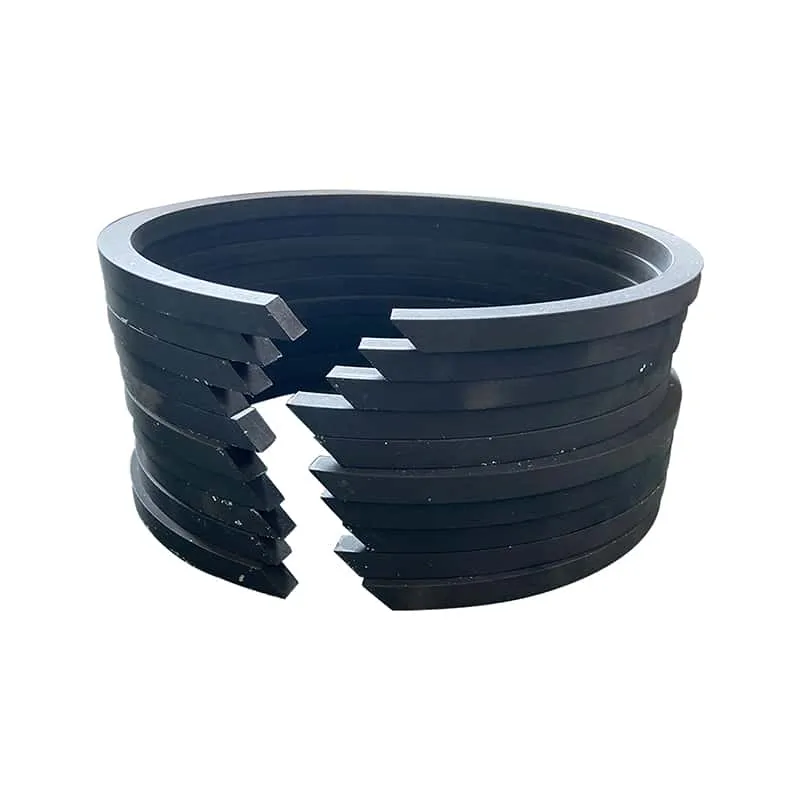
In the automotive sector, PTFE sheeting is utilized in gaskets, seals, and bearings due to its high resistance to heat and chemicals. In the electrical industry, its dielectric properties make it ideal for insulating wires and cables. The medical field benefits from PTFE sheeting in manufacturing components for medical devices owing to its biocompatibility and chemical inertness.
Moreover, PTFE sheeting is crucial in the construction industry for its weather-resistant properties, ensuring longevity in outdoor applications. Its low friction coefficient is advantageous in machinery and equipment manufacturing for reducing wear and tear.
Overall, the versatility of PTFE sheeting makes it a valuable material across a wide range of industrial sectors.
PTFE vs. Traditional Materials: A Comparative Analysis
When comparing PTFE with traditional materials, one key aspect to consider is durability. PTFE sheet stands out for its exceptional durability, offering a longer lifespan compared to many traditional materials. This extended durability makes it a cost-effective choice for various industrial applications, where longevity is crucial.
Flexibility is another significant factor to weigh in the comparison. PTFE sheeting’s flexibility surpasses that of traditional materials, allowing for easier customization to fit specific industrial needs. This flexibility enhances its versatility and makes it a preferred option in industries requiring adaptable materials. In industrial settings where both durability and flexibility are paramount, PTFE sheeting emerges as a top choice, demonstrating superior performance over traditional materials.
Conclusion: The Enduring Legacy of PTFE Sheets
The enduring legacy of PTFE sheeting lies in its remarkable durability, unmatched flexibility, and diverse industrial applications. PTFE, known for its non-stick properties and high heat resistance, revolutionizes various industries like food processing, aerospace, and manufacturing. Its versatility and longevity make it a staple material in demanding environments where reliability is paramount. From conveyor belts to insulation, PTFE sheeting continues to prove its worth, standing the test of time as a crucial component in modern engineering and production processes.


 English
 Russian
 French
 Spanish