
In the world of versatile materials, high temperature PTFE tape often flies under the radar, despite its incredible potential to revolutionize various industries. From being a silent hero in preventing leaks to playing an essential role in high-performance machinery, this unassuming tape is packed with possibilities that many have yet to discover. Whether you’re an engineer, a DIY enthusiast, or someone fascinated by innovative materials, the uses of high temperature PTFE tape are something you should definitely explore.
Imagine a material that withstands extreme temperatures, resists corrosion, and provides a near-frictionless surface. High temperature PTFE tape isn’t just another tool in the toolkit; it’s a game-changer. What if this seemingly simple strip of tape could enhance the efficiency of your machinery, improve the safety of your equipment, or even play a crucial part in cutting-edge technology? As we peel back the layers on this unassuming yet extraordinary material, you’ll discover why it deserves a place of prominence in your projects and beyond.

High Temperature PTFE Tape: An Introduction
High temperature PTFE tape, also known as polytetrafluoroethylene tape, has earned a reputation for its outstanding thermal stability and chemical inertness. Unlike standard plumber’s tape, this specialized variant is engineered to withstand continuous exposure to temperatures ranging from -200 °C up to 260 °C (and even brief excursions beyond). This remarkable heat resistance makes it ideal for use in demanding environments, such as furnaces, steam systems, and high-performance engines. Beyond thermal endurance, the tape’s inherent resistance to acids, bases, and most solvents ensures long-term reliability in corrosive settings, preventing leaks and system failures.
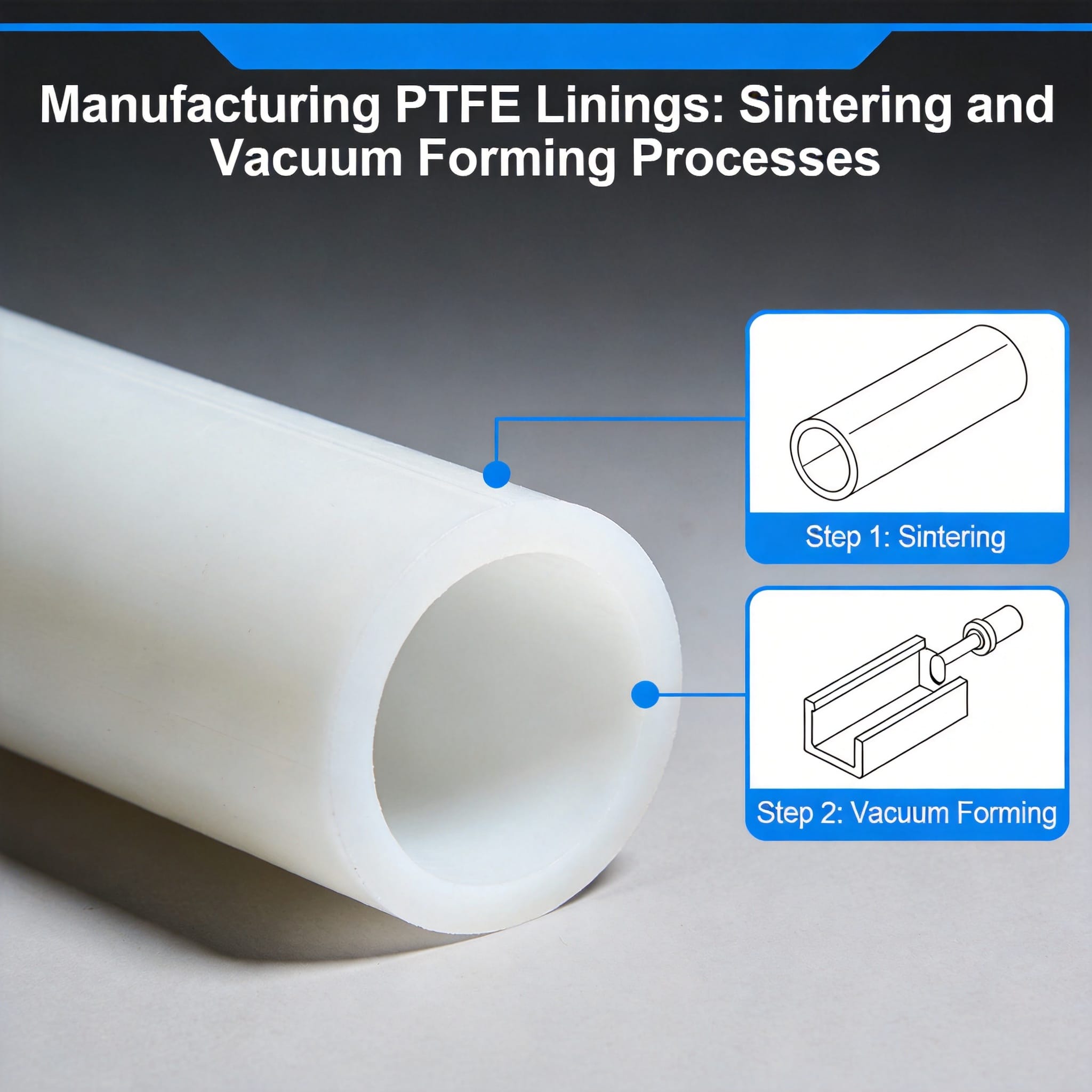
Manufactured by stretching and expanding raw PTFE resin into a porous, microporous structure, high temperature PTFE tape achieves both flexibility and mechanical strength. Its low coefficient of friction imparts a near “self-lubricating” surface, reducing wear on moving parts and seal faces. Many industries exploit this property to improve dynamic sealing applications, where frictional heat buildup can otherwise lead to premature gasket failure. Furthermore, its electrically insulating nature permits safe use around live components, offering dual benefits of thermal and electrical protection. All these features combine to make high temperature PTFE tape an indispensable material for modern industrial and engineering challenges.
Industrial Applications of High Temperature PTFE Tape
The chemical processing industry relies heavily on materials that can endure aggressive substances, and high temperature PTFE tape fits the bill perfectly. It seals pipe joints, valves, and fittings carrying corrosive chemicals, ensuring leak-free operation under elevated temperatures. In the petrochemical sector, it provides reliable sealing solutions for steam lines and hot oil circuits, where equipment integrity is critical to safety and efficiency. The tape’s inertness prevents contamination of sensitive fluids, making it a preferred choice for pharmaceutical and food processing pipelines as well.
In the automotive field, this tape is used inside engines and exhaust systems to seal oil and coolant passages, preventing cross-contamination and overheating. Aerospace applications also benefit from its lightweight, non-flammable characteristics; technicians use it to seal plumbing in environmental control systems and fuel lines, where even a minor leak can have catastrophic consequences. Moreover, manufacturers of paper and textile machinery apply the tape around high-speed rollers to minimize friction and prevent adhesive buildup. Across these diverse industrial landscapes, high temperature PTFE tape stands out as a cost-effective, reliable sealant for high-stress environments.
High Temperature PTFE Tape in Engineering
Engineering disciplines often demand materials that combine thermal resilience with mechanical performance. High temperature PTFE tape fulfills both by providing durable seals in rotating equipment such as pumps, compressors, and turbines. Its exceptional chemical resistance makes it ideal for packing around shafts exposed to aggressive lubricants or harsh process fluids. Installing the tape in multi-layer wraps ensures a tight seal that compensates for shaft misalignments and vibrations, reducing downtime and maintenance costs.
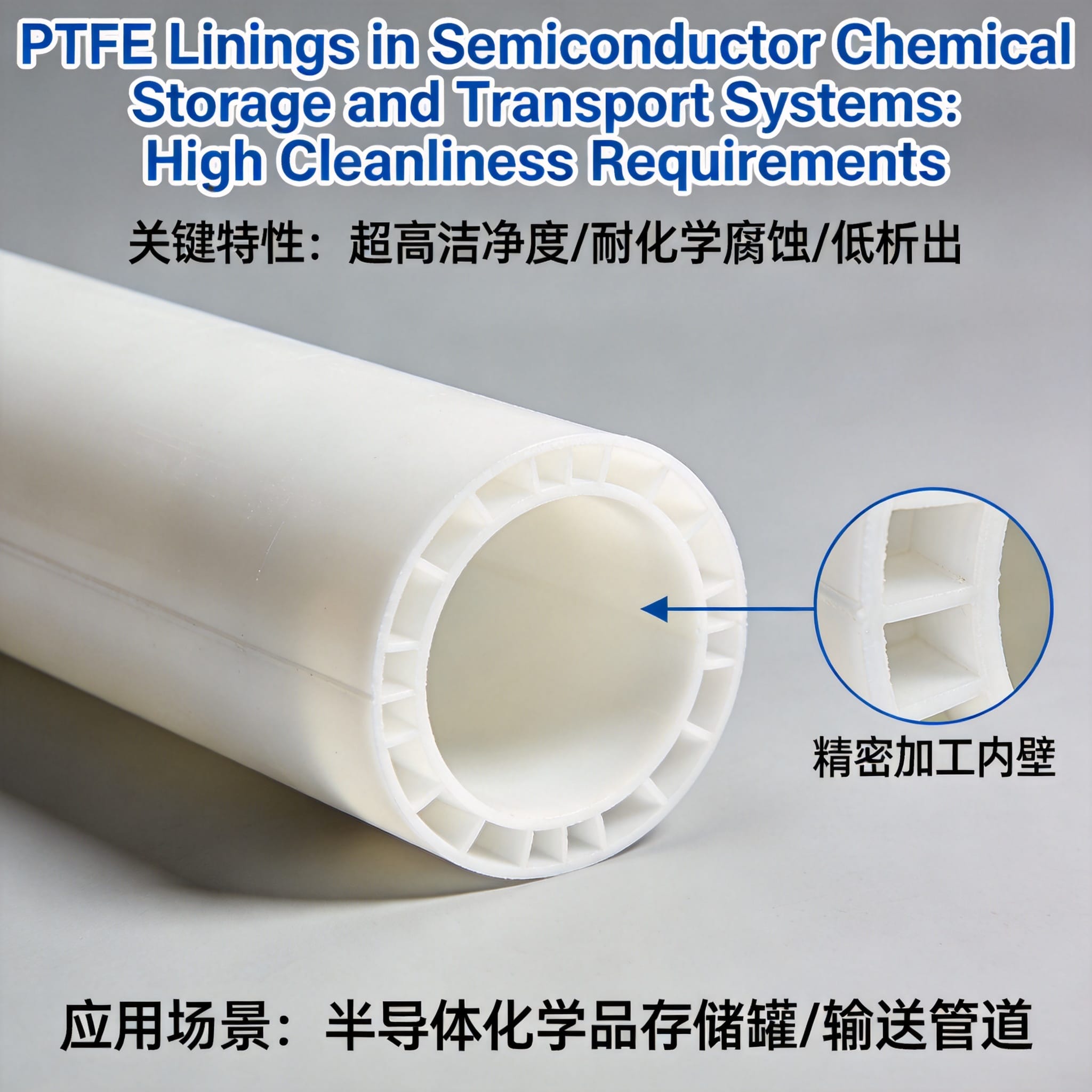
Beyond dynamic seals, engineers leverage the tape’s electrical insulation properties in high-voltage applications. It lines cable trays and conduit connections to prevent arcing and short circuits within control panels and switchgear. In precision engineering, such as semiconductor manufacturing, cleanroom environments require materials that do not shed fibers or outgas contaminants. The inert nature of high temperature PTFE tape meets these strict standards, maintaining ultra-pure conditions essential for microfabrication processes. Whether sealing, insulating, or providing a low-friction interface, this tape is a versatile asset in engineering toolkits.
Safety Benefits of Using High Temperature PTFE Tape
When safety is paramount, materials must perform flawlessly under extreme conditions. High temperature PTFE tape excels by preventing leaks of hazardous gases and liquids in pipelines and pressure vessels. A single wrap can create a molecular-level seal that resists high pressures without extruding or degrading, reducing the risk of exposure to toxic or flammable substances. This reliability is crucial in chemical plants, refineries, and gas distribution systems where even minor leaks can endanger personnel and the environment.
Its non-flammable nature adds another layer of protection. Unlike some sealing compounds that can ignite or release harmful fumes when overheated, high temperature PTFE tape maintains its structural integrity and chemical stability. The tape’s resistance to corona discharge and electrical arcing further protects equipment and operators in electrical enclosures and transformer housings. By minimizing maintenance interventions and providing long-lasting seals, this tape also reduces the need for frequent system shutdowns, lowering overall risk and enhancing operational safety.
Maintenance Tips for High Temperature PTFE Tape
Proper maintenance begins with correct storage. Keep rolls of high temperature PTFE tape in a cool, dry environment away from direct sunlight and ozone sources to prevent degradation. Before application, ensure that mating surfaces are clean, dry, and free of oils or debris. Use an appropriate cleaning solvent if needed, and allow surfaces to dry completely to maximize adhesion and seal integrity. When wrapping pipe threads or valve stems, apply the tape in a clockwise direction to match the tightening motion, ensuring the tape does not bunch or tear.
Inspect seals periodically for signs of wear, such as fraying edges or discoloration. In high-vibration or high-pressure systems, consider reapplying the tape every 6–12 months, depending on service conditions. Always use fresh tape rather than reusing old scraps, as recycled pieces may have compromised structure. For critical applications, perform a leak test after installation using soapy water or a gas detector. Following these simple maintenance tips will extend the life of your seals and keep systems running smoothly with minimal downtime.
Conclusion: Embracing the Versatility of High Temperature PTFE Tape
High temperature PTFE tape is far more than just a sealant—it’s a multi-functional solution that addresses challenges across industries. Its unique combination of heat resistance, chemical inertness, low friction, and electrical insulation makes it an invaluable resource for engineers and technicians alike.
By integrating this exceptional material into your projects, you’ll enhance safety, reliability, and performance in even the most demanding environments. Embrace the versatility of high temperature PTFE tape and unlock new possibilities for innovation and efficiency.


 English
 Russian
 French
 Spanish