
In the ever-evolving landscape of manufacturing, innovation is not just a buzzword—it’s a necessity. Among the materials that have transformed industrial processes, the PTFE Teflon sheet stands out as a game-changer. Imagine a material that remains steadfastly smooth and non-reactive under extreme temperatures, resists chemical wear, and offers an unparalleled low-friction surface. This isn’t a futuristic fantasy; it’s the reality of PTFE Teflon sheets, a material quietly revolutionizing everything from aerospace to food production with its remarkable versatility.
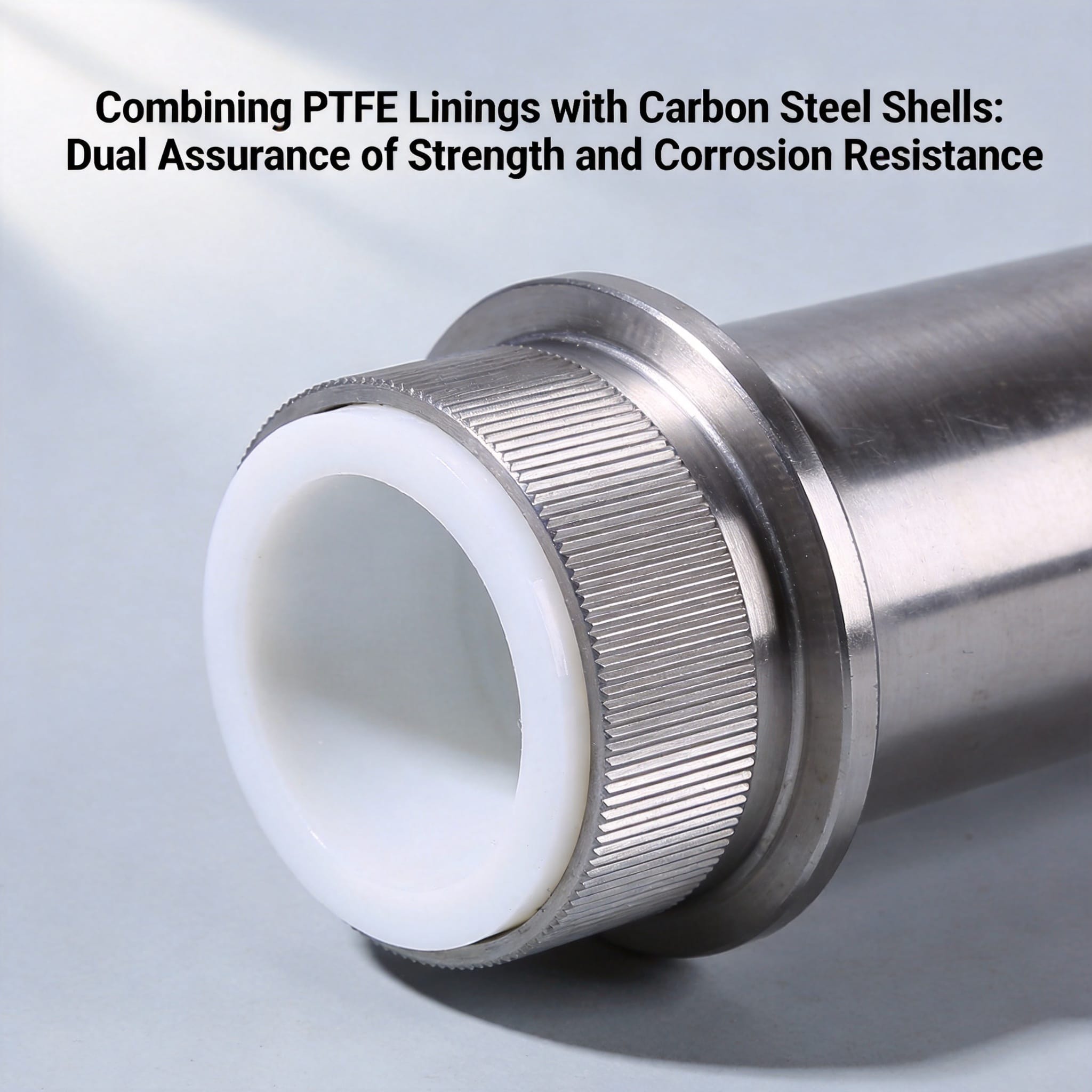
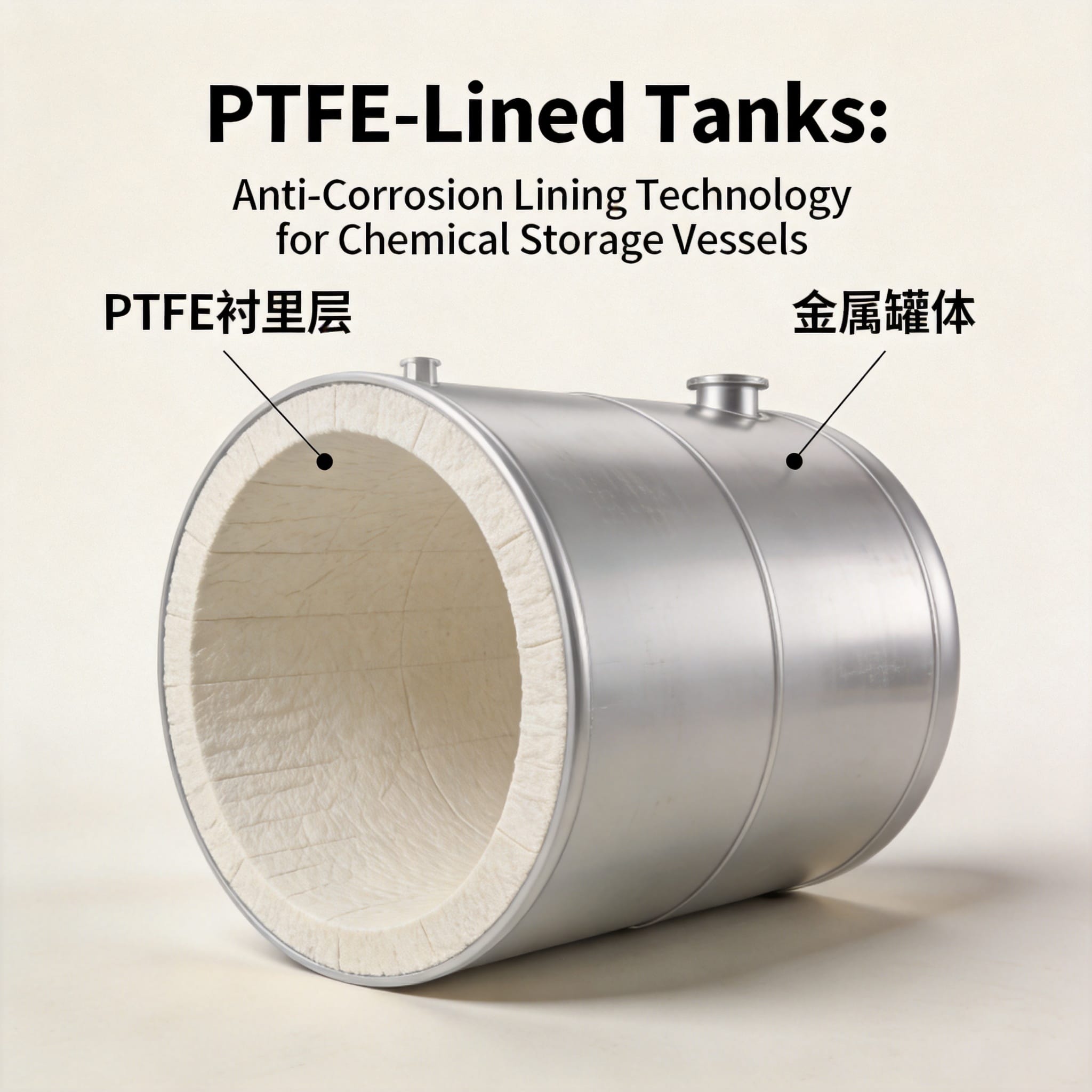
Consider the challenges manufacturers face: reducing maintenance costs, improving product longevity, and enhancing efficiency. With the PTFE Teflon sheet, these challenges are met head-on. Its unique properties open doors to an array of applications, allowing industries to break free from traditional constraints. From lining storage tanks to creating seals in demanding environments, this material has become indispensable. As we delve deeper into its multifunctional capabilities, you’ll uncover how the PTFE Teflon sheet is not just a component but a cornerstone of modern manufacturing reinvention.

The Evolution of PTFE Teflon Sheet in Manufacturing
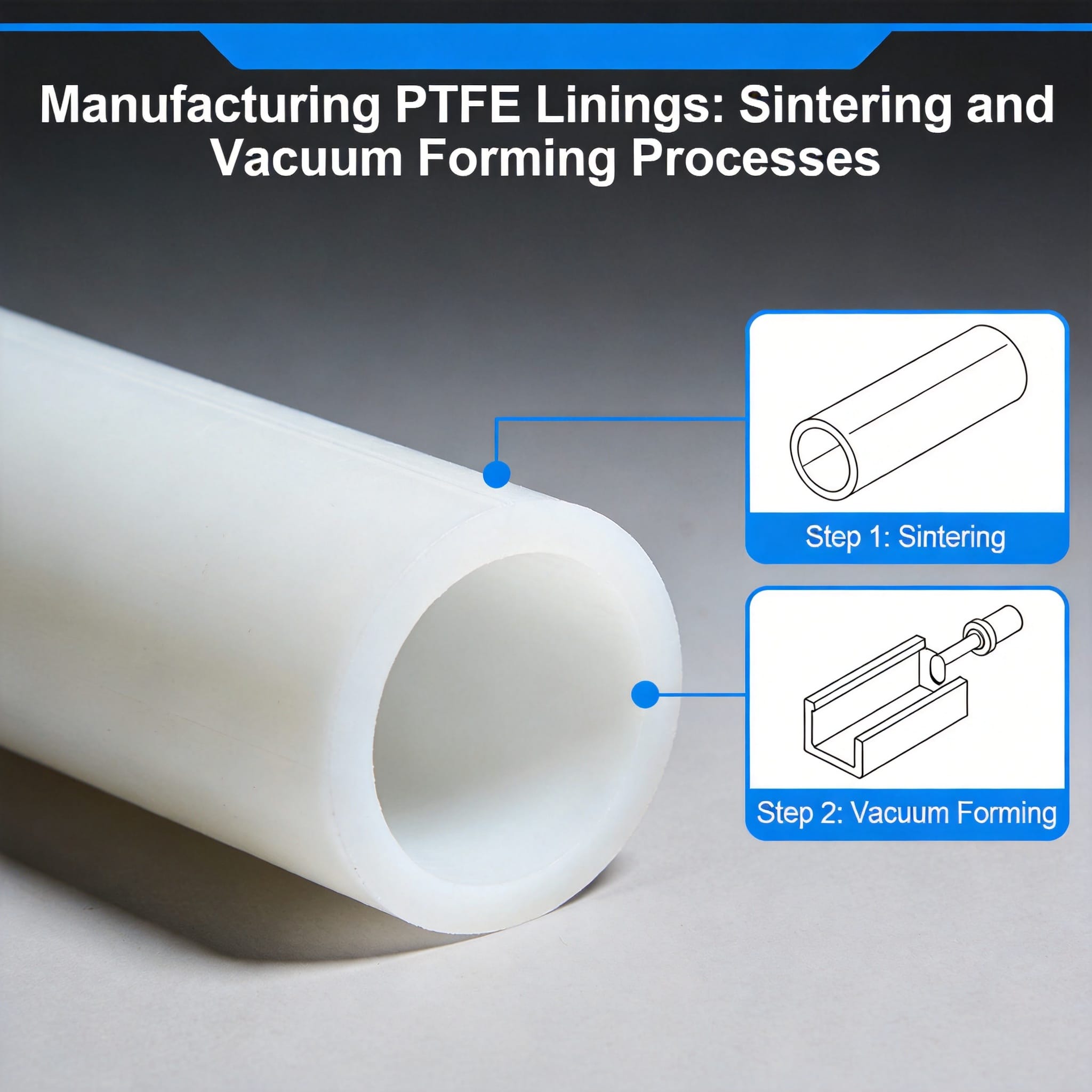
The story of the PTFE Teflon sheet begins in the late 1930s, when Dr. Roy Plunkett discovered polytetrafluoroethylene (PTFE) by accident at DuPont. Initially prized for its extreme chemical inertness and unrivaled non-stick characteristics, PTFE quickly became synonymous with household cookware. However, as engineers and material scientists took notice of its broader potential, the transformation into sheet form opened a new chapter in industrial manufacturing. Advances in powder sintering, calendaring techniques, and skiving processes enabled manufacturers to produce uniform, high-quality PTFE Teflon sheet in a variety of thicknesses and widths, paving the way for widespread adoption in engineering applications.
Over the decades, continuous improvements in extrusion and lamination have enhanced the performance and consistency of PTFE Teflon sheet, ensuring tighter tolerances and superior mechanical strength. These manufacturing refinements have lowered production costs and improved scalability, making large-format sheets accessible to diverse industries. Today’s PTFE Teflon sheet benefits from decades of R&D, offering manufacturers a reliable, high-performance material that withstands temperatures from –200°C to +260°C, resists nearly all chemicals, and reduces friction to near-frictionless levels. This evolutionary journey from laboratory curiosity to industrial workhorse underscores the sheet’s critical role in modern manufacturing innovations.
Applications Across Industries: Aerospace
In aerospace engineering, every gram and square millimeter matters, and PTFE Teflon sheet has become a go-to solution for weight-sensitive, high-performance components. Its low friction coefficient, exceptional dielectric strength, and resistance to ultraviolet and cosmic radiation allow it to serve as linings for fuel and hydraulic systems, protecting metal surfaces from chemical corrosion. PTFE Teflon sheet also excels in thermal insulation, maintaining integrity across the extreme temperature variations experienced at altitude.
Beyond fluid handling, aerospace manufacturers leverage PTFE Teflon sheet for bearings, sliding components in actuators, and gaskets that need to seal under high pressures without cold flow or deformation. Wiring harnesses often incorporate PTFE sheets as insulating tape, benefiting from the material’s flame resistance and electrical insulating properties. With the aerospace sector pushing boundaries in both commercial and defense spaces, PTFE Teflon sheet remains indispensable for ensuring safety, reliability, and performance in the harshest operating conditions.
Applications Across Industries: Food Production
Food production facilities demand materials that not only resist aggressive cleaning chemicals and repeated washdowns but also meet strict hygiene standards. PTFE Teflon sheet is FDA-compliant, non-toxic, and non-stick, making it ideal for conveyor belts, slicing and packaging equipment, and molds. Its smooth surface prevents food particles from adhering, reducing the risk of bacterial growth and minimizing downtime for cleaning and sanitation.
Furthermore, PTFE Teflon sheet provides excellent release properties for baking trays, dough rollers, and thermoforming molds, ensuring consistent product quality and reducing waste from stuck or misshapen items. Its temperature resistance allows it to be used in ovens and freezers alike without compromising structure or function. By integrating PTFE Teflon sheet, food manufacturers achieve higher throughput, lower maintenance costs, and adherence to health regulations—critical factors in a competitive market driven by efficiency and safety.
Enhancing Efficiency Through PTFE Teflon Sheet
One of the most compelling advantages of PTFE Teflon sheet is its ability to boost operational efficiency across multiple fronts. Its ultra-low coefficient of friction reduces wear on moving parts, extending the lifecycle of machinery and cutting maintenance intervals. Whether used as liners in chutes, guides for metal sheets, or wear strips in automated assembly lines, PTFE Teflon sheet minimizes energy consumption by requiring less force to move components, translating into lower power costs over time.
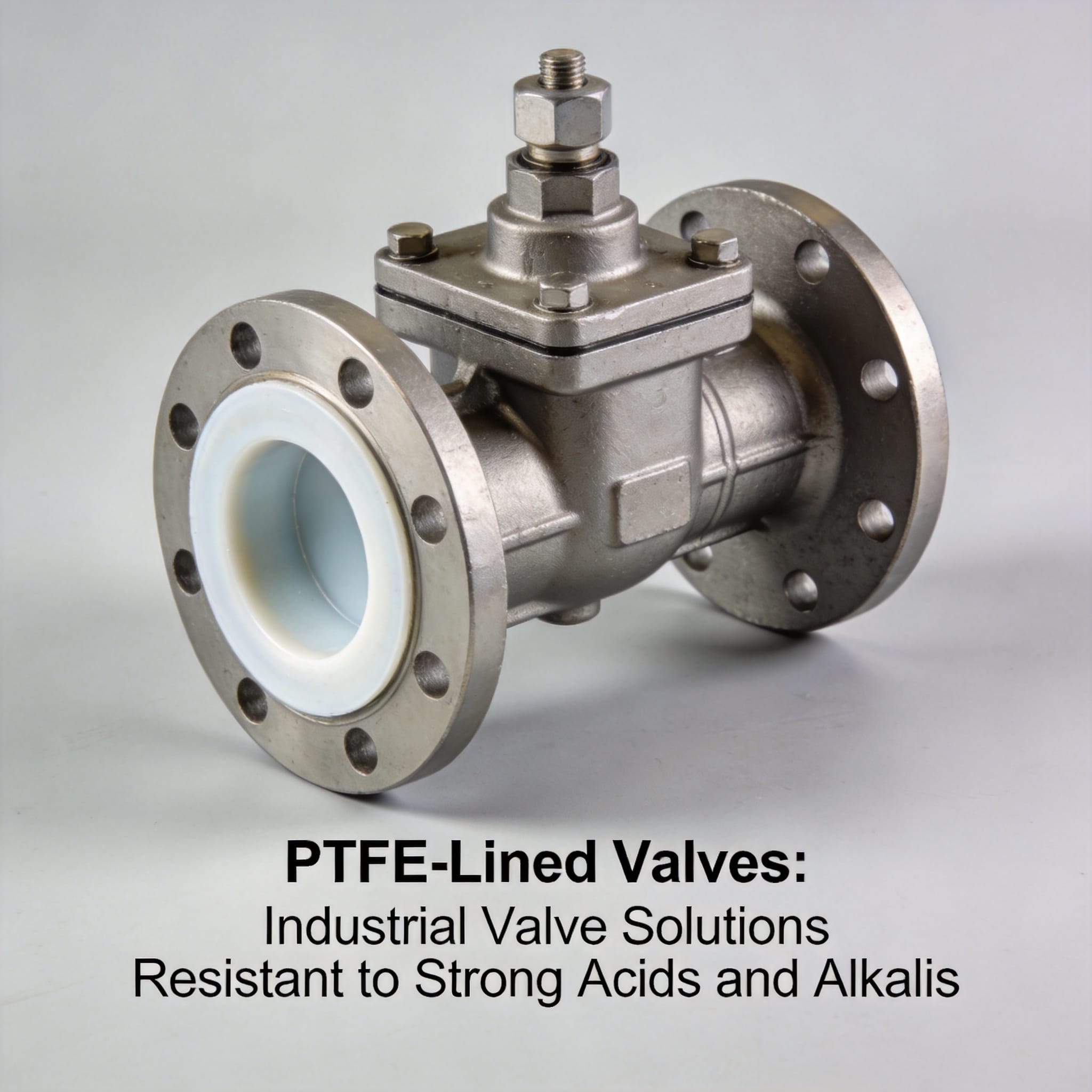
In environments where chemical exposure is routine—such as chemical processing or pharmaceutical production—the chemical inertness of PTFE Teflon sheet prevents corrosion and contamination, further reducing unplanned downtime. Additionally, its resistance to moisture and vapor ingress ensures consistent performance even in humid or wet conditions. By combining robustness with slick surface properties, PTFE Teflon sheet streamlines workflows, enhances throughput, and delivers tangible cost savings in both preventive maintenance and energy efficiency.
The Future of Manufacturing with PTFE Teflon Sheet
Looking ahead, the role of PTFE Teflon sheet in manufacturing is set to expand as innovative processing techniques and composite formulations emerge. Nanotechnology enhancements—such as embedding conductive or antimicrobial nanoparticles—promise multifunctional sheets that can dissipate static, inhibit bacterial growth, or even monitor stress and strain in real time. Advances in additive manufacturing may soon allow 3D printing of PTFE-based components, opening new design possibilities for complex, custom-shaped parts.
Moreover, growing sustainability initiatives are driving research into recycling and reprocessing PTFE Teflon sheet waste, reducing landfill contributions and lowering raw material demand. As industries strive for greener operations, the development of bio-based or more easily reclaimable fluoropolymers could complement existing PTFE offerings. With its proven track record and ongoing innovation, PTFE Teflon sheet stands poised to remain at the forefront of manufacturing evolution, shaping the factories of tomorrow.
Conclusion
The remarkable properties of PTFE Teflon sheet—extreme temperature tolerance, unmatched chemical resistance, and ultra-low friction—have firmly established it as a cornerstone of modern manufacturing. From pioneering aerospace applications to ensuring food safety and driving efficiency, this versatile material continues to solve complex industrial challenges.
As technology advances and sustainability gains priority, PTFE Teflon sheet will undoubtedly evolve further, integrating new functionalities and more eco-friendly production methods. Embracing its potential today means setting the stage for more resilient, efficient, and innovative manufacturing processes tomorrow.

 English
 Russian
 French
 Spanish