
Imagine working on a complex project where the smallest component could make or break the entire system. This is often the reality in industries like aerospace, chemical processing, and medical technology. The demand for materials that can withstand extreme conditions while maintaining exceptional performance is ever-present. That’s where rigid PTFE tubing shines—a game-changer that blends strength with versatility. From its unparalleled resistance to high temperatures and corrosive chemicals to its non-reactive nature, rigid PTFE tubing has become an indispensable ally in creating robust and reliable systems.
But what makes this material so uniquely advantageous? It’s not just about surviving harsh environments; it’s about thriving in them. With its low friction coefficient and electrical insulation properties, rigid PTFE tubing offers a level of precision that other materials simply can’t match. Whether you’re designing intricate laboratory setups or ensuring seamless fluid transfer in critical applications, understanding the full spectrum of benefits offered by this remarkable material can unlock new levels of innovation and efficiency. Dive into the world of rigid PTFE tubing and discover how it can redefine the boundaries of possibility in your projects.
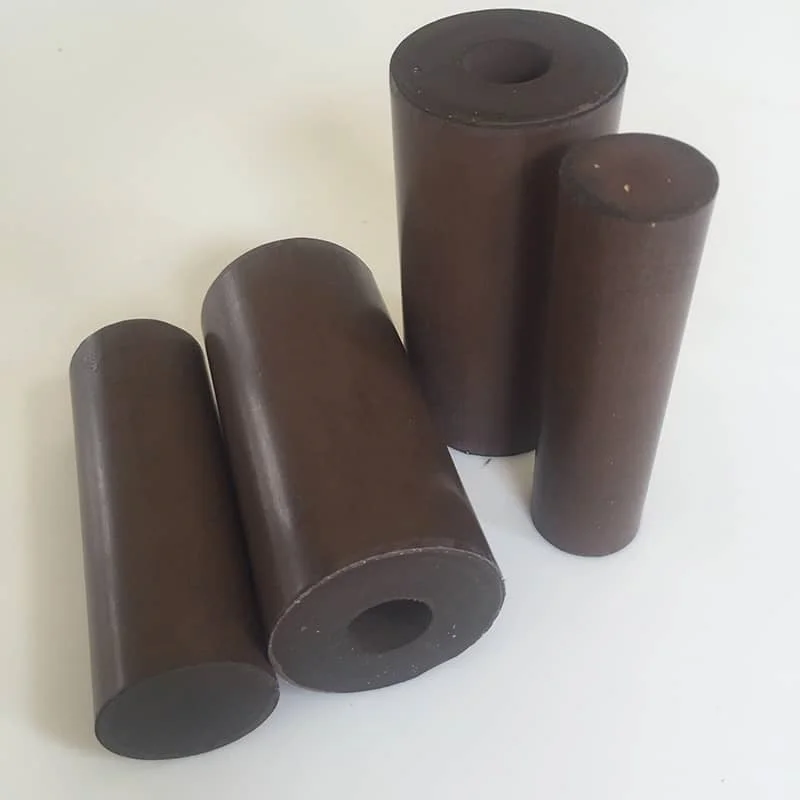
The Superior Heat Resistance of Rigid PTFE Tubing
One of the most celebrated attributes of rigid PTFE tubing is its exceptional heat resistance. Able to perform reliably in temperatures ranging from –200 °C up to +260 °C, this material outperforms many engineering plastics and even some metals when it comes to thermal endurance. In applications where consistent performance under cyclic thermal loads is critical—such as aerospace hydraulic systems or high-temperature chemical reactors—rigid PTFE tubing remains dimensionally stable, ensuring that seals and connections do not warp or leak over time.
Beyond static temperature extremes, rigid PTFE tubing also excels under rapid thermal cycling. For laboratory setups that require frequent heating and cooling phases, the material’s low coefficient of thermal expansion minimizes stress on joints and prevents fatigue failures. In industrial settings like food processing or pharmaceutical manufacturing, where steam sterilization at elevated temperatures is routine, rigid PTFE tubing retains its integrity. This combination of high-temperature resilience and thermal shock resistance makes it an ideal candidate wherever heat poses a threat to system reliability.
Mechanical Strength and Durability of Rigid PTFE Tubing
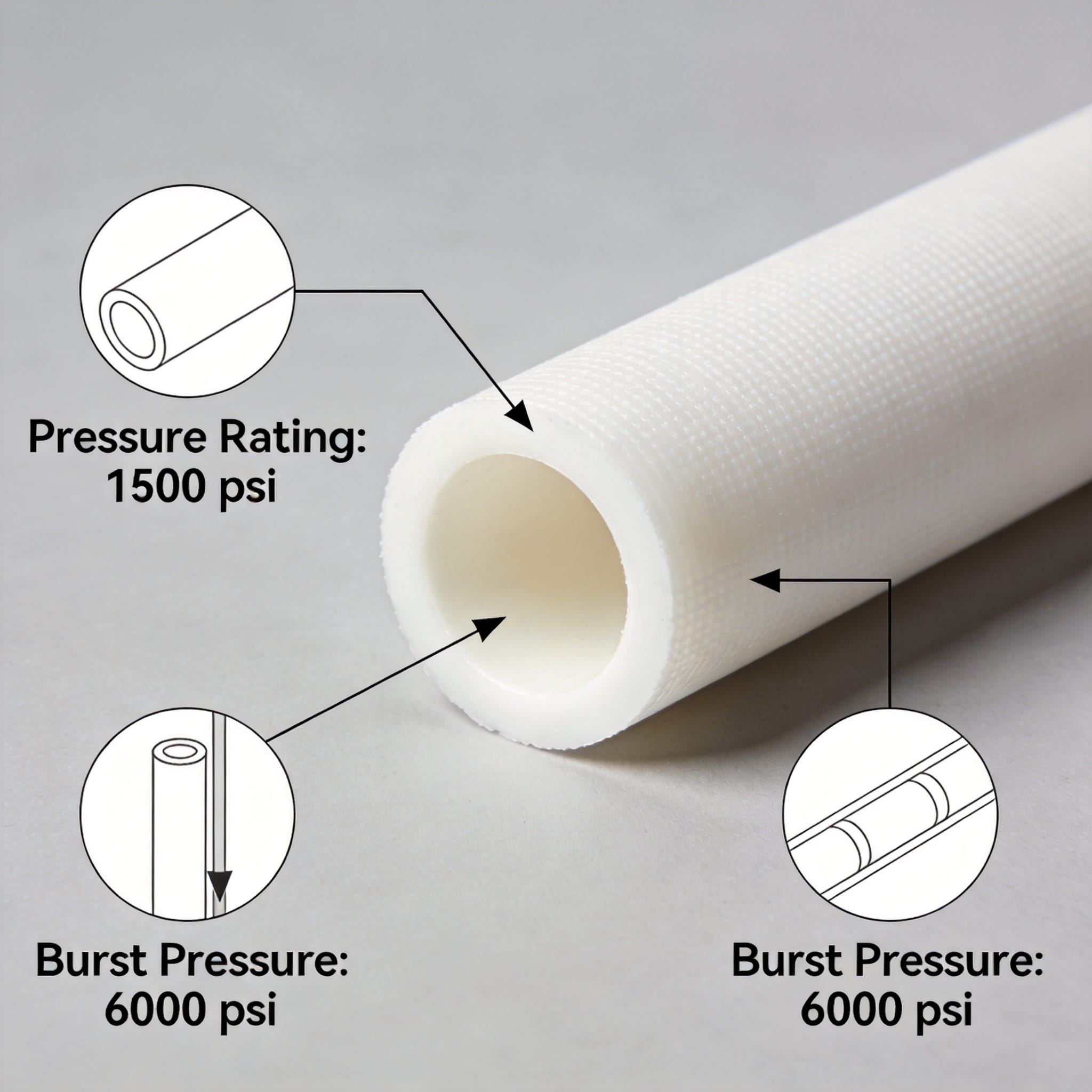
Despite PTFE’s reputation as a soft, wax-like polymer in its flexible form, rigid PTFE tubing exhibits noteworthy mechanical strength. The inherent molecular structure of polytetrafluoroethylene provides excellent tensile strength and a high flexural modulus, enabling the tubing to withstand considerable pressure and mechanical loads without deforming. This robustness is particularly valuable in high-pressure fluid transfer scenarios or in pneumatic systems where tubing must maintain its shape under constant stress.
Wear and abrasion resistance further bolster the durability of rigid PTFE tubing. In environments where particles or aggressive media flow through conduits, the tubing’s low friction surface minimizes internal erosion. This reduces downtime for maintenance and extends service life compared to metal piping or alternative polymers. Additionally, rigid ptfe tubing resists creep and cold flow, preserving tight tolerances in precision instrumentation. Whether in oil and gas sampling lines or automated robotic assemblies, its combination of rigidity and wear resistance ensures consistent performance over prolonged operational cycles.
Electrical Insulation Properties for Critical Applications
When electrical insulation is paramount, rigid PTFE tubing stands out for its superior dielectric properties. It boasts a high breakdown voltage—often exceeding 60 kV/mm—and a low dielectric constant, making it an excellent choice for insulating conductors in high-frequency transmission lines or sensitive electronic assemblies. The material’s ability to resist electrical tracking and corona discharge further enhances safety in power distribution and telecommunications equipment.
Moreover, rigid PTFE tubing maintains its insulating characteristics across a wide temperature spectrum and in humid or chemically aggressive atmospheres. Unlike conventional plastics that degrade or absorb moisture, rigid ptfe tubing remains hydrophobic and chemically inert. This stability provides reliable performance in outdoor electrical installations, avionics wiring looms, and medical imaging devices where signal integrity cannot be compromised. Its combination of mechanical stability and electrical resistance makes it an indispensable component in mission-critical systems.
Utilizing Rigid PTFE Tubing in Medical Technology
In the medical field, material purity and biocompatibility are non-negotiable. Rigid PTFE tubing meets stringent FDA and ISO standards, ensuring that it does not leach harmful substances into sensitive fluids or tissues. This makes it ideal for catheters, infusion lines, and dialysis equipment where patient safety is a top priority. Its chemically inert nature prevents reactions with blood components or pharmaceutical agents, maintaining sample integrity and reducing risk.
Additionally, the ability to sterilize rigid PTFE tubing using autoclaving, gamma radiation, or ethylene oxide gas without degradation is a major advantage. Hospitals and research labs can reuse connectors and fluid pathways without worrying about material breakdown or microbial contamination. In surgical instruments and endoscopic tools, the tubing’s smooth surface and low friction facilitate easy insertion and precise control. The robustness of rigid ptfe tubing under repetitive sterilization cycles ensures long-term reliability, cost-effectiveness, and uncompromised patient care.
Conclusion: Embracing the Future with Rigid PTFE Tubing
From withstanding punishing temperatures to providing rock-solid mechanical and electrical performance, rigid PTFE tubing offers a unique blend of properties that few materials can match. Its versatility spans industries—from aerospace and chemical processing to medical technology—making it a true enabler of innovation and reliability.
As technologies advance and system requirements grow more demanding, the role of high-performance materials like rigid ptfe tubing will only become more critical. By integrating this remarkable polymer into your designs, you can push the boundaries of what’s possible and ensure your applications stand the test of time and extreme conditions.

 English
 Russian
 French
 Spanish