
Navigating the world of advanced materials engineering often reveals innovations that redefine performance in extreme environments. Among these materials, carbon filled PTFE stands out for its exceptional durability, low friction, and thermal stability. Understanding the carbon filled PTFE temperature range is essential for engineers and manufacturers seeking reliable performance in applications exposed to both intense heat and extreme cold.
Modern industries operate under increasingly demanding conditions, requiring materials that can maintain structural integrity without failure. Carbon filled PTFE has become a preferred solution because it combines the chemical resistance and low friction properties of PTFE with the enhanced strength and thermal conductivity provided by carbon additives. Whether used in aerospace systems, industrial machinery, or chemical processing equipment, this material delivers dependable performance across a broad temperature spectrum.
The Basics of Carbon Filled PTFE
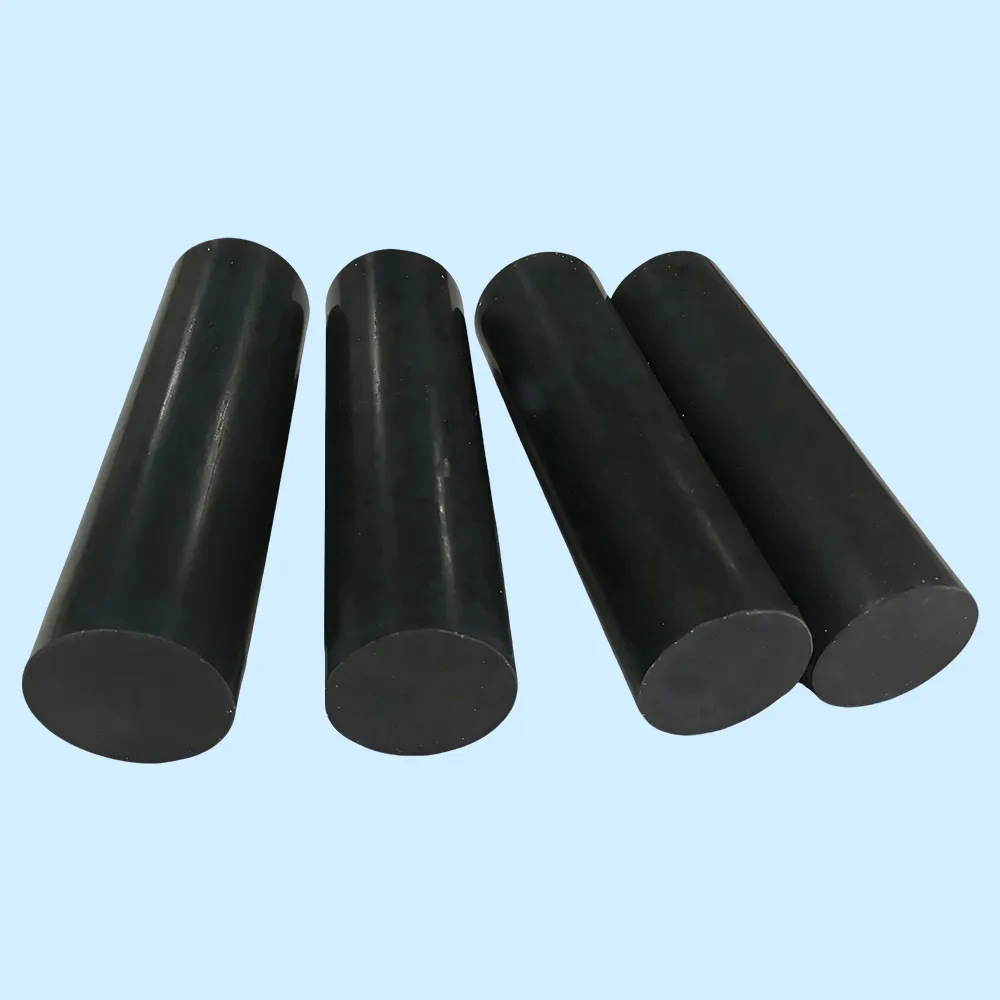
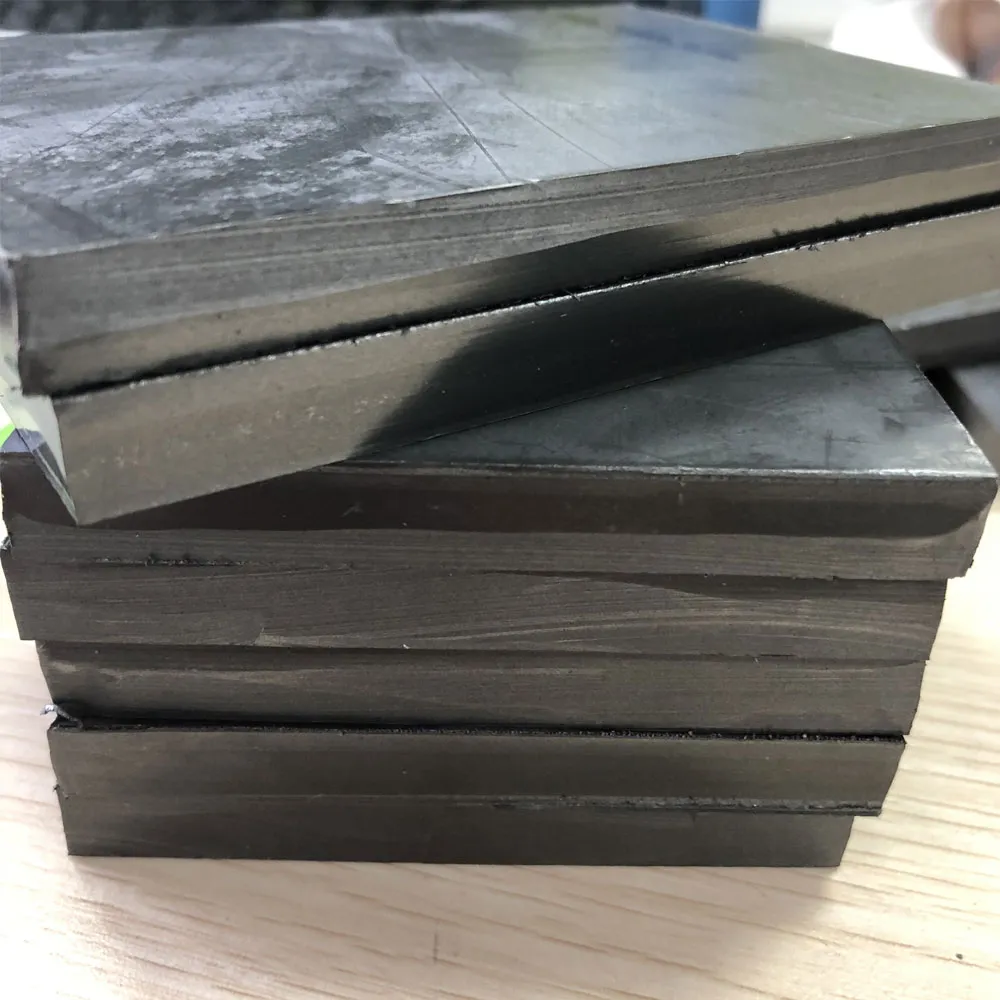
Carbon filled PTFE is a composite material created by adding carbon fillers—typically ranging from 5% to 40%—to standard PTFE. This modification significantly improves wear resistance, thermal conductivity, compressive strength, and dimensional stability. While virgin PTFE is known for its excellent chemical resistance and low friction, it can deform under heavy loads, a phenomenon commonly referred to as creep. Carbon reinforcement helps overcome this limitation, making the material far more suitable for demanding industrial applications.
Uniform distribution of carbon particles is critical during manufacturing. Advanced processing techniques ensure that the carbon is evenly dispersed throughout the PTFE matrix, creating a strong and stable internal structure. This reinforcement reduces deformation under load and improves heat dissipation, allowing the material to maintain consistent performance even during rapid temperature fluctuations. As a result, carbon filled PTFE is widely used in seals, bearings, slide plates, and other components that operate under harsh conditions.
Understanding the Temperature Range of Carbon Filled PTFE
One of the most impressive characteristics of carbon filled PTFE is its ability to function across an extremely wide temperature range. Typically, it performs effectively from approximately -200°C to +260°C. At very low temperatures, the carbon reinforcement helps preserve flexibility and minimizes the risk of microcracking. At elevated temperatures, the carbon improves thermal conductivity, helping distribute heat more evenly and reducing the likelihood of softening or deformation.
As temperatures approach -100°C, the material becomes slightly more rigid but still retains sufficient flexibility for reliable operation. On the high-temperature side, PTFE has a melting point near 327°C; however, continuous operating temperatures are generally limited to around 260°C to prevent accelerated degradation and oxidation. Beyond this threshold, prolonged exposure can lead to brittleness and reduced mechanical performance. Understanding these thermal behaviors enables engineers to establish safe operating limits and design components with greater reliability and longevity.
Applications Requiring High Thermal Stability
Industries operating in extreme environments rely heavily on carbon filled PTFE because of its exceptional thermal stability. In aerospace applications, the material is commonly used in cryogenic valves, seals, and fuel handling systems that must perform reliably at temperatures below -150°C. Its resistance to thermal shock allows components to transition between extreme temperature conditions without cracking or losing performance.
Chemical processing industries also benefit from the material’s ability to withstand aggressive chemicals and high operating temperatures. Carbon filled PTFE is frequently used in gaskets, pump components, bearings, and linings exposed to corrosive substances and temperatures approaching 260°C. In the automotive sector, it is found in turbocharger systems, exhaust components, and high-temperature sealing applications where thermal cycling and mechanical stress are constant challenges.
The material’s reliability under harsh operating conditions helps reduce maintenance costs, improve operational safety, and extend equipment lifespan. These advantages make carbon filled PTFE an essential material in industries where performance failures are not an option.
Comparison with Other High-Performance Materials
Compared with virgin PTFE, carbon filled PTFE offers dramatically improved wear resistance and thermal conductivity while retaining excellent chemical inertness. Standard PTFE can deform significantly under mechanical stress at temperatures above 150°C, whereas carbon reinforced PTFE maintains its dimensional stability under far more demanding conditions.
When compared to other high-performance polymers such as PEEK and polyimides, carbon filled PTFE occupies a unique position. PEEK offers excellent mechanical strength and can operate at temperatures up to 250°C, but it generally has higher friction and lower chemical resistance. Polyimides can tolerate temperatures above 300°C, yet they are considerably more expensive and difficult to process. Metal alloys may withstand even greater temperatures, but they often require lubrication and are more susceptible to corrosion.
Carbon filled PTFE achieves a balanced combination of low friction, wear resistance, thermal conductivity, and chemical stability, making it particularly valuable for applications where multiple performance requirements must be met simultaneously.
Strategies for Optimizing Performance in Extreme Conditions
Maximizing the performance of carbon filled PTFE begins with selecting the appropriate carbon content and filler characteristics. Higher carbon concentrations generally improve stiffness and thermal conductivity, although excessive filler content may increase wear on mating surfaces. In many applications, a carbon concentration between 15% and 25% provides the ideal balance between durability and operational efficiency.
Post-processing techniques such as annealing also play an important role in improving material stability. Controlled thermal treatments relieve internal stresses, enhance crystallinity, and improve dimensional consistency under cyclic thermal loads. Engineers must also account for thermal expansion during component design to prevent binding or seizure at elevated temperatures.
In dynamic systems, pairing carbon filled PTFE with compatible metal or polymer counterfaces further reduces friction and minimizes galling. Regular inspections and proper lubrication, when applicable, can also help maintain long-term reliability throughout the full carbon filled PTFE temperature range.
Conclusion: Unlocking the Full Potential of Carbon Filled PTFE
A clear understanding of the carbon filled PTFE temperature range enables engineers to design components capable of operating reliably in some of the world’s harshest environments. Its combination of low friction, chemical resistance, wear resistance, and thermal stability makes it a superior choice for many high-performance applications.
By selecting the proper filler content, optimizing processing methods, and designing for thermal expansion, industries can fully utilize the advantages of carbon filled PTFE. From aerospace and automotive engineering to chemical processing and industrial manufacturing, this advanced composite material continues to drive innovation and improve performance in demanding applications.

 English
 Russian
 French
 Spanish