
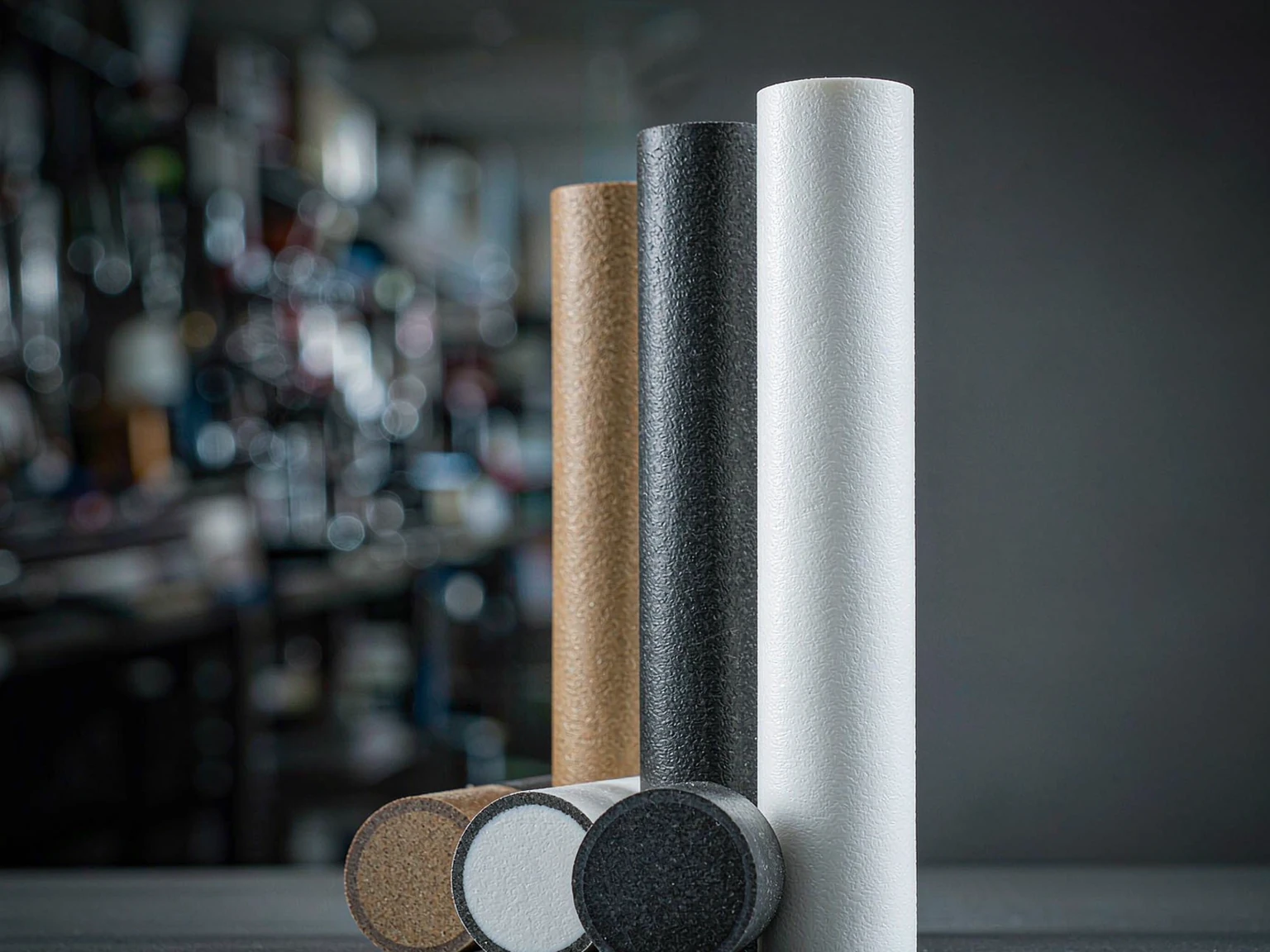
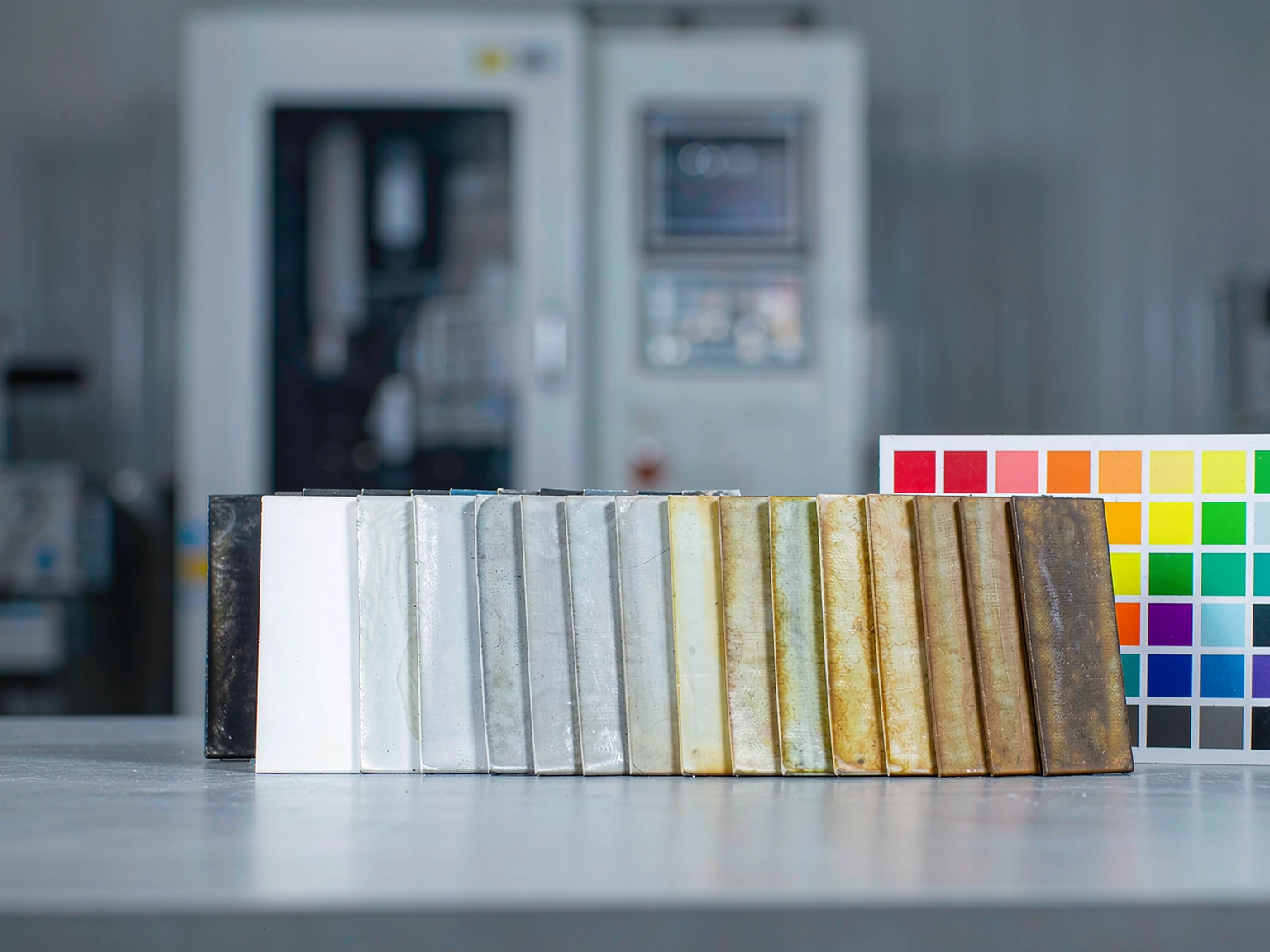
Short answer: virgin PTFE rod for machining purity-critical, insulating or general parts; filled rod (glass, carbon, bronze) where load, wear or creep would defeat virgin — at a 10–30% premium. The rod’s destination part, not the catalogue, makes the choice.
What each rod type is for
| Virgin rod | https://ptfesuppliers.com/product-category/lass-filled | Carbon/graphite | Bronze | |
|---|---|---|---|---|
| Machining stock for | Insulators, seals, general parts | Structural parts, hot duty | Bearings, wear rings, anti-static | Heavy-load bushings, piston rings |
| Creep | Alto | 2–3x better | 2–3x better | 3–5x better |
| Dielectrics | Best | Reduced | Conductive | Conductive |
| Machinability | Easiest | Abrasive on tooling | Abrasive | Hardest |
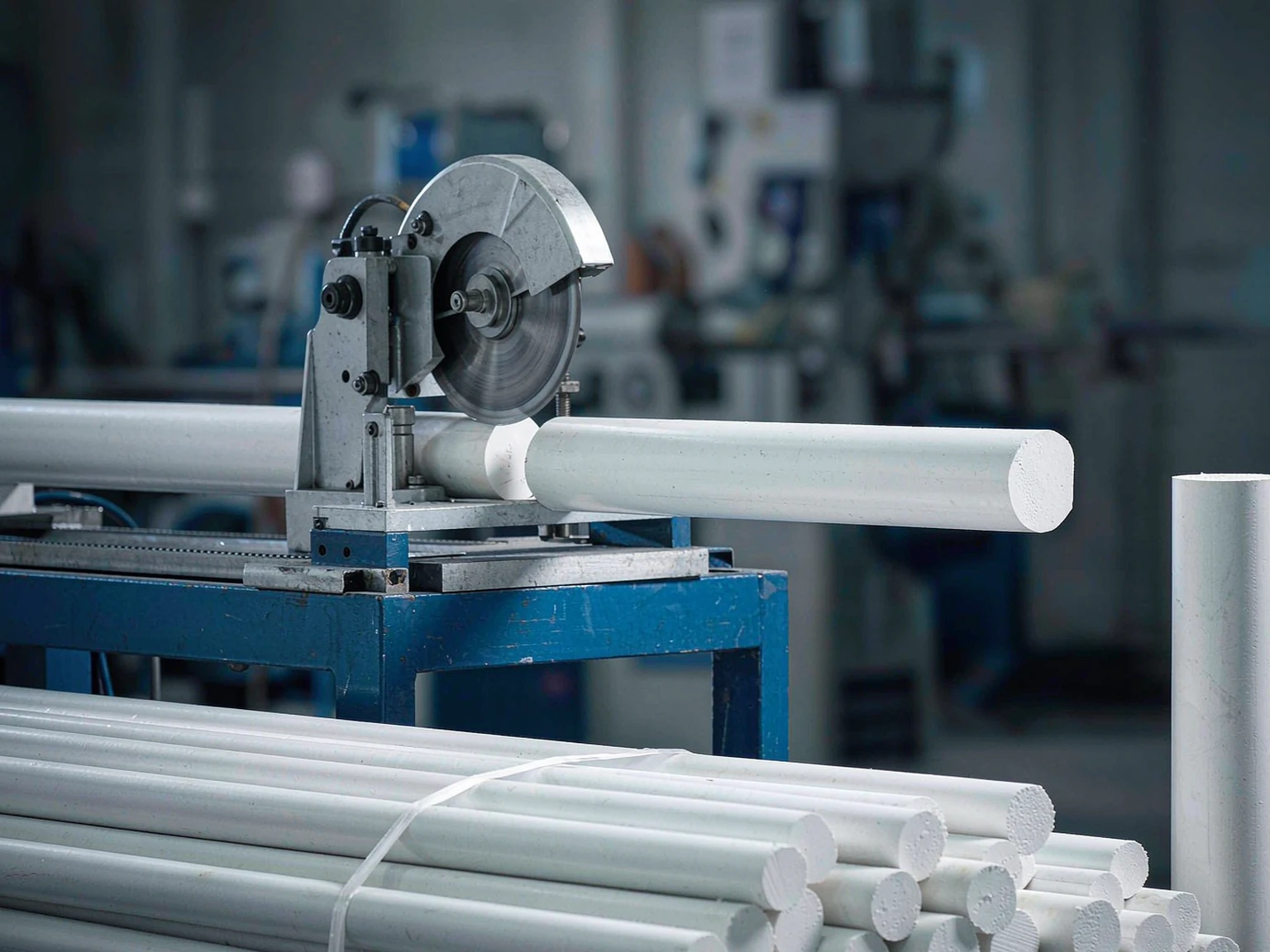
Extruded rod carries property orientation: rings machined from rod differ from rings molded to size. For seals and precision parts, tell the supplier the final geometry; they may recommend molded blanks instead. Chunhuan extrudes and molds PTFE rod in both families since 1985 with route disclosure on every certificate.
Frequently Asked Questions
When the machined part sees load, wear or temperature cycling — creep and wear improve 2-5x. Insulators and low-load parts stay virgin.
Does rod type affect machining?
Yes: glass and bronze fillers are abrasive on tooling; virgin machines easiest. Plan tooling accordingly.
Why does production route matter for rod?
Extruded rod has property directionality; molded billets differ. For rings and seals, state the final geometry so the supplier recommends the right stock.

 English
 Russian
 French
 Spanish
