
Removing a PTFE tube, often referred to as a Teflon tube, can be a straightforward process with the right technique and tools. Whether you’re dealing with a 3D printer, pneumatic systems, or any other application, understanding how to properly disassemble PTFE tubing will ensure you don’t damage the tubing or the fittings. Here’s a guide on how to efficiently pull out a PTFE tube.
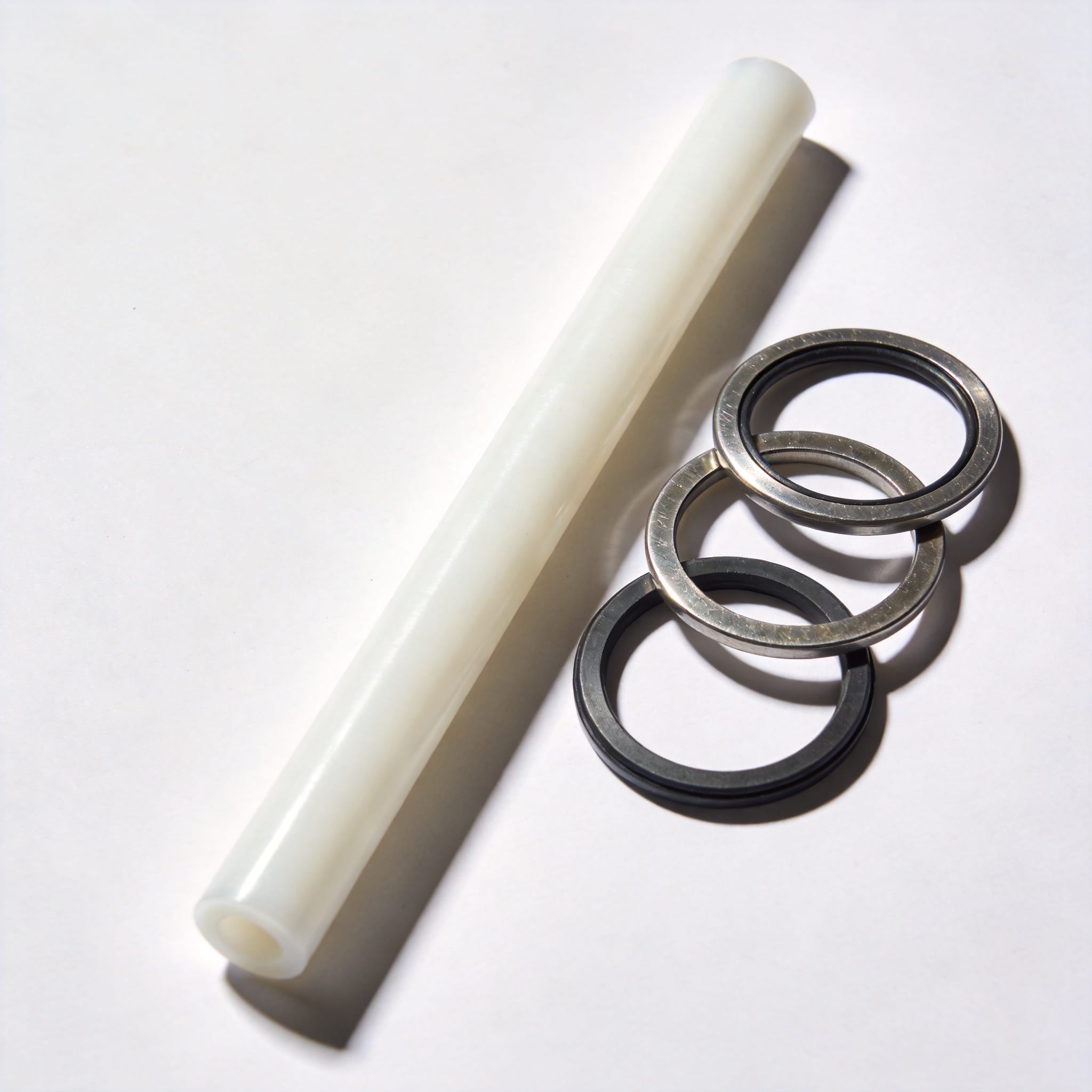
Before diving into the removal process, it’s essential to grasp what PTFE tubing is. PTFE, or polytetrafluoroethylene, is a versatile material known for its high resistance to heat and chemicals. Its slippery surface makes it ideal for various applications, but it also requires careful handling during installation and removal.
To successfully remove a PTFE tube, gather the following tools:
- PTFE Tube Removal Tool: Specifically designed for this purpose, it helps avoid damage during extraction.
- Wrench or Pliers: To loosen any fittings securing the tube.
- Safety Gloves: To protect your hands during the process.

Steps to Remove PTFE Tube
1. Prepare the Area
Ensure the system is turned off and depressurized. This is crucial, especially in pneumatic or fluid systems, to prevent accidents or injuries.
2. Loosen the Fittings
Using a wrench or pliers, gently loosen the fittings holding the PTFE tube. Be careful not to apply excessive force, which could damage the fittings or the tube itself. If the fittings are stubborn, apply a small amount of lubricant to ease the process.
3. Use the PTFE Tube Removal Tool
Insert the PTFE tube removal tool around the tube. This tool is designed to grip the tube without causing abrasions or deformation. Gently pull the tool along the length of the tube to dislodge it from the fitting.
4. Gently Extract the Tube
With the tube now loosened, carefully pull it out by hand. If it feels stuck, recheck the fittings to ensure they are entirely loosened. Avoid yanking the tube, as this could cause damage.

Tips for Reinstallation
Once you’ve removed the PTFE tube, you may need to reinstall it. Here are some tips for a smooth reinstallation:
- Check for Damage: Inspect the tube for any signs of wear or damage. If the tube is compromised, consider replacing it.
- Cut Cleanly: If you need to cut the tube, ensure it’s a clean, straight cut to fit snugly into the fittings.
- Secure Properly: When reinstalling, ensure the fittings are tightened just enough to hold the tube securely without over-tightening.
By following these steps and tips, you’ll ensure a smooth process in both removing and reinstalling PTFE tubes, maintaining the integrity of your system and equipment. If you have any further questions or need additional guidance, feel free to reach out in the comments below.
FAQ
1. What is the safest way to remove a PTFE tube?
The safest method is to first shut off pressure or fluid flow, then release the fitting’s locking mechanism or collet before gently pulling the PTFE tube straight out to avoid damage.
2. How do you remove a PTFE tube from a push-to-connect fitting?
Press the collet or release ring toward the fitting while simultaneously pulling the PTFE tube outward. This releases the internal gripping mechanism and allows easy removal.
3. Why is my PTFE tube difficult to remove?
Common causes include:
- Internal pressure remaining in the system
- Tube deformation at the fitting end
- Dirt or residue buildup
- Over-tightened fittings
- Long-term compression of the tubing
4. Can the tube be reused after removal?
Yes, if the tube is not damaged. However, inspect the end for scratches, deformation, cracks, or compression marks. Trimming the end before reinstallation is often recommended.
5. Should the tube end be cut after removal?
In many applications, yes. Cutting off the compressed section ensures a clean, square end that provides a better seal when the tube is reinstalled.

 English
 Russian
 French
 Spanish