
Short answer: Reduce CNC machining cost on PTFE components in five ways, in order of impact: relax non-critical tolerances, optimize stock size to reduce material waste, batch similar parts into shared setups, design for standard stock shapes where possible, and consolidate documentation requirements to what the part actually needs. Material is typically 30–60% of PTFE part cost — stock strategy alone moves real money.
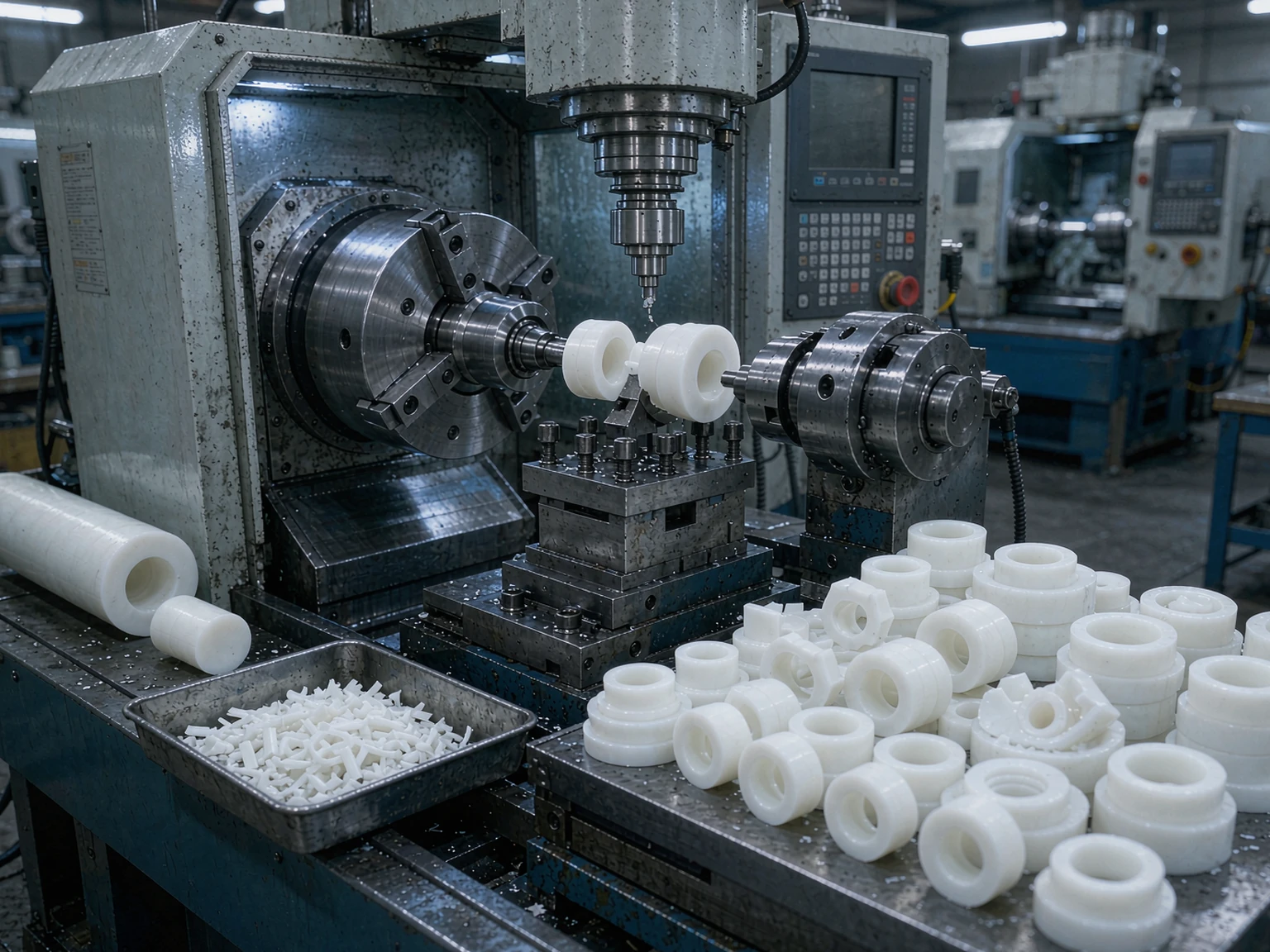
PTFE machining is fast (the material cuts easily), so the cost drivers are different from metal work: material yield and setup count dominate.
Lever 1: Tolerance Discipline
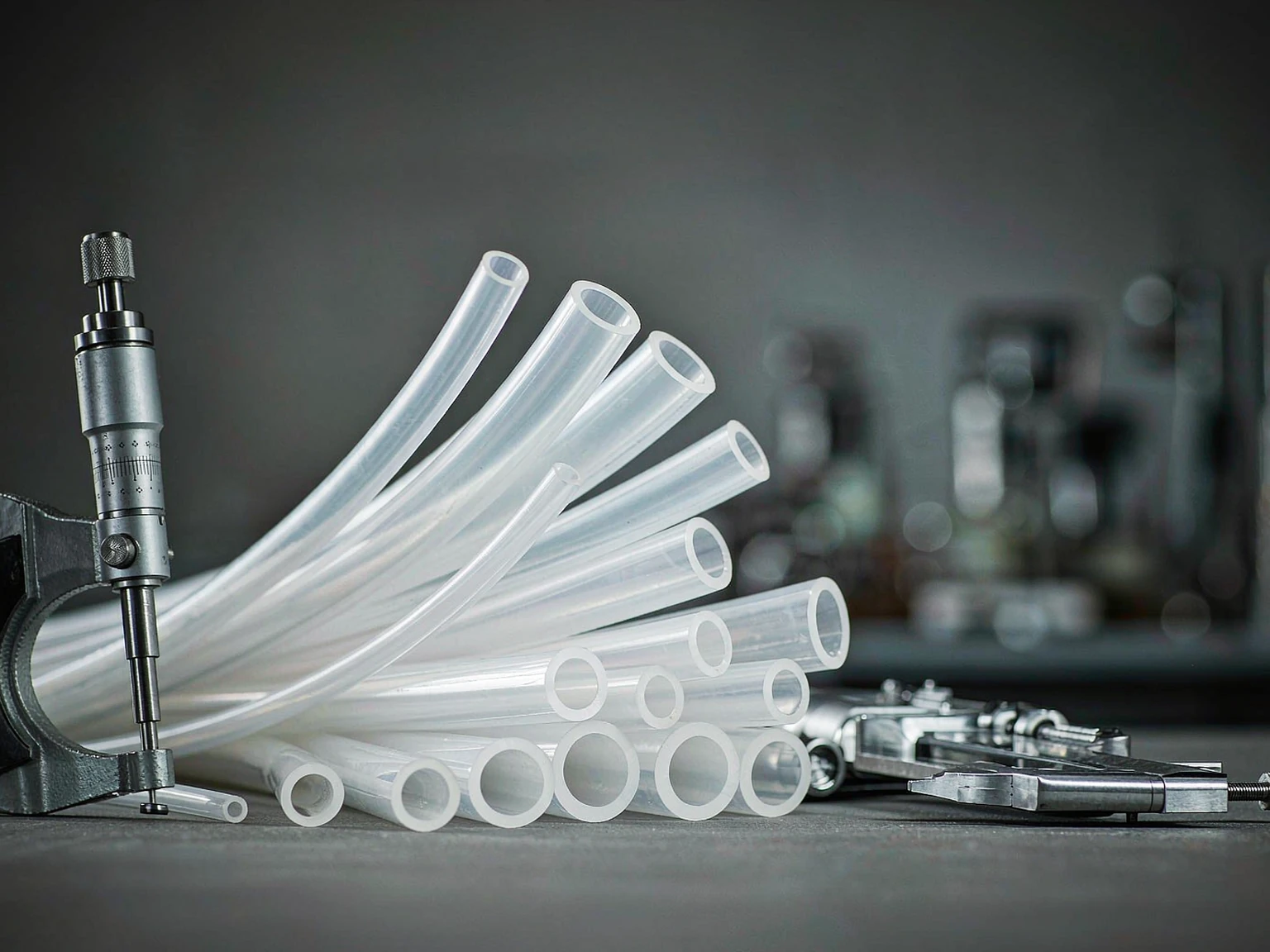
Every ±0.02 mm dimension forces sorting or slow finishing passes. Audit your drawing: mark the 2–3 dimensions that are genuinely functional and let everything else sit at ±0.1 mm. This single change commonly cuts quoted price 10–20%.
Lever 2: Stock Strategy
| Approach | Cost effect |
|---|---|
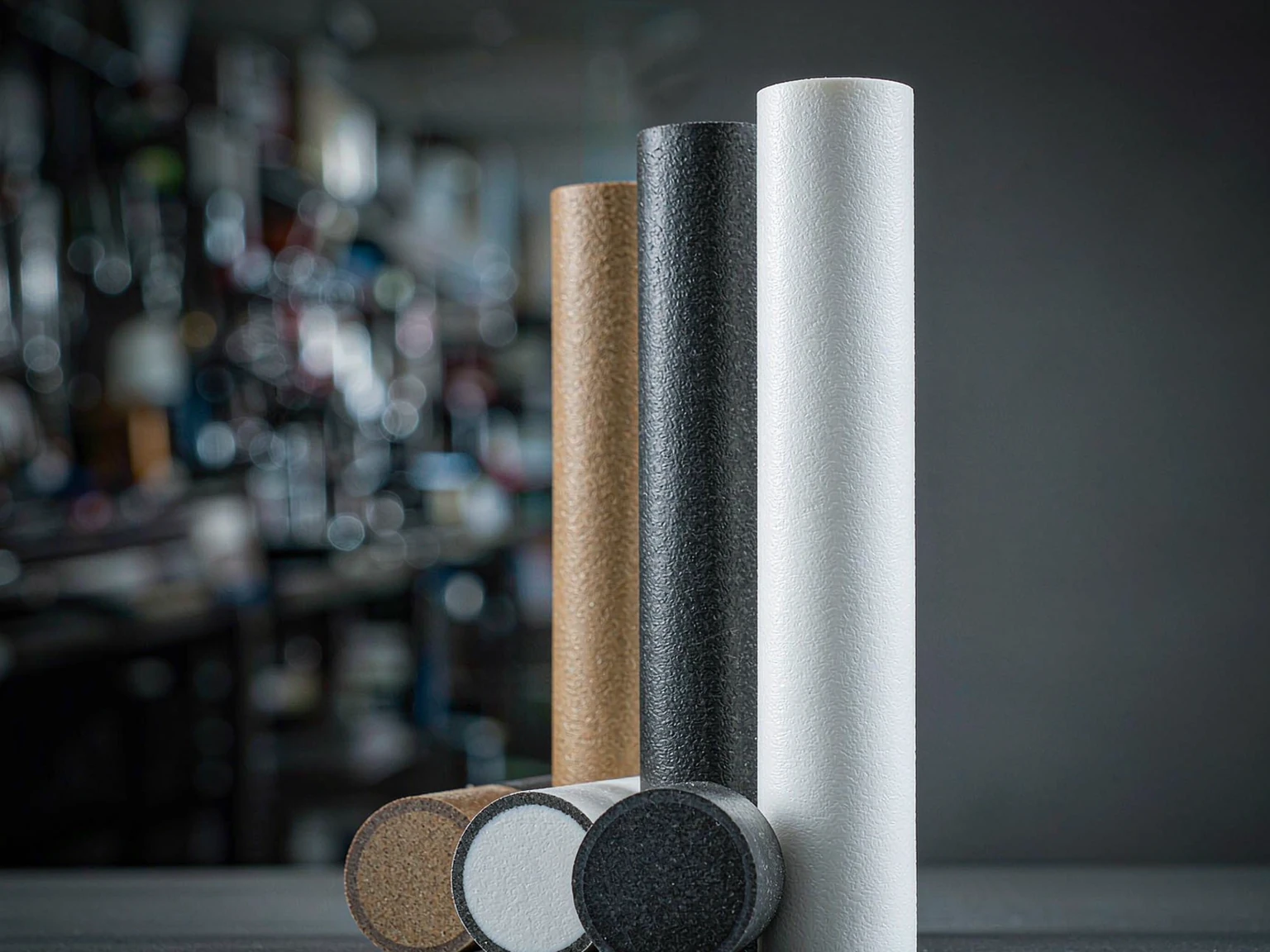
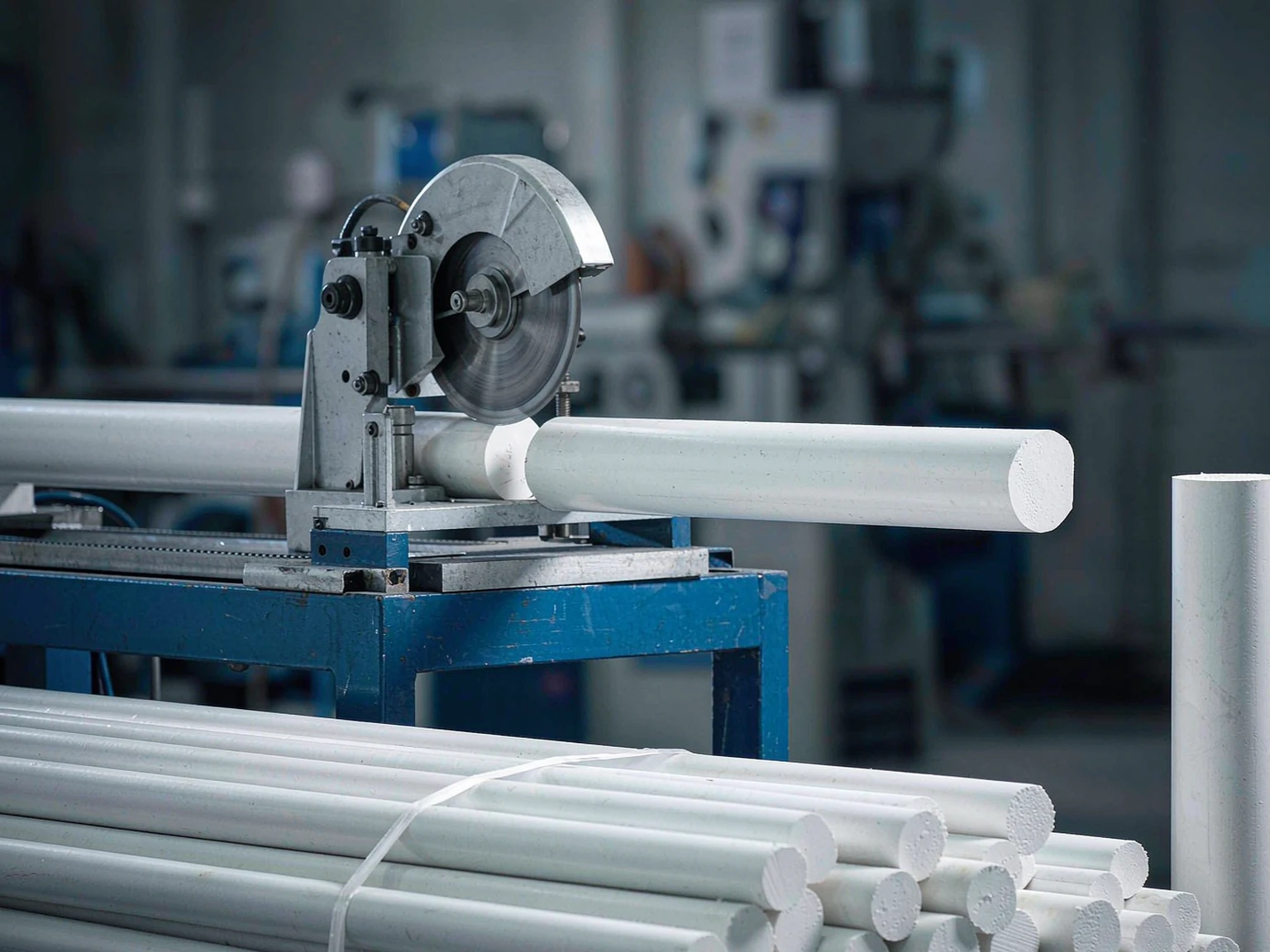
| Standard rod/sheet sizes matching part envelope | No oversize premium; less waste |
| Near-net molded blanks for high-volume parts | Skipping sintering stock removal saves material and time |
| Consolidated order with a machining house that molds its own stock | Blanks cut to need, no middle margin |
Lever 3: Setup Consolidation
Ten PTFE parts machined in one shared fixturing batch cost far less per part than ten separate one-off orders. Group parts by stock size and features; order quarterly instead of monthly where cash flow allows.
Lever 4: DFM Before the PO
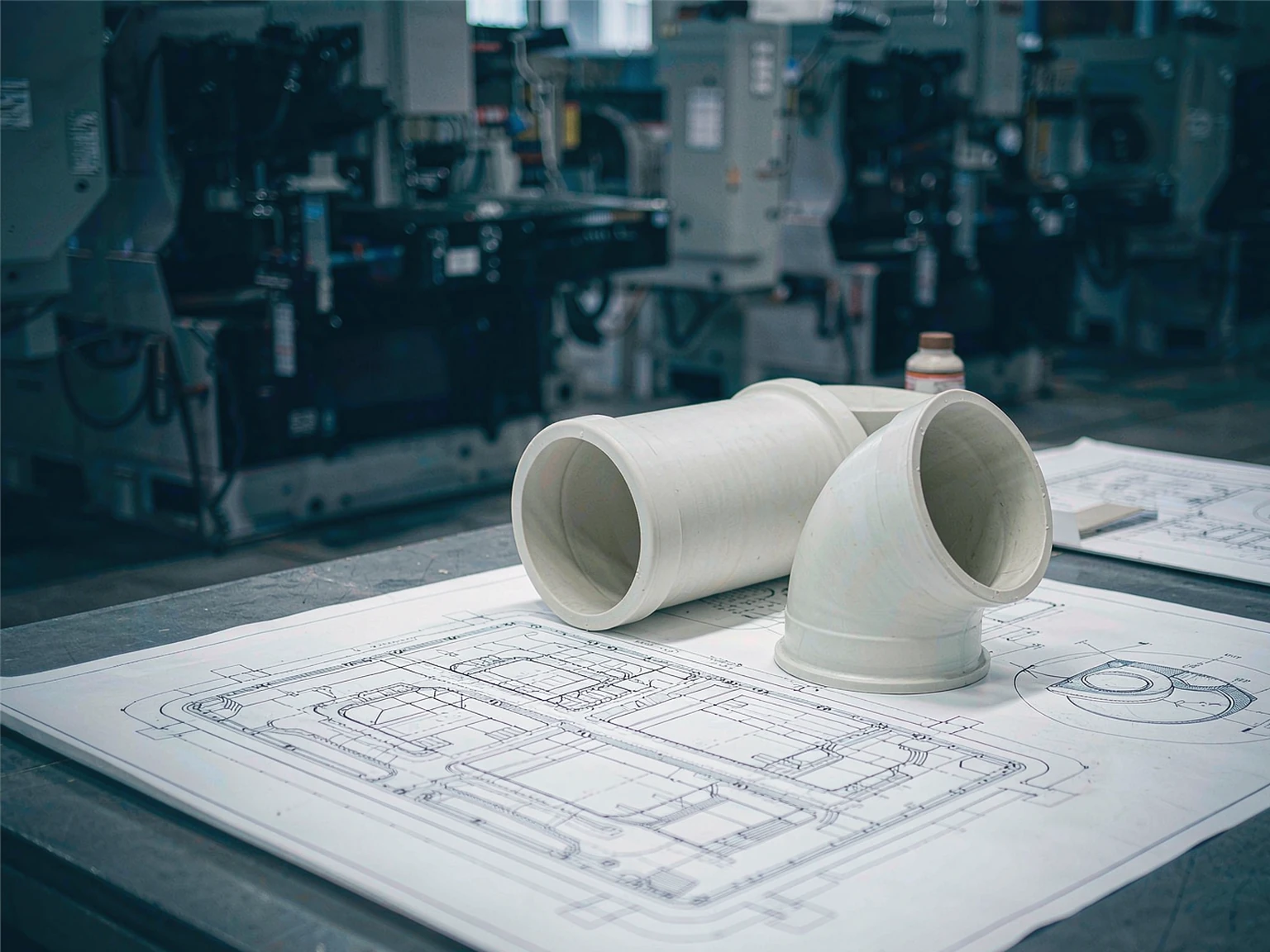
Ask the supplier what they’d change: internal sharp corners to radiused, deep thin walls to ribbed, odd stock sizes to standard. A supplier with own molding can propose a near-net blank that removes 40% of machining time.
Lever 5: Right-Sized Documentation
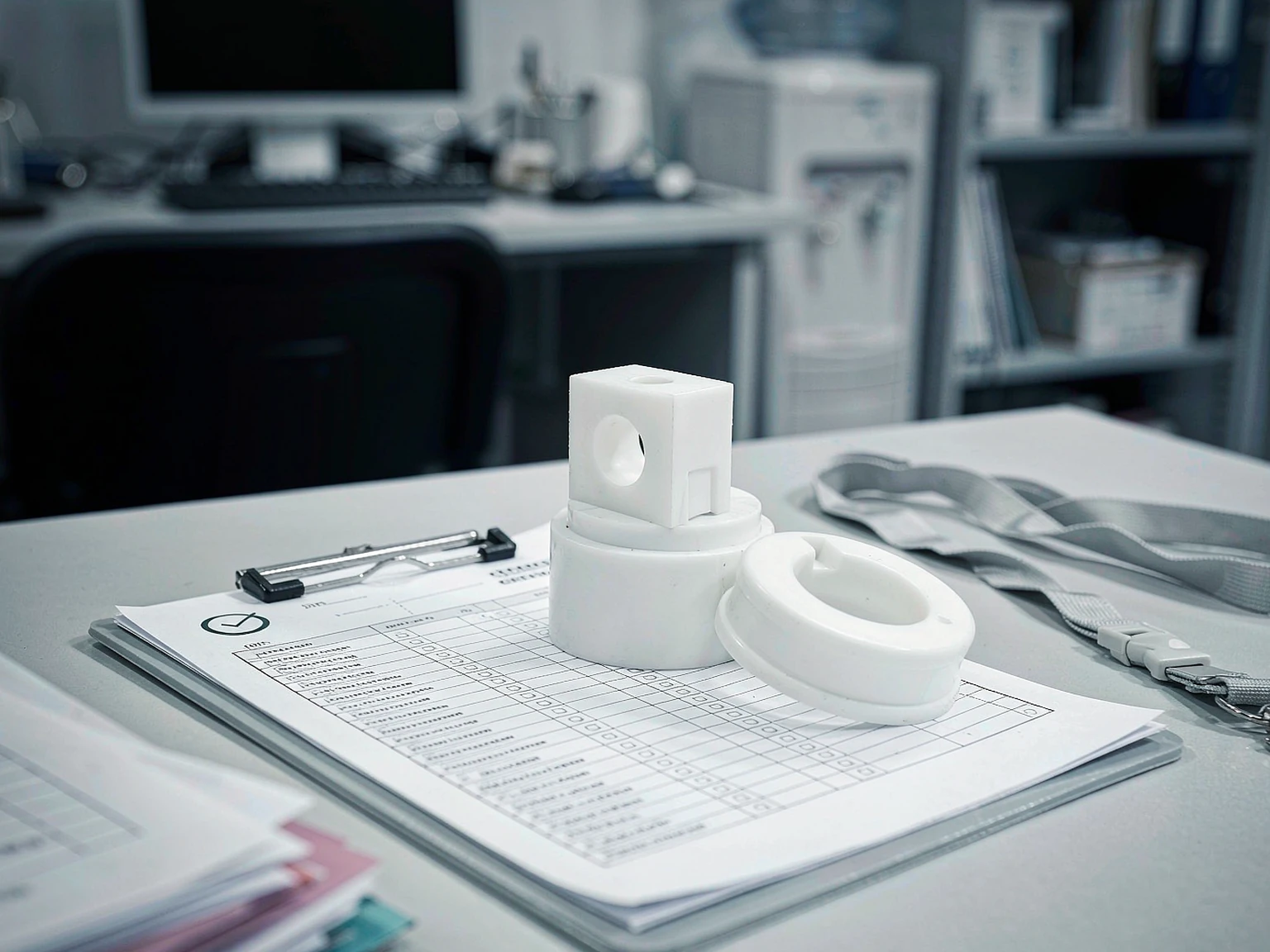
Full FAI + SPC + lot certs on every prototype part costs real hours. Match documentation depth to the stage: FAI at production release, spot checks after.
Chunhuan combines own molding with CNC machining, so near-net blanks and batch consolidation are practical levers we apply on customer programs — typically 15–30% unit-cost reduction on repeat parts.
Frequently Asked Questions
What are the biggest cost drivers in CNC machined PTFE parts?
Material yield (30–60% of cost) and number of setups — not cutting speed. Stock strategy and batch consolidation move the most money.
How much can tolerance relaxation save on PTFE parts?
Typically 10–20% of quoted price by reserving tight tolerances (±0.02 mm) for genuinely functional dimensions and letting the rest sit at ±0.1 mm.
What is a near-net PTFE blank?
A molded blank shaped close to final geometry, reducing machining time and material waste — practical when the supplier molds their own stock.
Should I order PTFE parts monthly or quarterly?
Larger, consolidated orders sharing setups lower per-part cost. Group parts by stock size and batch features where production planning allows.

 English
 Russian
 French
 Spanish
