
In the high-stakes world of industrial sealing, where every joint and connection matters, the unassuming expanded PTFE gasket is quietly changing the game. Often overlooked due to its modest appearance, this material harbors a transformative power that is revolutionizing seals across diverse applications. Imagine a solution that not only withstands extreme conditions but also adapts to them with unparalleled flexibility and durability. With industries constantly pushing the boundaries of what’s possible, the need for reliable, efficient, and cost-effective sealing solutions has never been greater.
What makes the expanded PTFE gasket truly remarkable is its unique ability to maintain integrity under the harshest of conditions. Whether facing aggressive chemicals, soaring temperatures, or high-pressure systems, these gaskets stand resilient where others falter. By minimizing the risk of leaks and failures, they are not just saving costs but also potentially saving lives in critical scenarios. As we delve deeper into the hidden power of expanded PTFE gaskets, prepare to uncover the science and innovation that are setting new standards in sealing technology.
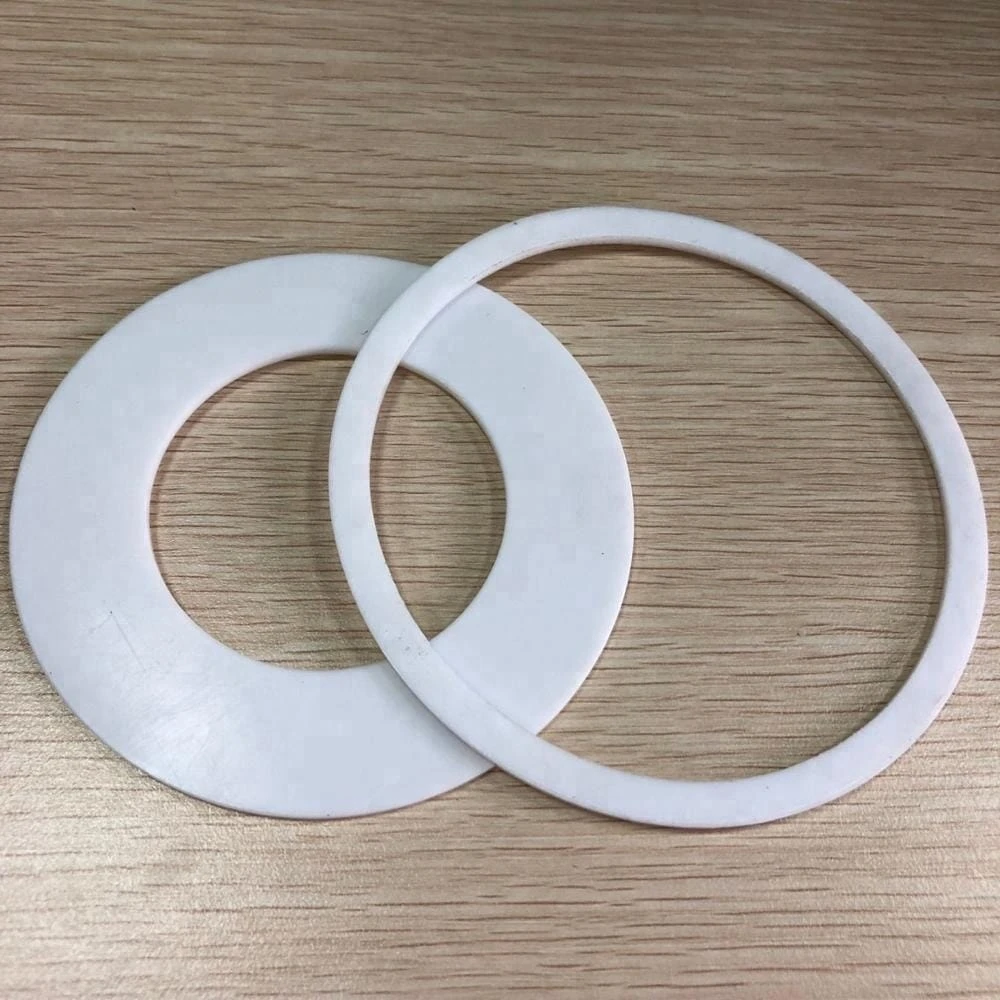
Evolution of Sealing Technology: A Historical Perspective
Sealing solutions have evolved significantly since the dawn of industrial civilization. Early civilizations relied on rudimentary materials—such as animal hides, tree resins, and woven fibers—to plug leaks in water channels and storage vessels. These primitive seals were often unreliable, degrading quickly under stress and leading to frequent maintenance or catastrophic failures. As machinery advanced during the Industrial Revolution, new challenges emerged: higher pressures, increased temperatures, and exposure to aggressive fluids. Traditional materials like cork, rubber, and asbestos found widespread use, but each carried limitations—cork would swell and degrade over time; rubber could harden or crack; asbestos presented serious health hazards.
Fast forward to the mid-20th century, when the introduction of polytetrafluoroethylene (PTFE) marked a turning point. Known for its unparalleled chemical inertness and low friction, PTFE quickly found niche applications in valve seats and gaskets. Yet, the rigid nature of solid PTFE limited its sealing performance under fluctuating pressures. This gap led to the development of the expanded PTFE gasket—an engineered material that combines the best attributes of PTFE with enhanced compressibility and conformability. By stretching PTFE under precise conditions, manufacturers create a microporous structure that delivers superior resilience and adaptability. Today’s expanded PTFE gasket draws on decades of refinement, setting a new benchmark in sealing technology across petrochemical, pharmaceutical, food processing, and power generation industries.
Unmatched Resilience: Performance Under Extreme Temperatures
Operating in environments that swing from cryogenic lows to scorching highs poses a formidable challenge for sealing materials. Traditional elastomers, such as nitrile and EPDM, typically function within a limited temperature band—brittle at sub-zero temperatures and prone to thermal degradation above 150°C. By contrast, the expanded PTFE gasket exhibits a remarkable service range from -200°C up to +260°C without significant loss of mechanical properties. This thermal stability stems from PTFE’s unique carbon-fluorine bonds, which resist thermal breakdown far beyond the capabilities of most polymer-based seals.
In cryogenic applications, such as liquid natural gas (LNG) transport, seals must remain ductile and leak-free despite extreme cold. The microporous structure of expanded PTFE compensates for contraction, preserving a tight seal. Conversely, in high-temperature steam systems or furnace applications, these gaskets resist creep, cold flow, and oxidation. Their ability to maintain integrity under thermal cycling minimizes downtime for inspections and replacements, translating into substantial cost savings. As industries stretch operational envelopes, the expanded PTFE gasket’s unmatched thermal resilience is a critical enabler for processes that demand unwavering performance.
Chemical Resistance Beyond Compare: Safeguarding Against Corrosive Elements
Exposure to aggressive chemicals—acids, bases, solvents, and fuels—can rapidly degrade conventional sealing materials. Elastomers swell, lose elasticity, or dissolve, leading to leaks and safety hazards. Metals, though strong, may corrode or react, contaminating process streams. Enter the expanded PTFE gasket, renowned for its exceptional chemical inertness. PTFE’s carbon-fluorine bonds are among the strongest in organic chemistry, making it virtually impervious to attack by most chemicals.
In practice, expanded PTFE gaskets are deployed in chemical processing plants handling sulfuric acid, hydrochloric acid, and strong alkalis. Even in environments saturated with solvents like acetone or toluene, these gaskets exhibit negligible weight gain and maintain a tight seal. In pharmaceutical and food-grade applications, where purity is paramount, the material’s non-stick, non-contaminating surface ensures product integrity. By resisting embrittlement, swelling, and leaching, expanded PTFE gasket solutions significantly extend maintenance intervals and enhance operational safety in chemically harsh environments.
The Pressure Is On: High-Performance Sealing in Industrial Systems
Industrial systems—from oil and gas pipelines to high-pressure hydraulic circuits—often operate at pressures exceeding 1,000 psi. Under such stress, sealing surfaces can deform or extrude, creating pathways for leakage. Traditional gaskets made of softer materials may offer initial compliance but gradually lose load-bearing capacity, leading to flange separation or blowouts.
Expanded PTFE gaskets address these challenges through a combination of inherent material strength and engineered reinforcement. The microporous structure balances compressibility with recovery, while customizable filler particles (graphite, carbon, or glass) can be incorporated to boost load resistance. This composite architecture prevents over-compression and extrusion under high bolt loads, maintaining consistent sealing forces and preventing creep relaxation. As a result, expanded PTFE gasket solutions deliver reliable performance in high-pressure valves, flanges, and joints across refineries, petrochemical complexes, and power plants.
Leak Prevention Strategies: Enhancing System Integrity
Leak prevention is not just about selecting the right gasket material; it also involves proper installation, flange design, and torque control. Even the most advanced expanded PTFE gasket cannot perform optimally if installed incorrectly. Key strategies include using precision-machined flange surfaces, selecting appropriate gasket thickness, and adhering to torque sequences specified by industry standards.
Regular inspection and monitoring—utilizing infrared thermography or acoustic emission testing—can detect early signs of seal degradation before catastrophic failure. In critical applications, double-gasket systems or live-loading spring assemblies can be employed to maintain constant compressive force, compensating for relaxation over time. By combining these best practices with the inherent advantages of an expanded PTFE gasket, engineers can achieve unparalleled system integrity, minimize unscheduled downtime, and uphold stringent safety and environmental regulations.
Conclusion: Embracing the Future of Sealing Technology
As industries advance toward greater efficiency and sustainability, the expanded PTFE gasket stands out as a cornerstone of modern sealing solutions. Its unique blend of thermal stability, chemical resistance, and mechanical resilience addresses the most demanding operational challenges. By integrating best practices in installation and monitoring, users can unlock its full potential, ensuring leak-free performance under the harshest conditions.
Looking ahead, ongoing research into nano-enhanced fillers and surface treatments promises to further elevate the capabilities of PTFE-based gaskets. Embracing this transformative technology means not only optimizing current processes but also paving the way for the next generation of high-performance sealing systems.

 English
 Russian
 French
 Spanish