
Short answer: selecting PTFE components for a chemical plant works through four screens in order: temperature (above 100°C, every polymer except fluoropolymers drops out), chemical universality (PTFE passes, fillers need caveats), mechanical duty (creep decides — filled grades or design changes), and standards/certification (FDA, RoHS, REACH, sector-specific). Most selection time should go to screens three and four; screens one and two usually pass in minutes.
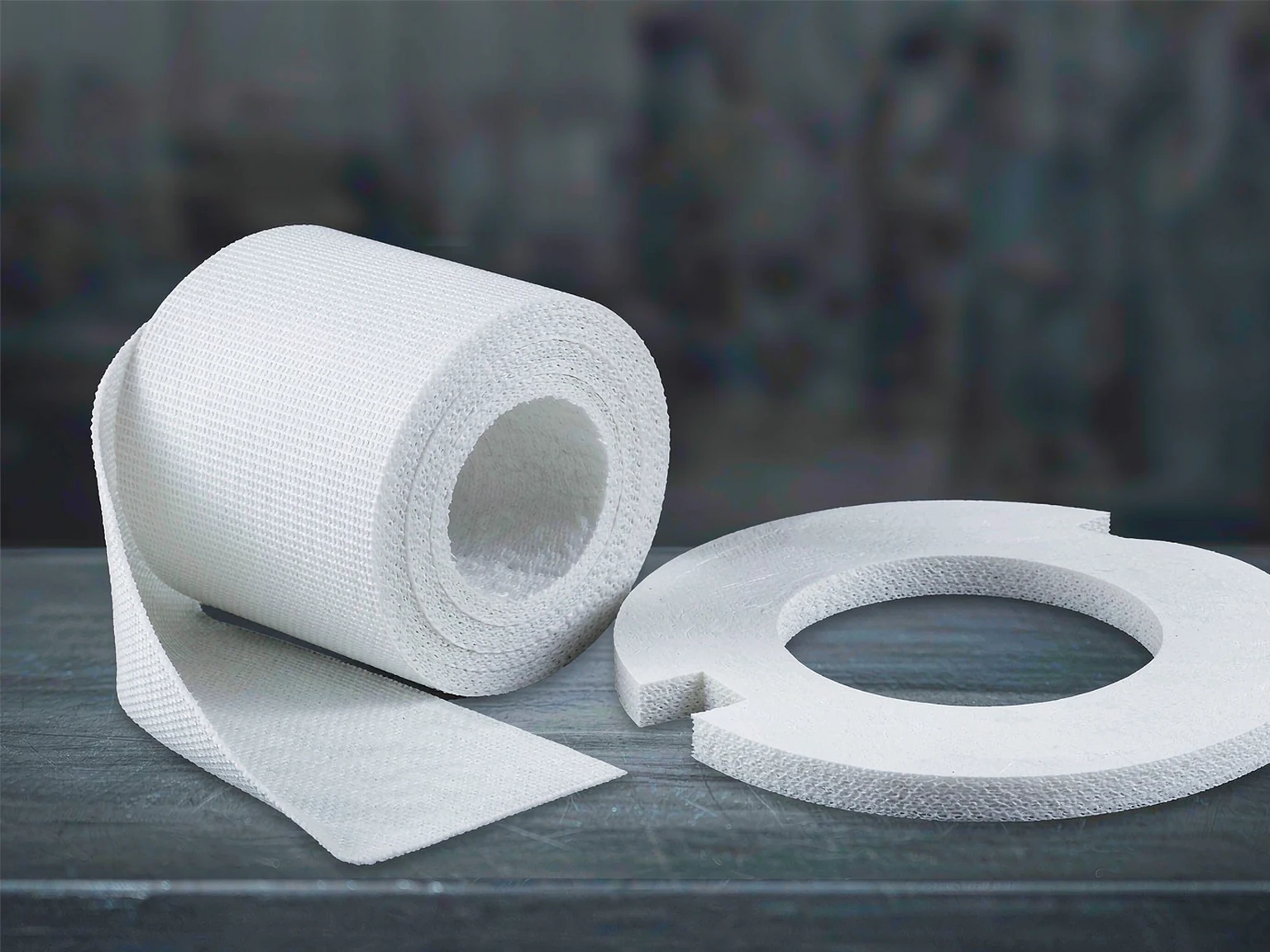
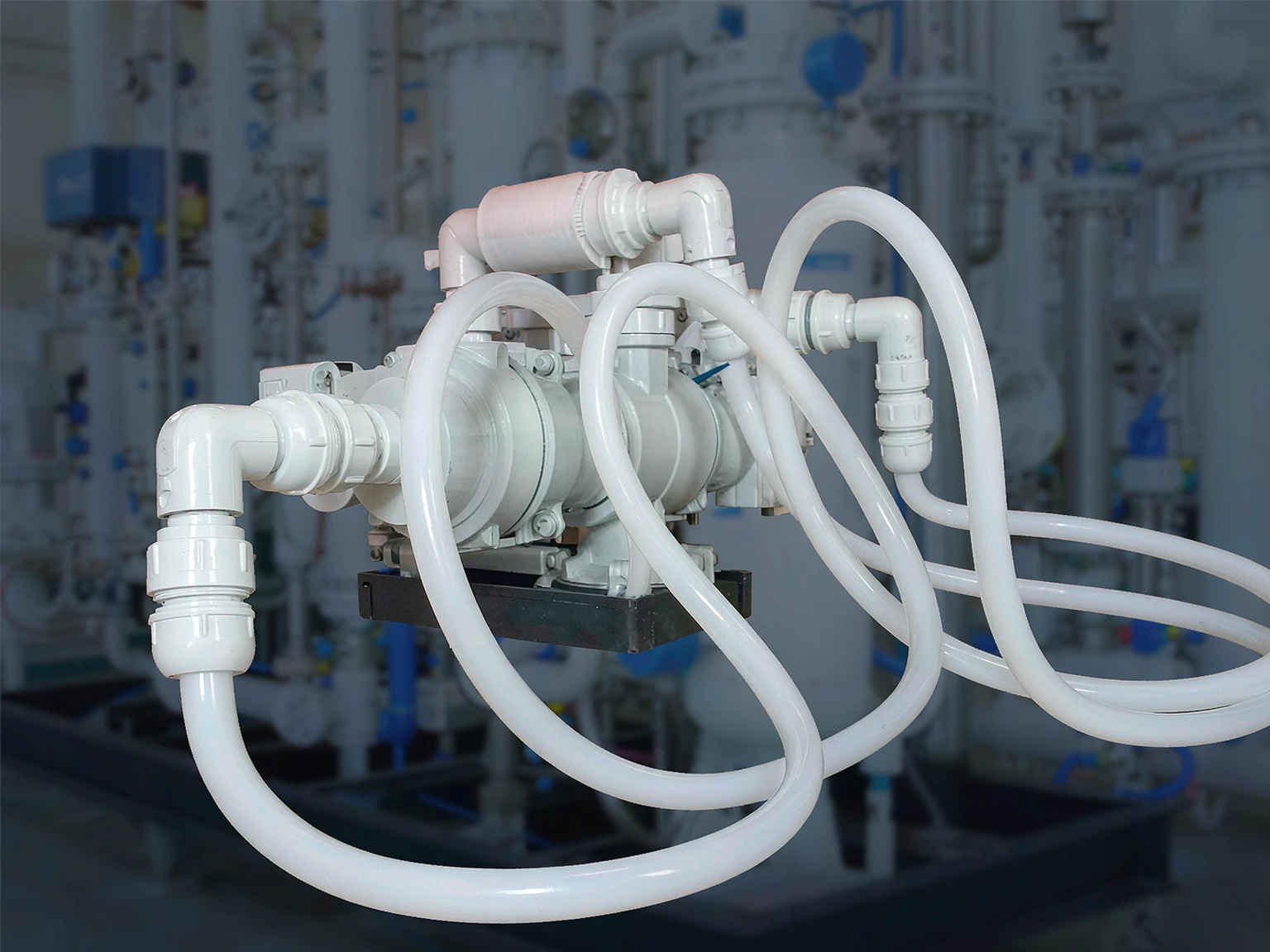
PTFE appears in chemical plants as sheet, rod, tube, gaskets, lined equipment and machined parts — and the selection errors are symmetrical across all of them: over-indexing on chemistry (which never fails) and under-indexing on creep, cycling and documentation. This checklist compresses the process into the screens that matter.
Screen 1: Temperature band — the quick eliminator
-200 to +260°C is PTFE’s service window, but strength at temperature is another matter: PTFE is soft when hot, so load-bearing roles at temperature shift to filled grades or other materials. Write the worst case including steam-out and upset.
Screen 2: Chemistry with filler caveats
The base polymer passes essentially everything; the fillers don’t (glass in alkali, carbon in oxidizers, bronze in acids). If the component is filled — and load-bearing ones should be — run the screen again on the filler.
Screen 3: Mechanical duty — where selection actually happens
- Static seals and gaskets: creep/bolt-load question — grade and torque practice.
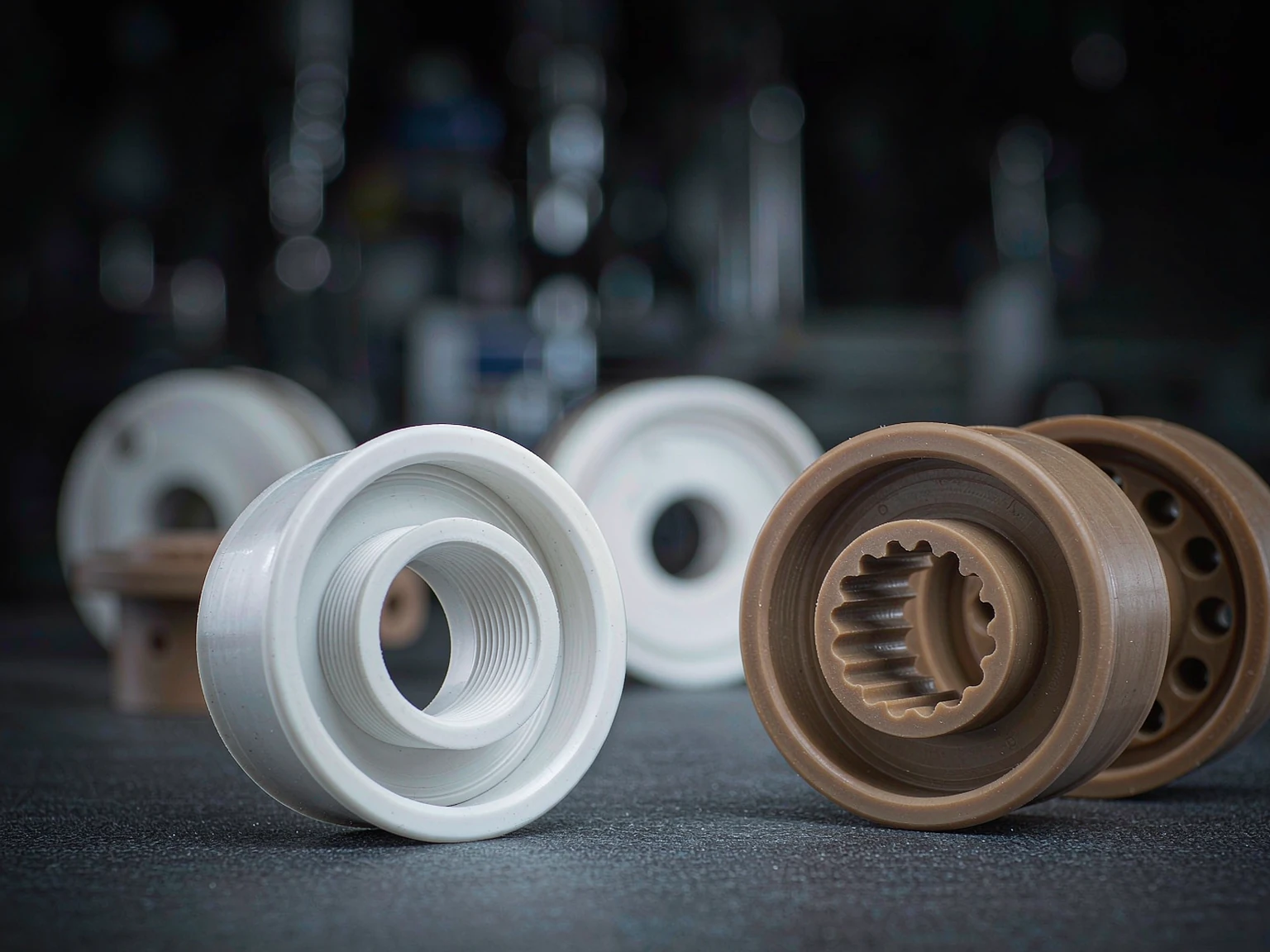
- Sliding parts: wear and PV — carbon/graphite grades and counterface spec.
- Load-bearing supports: bronze-filled minimum; check pressure versus grade limit.
- Barrier/lining: permeation thickness question — not degradation.
Screen 4: Documentation and supplier evidence
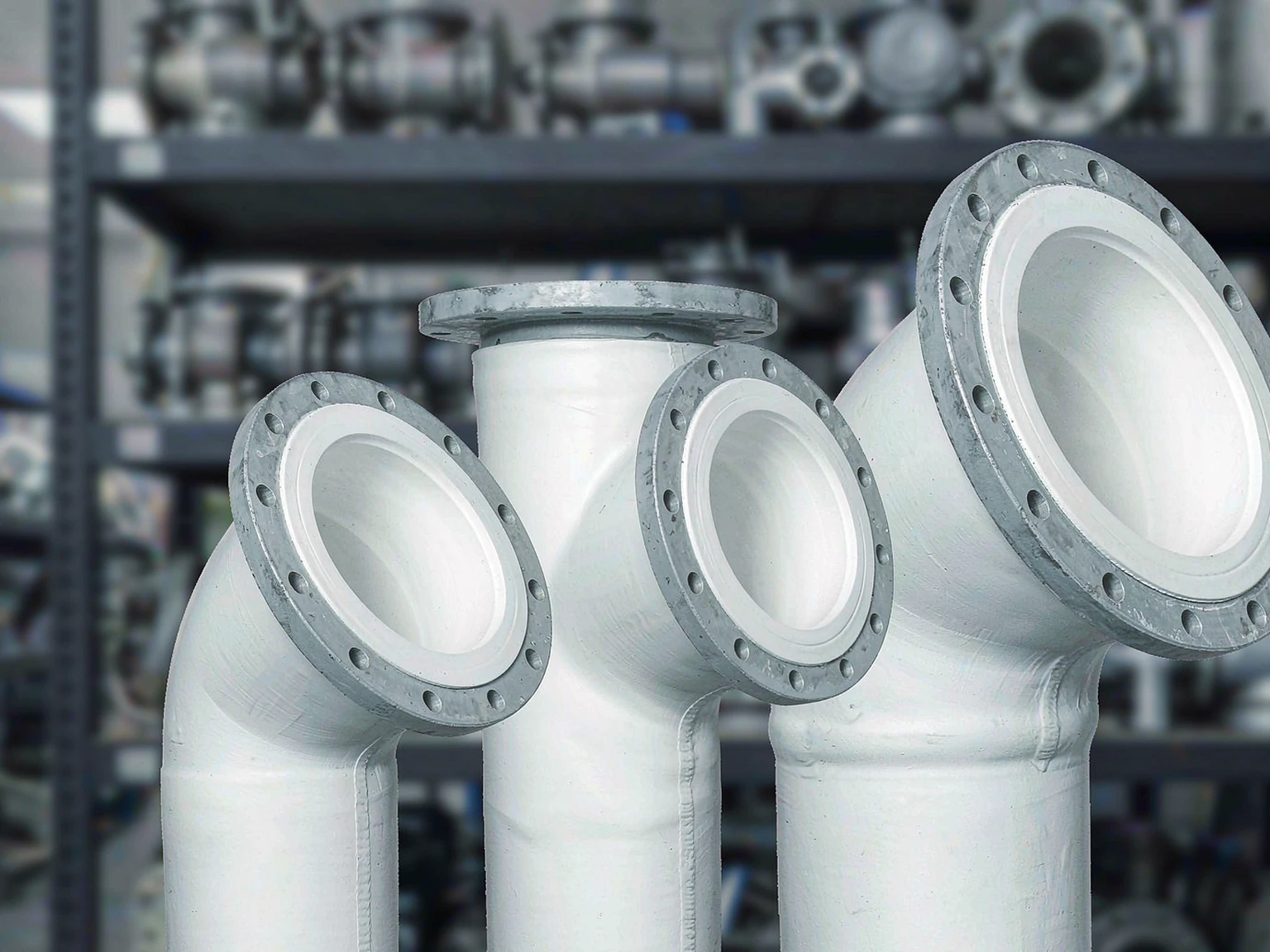
Certificates naming grade and lot, tested finished-part values, compliance per sector (FDA 21 CFR 177.1550 for food/pharma contact), and — for lined equipment — spark-test records. Chunhuan supplies the full component range — semi-finished stock, sealing products and lined equipment — since 1985 with ISO 9001 lot documentation. Run your parts through the four screens; where screen three is uncertain, that is the conversation that saves the component.
Frequently Asked Questions
How do I select PTFE components for chemical plant service?
Four screens: temperature band, chemistry (including filler caveats), mechanical duty (creep, wear, PV), and certification. Time goes into screens 3-4; 1-2 pass quickly.
Does PTFE ever fail chemically in plants?
Only with molten alkali metals or elemental fluorine. Field failures are creep, wear, permeation or absorption — mechanical and transport issues.
What certificates should chemical-plant PTFE parts carry?
Grade-and-lot material certificates with tested finished-part values, plus FDA/RoHS/REACH where the sector requires, and spark-test records for lined equipment.


 English
 Russian
 French
 Spanish
