
In the intricate world of industrial sealing, the choice of material can make or break the success of an operation. Countless industries, from chemical processing to food production, rely on gaskets for maintaining airtight seals under extreme conditions. Have you ever wondered what it takes for a gasket to withstand not only high temperatures but also harsh chemicals and relentless pressure? Enter PTFE gaskets—a revolutionary component that promises ultimate resistance and reliability where it’s needed most.
Imagine a material so versatile it can handle the most corrosive substances while remaining completely unaffected. This is not just a dream for engineers; it’s a reality made possible by the unique properties of PTFE gaskets. With their exceptional chemical resistance, non-stick nature, and ability to operate in temperatures ranging from cryogenic lows to blistering highs, PTFE gaskets have become indispensable across various sectors. As we delve into this topic, you’ll uncover how these gaskets not only enhance operational efficiency but also provide a long-lasting sealing solution that stands the test of time.

Unparalleled Chemical Resistance of PTFE Gaskets
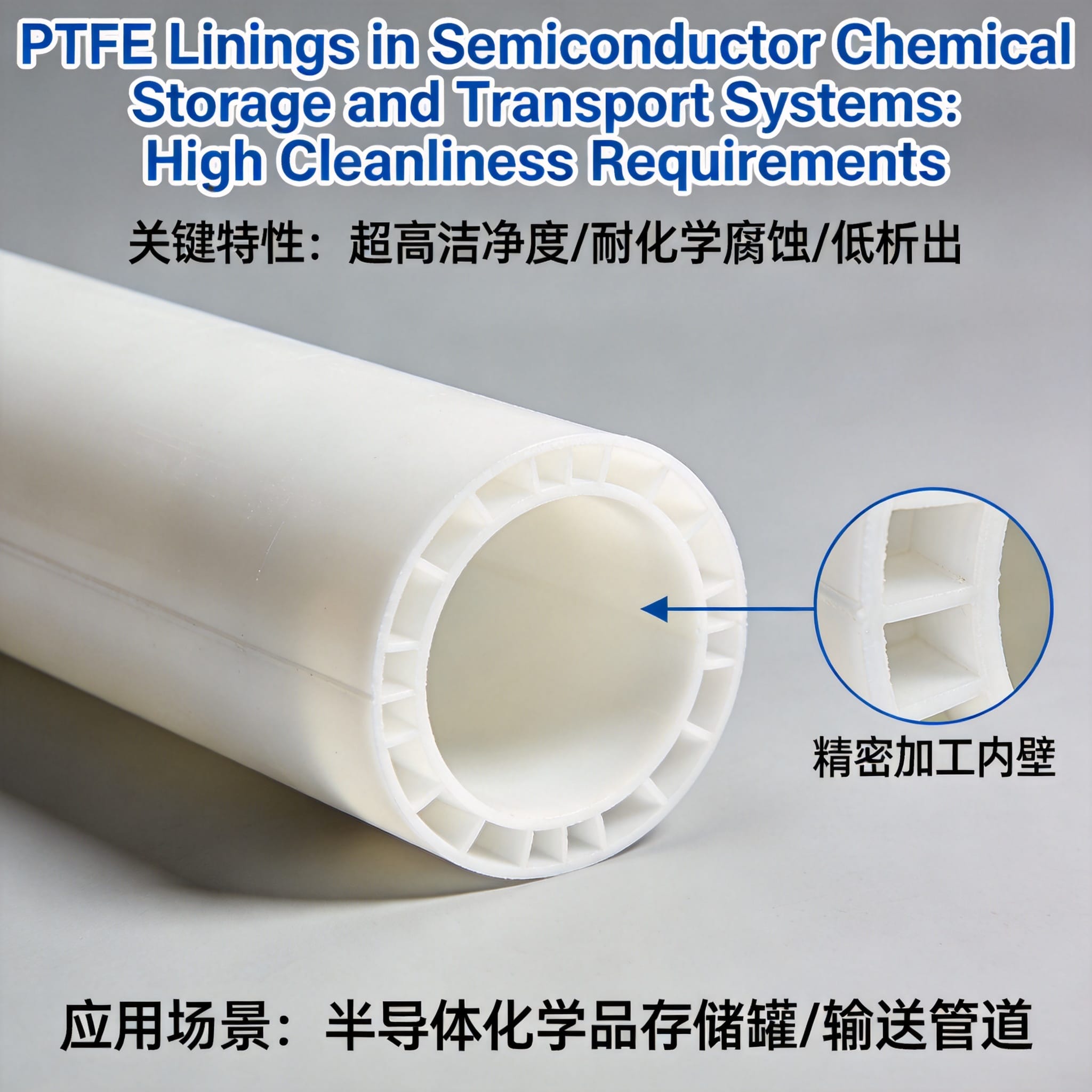
When it comes to sealing applications in environments laden with aggressive chemicals, PTFE gaskets stand in a league of their own. Thanks to the extraordinary inertness of polytetrafluoroethylene (PTFE), these gaskets resist attack from virtually every acid, base, solvent, and oxidizer known in industrial processing. From highly concentrated sulfuric acid in fertilizer plants to caustic sodium hydroxide in pulp and paper mills, PTFE gaskets remain dimensionally stable and chemically unaltered, ensuring no leaching of materials or compromise in seal integrity. This unparalleled chemical resistance diminishes the risk of corrosion-induced leaks, safeguarding both equipment and personnel from hazardous exposures.
Moreover, the non-reactive nature of ptfe gaskets drastically reduces the need for frequent gasket replacements in harsh chemical settings. Maintenance teams benefit from extended overhaul intervals, as these gaskets can withstand repeated cycles of exposure without cracking, swelling, or degrading. In petrochemical refineries and pharmaceutical production lines—where purity and contamination control are paramount—PTFE gaskets guarantee that processing streams remain uncontaminated by gasket material. The result is not only a safer work environment but also significant cost savings by minimizing downtime and inventory of spare sealing components.
Non-Stick Properties for Easy Maintenance
One of the standout features of PTFE gaskets is their inherently low coefficient of friction and remarkable non-stick surface. This property ensures that substances such as resins, slurries, and adhesives do not cling to the gasket face, making routine cleaning and inspection straightforward. In food processing and pharmaceutical industries, where sanitary conditions are critical, ptfe gaskets help prevent microbial buildup and cross-contamination. Cleaning cycles become shorter and more efficient, allowing operations to maintain strict hygiene standards without lengthy shutdowns for manual scrubbing or chemical washes.
Beyond ease of cleaning, the non-stick nature of PTFE gaskets translates into reduced mechanical wear during installation and removal. Technicians experience less torque resistance when bolting flanges together or dismantling assemblies, which lowers the risk of flange damage or bolt seizure. These maintenance-friendly characteristics lead to a decrease in labor costs and machine downtime, as equipment can be serviced swiftly and returned to production. In the long run, the non-stick performance of ptfe gaskets contributes to greater overall equipment reliability and operational uptime.
Industrial Applications of PTFE Gaskets
PTFE gaskets find widespread use across a multitude of industries due to their versatile performance profile. In chemical processing plants, they seal reactors, heat exchangers, and piping systems handling corrosive fluids. Oil and gas refineries rely on ptfe gaskets in high-pressure, high-temperature valve assemblies to prevent leaks of hydrocarbons and flammable gases. The pharmaceutical and biotech sectors value PTFE gaskets for their purity and non-contaminating nature, employing them in sterile reactors, filtration systems, and clean-in-place (CIP) equipment.
Food and beverage manufacturers also capitalize on the food-grade versions of PTFE gaskets, which meet stringent FDA and EU regulations. These gaskets ensure leak-free operations in dairy pasteurizers, brewing vessels, and carbonation lines. Even in cryogenic applications—such as liquefied natural gas (LNG) storage and transport—PTFE gaskets maintain flexibility down to -196 °C, delivering reliable sealing performance where other materials would embrittle and fail. From aerospace fuel systems to semiconductor manufacturing, ptfe gaskets serve as the go-to solution whenever exceptional chemical resistance and temperature resilience are required.
Longevity and Reliability of PTFE Gaskets
The long-term performance of ptfe gaskets is unmatched when subjected to cyclic loading, extreme temperature swings, and sustained mechanical stress. Unlike elastomeric seals that can degrade through thermal aging or compression set, PTFE retains its shape and sealing force even after years of service. This endurance stems from the strong carbon-fluorine bonds within the polymer, which resist oxidative breakdown and maintain material integrity under UV exposure, radiation, and high-pressure environments.
Reliability is further enhanced by the creep-resistant nature of PTFE, ensuring that gasket seals do not relax or leak over time. Industries operating critical infrastructure—such as power generation turbines and steam boilers—benefit from the peace of mind that comes with minimal maintenance interventions. By choosing ptfe gaskets, plant managers reduce the frequency of gasket changeouts, lower inventory costs for spare parts, and extend scheduled maintenance intervals. The result is a sustainable sealing solution that offers both performance consistency and considerable lifecycle savings.
Conclusion: PTFE Gaskets – The Ultimate Sealing Solution
From withstanding aggressive chemicals to delivering effortless maintenance and enduring performance under the harshest conditions, PTFE gaskets have earned their reputation as the ultimate sealing solution. Their unmatched chemical resistance, non-stick properties, and broad temperature range make them indispensable across diverse industrial sectors.
By investing in ptfe gaskets, companies ensure not only operational safety and process purity but also significant savings on maintenance, downtime, and replacement costs. Embrace the superior reliability of PTFE gaskets and experience the next level of sealing excellence.

 English
 Russian
 French
 Spanish