
Designing seals might seem like a complex task, but when it comes to PTFE (Polytetrafluoroethylene) seals, understanding some core principles can make a significant difference. PTFE is a versatile material known for its exceptional chemical resistance and low friction, making it a popular choice for various sealing applications. Whether you’re dealing with o-rings, gaskets, or lip seals, following a structured design approach is crucial. In this article, we will explore best practices and tips for designing PTFE seals effectively.

PTFE seals are widely used in industries ranging from automotive to chemical processing due to their durability and resilience. Before diving into the design specifics, it’s essential to understand the basic types of PTFE seals and their applications.
Types of PTFE Seals
- PTFE O-Rings: These are circular seals used primarily in static applications. They are favored for their resistance to extreme temperatures and chemicals.
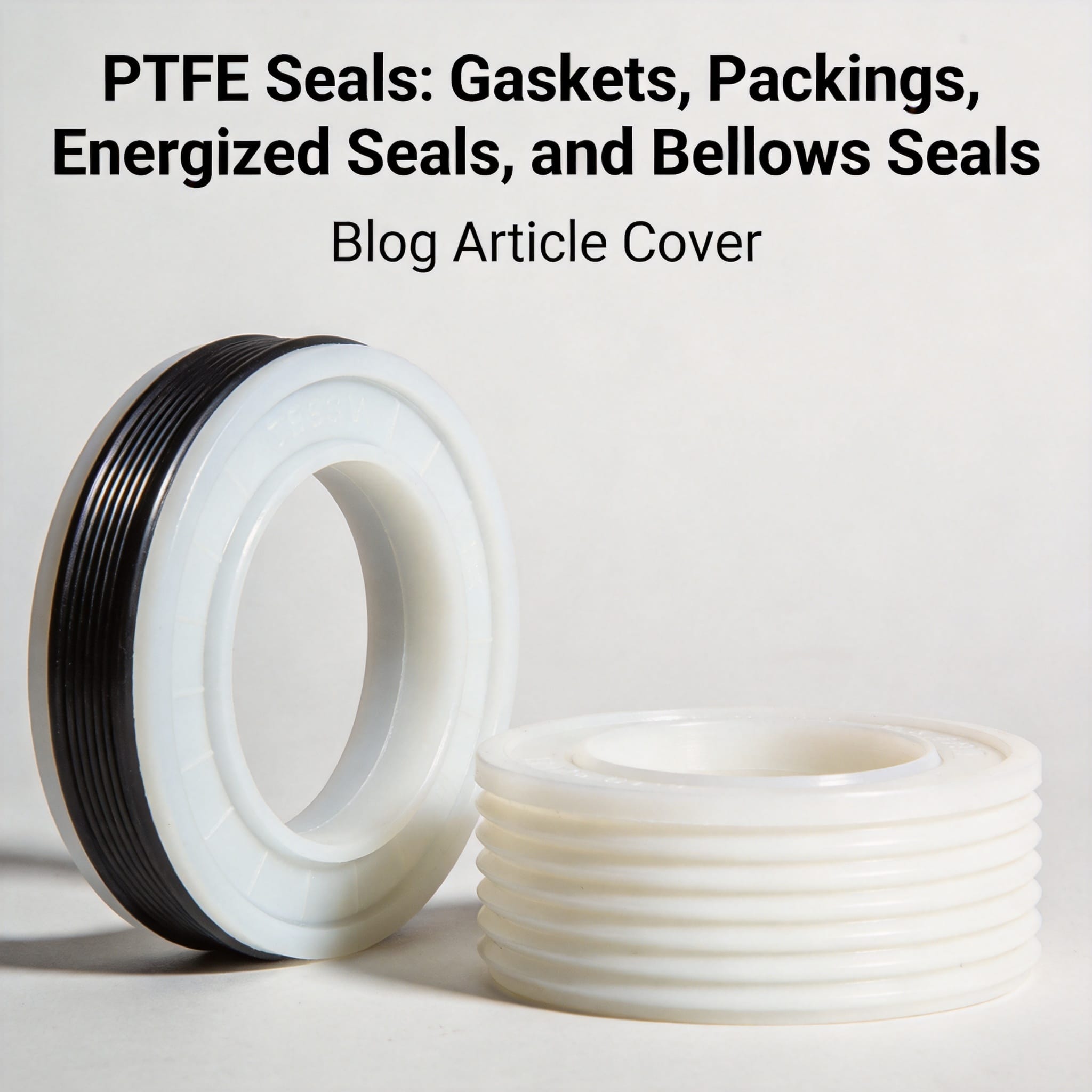
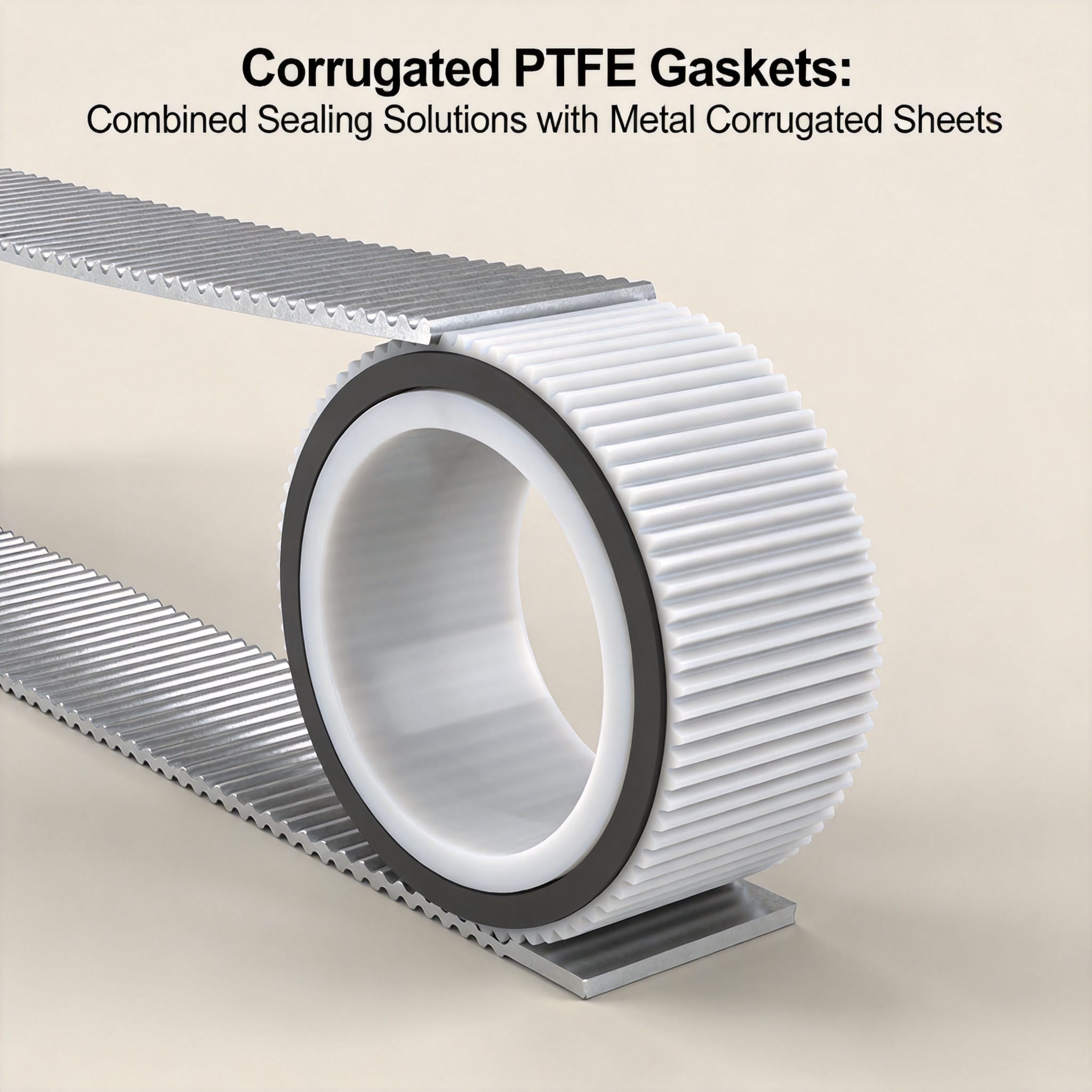
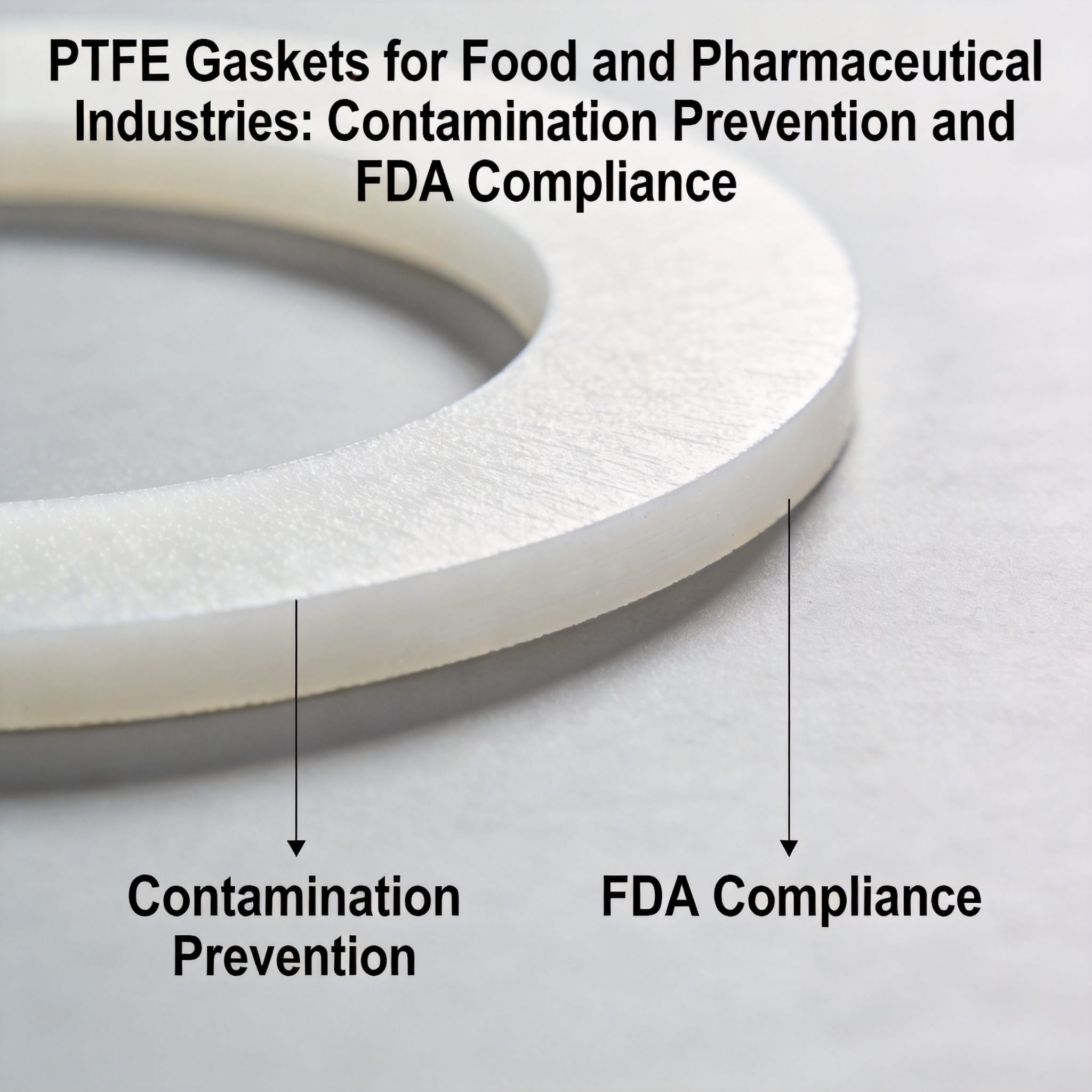
- PTFE Gaskets: These flat seals are typically used to prevent leakage between two surfaces. PTFE gaskets offer excellent chemical resistance and are used in environments where other materials might fail.
- PTFE Lip Seals: These are dynamic seals used to prevent fluid leakage in rotary applications. PTFE lip seals are known for their ability to handle high speeds and temperatures.
Key Considerations in PTFE Seal Design
Designing with PTFE requires careful consideration of various factors to ensure optimal performance and longevity.
Material Selection
Selecting the right PTFE compound is crucial. PTFE can be combined with fillers like glass, carbon, or bronze to enhance its properties. The choice of filler depends on the specific application requirements, such as wear resistance, chemical compatibility, and temperature range.
Size and Shape
The size and shape of the seal play a pivotal role in its functionality. Accurate measurements are essential to prevent leakage and ensure a snug fit. Consider the dimensions of the seal groove and the amount of compression required for the application.

Temperature and Pressure
PTFE seals must be designed to withstand the specific temperature and pressure conditions of the application. PTFE’s resistance to high temperatures is one of its standout features, but it’s essential to account for thermal expansion and contraction in the design process.
Surface Finish
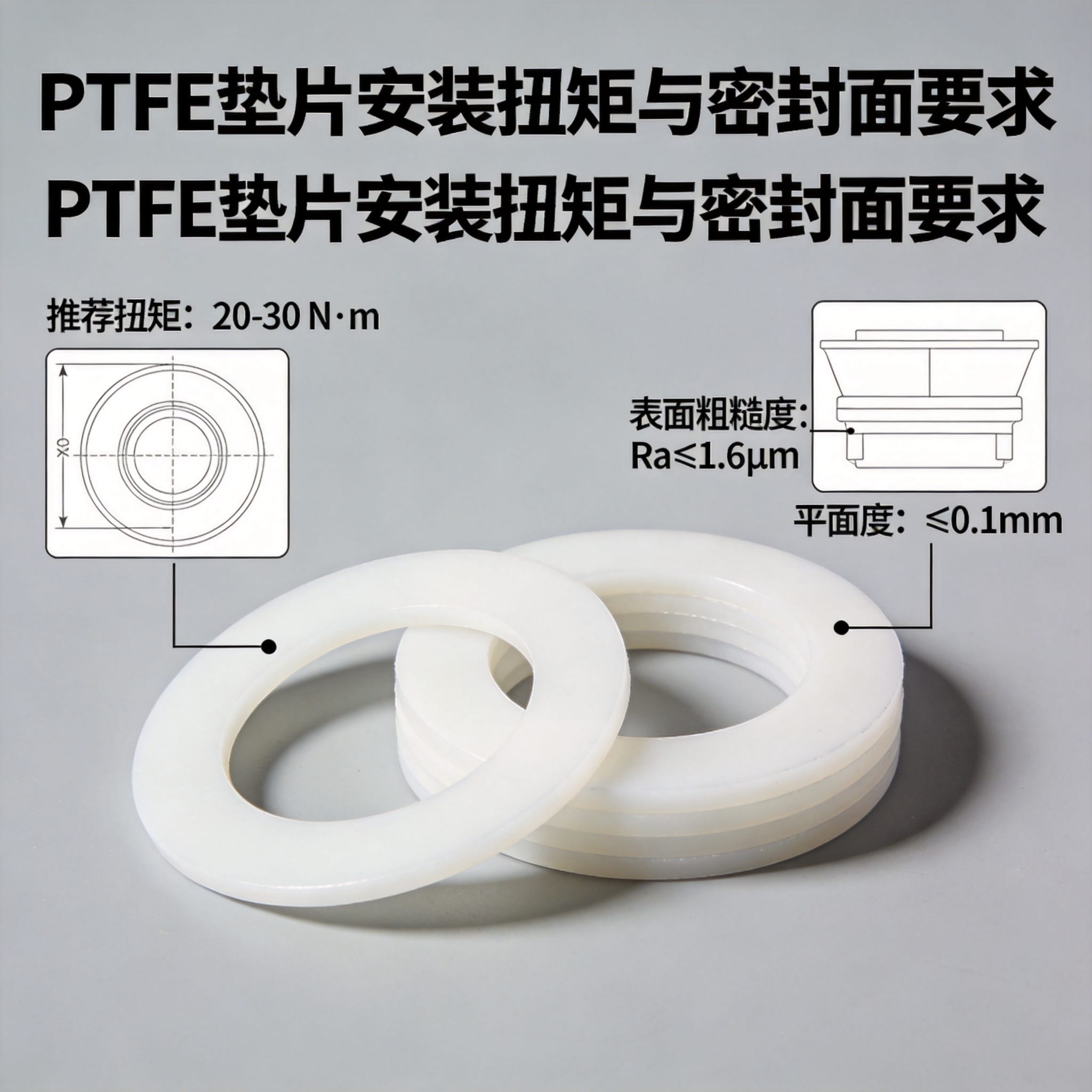
The surface finish of both the seal and the mating surfaces can impact seal performance. A smoother finish can reduce friction and wear, enhancing the seal’s longevity. Ensure that the mating surfaces are free from imperfections that could compromise the seal’s integrity.
Best Practices in PTFE Seal Design
Implementing best practices can enhance the performance and reliability of PTFE seals in various applications.
Use of Simulation Tools
Simulation tools can predict how a PTFE seal will perform under different conditions. These tools help in understanding the stress distribution, deformation, and potential failure points, allowing for design optimization before manufacturing.
Prototyping and Testing
Prototyping is an essential step in the design process. Creating a prototype allows for real-world testing, helping identify any issues that might not be apparent in the design phase. Testing under actual operating conditions is crucial to validate the seal’s performance.
Collaboration with Experts
Working with experienced engineers and material scientists can provide valuable insights into the design process. Their expertise can guide material selection, design adjustments, and troubleshooting potential issues.
PTFE Seal Design Guidelines
When designing with PTFE, adhering to established guidelines can streamline the process and improve outcomes.
PTFE O-Ring and Gasket Design
- Compression: Ensure that the seal is adequately compressed to prevent leakage without causing excessive deformation.
- Groove Design: The groove should accommodate the seal while allowing for thermal expansion. A well-designed groove is critical for seal longevity.
PTFE Lip Seal Design
- Lip Geometry: The lip’s design should minimize friction while ensuring a tight seal. Consider the shaft’s surface finish and hardness for optimal performance.
- Spring Energizers: In dynamic applications, consider using spring-energized seals for consistent sealing force and improved reliability.
Environmental Considerations
- Chemical Compatibility: Ensure that the PTFE material is compatible with the chemicals it will encounter. PTFE’s chemical resistance is excellent, but it’s essential to verify compatibility with specific substances.
- Temperature Fluctuations: Design seals to accommodate potential temperature changes, which can affect material properties and dimensions.
Designing with PTFE for Sealing Applications
PTFE is a powerful material for sealing applications, but designing effective seals requires attention to detail and a solid understanding of the operating environment. By considering factors such as material selection, size, temperature, and surface finish, you can create seals that perform reliably under challenging conditions.
In summary, successful PTFE seal design hinges on a thorough understanding of the material properties and application requirements. By following the best practices and guidelines outlined in this article, you can ensure that your PTFE seals deliver exceptional performance and longevity.
Remember, the key to effective seal design is not just in the material, but in the meticulous attention to every detail of the design process. Whether you are working on PTFE o-rings, gaskets, or lip seals, these principles can help guide you to a successful sealing solution.



 English
 Russian
 French
 Spanish