
Imagine a world where leaks and spills are relics of the past, where industrial efficiency isn’t compromised by the constant challenge of sealing gaps. This utopia is becoming a reality, thanks to the groundbreaking advances in PTFE sealing. Polytetrafluoroethylene, commonly known as PTFE, is not just a material; it’s a game-changer in industries ranging from aerospace to pharmaceuticals. With its remarkable properties, PTFE sealing is revolutionizing leak prevention, offering unparalleled reliability and durability.
The science behind PTFE sealing is nothing short of fascinating. Its unique chemical structure provides exceptional resistance to high temperatures and corrosive substances, making it an invaluable asset in environments that demand perfection. As industries worldwide strive for more sustainable and efficient operations, understanding the mechanics and benefits of PTFE sealing could lead to innovations that help save resources and reduce environmental impact. Ready to explore how PTFE can transform the way we think about sealing technology? Dive into this exploration of the science that could very well shape the future of industrial processes.

The Origins of PTFE: A Brief History
The story of PTFE begins in 1938, when Dr. Roy J. Plunkett at DuPont’s Jackson Laboratory accidentally discovered polytetrafluoroethylene while researching refrigerants. What started as a routine experiment yielded a white, waxy solid that exhibited extraordinary non-stick properties. DuPont recognized the potential immediately and began trademarking and branding it as “Teflon.” Early applications were modest—cookware coatings and simple laboratory apparatus—but the remarkable chemical inertness and thermal stability of this new polymer hinted at far broader industrial uses, particularly in sealing and gasketing technologies.
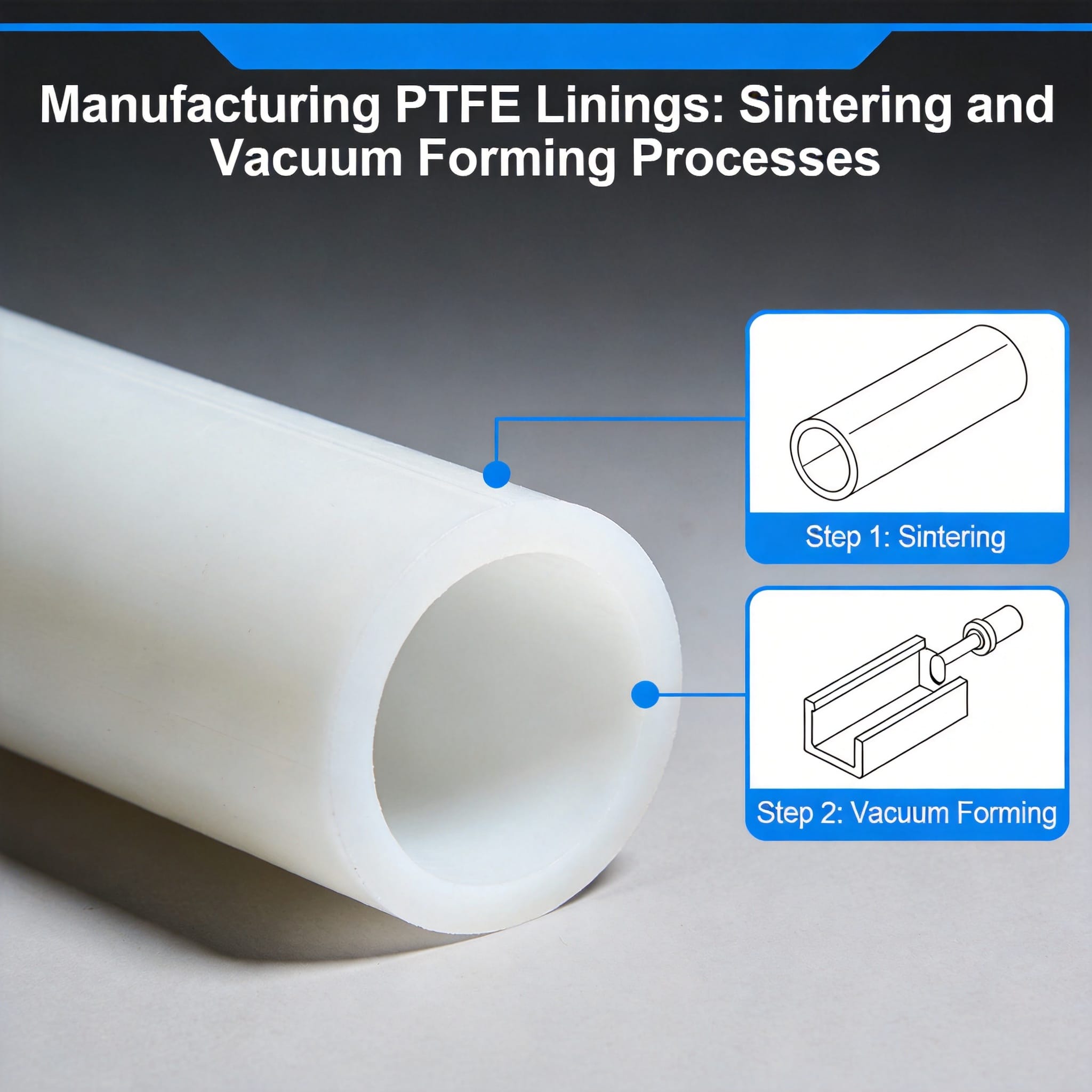
Throughout the mid-20th century, engineers and material scientists refined processing techniques for PTFE, including paste extrusion and ram extrusion. These methods allowed the production of rods, tubes, sheets, and films, paving the way for gaskets, O-rings, and custom seals. By the 1950s and 1960s, PTFE sealing solutions began to replace traditional materials such as rubber and metal in industries demanding higher performance under extreme conditions. The evolution of PTFE-based seals continued through the decades, eventually leading to modern formulations with enhanced mechanical strength, reduced cold flow, and improved moldability, making PTFE sealing a cornerstone of leak prevention technology today.
The Exceptional Heat Resistance of PTFE
One of the most celebrated characteristics of PTFE is its extraordinary thermal stability. With a melting point around 327 °C (620 °F) and continuous service temperatures ranging from –200 °C to +260 °C (–328 °F to +500 °F), PTFE outperforms most polymers in extreme environments. This broad operating window makes PTFE sealing ideal for applications where conventional elastomers would degrade or fail under prolonged heat exposure. Industrial furnaces, high-temperature reactors, and steam systems all benefit from PTFE seals that maintain integrity without embrittlement or deformation.
Moreover, the unique molecular structure of PTFE—composed of carbon-fluorine bonds, one of the strongest in organic chemistry—confers resistance to thermal oxidation and prevents unwanted chemical reactions at elevated temperatures. Unlike many materials that become brittle or chemically reactive when heated, PTFE remains inert and dimensionally stable, ensuring a long service life. This resistance dramatically reduces maintenance cycles and downtime costs, making PTFE sealing an economically attractive solution for industries that demand both performance and reliability under thermal stress.
Applications of PTFE Sealing in the Aerospace Industry
The aerospace sector presents some of the most demanding environmental conditions for seal materials: drastic temperature swings, exposure to fuels and oxidizers, high pressures, and the need for flawless performance at altitude. PTFE sealing has emerged as a preferred choice for critical components such as hydraulic systems, fuel lines, and pneumatic controls. Its resistance to jet fuels, hydraulic fluids, and extreme temperatures ensures leak-free operation of aircraft systems from ground level to the stratosphere.
In satellite and space exploration programs, PTFE seals play a vital role in cryogenic propellant tanks and vacuum chambers, where temperatures can plunge well below –150 °C (–238 °F). Traditional elastomers would crack or shrink in such conditions, but PTFE’s flexibility and low-temperature resilience prevent gas leaks and maintain structural integrity. Leading aerospace companies, including NASA contractors and private spaceflight startups, rely on custom-engineered PTFE gaskets and O-rings to safeguard mission-critical hardware. The low friction coefficient of PTFE also reduces wear in moving parts like actuators and bearings, further enhancing system longevity and performance in the harshest environments known to humankind.
PTFE Sealing in Pharmaceutical Manufacturing
In pharmaceutical processes, purity and chemical compatibility are paramount. Contamination from seal degradation or leaching is unacceptable when producing drugs, vaccines, or sterile solutions. PTFE sealing addresses these concerns with its outstanding chemical inertness: it resists acids, bases, solvents, and solvents, ensuring that active pharmaceutical ingredients remain uncontaminated throughout mixing, filtration, and transfer operations. Additionally, PTFE’s non-stick nature prevents the buildup of residues, facilitating easy cleaning and sterilization.
PTFE seals are used in diaphragm pumps, valves, mixers, and piping systems within cleanrooms and isolators. They withstand repeated steam-in-place (SIP) and clean-in-place (CIP) cycles without cracking or warping, thereby minimizing downtime and maintenance costs. Regulatory agencies like the FDA and EMA recognize PTFE as safe for direct contact with pharmaceutical products, further solidifying its role in modern drug manufacturing. By incorporating advanced PTFE sealing solutions, pharmaceutical companies achieve both high throughput and uncompromising quality control in their processes.
Conclusion: PTFE Sealing – A Paradigm Shift in Leak Prevention
PTFE sealing has transformed leak prevention across industries by offering durability, chemical inertness, and thermal resilience unmatched by traditional materials. Its adoption in aerospace, pharmaceutical, and countless other sectors underscores its versatility and reliability under extreme conditions.
As research continues to refine PTFE composites and processing techniques, we can expect even more efficient, sustainable, and cost-effective sealing solutions. Embracing the science of PTFE sealing is not just an incremental improvement—it represents a fundamental shift in how we protect systems from leaks, optimize performance, and safeguard the environment.

 English
 Russian
 French
 Spanish