
PTFE gaskets (Polytetrafluoroethylene gaskets) are widely recognized as a high-performance sealing material used across multiple industries. Known for its chemical resistance, high temperature stability, and non-reactive nature, this type of sealing gasket plays a critical role in maintaining system safety and efficiency.
As industries increasingly demand reliable sealing solutions for harsh environments, PTFE gasket products have become a preferred choice for applications involving corrosive media, extreme temperatures, and strict hygiene requirements.

Key Properties of PTFE Gaskets
PTFE is a synthetic fluoropolymer with exceptional physical and chemical characteristics. These properties make PTFE gaskets highly effective in demanding sealing environments.
Chemical Resistance
PTFE gasket solutions offer outstanding resistance to acids, alkalis, and corrosive fluids, making them ideal for chemical processing and industrial pipelines.
High Temperature Resistance
These sealing PTFE gaskets can withstand temperatures up to 260°C (500°F), ensuring stable performance in high-heat conditions such as automotive and aerospace systems.
Non-Reactive and Safe
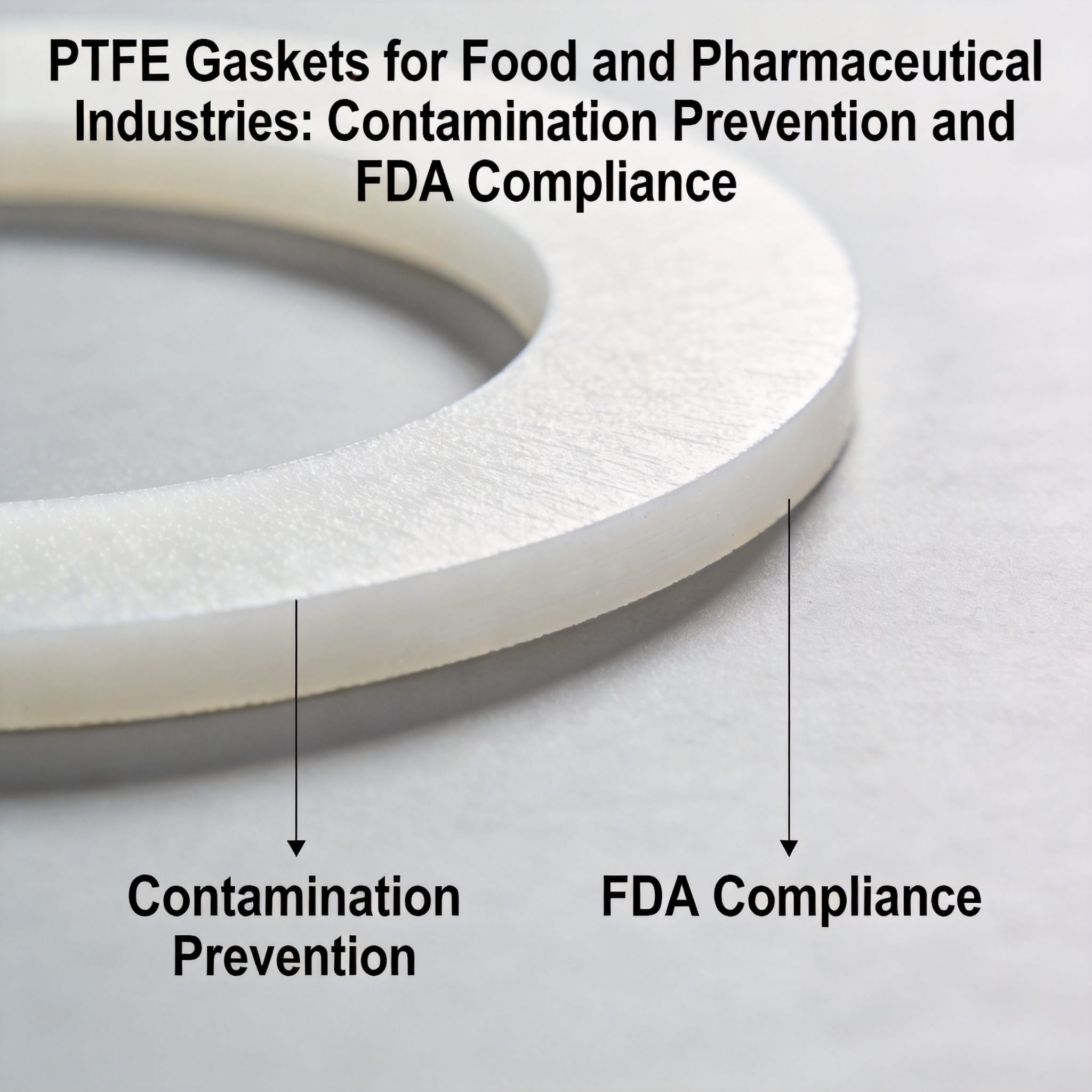
PTFE is chemically inert, meaning it does not react with most substances. This makes PTFE gasket materials suitable for pharmaceutical and food-grade applications.
Low Friction Performance
With a low coefficient of friction, PTFE sealing gaskets allow smooth operation and reduce wear in dynamic systems.
PTFE Gasket Applications in Different Industries
Chemical Industry
In the chemical industry, PTFE gasket products are essential for handling aggressive substances. Their chemical resistance ensures long-lasting seals in pipelines, reactors, and storage tanks, preventing leakage and maintaining process safety.
Pharmaceutical Equipment

The pharmaceutical industry requires materials that maintain purity and prevent contamination. PTFE gasket materials are widely used in pharmaceutical equipment due to their non-reactive nature and ability to withstand sterilization processes such as autoclaving.
Food Processing Industry
Food-grade PTFE gasket solutions comply with strict hygiene standards and are safe for direct contact with food. They are commonly used in food processing machinery, ensuring clean, leak-free operations without affecting product quality.
Petrochemical and Oil Industry
In environments dealing with corrosive fluids and high-pressure systems, PTFE gasket products provide reliable sealing. Their resistance to chemical degradation makes them ideal for refineries, pipelines, and offshore platforms.
High Temperature Applications
PTFE gasket materials are widely used in industries exposed to extreme heat, such as automotive, aerospace, and power generation. They maintain sealing integrity even under continuous high-temperature conditions.
General Sealing Applications
From PTFE flange gasket installations to custom sealing components, these gaskets are used in:
- Pipe connections and valves
- Pumps and compressors
- Gas and fluid containment systems
Their ability to provide tight, durable seals makes them a core component in industrial systems.
Customization and Versatility
One of the major advantages of PTFE gasket products is their flexibility in design. They can be customized in terms of:
- Size and thickness
- Shape and dimensions
- Density and performance grade
This allows manufacturers and engineers to select the most suitable industrial sealing gasket solution for specific applications.
Benefits of Using PTFE Gasket
Long Service Life
PTFE gasket materials are highly durable and resistant to wear, ensuring extended service life even in harsh environments.
Enhanced Safety
Their non-reactive and stable nature reduces the risk of chemical reactions, leaks, and contamination.
Improved Efficiency
Reliable sealing improves equipment performance, reduces downtime, and enhances operational efficiency.
Cost-Effective Solution
Although the initial cost may be higher, the durability and low maintenance requirements make PTFE gasket products a cost-effective choice in the long run.
FAQ: Common Questions About PTFE Gaskets
1. What are PTFE gaskets used for?
A PTFE gasket is used for sealing applications in pipelines, valves, and equipment, especially in environments involving chemicals, heat, or pressure.
2. Is the PTFE gasket suitable for food applications?
Yes, food-grade PTFE gasket materials are safe for food contact and comply with industry regulations.
3. Can PTFE gaskets handle high temperatures?
Yes, PTFE gasket products can withstand temperatures up to approximately 260°C, making them suitable for high-temperature environments.
4. Why choose a PTFE gasket over a rubber gasket?
PTFE gasket offers better chemical resistance, higher temperature tolerance, and longer lifespan compared to rubber gaskets.
5. Are PTFE gaskets customizable?
Yes, they can be customized in size, thickness, and shape to meet specific industrial requirements.
Conclusion
PTFE gasket solutions are essential in modern industries due to their exceptional sealing performance and resistance to extreme conditions. From chemical processing and pharmaceuticals to food production and high-temperature systems, they provide reliable, safe, and efficient sealing.
As the demand for advanced materials continues to grow, PTFE gasket products remain a key component in ensuring operational safety, durability, and long-term performance across various applications.

 English
 Russian
 French
 Spanish