
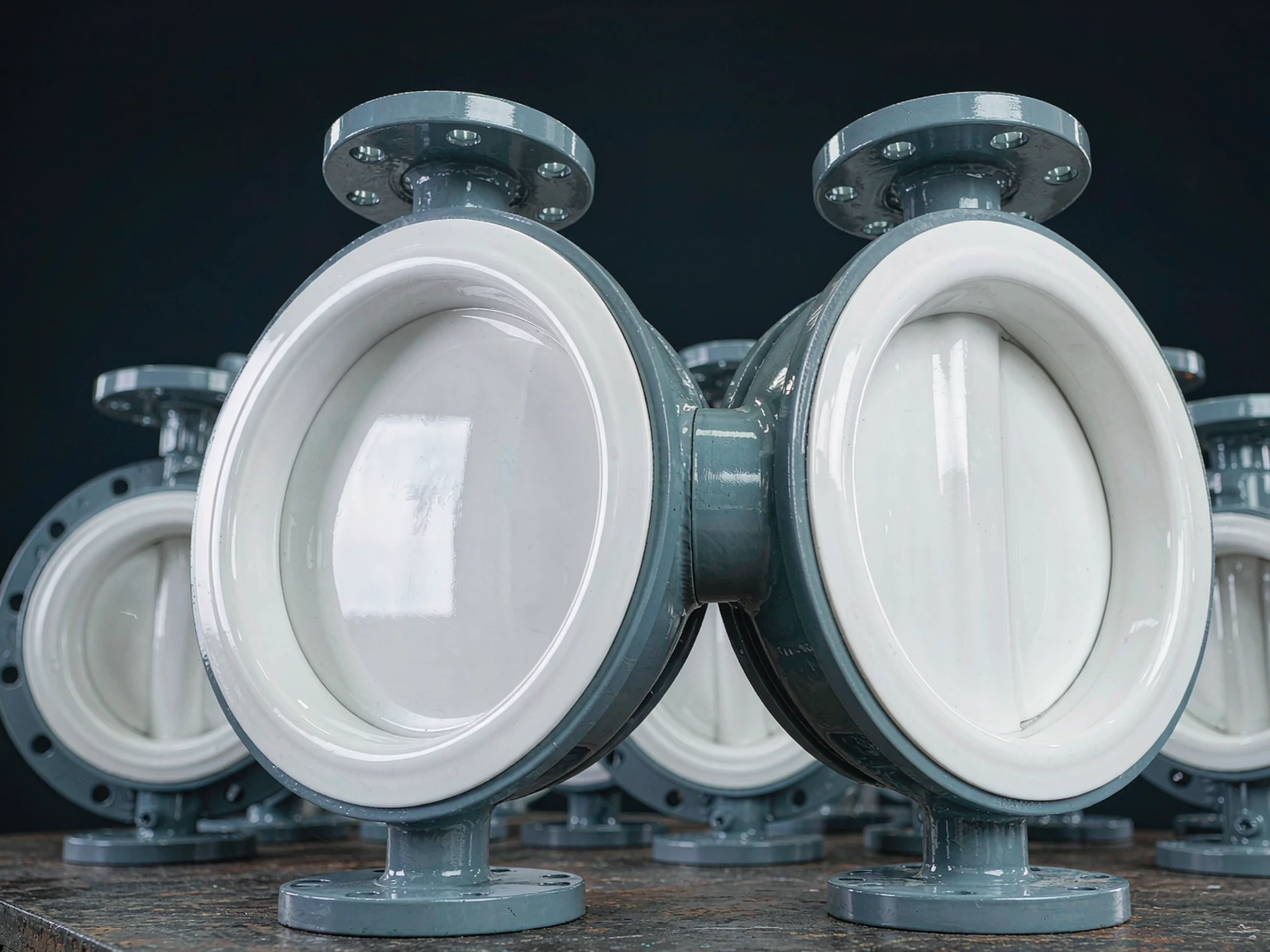
Short answer: to specify a PTFE lined valve correctly you need seven pieces of information: valve type and size, body material and standard, liner material with temperature/pressure class, media including slurry or solids content, actuation interface, vacuum or cycling conditions, and the inspection evidence required per valve. The liner chemistry is never the hard part — the interfaces and cycling are.
Valves concentrate every lined-equipment failure mechanism into a small package: sealing faces, cycling, stems and seats that move under load. A specification that stops at “PTFE lined butterfly valve, DN80” leaves the decisions that determine service life to whoever remembers them last. Here is the information set, and why each item is on it.
The specification set
- Type and size: butterfly, ball, diaphragm or plug — each lines differently, and seat behavior under cycling differs more.
- Body and standard: ductile iron, WCB, CF8M; ASME/DIN/JIS flange drillings to match the piping.
- Liner and class: PTFE or PFA, thickness, pressure/temperature class at your worst case — not the class-table ambient value.
- Media detail: clean acid versus slurry changes seat design; trace components change permeation expectations.
- Actuation: ISO pad, torque values at margin conditions, and whether cycling frequency is dozens or thousands per day — cycling, not chemistry, wears lined seats.
- Special conditions: vacuum (seat suction and liner collapse risk), steam-out, thermal shock.
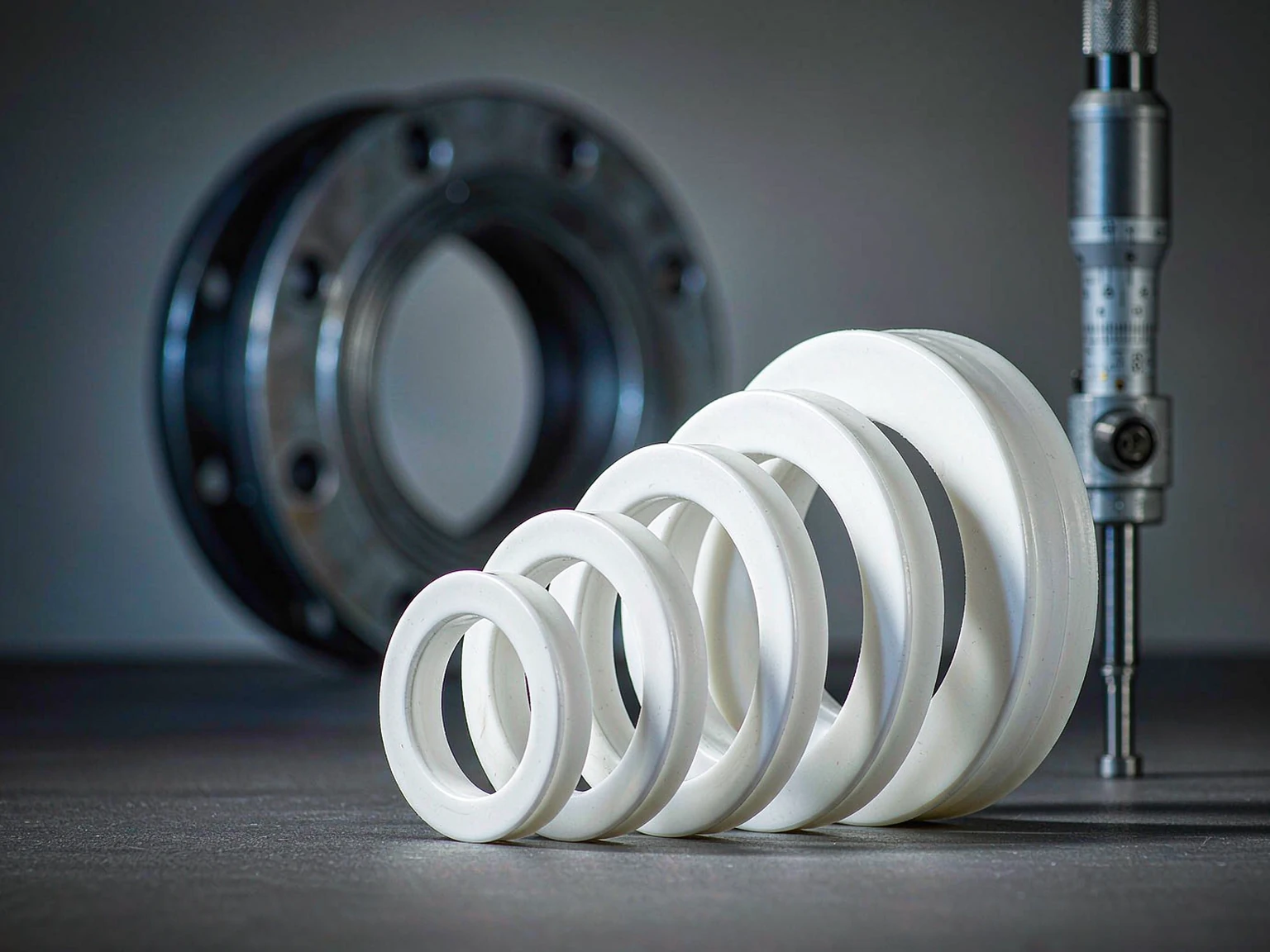
- Evidence: spark test per liner, dimensional check of flange faces, hydro record, material certificates.
Common specification mistakes
- Quoting pressure class from ambient tables for a 180°C line — liner rating falls with temperature.
- Omitting vacuum, then discovering liner buckling on first shutdown.
- Buying valves from a different vendor than the pipe spools — flange-face geometry mismatches surface at assembly.
- No cycling count given, so the seat design is a guess.
Chunhuan has lined valves since 1985 — PTFE/PFA lined valve program — with spark-test and dimensional records per unit and in-house liner molding. Send the seven items; a correct quote names the liner class at your temperature and states the test evidence up front.
Frequently Asked Questions
What temperature can PTFE lined valves handle?
Typically up to ~200-230°C depending on media and pressure, but the valve’s rated class falls with temperature — confirm the rating at your worst case, not the ambient table value.
Why do lined valve seats fail?
Usually cycling wear or debris/slurry abrasion, not chemical attack. Specify cycling frequency and solids content so the seat design matches the duty.
Can lined valves be used under vacuum?
Only if specified and rated — liners can suck inward or collapse, especially hot. Venting or reinforcement must be part of the design.
Should valves and pipe spools come from one supplier?
Strongly recommended: flange-face geometry and lining thickness at interfaces are where assembly-day mismatches appear.

 English
 Russian
 French
 Spanish
