
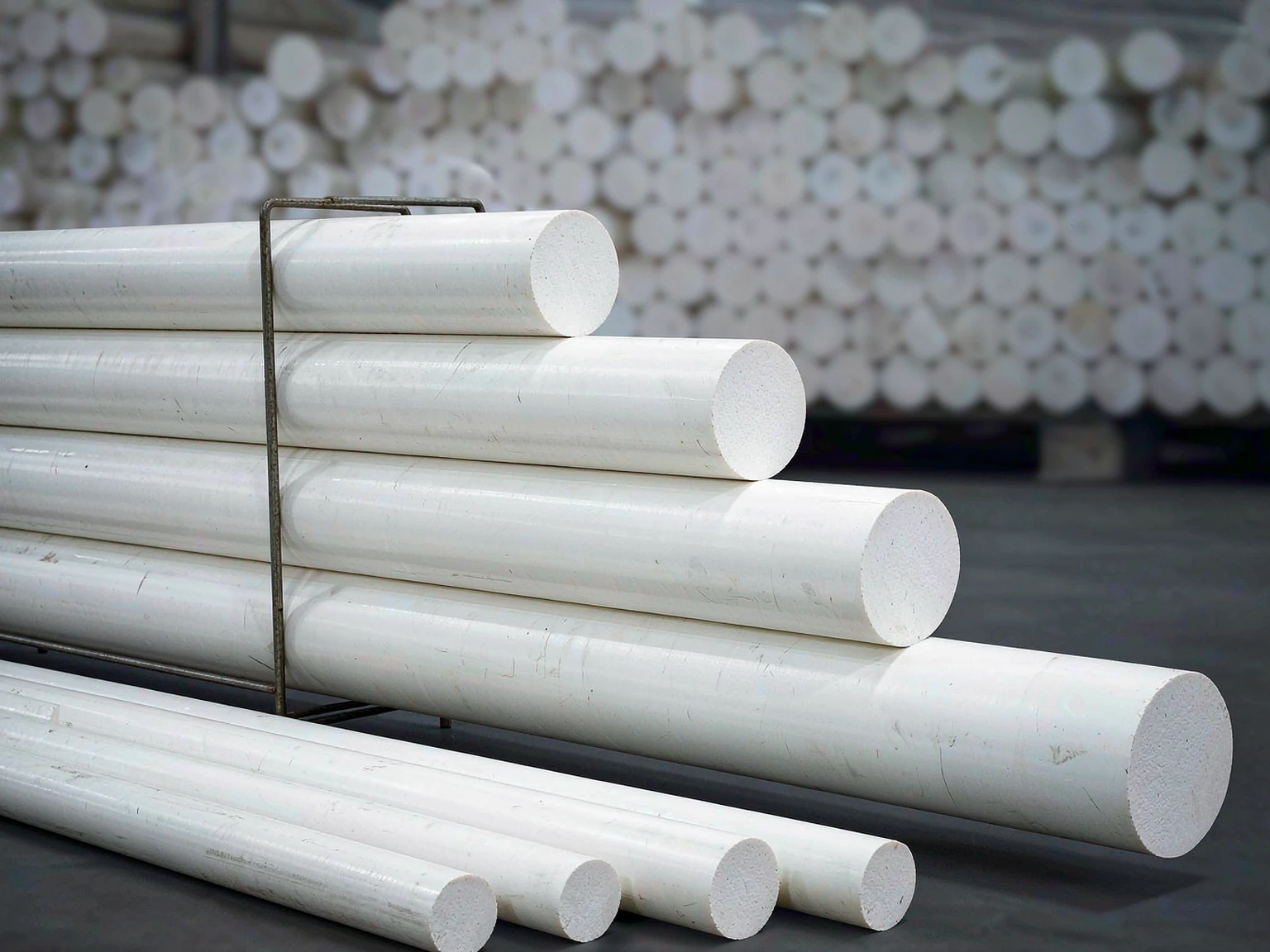
Short answer: specify PTFE rod by diameter with tolerance (±0.05–0.2 mm depending on diameter), length (standard 1000–2000 mm or cut), resin grade (virgin or filler with percentage), and production route (paste vs ram extrusion — which changes diameter limits and property orientation). State what the rod will become: the downstream part decides how tight the spec needs to be.
PTFE rod looks like the simplest product in the catalogue and hides the most process-dependent quality: ram-extruded and paste-extruded rods of the same diameter are not interchangeable feedstock for machining, and a rod certificate without route and lot data says little. Here is the specification logic.
Diameter and the process ceiling
- Paste extrusion: small diameters, best surface finish and uniformity — the choice for machining stock on precision parts.
- Ram extrusion: small to very large diameters (200+ mm), slightly higher porosity risk — demand density values (2.10–2.30 g/cm³) on large rods.
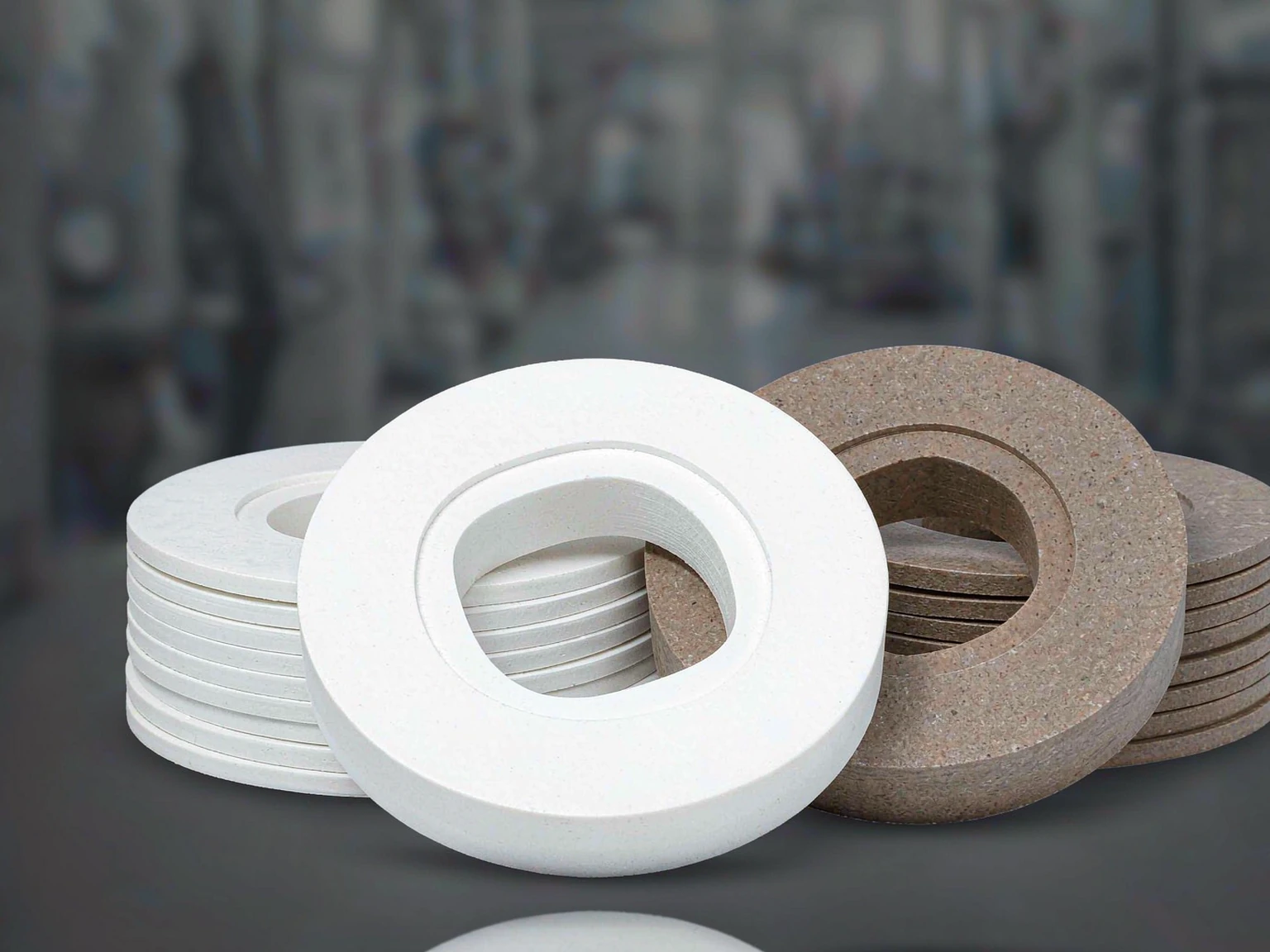
- Molded billets (as rod stock): for large cross-sections; orientation differs from extruded rod, which matters for rings machined from it.
The four specification fields
- Diameter and tolerance: ±0.05–0.1 mm on small diameters is routine; large diameters carry percentage tolerances. State the tolerance your machining plan actually consumes.
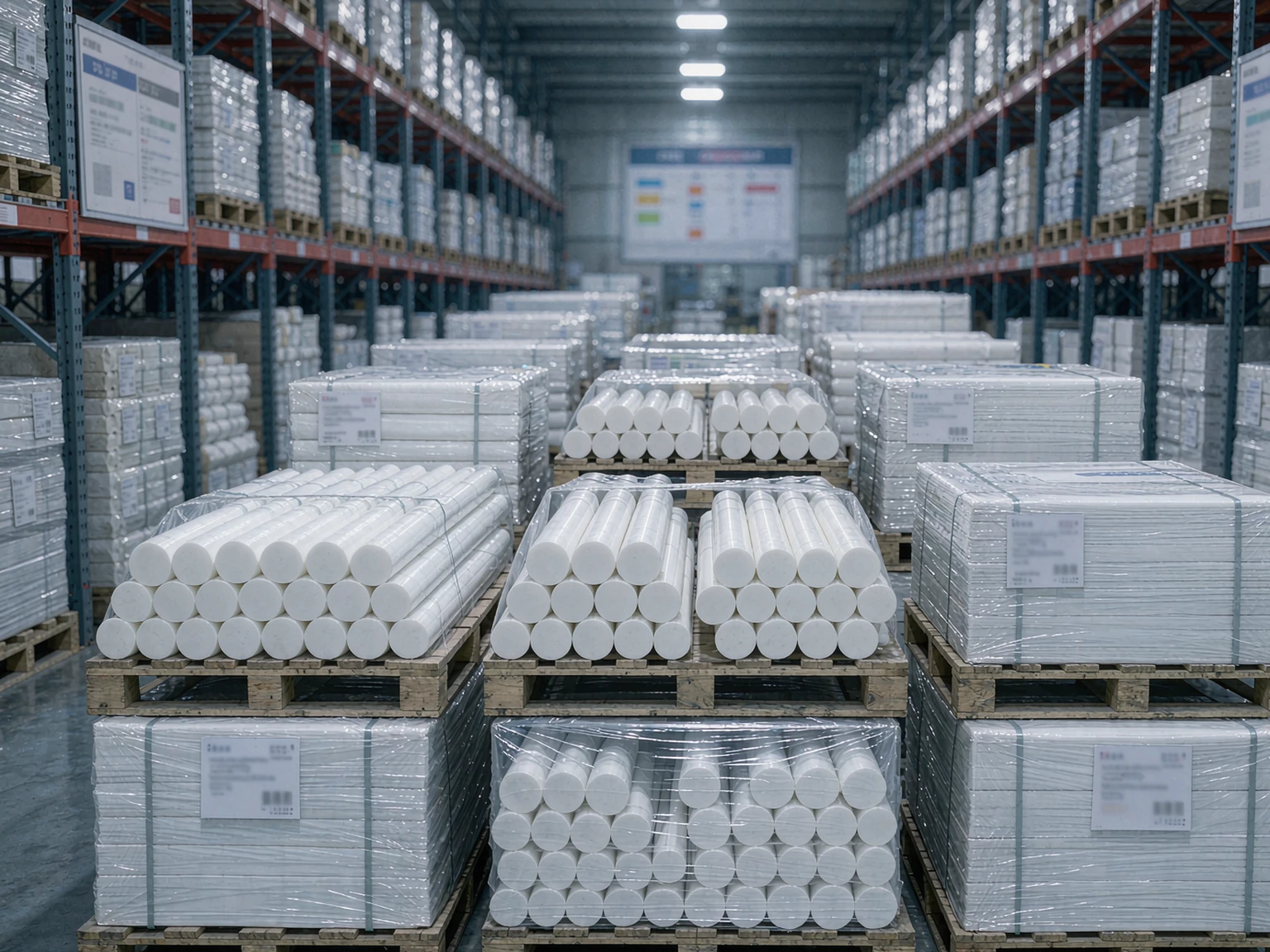
- Length: standard bars vs cut-to-length; cutting charges are trivial, straightness is not — thin long rods bow, and machining a bowed rod costs setup time.
- https://ptfesuppliers.com/product-category/rade: virgin, or filler name and percentage. “Filled rod” is not a specification.
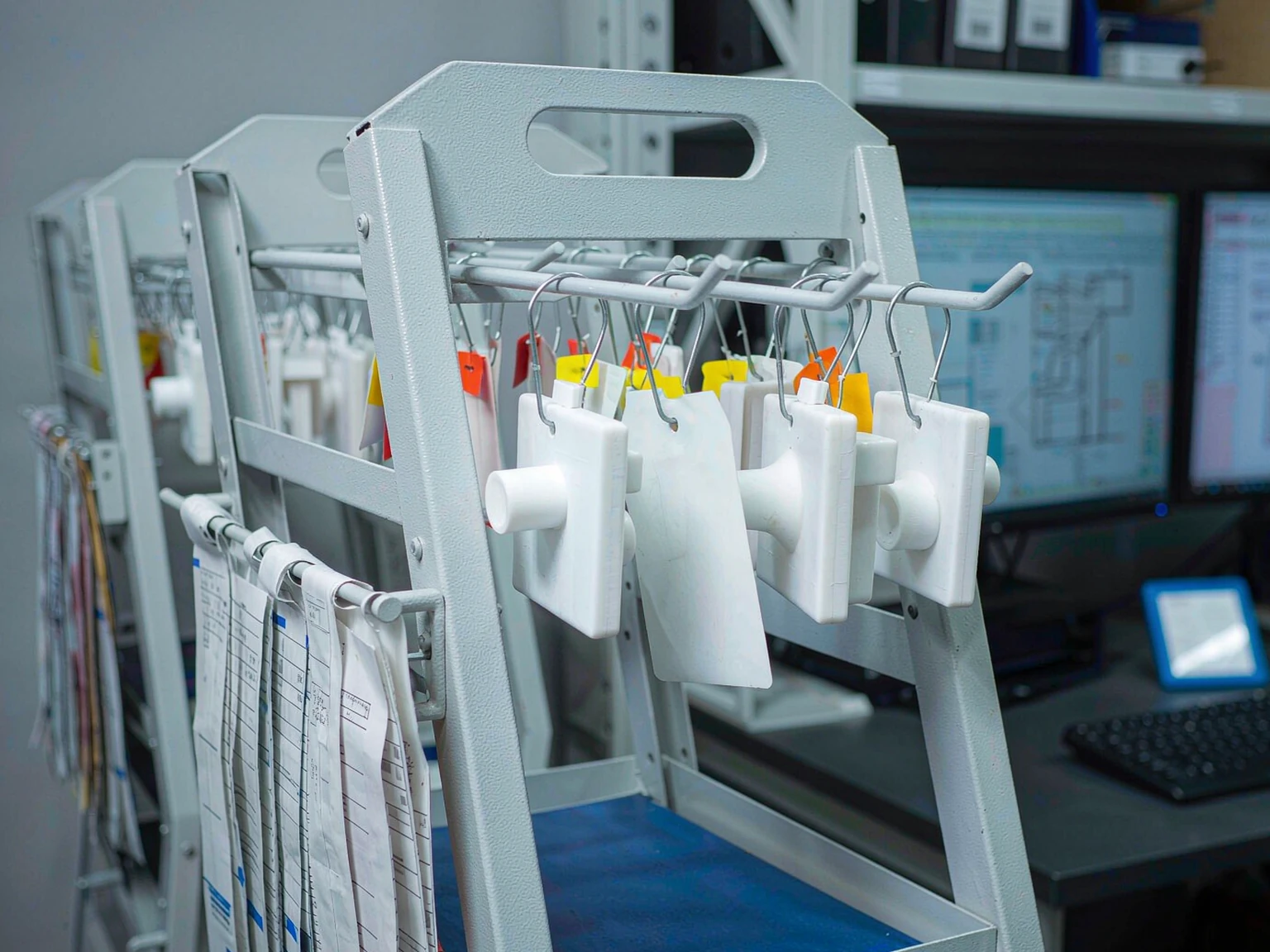
- Evidence: density, tensile on finished rod, lot traceability, and route disclosure (paste/ram/molded).
Buying rod as machining stock
If the rod feeds CNC work, add: property orientation acceptable for the part (rings from extruded rod carry directionality), minimum-density requirement, and diameter oversize for chucking. Chunhuan extrudes and molds its own PTFE rod in virgin and filled grades since 1985 — ~50 t/month — with route and lot data on every certificate. Tell us what the rod becomes; the spec tightens itself around that answer.
Frequently Asked Questions
What PTFE rod diameters are available?
From ~1.5 mm to over 200 mm. Paste extrusion covers small diameters with the best finish; ram extrusion and molding cover large sections.
Does the extrusion route matter for PTFE rod?
Yes — it changes porosity, surface finish and property orientation. For precision machining stock, state the downstream part and require route disclosure.
What tolerance does PTFE rod hold?
About ±0.05-0.1 mm on small diameters, percentage tolerances on large. Specify the tolerance your machining plan consumes, plus straightness for thin long bars.

 English
 Russian
 French
 Spanish
