
PTFE, or Polytetrafluoroethylene, is a synthetic fluoropolymer of tetrafluoroethylene that has numerous applications. Known for its nonstick properties, PTFE is the same material used in Teflon cookware. However, its uses extend far beyond the kitchen. PTFE tubing is a versatile material used across various industries due to its unique properties, including chemical resistance, heat resistance, and electrical insulation. Let’s dive into the world of PTFE tubing and explore its numerous applications.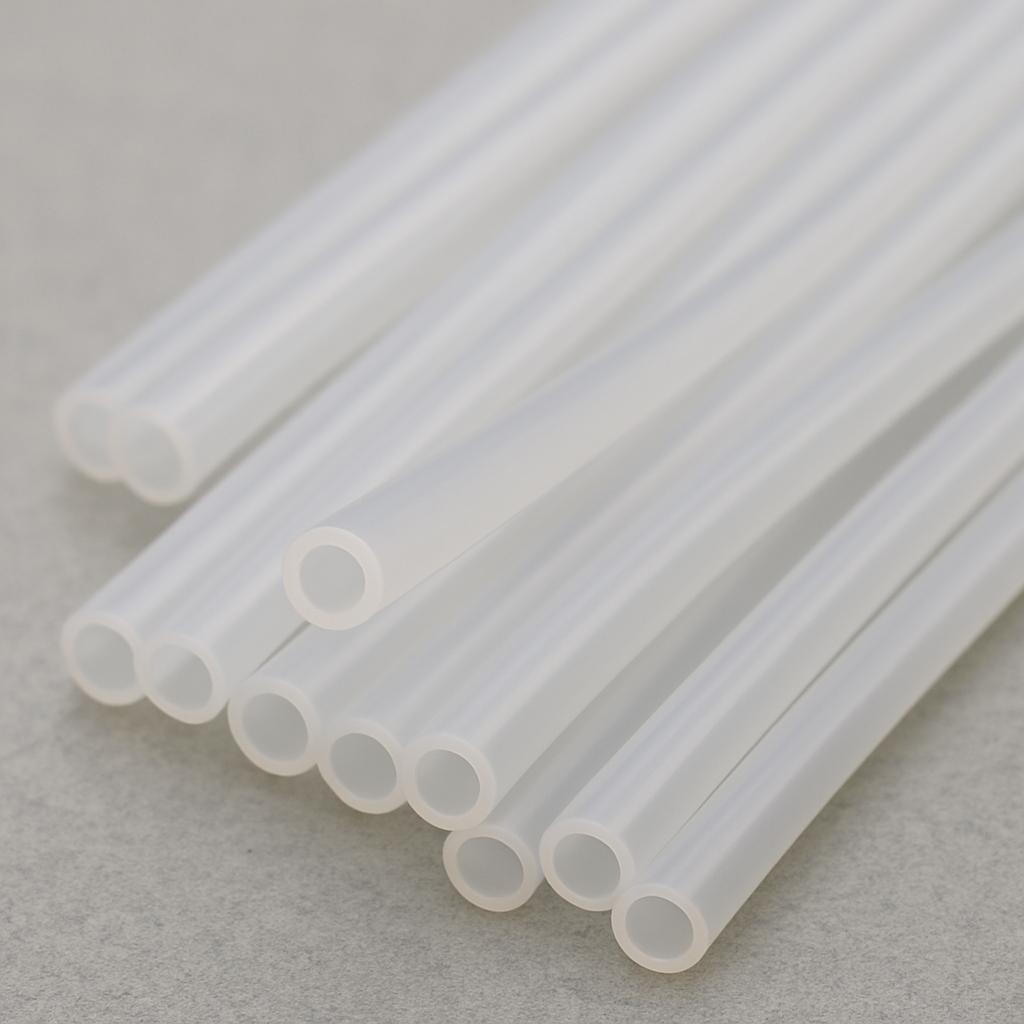
What is PTFE Tubing?
PTFE tubing is a type of flexible, durable piping made from PTFE material. Its exceptional characteristics make it suitable for a wide range of applications, from industrial uses to everyday consumer products.
PTFE Tube Properties
PTFE tubing is renowned for its impressive properties that include:
- Chemical Resistance: PTFE is virtually unaffected by most chemicals and solvents, making it an ideal choice for transporting aggressive substances.
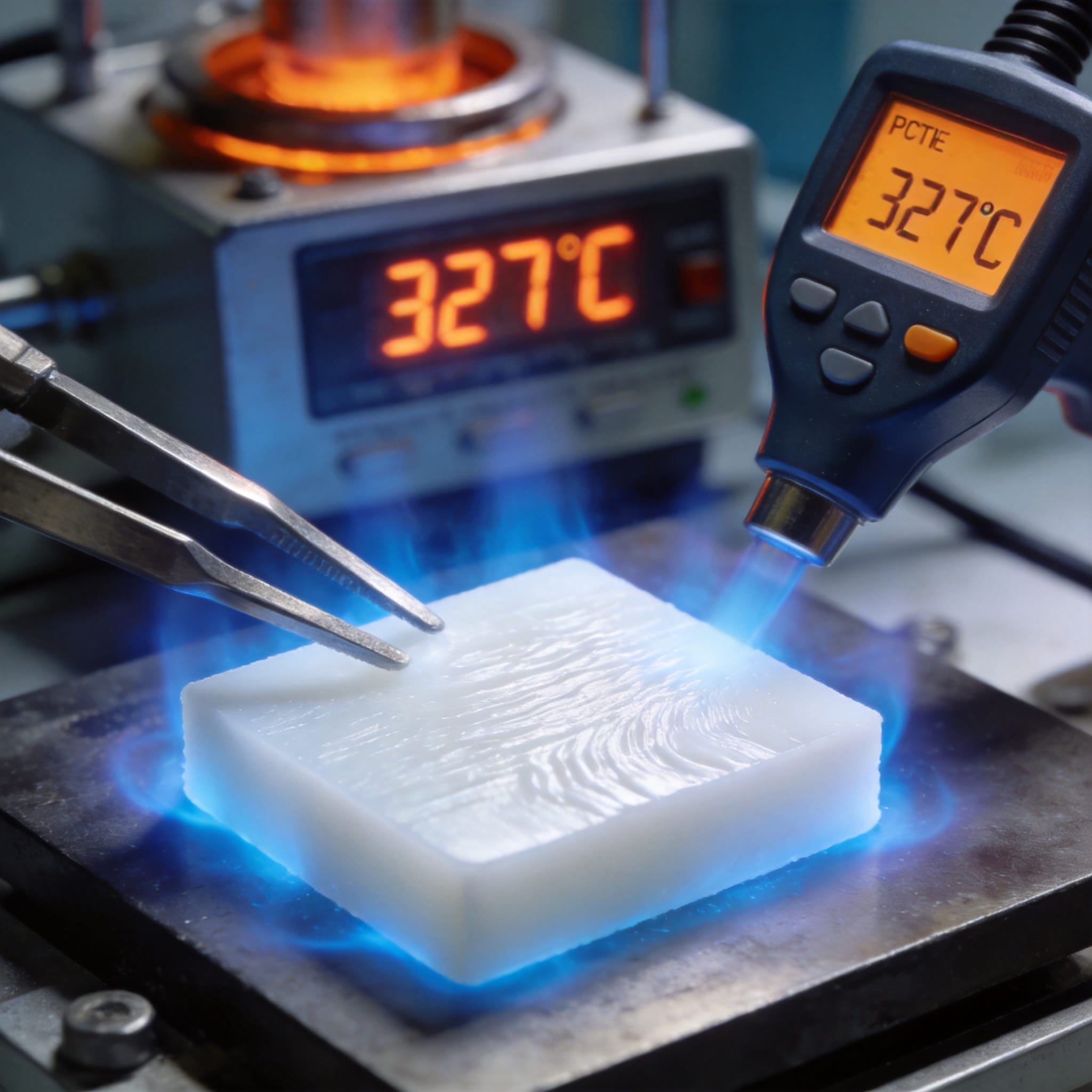
- Heat Resistance: It can withstand temperatures ranging from -328°F to 500°F (-200°C to 260°C), which is far superior to many other materials.
- Nonstick Surface: Its low-friction surface means substances don’t easily adhere to it, which is why it’s commonly used in nonstick cookware.
- Electrical Insulation: PTFE is an excellent insulator, making it suitable for electrical applications.
Industrial Uses of PTFE Tubing

PTFE tubing is highly valued in industrial settings due to its strength and versatility. Here are some common industrial uses:
Chemical and Pharmaceutical Industries
In these industries, PTFE tubing is often used to transport chemicals, drugs, and other substances that require a high degree of purity and resistance to contamination. Its chemical resistance makes it an ideal choice for these applications.
Automotive Industry
The automotive industry uses PTFE tubing for fuel lines, brake lines, and other components that require resistance to heat and chemicals. Its durability ensures that it can withstand the harsh conditions within a vehicle’s engine compartment.
Aerospace Industry
In the aerospace sector, PTFE tubing is used for fuel and hydraulic lines due to its lightweight nature and ability to withstand extreme temperatures and pressures.
PTFE Tubing in Consumer Products
While PTFE tubing is widely used in industrial applications, it also plays a significant role in consumer products.
Nonstick Cookware
As mentioned earlier, PTFE is the material behind nonstick cookware. Its nonstick properties make it perfect for cooking surfaces, ensuring that food doesn’t stick and cleaning is a breeze.
3D Printing
In the realm of 3D printing, PTFE tubing is used as a filament guide. Its smooth surface allows the filament to move through the printer without resistance, ensuring a smooth and consistent print.
Medical Devices
PTFE tubing is also used in various medical applications, such as catheters and feeding tubes, due to its biocompatibility and non-reactive nature.
Specialized Applications of PTFE Tubing

PTFE tubing’s unique properties make it suitable for specialized applications that require specific performance characteristics.
Laboratory Tubing
In laboratories, PTFE tubing is often employed to transfer highly corrosive chemicals safely. Its resistance to chemical reactions ensures that the substances remain pure and uncontaminated.
Electrical Insulation
PTFE tubing’s excellent insulating properties make it ideal for protecting wires and cables in electrical applications. It can prevent electrical shocks and ensure the safe transmission of electrical signals.
Heat-Resistant Applications
PTFE tubing’s ability to withstand extreme temperatures makes it suitable for use in heat exchangers and other high-temperature environments.
The Advantages of Using PTFE Tubing
PTFE tubing offers several advantages that make it a preferred choice in many applications:
- Durability: Its strong and resilient nature ensures a long lifespan, even under challenging conditions.
- Flexibility: PTFE tubing can be bent and shaped without losing its integrity, making it adaptable to various uses.
- Purity: Its non-reactive nature ensures that substances passing through it remain uncontaminated.
- Versatility: PTFE tubing’s unique properties make it suitable for a wide range of applications, from industrial to medical.
Conclusion
PTFE tubing is an incredibly versatile material with a broad array of applications across different industries. Its chemical resistance, heat resistance, and nonstick properties make it invaluable in both industrial and consumer products. Whether you’re working in a laboratory, the automotive industry, or simply cooking a meal at home, PTFE tubing has a role to play in ensuring efficiency and safety.
By understanding the uses and advantages of PTFE tubing, businesses and consumers alike can make informed decisions about incorporating this remarkable material into their applications. From its resilience in harsh environments to its non-reactive nature in medical settings, PTFE tubing continues to be a critical component in modern technology and daily life.


 English
 Russian
 French
 Spanish