
In the ever-evolving landscape of industrial and mechanical engineering, finding reliable sealing solutions has long been a significant challenge. From extreme temperatures to corrosive chemicals, traditional gaskets often fall short, leading to costly maintenance and system failures. Enter the PTFE rubber gasket—a revolutionary solution designed to withstand harsh conditions while providing unmatched durability. This innovative material not only promises enhanced performance but also redefines efficiency in various applications, potentially saving industries millions in operational costs.
But what makes the PTFE rubber gasket stand out in the crowded world of sealing technologies? For starters, it combines the best properties of PTFE and rubber, offering the chemical resistance of the former and the flexibility of the latter. This synergy allows it to maintain a tight seal even under the most demanding environmental pressures. With its ability to adapt to fluctuating temperatures and resist degradation over time, the PTFE rubber gasket is rapidly becoming a preferred choice for engineers seeking long-lasting and reliable sealing solutions. Dive into this blog post as we explore the transformative impact of PTFE rubber gaskets on modern industry standards.
The Evolution of Sealing Solutions in Industrial Engineering
From the earliest days of steam engines to today’s high-pressure hydraulics, sealing technology has always been a critical component in mechanical systems. Early solutions relied heavily on natural materials—leather, cork, and simple rubber sheets—to prevent leaks and maintain system integrity. While these materials offered a cost-effective fix at the time, they struggled under extreme temperatures, aggressive chemicals, and intense mechanical stress. As industries expanded into petrochemicals, aerospace, and power generation, the limitations of conventional sealing materials became glaringly apparent. Frequent shutdowns for maintenance and gasket replacements drove up operational costs and compromised safety standards.
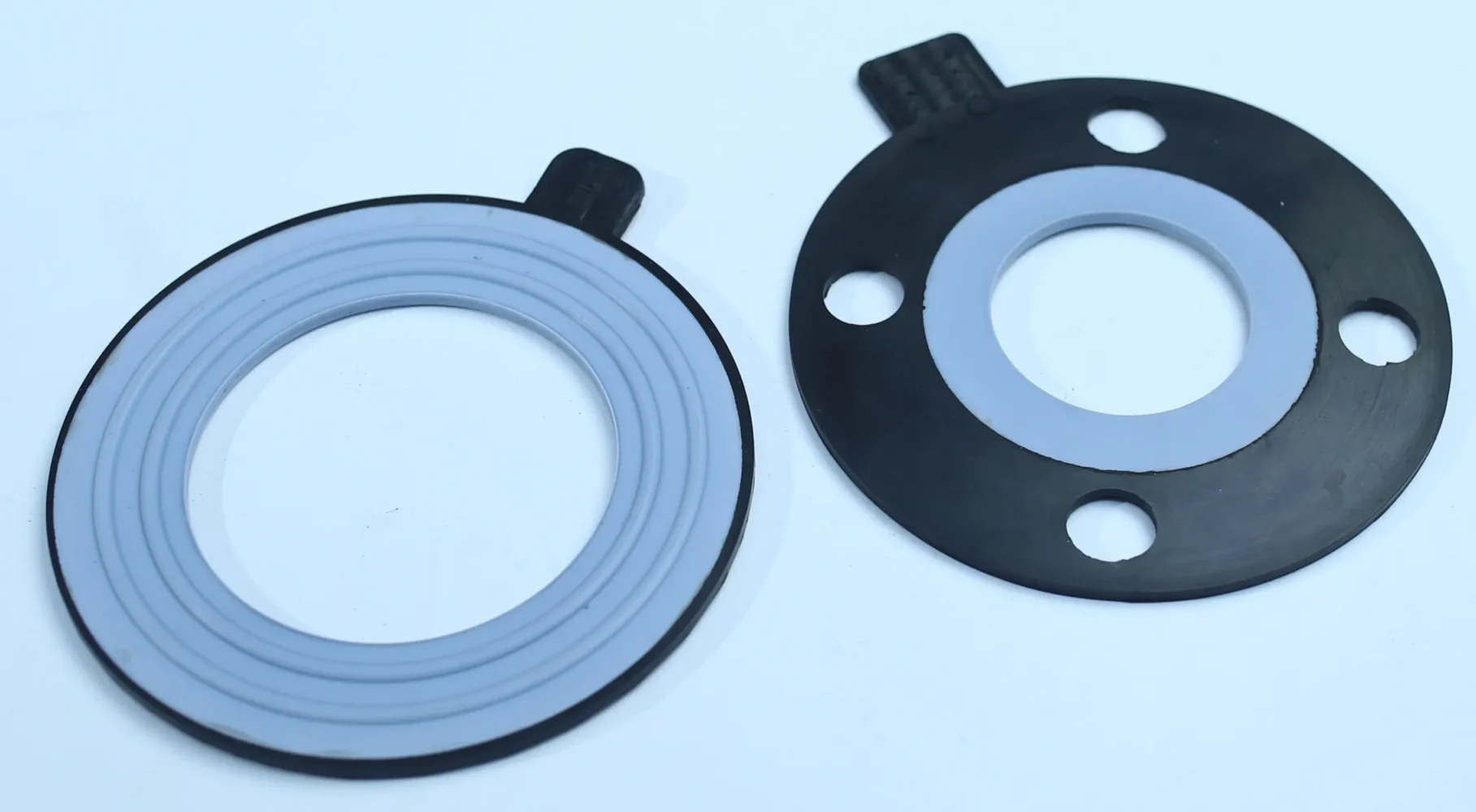
The introduction of polytetrafluoroethylene (PTFE) in the mid-20th century marked a significant turning point. Known for its outstanding chemical resistance and low friction coefficient, PTFE opened new possibilities for sealing applications. However, PTFE’s rigidity and poor compressibility posed challenges in dynamic environments where flexibility is crucial. To bridge this gap, engineers began exploring composite designs that combined the chemical resilience of PTFE with the pliability of elastomers. This innovation gave birth to the modern PTFE rubber gasket—a hybrid solution that blends the best qualities of both materials. By integrating a soft rubber core with a PTFE sealing surface, the PTFE rubber gasket delivers superior sealing performance across a wide range of temperatures, pressures, and media.
Unmatched Durability: How PTFE Rubber Gaskets Withstand Harsh Conditions
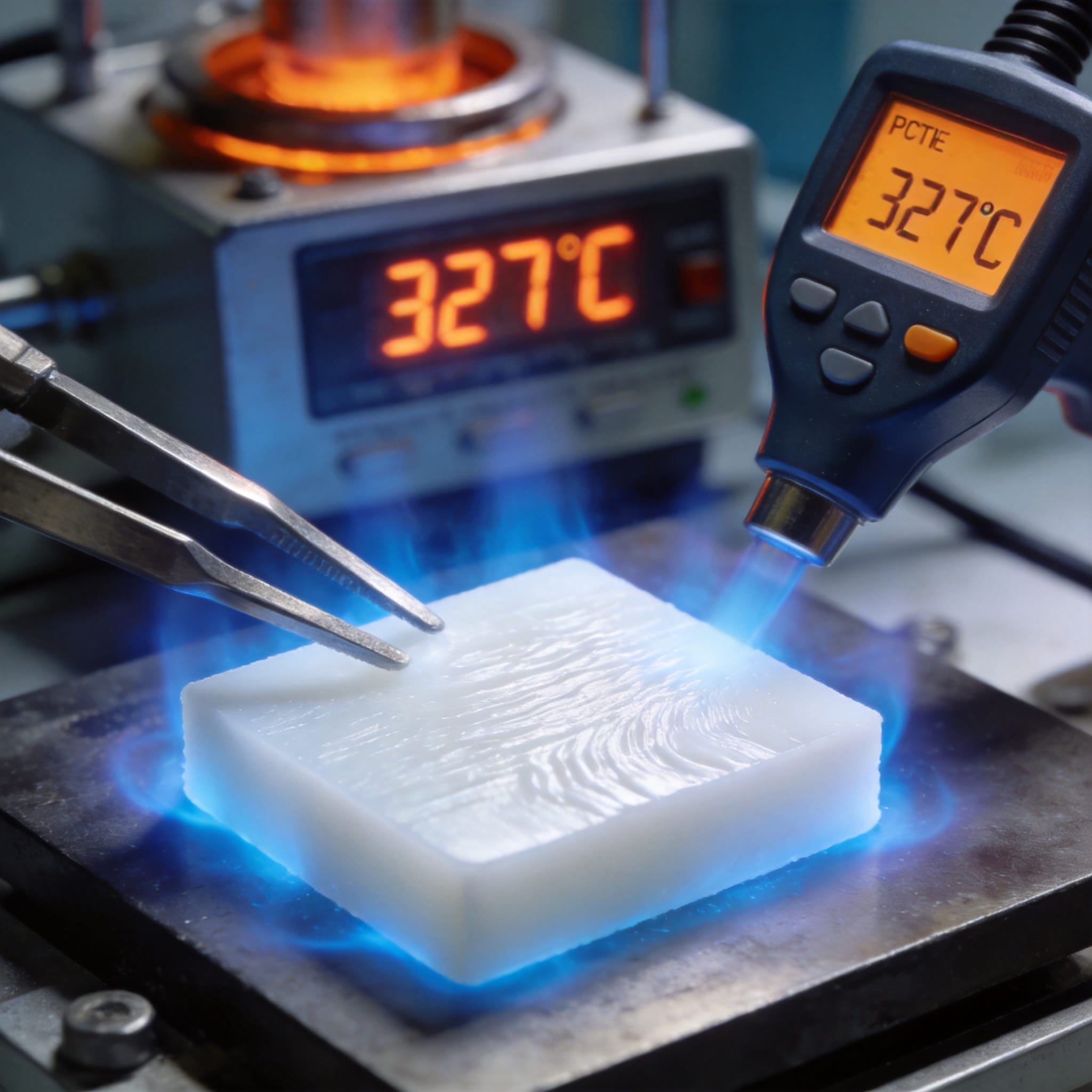
In industries where downtime can cost thousands of dollars per hour, durability isn’t a luxury—it’s a necessity. PTFE rubber gaskets excel in environments that would rapidly degrade traditional seals. From cryogenic temperatures well below -200 °C to scorching steam lines exceeding 400 °C, the unique molecular structure of PTFE provides exceptional thermal stability. Coupled with a high-grade rubber backing that maintains elasticity under compression, these gaskets resist cracking, deformation, and cold flow.
Chemical attack is another common adversary in industrial settings. Whether handling concentrated acids, aggressive solvents, or corrosive gases, the PTFE layer acts as an inert barrier, preventing chemical permeation and ensuring long-term integrity. Meanwhile, the rubber substrate absorbs mechanical stress and fills surface irregularities, maintaining a uniform seal despite vibration, pressure fluctuations, or flange misalignment. This synergy not only extends gasket life but also drastically reduces the frequency of maintenance interventions.
Flexibility Redefined: Exploring the Rubber Component of PTFE Rubber Gaskets
While PTFE provides chemical resistance and thermal stability, the rubber component is the key to achieving reliable compression and recovery characteristics. High-performance elastomers such as EPDM, nitrile (NBR), and FKM (Viton) are commonly used as the gasket’s core material. Each elastomer brings unique advantages, but all share one essential trait: superior flexibility across a broad temperature range. This ensures the PTFE rubber gasket can adapt to flange imperfections and maintain a consistent seal under dynamic loads.
The elastomeric core also contributes to sealing efficiency during pressure surges and rapid temperature swings. As the system cycles, the rubber’s resilience allows it to expand and contract without losing contact with the mating surfaces. Over time, this continuous adaptability helps prevent creep relaxation and stress relaxation—common failure modes in purely rigid gaskets. Moreover, the rubber backer enhances the gasket’s mechanical grip, minimizing the risk of blowouts in high-pressure applications. Together, the PTFE face and rubber backing create a composite gasket that redefines flexibility and performance in sealing technologies.
Cost-Efficiency: How PTFE Rubber Gaskets Save Operational Costs
At first glance, high-quality ptfe rubber gaskets may appear more expensive than conventional rubber or metal-jacketed seals. However, when evaluated on a total cost of ownership basis, they often prove more economical. Their exceptional resistance to wear, chemicals, and temperature extremes translates directly into extended service intervals. Fewer replacements mean reduced labor costs, minimized downtime, and lower inventory requirements for spare parts. In continuous-process plants—such as refineries, chemical production, and power generation—these savings can accumulate rapidly.
Beyond maintenance, the reliability of PTFE rubber gaskets enhances overall system efficiency. Leaks and pressure losses not only pose safety hazards but also waste valuable resources like steam, compressed air, and process fluids. By maintaining a tight seal over long periods, these gaskets help preserve energy, reduce emissions, and uphold regulatory compliance. Additionally, the lightweight nature of PTFE composites reduces handling and installation effort, further cutting installation time and associated labor costs. When all factors are considered—material longevity, operational uptime, and environmental benefits—the PTFE rubber gasket emerges as a cost-effective solution for modern industrial sealing challenges.
Conclusion: The PTFE Rubber Gasket Revolutionizing Sealing Solutions
The PTFE rubber gasket represents a milestone in sealing technology, merging the best attributes of PTFE and elastomers. Its ability to withstand extreme temperatures, corrosive media, and mechanical stress offers unparalleled durability and reliability.
By reducing maintenance frequency, minimizing leaks, and enhancing system efficiency, PTFE rubber gaskets deliver significant cost savings. As industries continue to demand higher performance and sustainability, this innovative sealing solution is poised to redefine standards across the board.


 English
 Russian
 French
 Spanish