
In a world where technological advancements dictate the pace of innovation, the PTFE tube market is on a spectacular rise, quietly revolutionizing industries with its versatile applications. Picture this: an almost invisible force shaping the durability and efficiency of everything from medical devices to aerospace technologies. The question isn’t just about why PTFE tubes are experiencing such a surge; it’s about understanding the profound impact they have on the future landscape of industrial applications.
Recent statistics showcase an impressive growth trajectory, with the demand for PTFE tubes projected to soar. This surge is not merely a trend but a testament to their unmatched properties—chemical resistance, high-temperature endurance, and unparalleled flexibility. As we delve deeper into the dynamics fueling this market boom, prepare to uncover how PTFE tubes are becoming indispensable components of tomorrow’s technological marvels. With innovation at the helm, the potential for these tubes seems limitless.
Evolution of PTFE Tubes in Industrial Applications
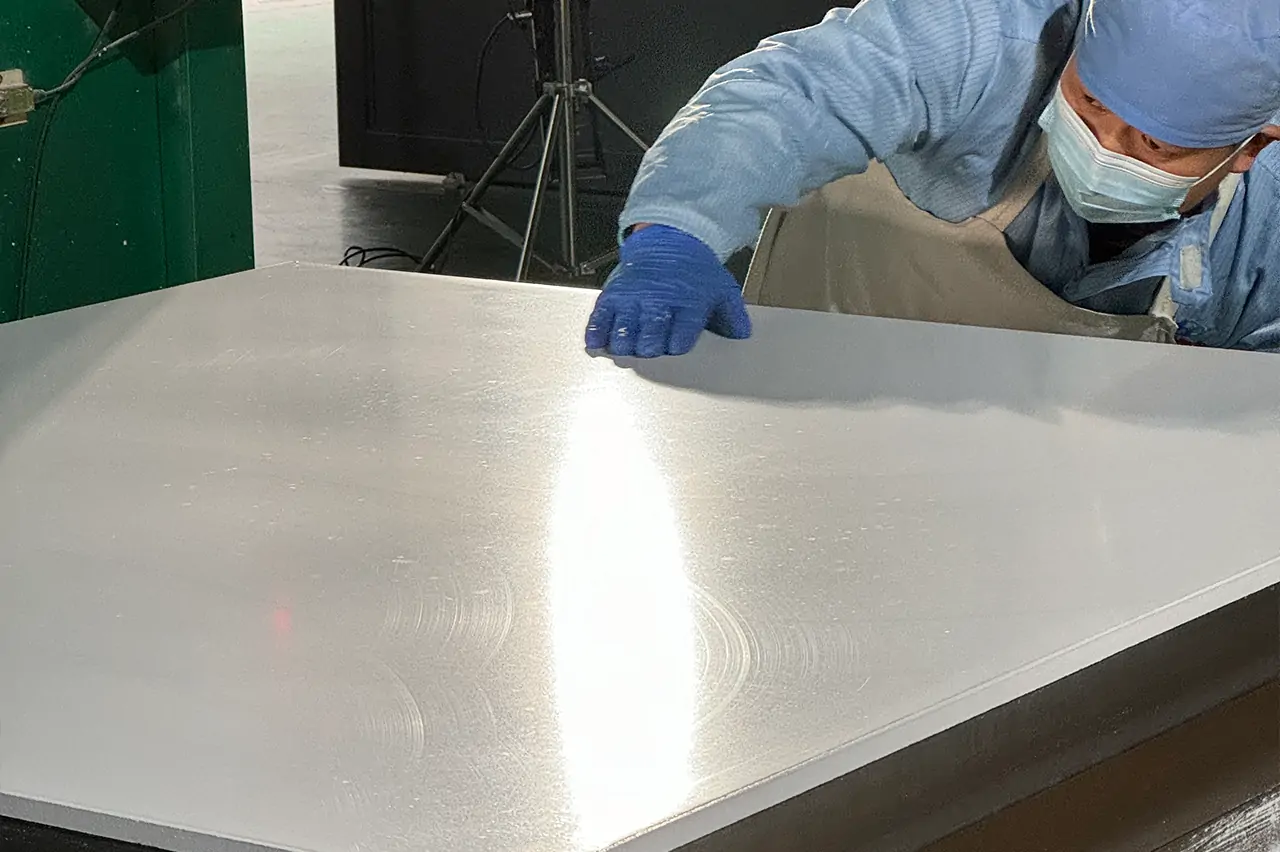
The story of the PTFE tube market begins with the discovery of polytetrafluoroethylene (PTFE) in 1938 by Dr. Roy Plunkett at DuPont. Initially celebrated for its nonstick properties, PTFE soon found a new, critical role in tube form. By the 1950s, extrusion technologies enabled manufacturers to produce continuous PTFE tubing, opening doors to chemical processing, electrical insulation, and high-purity fluid transfer. These early applications capitalized on PTFE’s remarkable chemical inertness and thermal stability, and they laid the groundwork for a burgeoning global industry that would diversify into countless sectors.
Throughout the latter half of the 20th century, improvements in extrusion precision and material purity drove PTFE tubes into more specialized roles. In semiconductor fabrication, for instance, PTFE’s capacity to transport ultra-pure gases without contaminating them became indispensable. Likewise, corrosive fluid handling in petrochemical plants leveraged PTFE tubing to enhance safety and longevity, dramatically reducing downtime and maintenance costs. This period of adaptation cemented PTFE as the go-to material for demanding industrial processes.
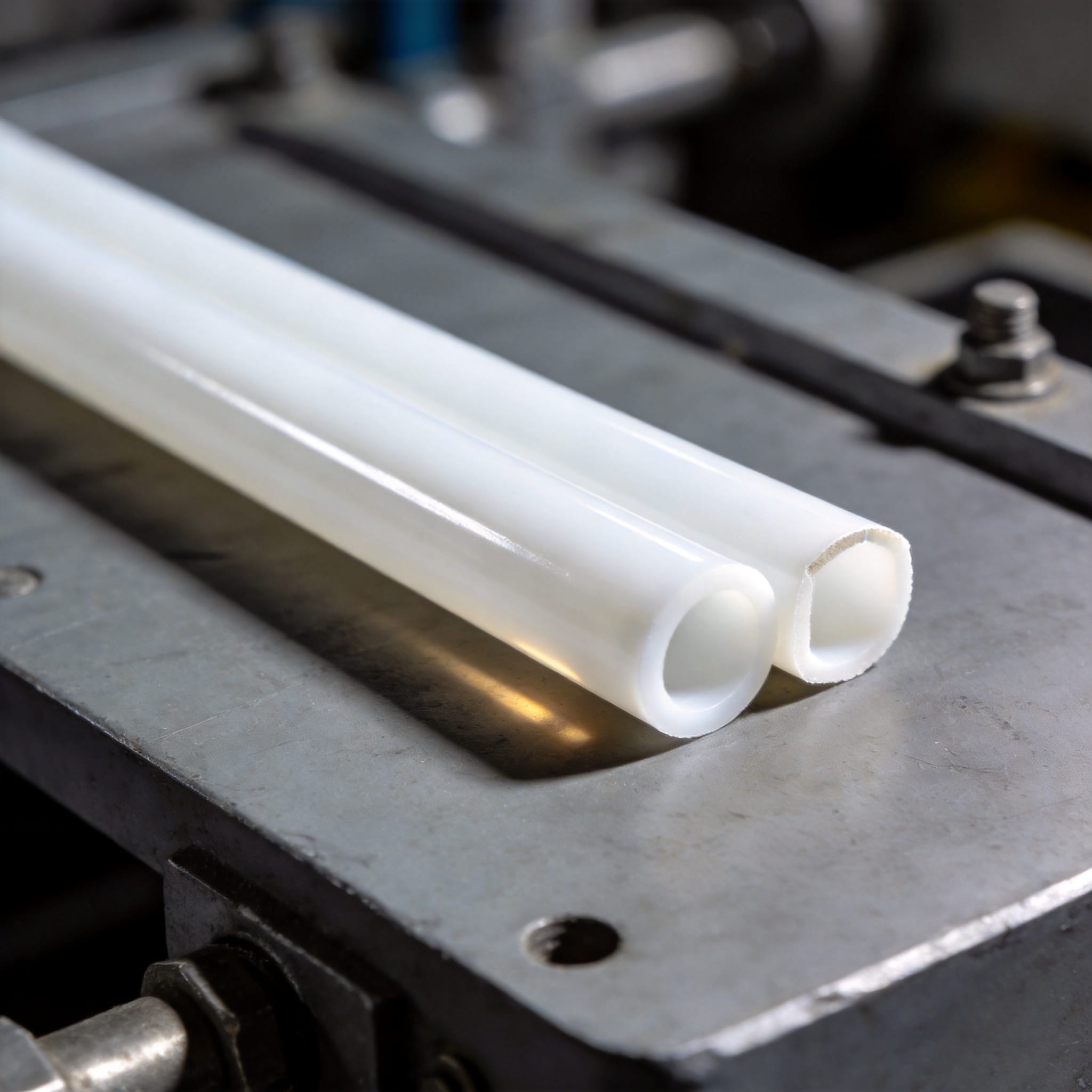
Today, the PTFE tube market continues to evolve as additive manufacturing and co-extrusion techniques usher in new composite structures. With the integration of glass and carbon fiber reinforcements, PTFE tubes now exhibit enhanced mechanical strength while preserving core chemical and thermal benefits. Microbore PTFE tubing, featuring internal diameters less than one millimeter, enables precision fluidics in laboratories and medical diagnostics. As industries push for higher efficiency and reliability, PTFE tubes stand ready to meet the challenge, proving that their evolution is far from over.
Growing Demand in the Medical Industry
The medical sector has emerged as a major growth engine for the PTFE tube market, thanks to PTFE’s biocompatibility, chemical inertness, and sterilization performance. Physicians and device manufacturers increasingly rely on PTFE tubing for critical applications such as catheters, drainage systems, and vascular graft linings. Its low friction coefficient minimizes tissue trauma during insertion, while its resistance to bodily fluids ensures consistent performance over extended use. These qualities have driven a shift away from traditional materials toward PTFE in both disposable and implantable medical components.
Recent advances in microfluidics and lab-on-a-chip technologies have further broadened PTFE’s reach within healthcare. Narrow-bore PTFE tubes accurately channel minute volumes of reagents, enabling high-throughput diagnostic assays with minimal cross-contamination risk. PTFE’s compatibility with gamma irradiation and ethylene oxide sterilization ensures compliance with stringent regulatory standards, making it the material of choice for FDA-approved devices. Hospitals and research institutions alike are investing heavily in PTFE-based fluid pathways to improve patient outcomes and streamline workflows.
Looking ahead, the PTFE tube market in medicine is poised for exponential growth as personalized medicine and minimally invasive procedures become mainstream. Innovations like hydrophilic PTFE coatings reduce friction even further, facilitating next-generation neural interface technologies and drug delivery implants. With healthcare providers prioritizing patient safety, device longevity, and procedural efficiency, PTFE tubing is positioned to redefine medical equipment design for years to come.
PTFE Tubes Redefining Aerospace Technologies
Aerospace engineers continuously seek materials that combine light weight, durability, and exceptional performance under extreme conditions. Enter PTFE tubing, which has become a cornerstone in aircraft and spacecraft systems. Its low density helps reduce overall weight, directly contributing to fuel efficiency and payload capacity. PTFE’s ability to resist temperatures from -200°C to +260°C makes it an ideal choice for fuel and hydraulic lines exposed to cryogenic environments or jet engines’ intense heat.
Beyond thermal resilience, PTFE tubing excels in chemical resistance, tolerating jet fuels, hydraulic fluids, and de-icing agents without degrading. This ensures long service intervals and reduced maintenance costs—a critical factor in aerospace operations where safety and reliability are paramount. PTFE’s dielectric properties also support advanced wiring insulation in avionics, protecting circuits from moisture, chemicals, and electrical interference while maintaining flexibility in confined spaces.
Innovations in the PTFE tube market are expanding aerospace applications even further. Composite-based PTFE tubes, reinforced with carbon or glass fibers, deliver higher burst pressures for critical fuel transfer lines. Additive manufacturing techniques now allow custom-designed PTFE ducts that conform precisely to complex airframe geometries, optimizing airflow for cabin pressurization and environmental control systems. As the aerospace industry evolves toward hypersonic flight and deep-space exploration, PTFE tubes will remain at the forefront of materials innovation, enabling safer, more efficient journeys beyond our atmosphere.
Emerging Trends in PTFE Tube Manufacturing
The PTFE tube market is witnessing a wave of transformative manufacturing trends driven by technological advancements and sustainability imperatives. One such trend is the adoption of precision extrusion machines equipped with real-time monitoring and closed-loop controls. These systems maintain consistent wall thickness and diameter, enabling ultra-fine microbore tubes for specialized applications in microfluidics and electronics cooling. Manufacturers are also experimenting with co-extrusion processes that embed reinforcing layers—such as stainless steel mesh or high-performance polymers—within PTFE matrices, delivering hybrid tubes with enhanced mechanical and barrier properties.
Another significant development is the integration of Industry 4.0 principles into PTFE tube production. Smart factories leverage IoT sensors and AI-driven analytics to optimize energy consumption, minimize material waste, and predict maintenance requirements before downtime occurs. In parallel, research into recyclable and bio-based PTFE alternatives aims to address environmental concerns. While true biodegradable PTFE remains a challenge, emerging chemical recycling techniques promise to repurpose scrap and end-of-life PTFE tubes back into virgin-grade resins.
Looking forward, customized PTFE tubes with embedded sensors or conductive pathways are set to redefine “smart tubing.” These next-generation products could monitor pressure, flow rates, and temperature in real time, providing actionable data for predictive maintenance and system optimization. With investments in automation, digitalization, and sustainability, the PTFE tube market is gearing up for another leap forward—one that aligns economic growth with environmental stewardship.
Conclusion: PTFE Tubes Shaping the Future of Industries
As we’ve explored, the PTFE tube market is not simply expanding—it’s evolving in ways that redefine industrial standards. From its humble beginnings to its critical roles in chemical processing, healthcare, aerospace, and beyond, PTFE tubing has proven its unmatched versatility and reliability.
With cutting-edge manufacturing trends, sustainable initiatives, and smart-technology integration, PTFE tubes are poised to drive the next wave of innovation. As industries march toward greater efficiency, safety, and eco-responsibility, the surge in PTFE tube adoption is only the beginning of a transformative era.



 English
 Russian
 French
 Spanish