
Imagine a world where leaks are unheard of, where efficiency and safety in industrial applications are not just goals but everyday realities. This is where the PTFE flat gasket steps in as the unsung hero, revolutionizing the way we seal connections in various industries. Known for its resilience and adaptability, this seemingly humble component plays a crucial role in preventing costly leaks and ensuring smooth operations in everything from chemical manufacturing to oil refineries.
What makes the PTFE flat gasket stand out in a sea of sealant options? It’s all about its exceptional properties—resistance to extreme temperatures, chemicals, and pressure. While other materials may crack under pressure or fail in harsh environments, PTFE flat gaskets remain steadfast, providing a reliable seal that inspires confidence. Whether you’re dealing with corrosive substances or erratic thermal cycles, this gasket offers the ultimate solution, ensuring that your systems run without a hitch. Dive into our blog post to uncover the many ways PTFE flat gaskets are changing the game for industries around the globe.

The Evolution of Sealants in Industrial Applications
Long before modern synthetic materials emerged, artisans and engineers relied on natural fibers—such as hemp, flax, and cotton—combined with greases or tars to create rudimentary seals. Lead-based and cork gaskets were later introduced in the early 20th century, offering better conformity to flange surfaces but falling short under high-pressure or chemically aggressive environments. As industrial processes grew more demanding—pushing temperatures, pressures, and exposure to novel chemicals—the limitations of these traditional materials became glaringly evident. Frequent maintenance shutdowns to replace deteriorating seals were a costly nuisance, driving the search for more durable solutions.
The introduction of polytetrafluoroethylene (PTFE) in the 1950s marked a watershed moment in sealing technology. Initially celebrated for its nonstick properties in cookware, PTFE’s chemical inertness, low friction coefficient, and wide operational temperature range quickly attracted attention in engineering circles. Early PTFE seal designs included simple rings and sheets, but as applications diversified, manufacturers began producing precision-cut flat gaskets to meet the rigorous demands of gaskets in high-purity, high-corrosion settings. This shift revolutionized maintenance intervals and reliability metrics across multiple sectors.
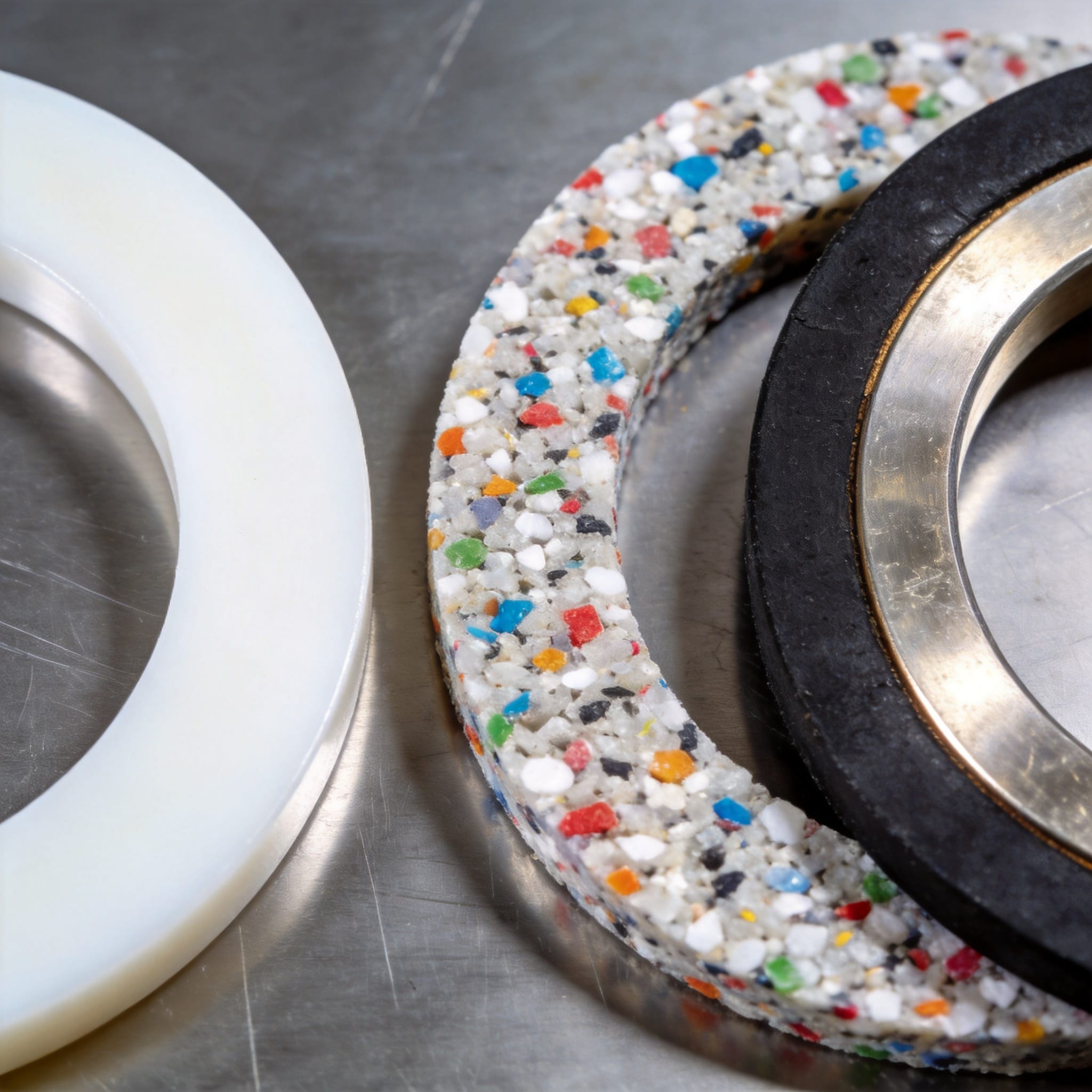
Today, the evolution continues with engineered PTFE flat gasket variants—incorporating fillers like glass, graphite, or carbon to enhance load-bearing capacity and reduce cold flow. Advanced molding and stamping processes have improved dimensional accuracy and repeatability, lowering the risk of misalignment. In an era where downtime translates directly into revenue loss, the journey from natural fibers to sophisticated PTFE flat gaskets underscores the industry’s relentless pursuit of leak-free operation and system integrity.
Temperature Tolerance: How PTFE Flat Gaskets Perform Under Extreme Conditions
One of the most celebrated attributes of a PTFE flat gasket is its ability to endure harsh thermal environments without degradation. Standard PTFE formulations can comfortably operate from cryogenic lows around -200°C up to continuous service temperatures near +260°C. In processes involving rapid thermal cycling—such as steam condensers or heat exchangers—the gasket’s dimensional stability ensures that seals remain intact despite repeated expansion and contraction.
In refinery applications, where reactors may swing from ambient startup to temperatures exceeding 200°C within hours, PTFE flat gaskets provide a buffer against thermal shock that would shatter metal or elastomeric seals. Similarly, in cryogenic piping for liquefied natural gas (LNG) or oxygen service, PTFE’s flexibility at sub-zero temperatures prevents leakage due to material embrittlement. These extreme-range capabilities make it an invaluable choice wherever conventional materials would succumb to stiffening or softening outside their narrow service windows.
Beyond temperature alone, PTFE’s resistance to thermal aging is critical. Unlike some plastic seals that yellow, crack, or lose elasticity over time, PTFE retains its mechanical and sealing properties even after thousands of thermal cycles. This longevity reduces routine gasket change-outs, cutting maintenance costs and downtime. For systems subject to fluctuating temperatures, the PTFE flat gasket’s unparalleled thermal resilience translates directly into operational reliability and safety.
Applications Across Industries: Where PTFE Flat Gaskets Shine
The unique combination of chemical inertness, mechanical strength, and broad temperature tolerance has propelled PTFE flat gaskets into applications across diverse industries. In chemical processing plants, they seal aggressive acids, alkalis, and solvents without risk of chemical attack. Their purity makes them ideal for pharmaceuticals and food & beverage sectors, where contamination must be avoided at all costs. PTFE’s FDA-compliant variants ensure that even in contact with consumable products, no harmful leachates compromise safety.
Oil and gas operations exploit PTFE flat gaskets in critical zones like sweet and sour service headers, where exposure to hydrogen sulfide or crude oil mixtures can rapidly degrade lesser materials. In water treatment and desalination, PTFE seals safeguard against chlorinated water, ozone, and brine solutions. Aerospace and semiconductor manufacturing also leverage PTFE’s low outgassing and cleanliness, maintaining vacuum integrity in satellites or ultra-pure environments for chip fabrication.
Even emerging sectors—such as lithium-ion battery production and hydrogen fuel infrastructure—are adopting PTFE flat gaskets. Here, the gasket’s stability under varying pressures and exposure to novel electrolytes ensures leak-tight assemblies. From petrochemicals to biotech, and from maritime systems to renewable energy plants, the PTFE flat gasket remains the go-to sealant solution wherever reliability under demanding conditions is non-negotiable.
Installation Best Practices for PTFE Flat Gaskets
Achieving a leak-free seal with a PTFE flat gasket begins with meticulous surface preparation. Flange faces must be clean, smooth, and free from scratches or corrosion. Even minor imperfections can compromise gasket sealing, so degrease metal surfaces with an appropriate solvent and remove old gasket remnants. Align flanges precisely to avoid uneven compression that could lead to blowouts or localized stress points.
Proper bolt tightening torque is critical. PTFE’s low creep resistance compared to metal gaskets means over-torquing can cause excessive cold flow, thinning the gasket, and reducing its lifespan. Follow manufacturer-recommended torque values and apply them evenly in a star or cross pattern. Use calibrated torque wrenches, and consider torque-checking after initial system pressurization, since PTFE may settle under load, necessitating a slight retorque.
For flange assemblies subject to vibration or thermal cycling, using washers or spring-loaded bolt assemblies can maintain clamping force and mitigate relaxation. Lubricate bolt threads with an anti-seize compound to ensure consistent torque readings and prevent galling. Finally, store PTFE flat gaskets in a cool, dry place away from UV light to preserve their integrity until installation. By adhering to these best practices, operators can maximize gasket life and maintain leak-tight systems.
Embracing the Future: Innovations in PTFE Flat Gasket Technology
The next generation of PTFE flat gaskets is being shaped by advances in material science and manufacturing. Nano-reinforced PTFE composites—infused with ceramic or carbon nanotubes—offer enhanced mechanical strength and creep resistance, allowing for thinner gaskets without sacrificing performance. These high-performance blends also improve chemical compatibility with novel process fluids, expanding the gasket’s applicability in cutting-edge industries.
Digital design and simulation tools are streamlining gasket selection and sizing. Engineers can now model flange deformations, pressure distributions, and thermal gradients to predict sealing behavior before physical prototypes are made. This reduces development cycles and helps customize gasket geometries for specialty applications like microreactors or ultrahigh-pressure systems.
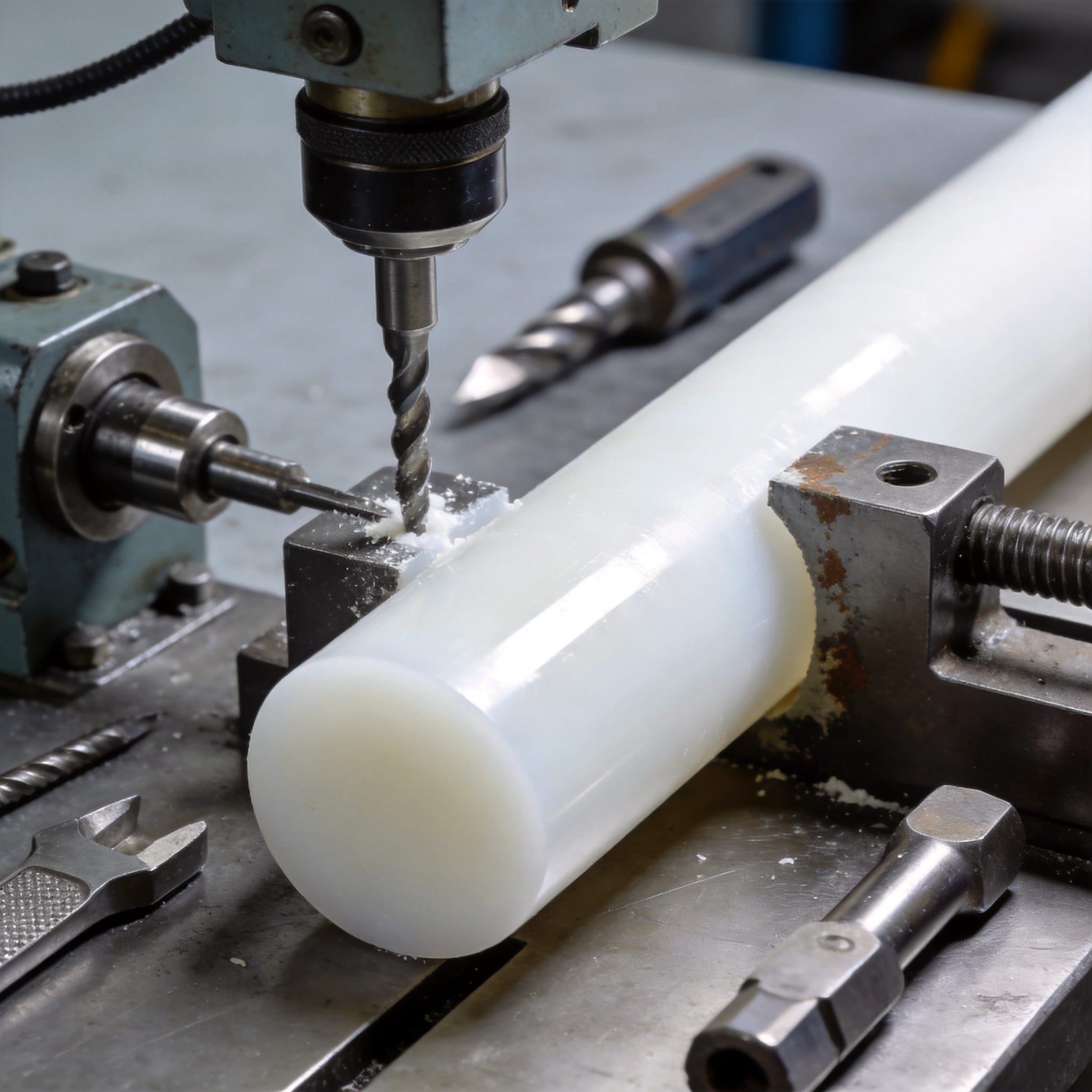
Automation in production—such as laser cutting and precision stamping—yields tighter tolerances and repeatable quality, minimizing scrap and ensuring consistency across batch runs. Eco-friendly initiatives are also driving the creation of recyclable PTFE variants and bio-based filler materials. As industry demands evolve, the PTFE flat gasket will continue to adapt, offering ever-greater reliability, sustainability, and performance in tomorrow’s industrial landscapes.
Conclusión
The PTFE flat gasket has indisputably transformed the way industries manage sealing challenges. From its historical roots in basic natural materials to today’s sophisticated composites, it has demonstrated unmatched resilience against extreme temperatures, aggressive chemicals, and fluctuating pressures. Its versatility spans sectors as diverse as pharmaceutical, petrochemical, aerospace, and beyond.
By following proper installation protocols and embracing emerging innovations, facility operators can fully leverage the benefits of PTFE flat gaskets—achieving leak-free, efficient, and safe operations. As technology advances, this humble yet critical component will remain at the forefront of sealing solutions, ensuring that the world’s complex industrial systems continue to run smoothly and securely.

 English
 Russian
 French
 Spanish