
Imagine the chaos of a machine breakdown in the middle of a critical production cycle—an instant halt, deadlines pushed to the brink, and mounting costs. Often, such mishaps are traced back to one overlooked component: the gasket. Tiny yet crucial, a gasket can make or break the reliability of your equipment. This is why selecting a trustworthy PTFE gasket supplier could very well be one of the most strategic decisions your business makes. Ensuring the right fit, quality, and durability of these components is not merely a purchase decision but an investment in the seamless operation of your machinery and processes.
When tasked with choosing the best PTFE gaskets supplier, businesses often find themselves in a maze of options and technical specifications. Beyond just price, factors such as material quality, supplier reliability, and after-sales support play pivotal roles in making an informed decision. It’s not just about buying a product; it’s about building a partnership that can offer tailor-made solutions to meet your unique operational requirements. In this blog post, we’ll guide you through the intricacies of evaluating suppliers, helping you identify the one that aligns perfectly with your business needs and values.

Understanding the Importance of PTFE Gaskets in Machinery
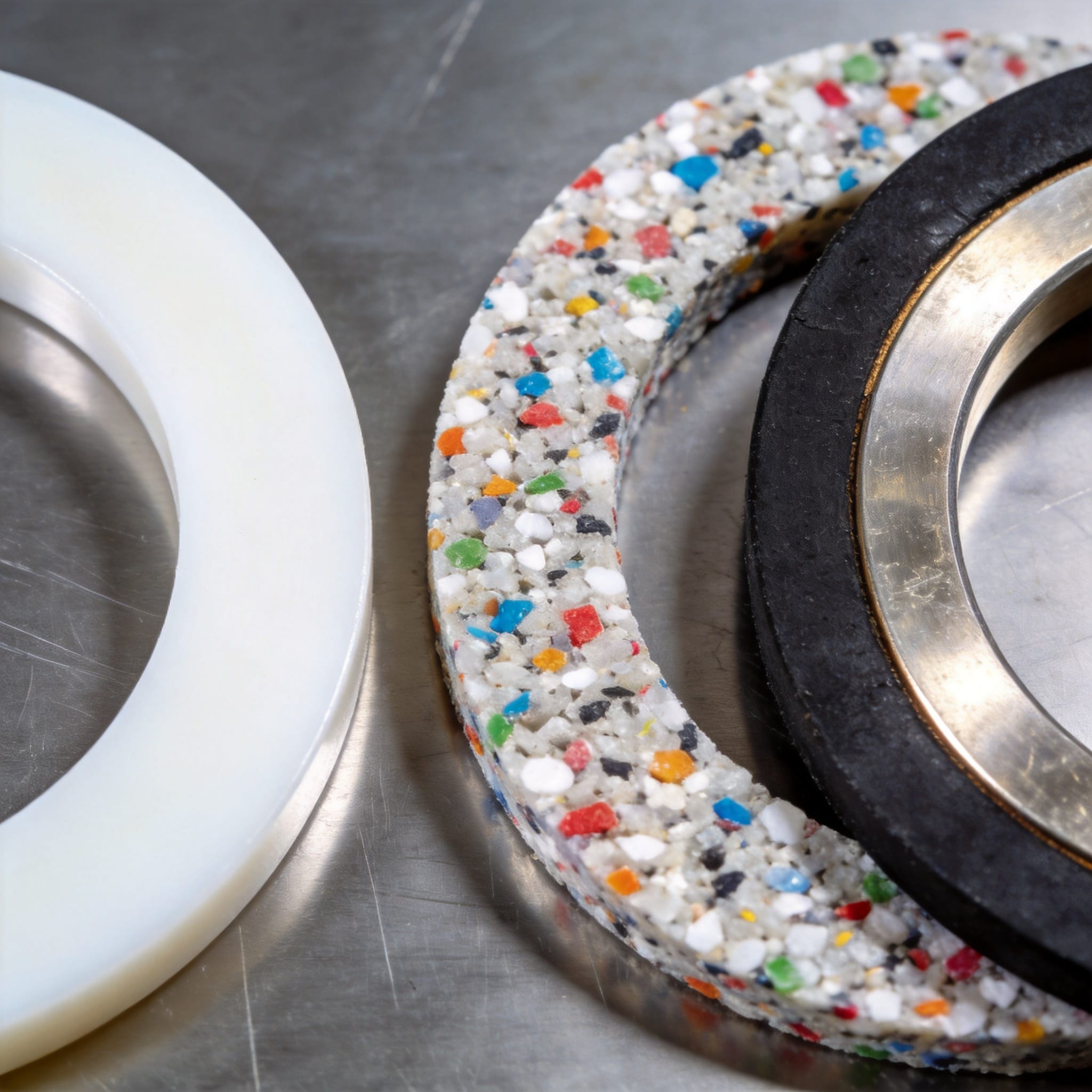
Gaskets serve as the unsung heroes of mechanical assemblies, forming leak-proof seals between flanges, housings, and other mating surfaces. In high-stakes industries—like chemical processing, pharmaceuticals, and oil and gas—a single leak can lead to environmental hazards, safety incidents, and costly downtime. PTFE (polytetrafluoroethylene) gaskets are prized for their exceptional chemical resistance, broad temperature tolerance, and low friction coefficient, making them ideal for sealing aggressive media under extreme conditions.
When a machine operates at high pressures or corrosive environments, standard gasket materials may degrade, harden, or crack over time, jeopardizing the integrity of the seal. PTFE’s inert nature ensures it won’t react with acids, bases, solvents, or steam, extending service life and reducing maintenance intervals. Moreover, PTFE remains flexible at sub-zero temperatures and retains strength up to 260 °C, offering reliable performance across a wide operating envelope.
From heat exchangers and reactors to pumps and valves, PTFE gaskets play crucial roles in preventing leaks, maintaining pressure, and safeguarding equipment. Their versatility has made them the go-to choice in industries where contamination, corrosion, or temperature swings are daily challenges. However, not all PTFE gaskets are created equal—variations in raw material purity, manufacturing processes, and finishing techniques directly impact sealing effectiveness and durability.
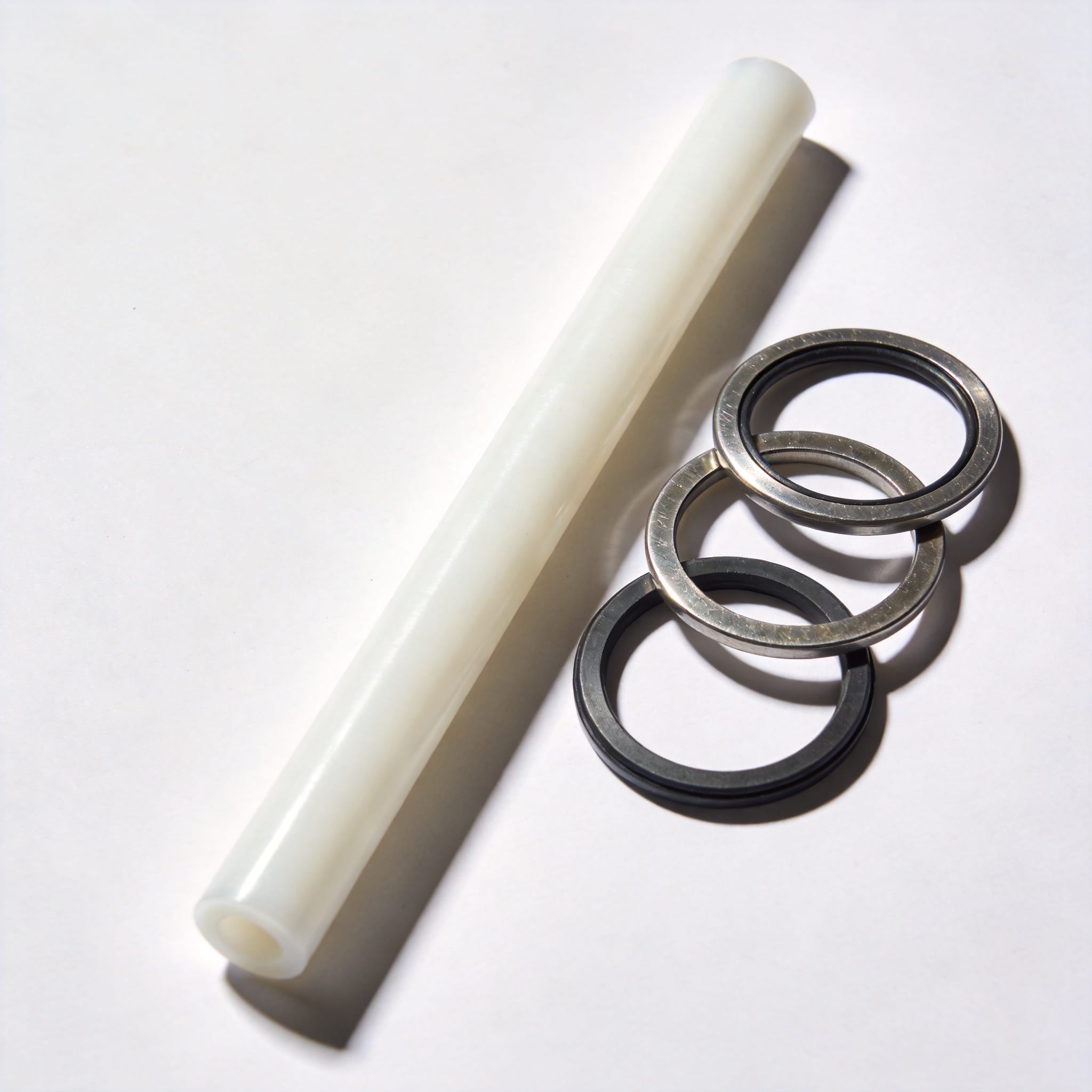
Selecting a reputable ptfe gaskets supplier ensures you receive components manufactured under stringent quality controls, backed by material certifications and testing data. A knowledgeable supplier will help you choose the right gasket style—whether it’s a full-face, ring joint, or spiral wound assembly—matching your flange type and service conditions. Investing in high-quality PTFE gaskets today minimizes downtime, cuts maintenance costs, and elevates the overall reliability of your machinery.
Assessing Material Quality: The Backbone of Reliable Gaskets
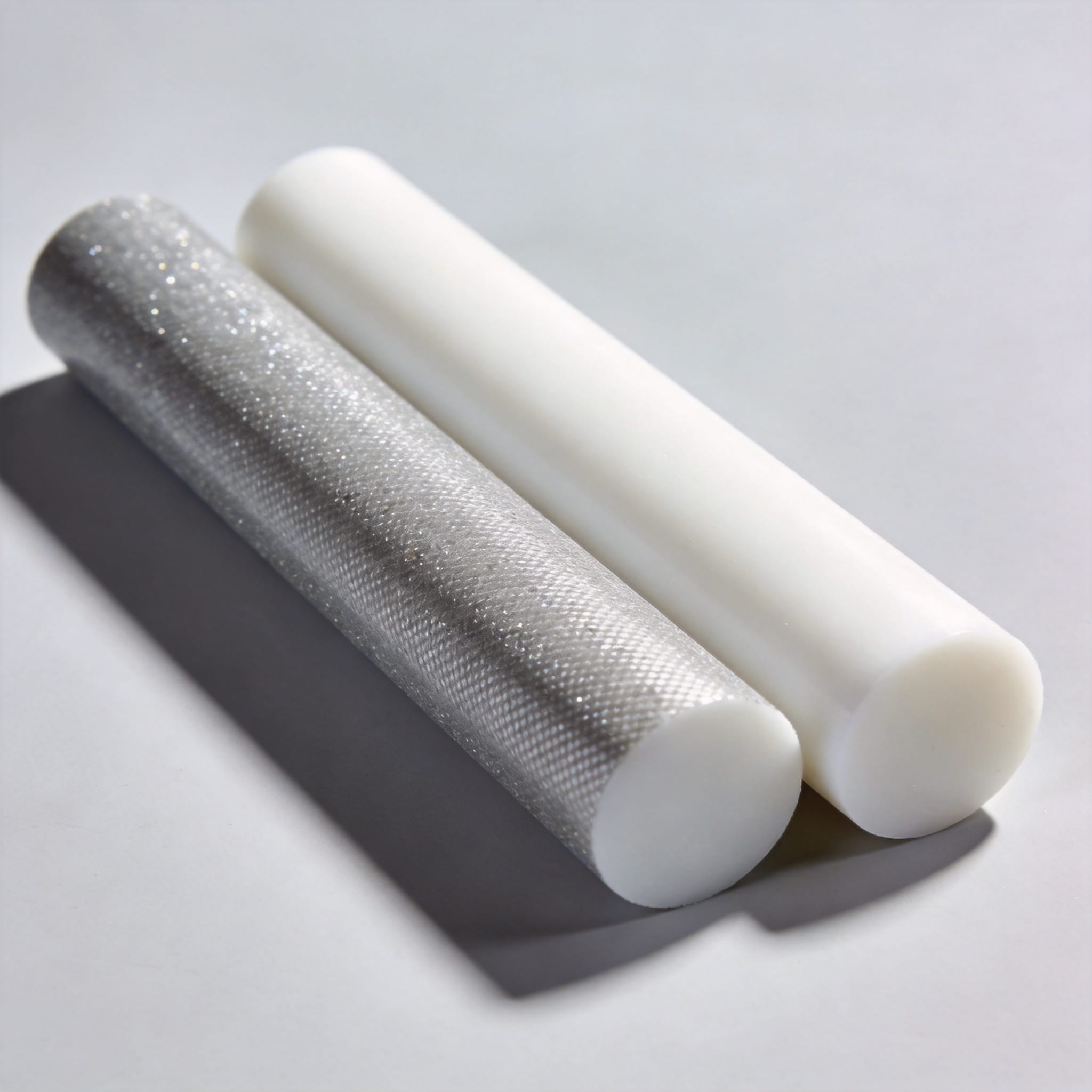
Material quality is the cornerstone of any gasket’s performance. With PTFE, the purity of the polymer resin and the presence of additives can significantly affect physical properties such as tensile strength, elongation, and creep resistance. High-grade PTFE typically contains minimal fillers and boasts uniform thickness, ensuring that the gasket compresses evenly under flange load without extruding or cold-flowing excessively.
Reputable suppliers subject their PTFE sheets and molded parts to rigorous testing standards—measuring parameters like Shore hardness, density, and wall thickness tolerances. They often comply with industry standards such as ASTM F1545 and ISO 9001, providing traceability throughout the production process. By reviewing Quality Control (QC) certificates and material data sheets, you can verify that your gaskets meet the specified mechanical and chemical resistance requirements.
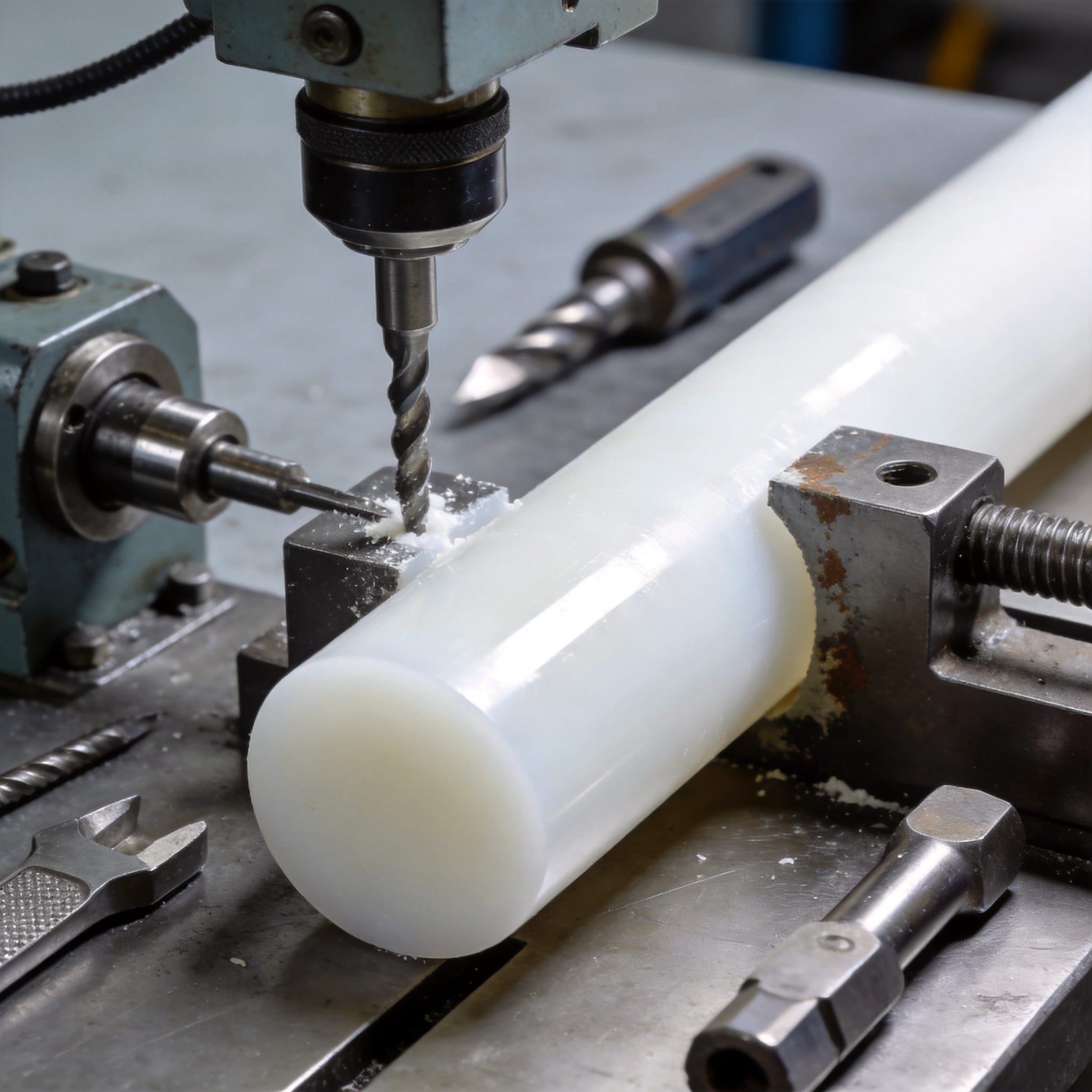
In addition to raw material certification, pay attention to the fabrication methods employed. Advanced machining or CNC cutting yields precise dimensions and burr-free edges, critical for achieving uniform contact across the sealing surface. Some suppliers offer post-production treatments—such as calendering and skiving—to enhance surface finish and reduce the risk of leak paths. The result is a gasket that aligns perfectly with your flange geometry and sustains repeated assembly cycles without compromising sealing integrity.
Ultimately, partnering with a PTFE gaskets supplier that prioritizes material quality and transparency in their manufacturing processes translates into fewer gasket failures, longer service life, and predictable maintenance schedules. Don’t hesitate to request samples, conduct on-site trials, and compare performance data before finalizing your supplier selection.
Supplier Reliability: Ensuring Consistent Quality and Timely Deliveries
Even the highest-quality gasket is only as good as the supplier who delivers it. Reliability in supply chain management means not only consistent product quality but also on-time deliveries, clear communication, and responsive customer service. Delays in critical gasket shipments can bring production lines to a standstill, leading to expedited shipping costs or unscheduled maintenance downtime.
A dependable PTFE gaskets supplier maintains adequate inventory levels of standard sizes and keeps a streamlined ordering process for custom requests. They offer clear lead time commitments, automated order tracking, and proactive notifications if any production or shipping issues arise. This level of transparency minimizes uncertainty and allows you to plan maintenance windows and equipment turns with confidence.
Beyond logistics, assess the supplier’s technical support structure. Do they have dedicated application engineers who can assist with gasket selection, flange analysis, or troubleshooting field issues? Are they able to provide material test reports, installation guidelines, and gasket maintenance best practices? A supplier that invests in customer education and technical collaboration becomes a strategic partner rather than just a vendor.
Finally, review client testimonials, industry certifications, and case studies to gauge the supplier’s track record. Look for long-term relationships with companies in your sector, evidence of repeat business, and a low incidence of warranty claims. By choosing a ptfe gaskets supplier known for reliability and professionalism, you secure a steady flow of critical sealing components that uphold your operational standards.
Customization Options: Finding a Supplier that Meets Your Unique Requirements
Your machinery may demand gaskets that deviate from standard dimensions, materials, or configurations. Whether you need thin-section gaskets for space-constrained setups, multi-layered composites for extreme pressure applications, or color-coded parts for safety compliance, customization capabilities are essential. A PTFE gaskets supplier with in-house engineering and fabrication resources can translate your specifications into precision-manufactured components.
Custom gaskets often start with a detailed engineering review—analyzing flange drawings, bolt patterns, and operating conditions. Suppliers may offer 2D CAD modeling, prototyping, and rapid-turnaround pilot runs to validate fit and function before full-scale production. This iterative approach reduces the risk of costly redesigns and ensures seamless integration into your equipment.
Furthermore, advanced suppliers expand material offerings with blends of PTFE and other polymers (e.g., filled PTFE with glass or graphite) to tailor properties like creep resistance, conductivity, or dimensional stability. They also provide specialized sealing features—such as reinforced cores, encapsulated metal inserts, or asymmetric faces—to tackle challenging media or uneven flange surfaces. Working with a supplier that embraces customization empowers you to address unique operational hurdles while maintaining the benefits of PTFE technology.
Finally, robust after-sales support—like installation training, field audits, and performance reviews—ensures your custom solutions continue to deliver as intended. When selecting a PTFE gasket supplier, prioritize those that combine engineering expertise, flexible manufacturing, and ongoing service to meet your evolving needs.
Conclusion: Securing a Trusted Partner for Your PTFE Gaskets Needs
Choosing the right PTFE gaskets supplier goes beyond a simple transaction; it’s about forging a partnership that underpins the reliability and efficiency of your machinery. By focusing on material quality, supplier reliability, and customization capabilities, you set the stage for leak-free operations and predictable maintenance schedules.
Invest the time to vet potential suppliers—examining certifications, testing protocols, production capacities, and after-sales support. In doing so, you’ll secure a trusted partner capable of delivering precision-engineered PTFE gaskets that stand up to your toughest challenges.

 English
 Russian
 French
 Spanish