
Short answer: for chemical processing flanges, select gasket material in this order: match the worst-case media and temperature, then solve for creep (cold flow is why most PTFE gaskets leak, not chemical attack), then check sealability at your available bolt load. Virgin PTFE handles the chemistry of nearly everything; the grade choice — virgin, filled or expanded — is decided by temperature cycling and bolt load, not by the acid.
Chemical plants rarely lose gaskets to corrosion. They lose them to creep at hot flanges, to insufficient bolt load on large-diameter joints, and to cycling that walks the seal open. This guide turns grade selection into a three-step decision driven by those mechanisms.
Step 1: Chemical screen — usually passes instantly
PTFE resists essentially all process media except molten alkali metals and elemental fluorine. Run the screen to rule out the exotic, then stop spending time on it: sulfuric, hydrochloric, nitric (with caveats at extreme concentration and temperature), caustic, chlorinated solvents, aromatics — all compatible. The material decision happens in steps 2 and 3.
Step 2: Creep and temperature cycling
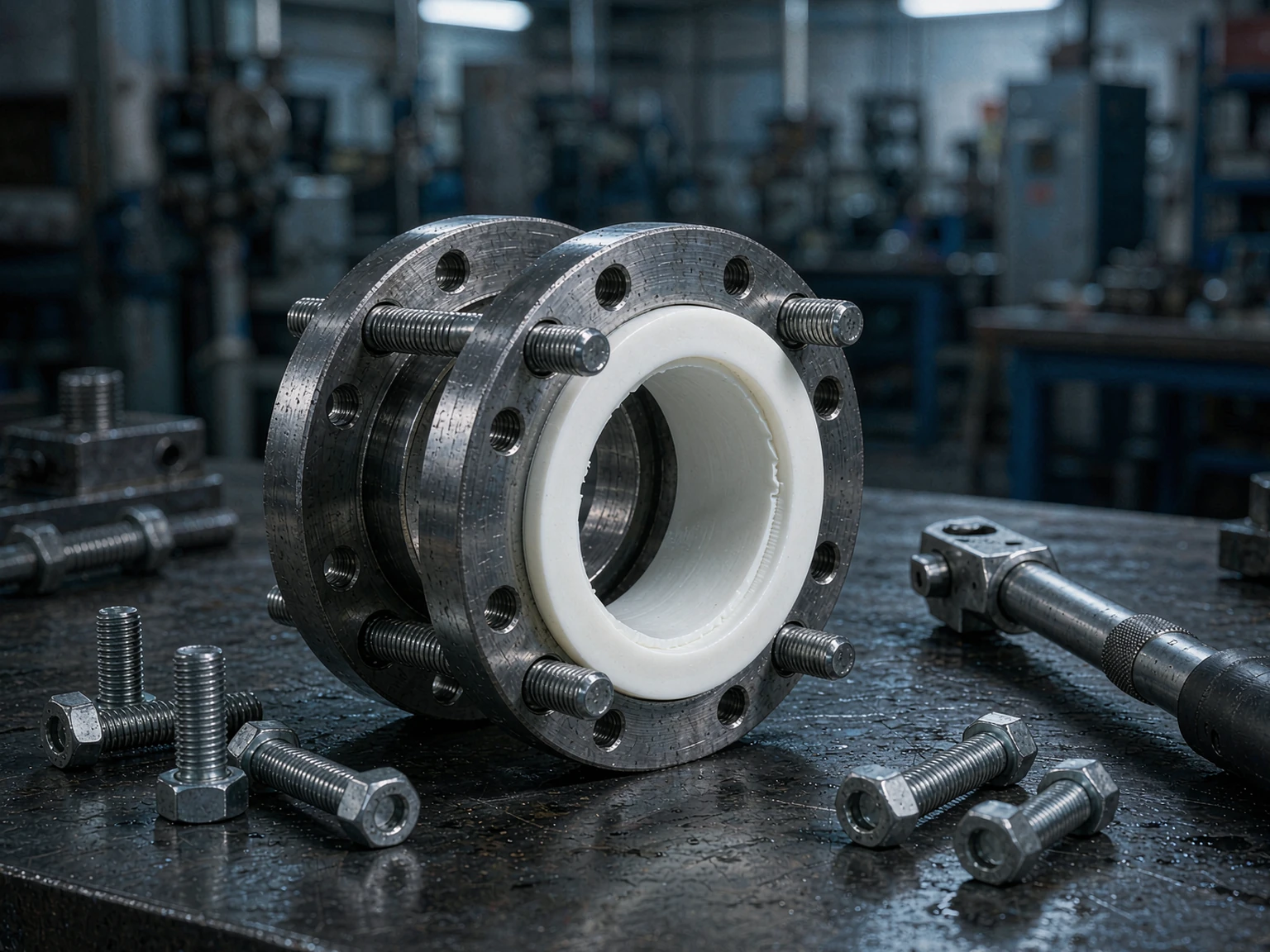
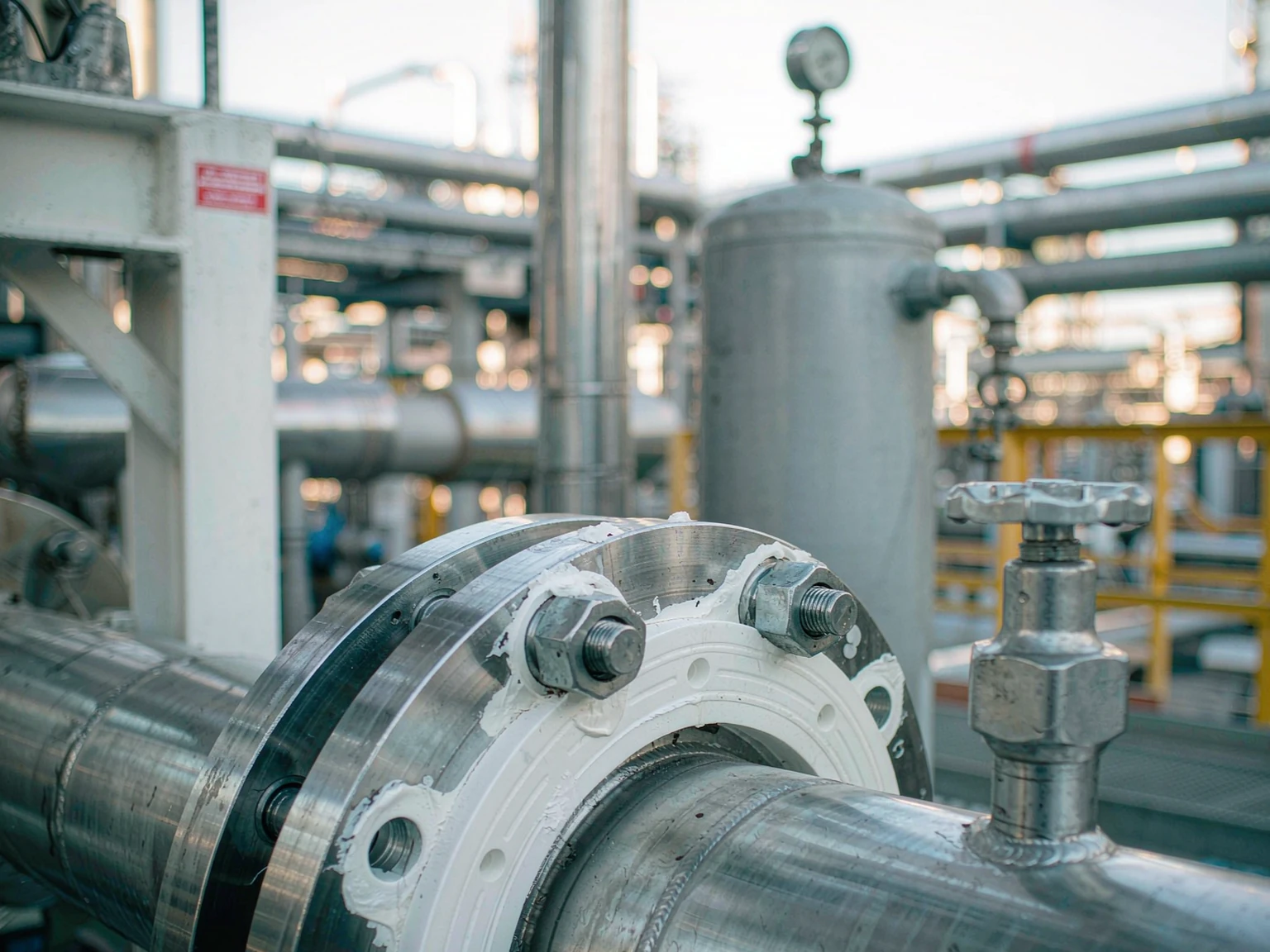
PTFE’s cold flow under bolt load is the dominant failure mechanism on hot flanges. Options in increasing creep resistance:
- Virgin PTFE sheet: fine for ambient-to-moderate duty, low bolt load, non-cycling service.
- Filled PTFE (glass, mica, or silica filled): fillers cut creep by 2–5x; glass-filled is the workhorse for hot chemical flanges.
- Expanded PTFE: fibrillated structure conforms to damaged or glass flanges and seals at low bolt load; the default for retrofits and fragile equipment.
- Corrugated metal PTFE composite: for large-diameter or high-temperature joints where pure PTFE would flow out.
Step 3: Sealability at your bolt load
Large or old flanges may not develop full design bolt stress. Expanded PTFE seals at much lower gasket stress than dense sheet; filled grades need proper torque. Match the grade to the hardware you actually have — a premium grade under-torqued leaks worse than an expanded sheet correctly seated. Confirm torque values and re-torque-after-cycle practice with the supplier in writing.
Grade selection table for common chemical duties
| Duty | Recommended grade | Reason |
|---|---|---|
| H₂SO₄ transfer, ambient–80°C | Virgin or expanded PTFE | Chemistry trivial; sealing ease wins |
| Hot caustic, steam-traced lines | Glass-filled PTFE | Creep control at cycling temperature |
| Large-diameter storage flanges | PTFE expandido | Low bolt load, flange imperfection tolerance |
| Chlorine service | Filled or modified PTFE, thicker section | Permeation management |
Chunhuan manufactures the full grade range — virgin, filled and expanded PTFE gaskets — with ISO 9001 lot documentation since 1985. Send media, temperature profile, flange size and available bolt load; the recommendation will name a grade and a torque practice, not just a material.
Frequently Asked Questions
Why do PTFE gaskets leak in chemical service if PTFE resists everything?
Almost always creep (cold flow) under bolt load, cycling, or insufficient torque — not chemical attack. Fix with filled or expanded grades and correct torque practice.
Which PTFE gasket grade for hot chemical flanges?
Glass-filled PTFE for creep resistance at cycling temperatures; expanded PTFE where bolt load is low or flanges are damaged.
Is expanded PTFE better than virgin sheet?
For sealing ability at low bolt load and on imperfect flanges, yes. For maximum creep resistance at high temperature, filled grades are stronger. They solve different problems.
What torque practice do PTFE gaskets need?
Tighten in a cross pattern to the supplier’s table and re-torque after the first thermal cycle. Written torque values should be part of the gasket quote.


 English
 Russian
 French
 Spanish
