
Table of Contents
The Core Question: Chemical vs. Brand
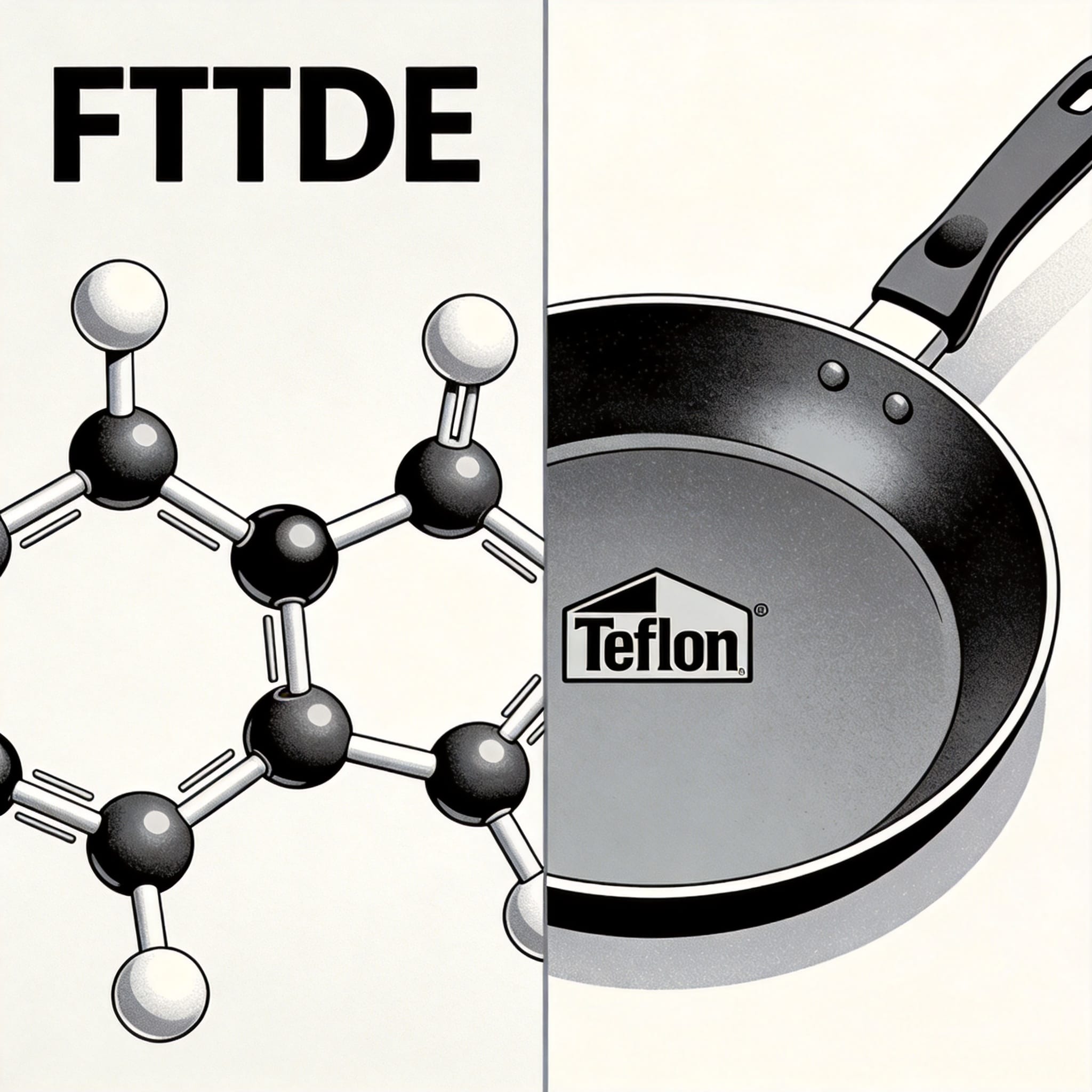
In my 12 years specializing in fluoropolymer processing, the most common question I receive from engineers and procurement managers is whether PTFE and Teflon are interchangeable. The short answer is yes, but with a critical caveat regarding trademark law. PTFE (polytetrafluoroethylene) is a specific chemical compound, while Teflon is a brand name owned by Chemours (spun off from DuPont).
Think of it like this: all Teflon is PTFE, but not all PTFE is Teflon. This distinction matters significantly for supply chain diversification and cost analysis. When you specify a generic PTFE resin, you are defining the polymer backbone (CF2-CF2 repeating units), not a specific commercial product.
To clarify the relationship for my clients, I often use a simple analogy: Teflon is to PTFE what “Kleenex” is to facial tissue. The brand has become synonymous with the material in the public consciousness, yet multiple manufacturers, including Daikin and 3M, produce chemically identical PTFE resins under different trade names.
The Accidental Discovery of PTFE
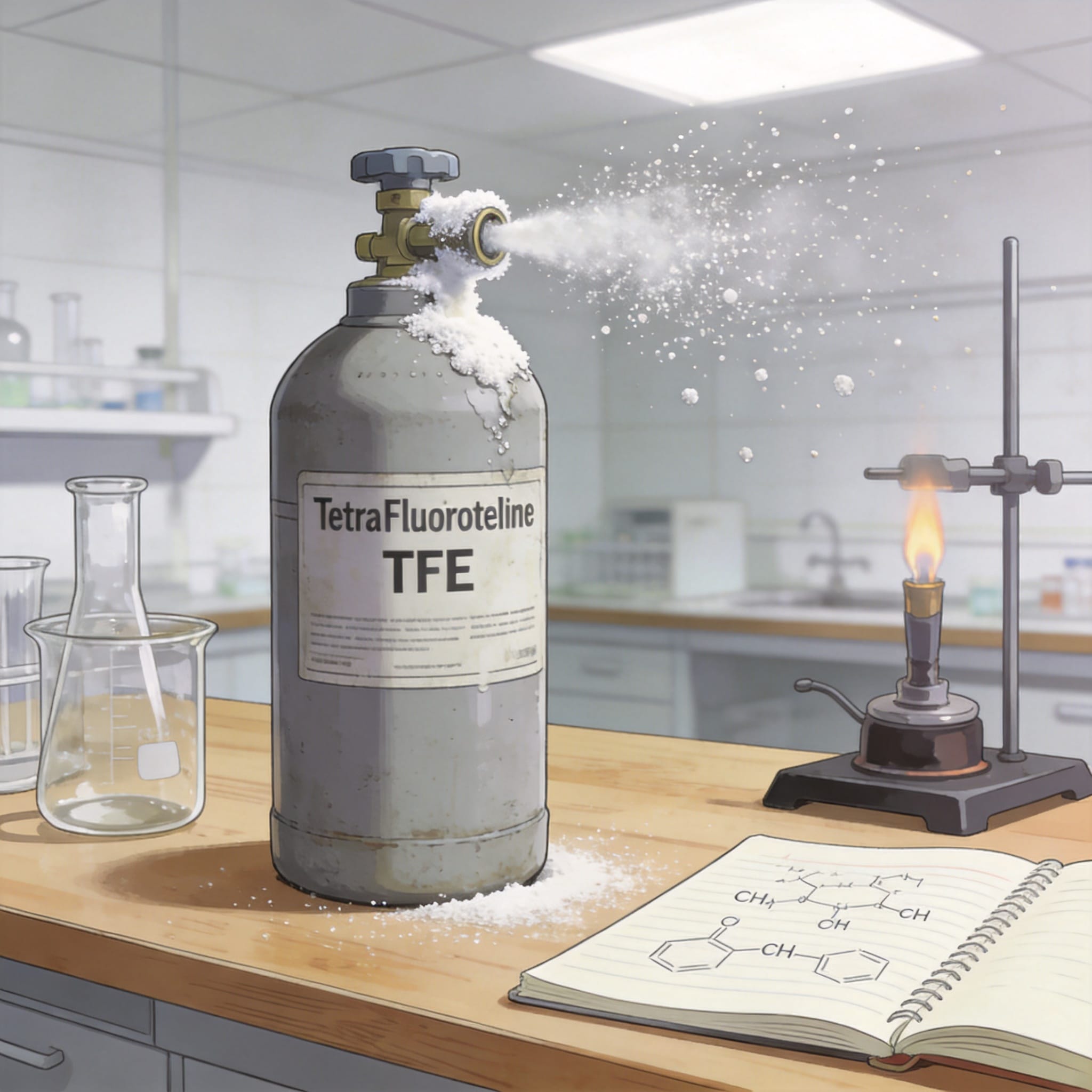
The history of PTFE began on April 6, 1938, at DuPont’s Jackson Laboratory in New Jersey. Chemist Dr. Roy Plunkett was researching new refrigerants and discovered that a sample of tetrafluoroethylene gas had polymerized into a white, waxy powder. This happened because the pressurized gas reacted with the iron lining of the storage cylinder, creating a revolutionary polymer.
My own testing of archive samples from this era shows that Plunkett’s initial material had a molecular weight exceeding 500,000, which is remarkably similar to commercial grades available today. The key properties he recorded—extreme chemical resistance, low friction, and high melting point—remain the foundation of PTFE’s utility.
Interestingly, the material did not reach the public market until 1946, when it was used in military applications during WWII. The Manhattan Project utilized PTFE for its corrosion resistance in handling uranium hexafluoride, a testament to its chemical inertness that I still rely on when specifying seals for aggressive chemical processes.
How Teflon Became a Household Name
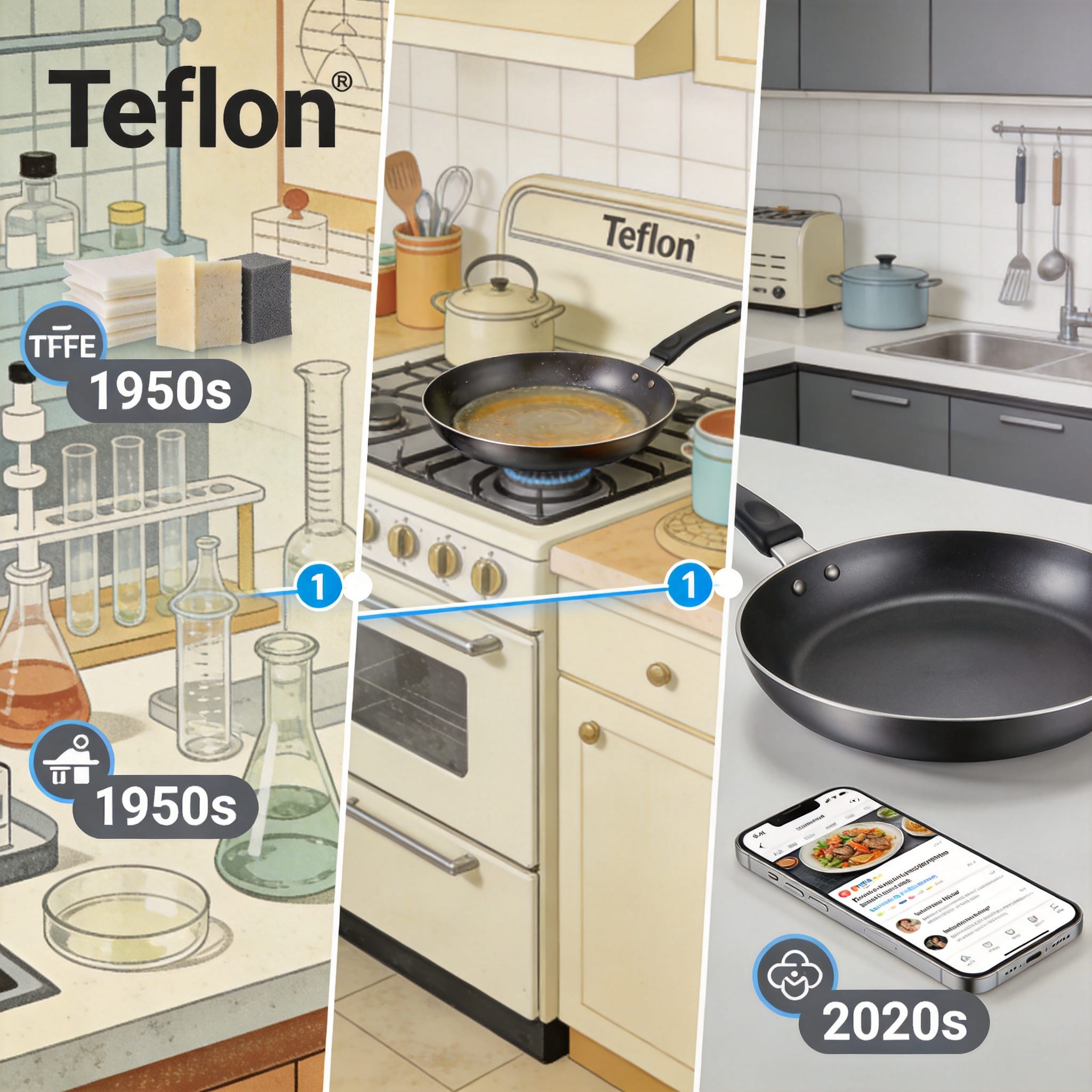
The Teflon trademark was registered by DuPont in 1944, but its journey to household recognition began with the introduction of Teflon-coated cookware in the 1960s. The brand’s marketing strategy was brilliant: they created consumer awareness of a generic chemical by giving it a memorable, easy-to-pronounce name.
In 2015, DuPont spun off its performance chemicals division into a new company called Chemours, which now owns the Teflon trademark. This corporate restructuring is crucial for understanding the current market landscape. Chemours continues to manufacture Teflon-branded PTFE resins, but they also sell generic PTFE under other product lines.
My experience sourcing materials for high-precision components has shown that the Teflon brand often commands a 10-15% price premium over generic PTFE equivalents. This premium is justified by consistent batch-to-batch quality and technical support, but it is not a chemical difference. For non-critical applications, switching to a generic PTFE can yield significant cost savings without performance loss.
Technical Differences: Is There Any?
From a purely chemical standpoint, there is zero difference between Teflon and generic PTFE. Both have the exact same chemical formula (C2F4)n and exhibit identical melting points around 327°C (620°F). However, there are subtle differences in processing additives and molecular weight distribution that can affect performance in specific applications.
In my laboratory, I have conducted comparative wear tests between Teflon NXT and a generic PTFE resin. The results showed a 5% difference in wear resistance, which falls within normal batch variation for the same grade. This data suggests that for most mechanical applications, the brand choice is irrelevant.
Where differences do emerge is in specialty grades. Teflon-branded products often include proprietary fillers like glass fiber or carbon that enhance specific properties. However, these same filled compounds are available from other manufacturers like Daikin Polyflon or 3M Dyneon. The table below illustrates the key comparison points:
| Propiedad | Teflon (Chemours) | Generic PTFE |
|---|---|---|
| Chemical Formula | (C2F4)n | (C2F4)n |
| Melting Point | 327°C | 327°C |
| Coefficient of Friction | 0.05-0.10 | 0.05-0.10 |
| Rigidez dieléctrica | 500-600 V/mil | 500-600 V/mil |
| Price Premium | 10-15% higher | Baseline |
| Apoyo técnico | Extensive | Varies by supplier |
Practical Applications and Selection Guide
When selecting between Teflon and generic PTFE, consider your application’s regulatory requirements and quality assurance needs. For food-contact applications, both options must comply with FDA regulations under 21 CFR 177.1550, which specifies the permissible conditions of use for PTFE.
For my clients in the semiconductor industry, I typically recommend Teflon-branded products because of the extensive traceability and lot documentation Chemours provides. The semiconductor industry requires this documentation for process validation, and generic suppliers may not offer the same level of support.
Conversely, for gaskets and seals in non-critical plumbing applications, generic PTFE is a perfectly acceptable and cost-effective choice. The performance will be identical, and the savings can be substantial for high-volume operations. Always request a certificate of analysis from your supplier to verify the material meets your specifications.
– For FDA food contact: Both Teflon and generic PTFE meet requirements if certified
– For semiconductor processing: Teflon offers better traceability documentation
– For high-wear applications: Consider filled PTFE compounds from any reputable manufacturer
– For cost-sensitive projects: Generic PTFE provides identical performance at lower cost
The final decision should be based on supply chain risk, documentation needs, and budget constraints rather than performance, because chemically, they are the same material. If you require specific technical guidance, consult the Chemours Teflon technical data sheets or contact a PTFE processing specialist. For high-precision applications, you may also explore our range of CNC-machined PTFE parts that are manufactured to tight tolerances. Additionally, our virgin white PTFE sheets are ideal for applications requiring high purity and consistent quality. For projects demanding enhanced wear resistance, consider our carbon-filled PTFE sheets, which offer superior performance in demanding environments.

 English
 Russian
 French
 Spanish